Chlorine Sensors
Chlorine Sensors
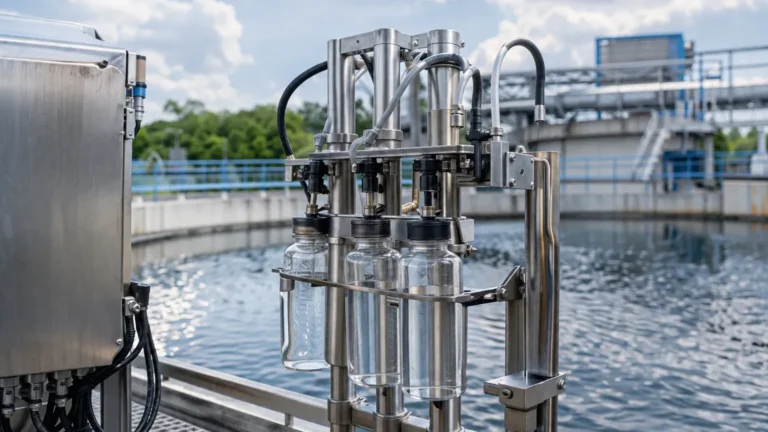
In industrial water treatment, chemical processing, and municipal utility management, the precise measurement of chlorine concentration is essential for ensuring safety, regulatory compliance, and process efficiency. Chlorine sensors serve as the primary analytical tool for monitoring disinfection levels in drinking water, cooling towers, swimming pools, and wastewater effluent. As an integral component of automated dosing systems, these sensors provide the real-time data necessary to maintain chemical balances, preventing both under-dosing (which leads to biological growth) and over-dosing (which results in chemical waste and potential corrosion).
For engineers and plant operators, selecting the appropriate chlorine sensor requires a deep understanding of the chemical environment and the physical parameters of the process. This guide examines the fundamental measurement principles, selection criteria, and installation requirements for industrial chlorine sensors, while highlighting how these analytical tools integrate with broader process control systems, such as the level measurement solutions provided by Welk.
Measurement Principles of Chlorine Sensors
Chlorine measurement in industrial applications is primarily achieved through three distinct technologies: amperometric, colorimetric, and potentiometric. Each method has specific strengths depending on the required accuracy, maintenance intervals, and the presence of interfering substances.
Amperometric Sensors
Amperometric measurement is the most common method for continuous, online monitoring. This technology is based on the principle of electrochemistry. A sensor typically consists of two or three electrodes (a cathode and an anode, and sometimes a reference electrode) immersed in an electrolyte solution.
When chlorine molecules (hypochlorous acid or hypochlorite ions) migrate to the cathode, a reduction reaction occurs, generating an electrical current. The magnitude of this current is directly proportional to the concentration of chlorine in the medium. Amperometric sensors are further divided into two types:
1. Membrane-Covered Sensors: These utilize a gas-permeable membrane to separate the electrodes and electrolyte from the process water. This membrane protects the electrodes from fouling and limits the impact of changes in the water's conductivity or pH. However, they require a constant flow rate to maintain a representative sample at the membrane surface.
2. Bare-Electrode Sensors: These lack a protective membrane and are often used in applications where the water quality is relatively clean and stable. They are more susceptible to interference from changes in flow and conductivity but are generally more robust in terms of physical pressure limits.
Colorimetric (DPD) Method
The DPD (N,N-diethyl-p-phenylenediamine) method is a colorimetric technique widely considered the laboratory standard. In an automated online analyzer, a reagent is added to a water sample, causing a color change proportional to the chlorine concentration. A photometer then measures the light absorbance to determine the chlorine level. While highly accurate and less sensitive to pH fluctuations than amperometric sensors, colorimetric systems are "batch" analyzers rather than continuous ones, and they require the ongoing purchase and replenishment of chemical reagents.
Potentiometric Sensors
Potentiometric sensors measure the Redox (ORP) potential of the water. While not a direct measurement of chlorine concentration in mg/L, ORP provides an indication of the oxidative capacity of the chlorine present. This is often used in swimming pools or simple cooling water systems where a qualitative measurement of disinfection power is sufficient, though it is less precise for strict regulatory reporting of chlorine residuals.
Distinguishing Between Free and Total Chlorine
Understanding the chemistry of chlorine in water is vital for sensor selection. Chlorine exists in several forms, and sensors are typically designed to measure one specific type.
* Free Chlorine: This refers to the sum of hypochlorous acid (HOCl) and hypochlorite ions (OCl-). It is the most effective form of chlorine for disinfection. Most industrial sensors are calibrated for free chlorine measurement.
* Combined Chlorine: When free chlorine reacts with nitrogen-based compounds (like ammonia), it forms chloramines. These are weaker disinfectants and can cause odor and irritation.
* Total Chlorine: This is the sum of free chlorine and combined chlorine. In wastewater treatment or systems where ammonia is present, total chlorine sensors are required to ensure that all chlorine species are accounted for before discharge.
For most disinfection processes, monitoring free chlorine is the priority. However, in applications like wastewater effluent monitoring, total chlorine sensors are mandatory to meet environmental discharge permits.
Key Factors for Industrial Sensor Selection
Selecting a chlorine sensor involves more than just choosing a measurement range (typically 0–5 mg/L or 0–20 mg/L). Several environmental factors can significantly impact sensor performance.
pH Dependence
The ratio of HOCl to OCl- in water is highly dependent on pH. At a pH of 5.0, almost 100% of free chlorine is HOCl. At a pH of 9.0, nearly all of it is OCl-. Since most amperometric sensors are significantly more sensitive to HOCl than OCl-, a shift in pH can lead to inaccurate readings. Modern systems often include a pH sensor for active compensation or use specialized electrolytes that can handle higher pH ranges (up to pH 9.0).
Temperature and Pressure
Electrochemical reactions are temperature-sensitive. Industrial sensors must include an internal temperature compensation element (usually a Pt100 or Pt1000 thermistor). Standard operating temperatures typically range from 0°C to 45°C (32°F to 113°F). Regarding pressure, membrane-based sensors usually operate at low pressures, often requiring a flow cell to regulate the sample pressure to below 1 bar (14.5 psi) to prevent membrane rupture.
Flow Requirements
Amperometric sensors require a constant flow of water across the sensing surface to prevent the depletion of chlorine in the immediate vicinity of the electrode. Most manufacturers recommend a flow rate between 30 and 60 liters per hour (L/h). If the flow stops, the sensor reading will drop to zero, even if chlorine is present in the tank.
Integration with Industrial Level Measurement Systems
In a comprehensive process control environment, chlorine sensors do not operate in isolation. They are frequently paired with level measurement instruments to manage chemical dosing skids and storage tanks. Welk, a specialist in level measurement, provides the hardware necessary to ensure that the chemical supply for disinfection is always available and accurately tracked.
For instance, in a sodium hypochlorite (bleach) dosing system, a hydrostatic level transmitter or a non-contact ultrasonic level sensor is used to monitor the chemical volume in the bulk storage tank. This data is fed into a PLC (Programmable Logic Controller), which also receives the real-time concentration data from the chlorine sensors located downstream in the process line.
If the level sensor indicates the storage tank is nearly empty, the system can trigger an alarm or switch to a backup tank, ensuring that the chlorine sensor never runs dry or fails to provide disinfection due to lack of reagent. For engineers seeking to optimize these integrated systems, reviewing technical specifications on the Main Page of the manufacturer’s site is a critical step in hardware selection.
Installation and Maintenance Best Practices
To ensure long-term reliability, chlorine sensors must be installed in a manner that protects the sensitive electrochemical components while providing a representative sample of the process water.
Bypass Line Installation
Most chlorine sensors are installed in a bypass line (side-stream) rather than directly in the main process pipe. This allows for:
* Flow Control: Using a rotameter and needle valve to maintain the specific 30–60 L/h required for the sensor.
* Ease of Maintenance: The sensor can be isolated and removed for calibration or cleaning without shutting down the main process line.
* Drainage: The sample water can be returned to the process or sent to a drain, depending on local regulations.
Calibration Procedures
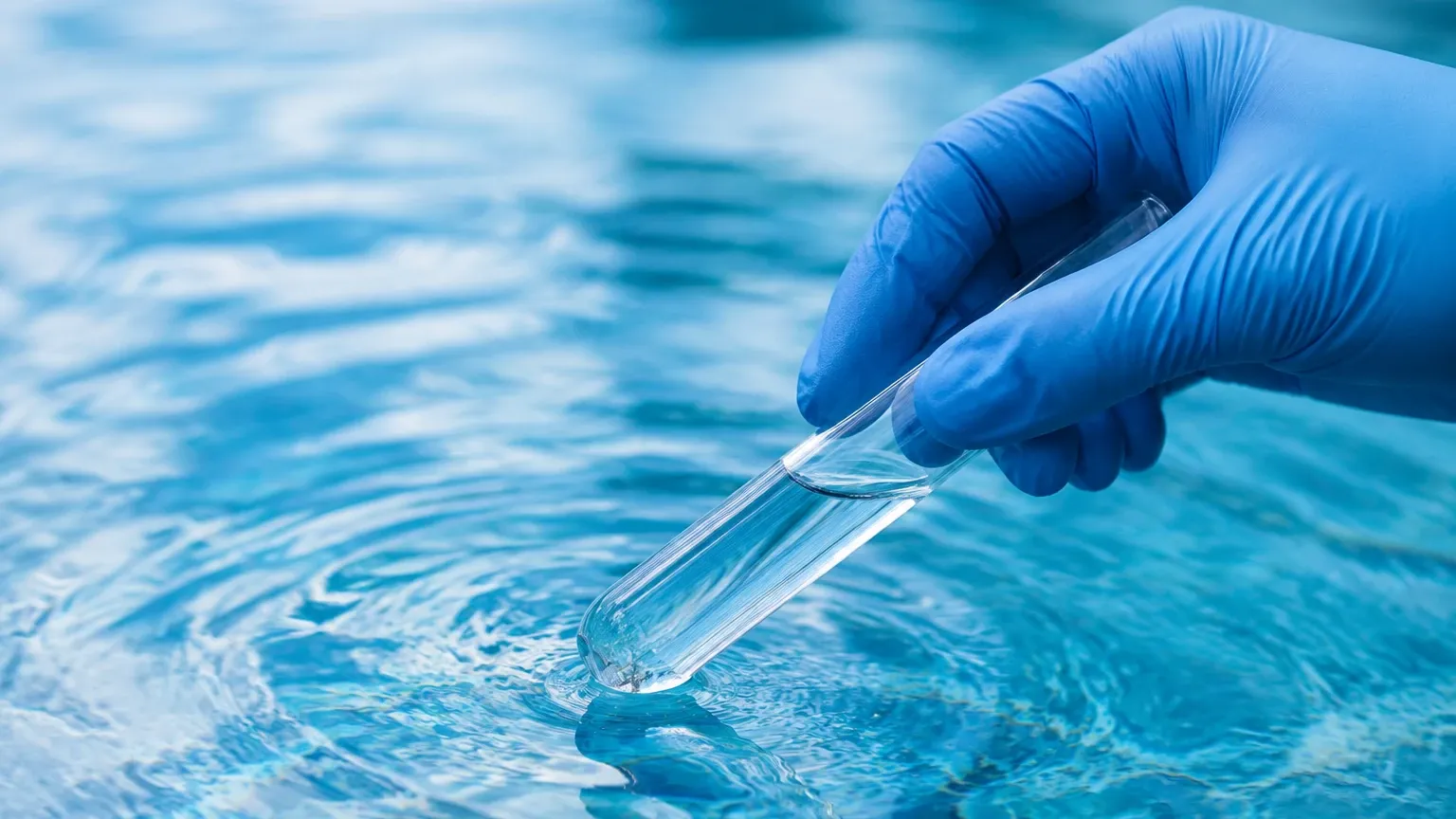
Chlorine sensors are not "set and forget" devices. They require regular calibration against a laboratory-grade DPD test kit. Calibration should be performed:
* Upon initial installation.
* After replacing the membrane or electrolyte.
* Periodically (weekly or monthly) to account for sensor drift.
Maintenance Intervals
Membrane-covered amperometric sensors require the replacement of the electrolyte solution and the membrane cap every 3 to 6 months, depending on the water quality. If the water contains high levels of fats, oils, or greases (FOG), the membrane may foul more quickly, requiring more frequent intervention.
Comparison of Chlorine Sensing Technologies
| Feature | Amperometric (Membrane) | Amperometric (Bare) | Colorimetric (DPD) |
| :— | :— | :— | :— |
| Measurement Type | Continuous | Continuous | Batch (Intermittent) |
| Maintenance | Medium (Electrolyte/Membrane) | High (Electrode cleaning) | High (Reagents) |
| pH Sensitivity | High (Requires compensation) | Very High | Low |
| Initial Cost | Moderate | Moderate | High |
| Operating Cost | Low | Low | High (Reagent costs) |
| Response Time | Fast (< 60 seconds) | Very Fast | Slow (Minutes) |
| Typical Application | Drinking water, Cooling water | Clean water, high pressure | Regulatory reporting, Wastewater |
Limitations and Common Risks
While chlorine sensors are highly effective, they are subject to specific industrial risks that can lead to measurement errors:
1. Air Bubbles: In membrane-based sensors, air bubbles can become trapped against the membrane, blocking the chlorine from reaching the cathode and causing artificially low readings.
2. Interfering Oxidants: Chlorine sensors are often cross-sensitive to other oxidants like ozone, bromine, or chlorine dioxide. If these chemicals are used in the same process, specialized sensors must be selected.
3. Coating and Fouling: In wastewater applications, biological growth or mineral scaling can coat the sensor. Using a sensor with an integrated cleaning system or a bypass line with a filter can mitigate this risk.
4. Zero-Point Drift: Over time, the sensor's baseline (zero) may drift. It is important to check the zero point using chlorine-free water during major maintenance cycles.
Frequently Asked Questions (FAQs)
Q: Can I use a free chlorine sensor to measure total chlorine?
A: No. A free chlorine sensor is specifically designed to react with HOCl and OCl-. It will not detect chloramines (combined chlorine) accurately. You must use a total chlorine sensor, which typically uses a different electrolyte and membrane designed to facilitate the reaction of chloramines.
Q: How does water pressure affect the sensor?
A: For membrane-covered sensors, excessive pressure or pressure spikes can stretch or rupture the membrane, leading to sensor failure. Most sensors are rated for a maximum of 1 bar (14.5 psi). If your process pressure is higher, you must use a pressure-reducing valve in the bypass line.
Q: Why is my chlorine sensor reading zero when I know there is chlorine in the water?
A: The most common causes are a lack of flow (amperometric sensors require movement), a depleted electrolyte, a fouled membrane, or an air bubble trapped on the sensing surface. Verify the flow rate first, then inspect the membrane.
Q: Is pH compensation always necessary?
A: If your process pH fluctuates by more than 0.2 units and stays above pH 7.2, pH compensation is highly recommended for accurate free chlorine measurement. Below pH 7.0, the impact of pH on the HOCl/OCl- ratio is minimal, and compensation may not be required.
Q: How do chlorine sensors work with level meters in a system?
A: The level meter (such as a Welk ultrasonic or radar meter) ensures the storage tank has sufficient chemical volume, while the chlorine sensor ensures the dosing pump is delivering the correct concentration. They work together in a control loop to maintain process stability. Detailed integration guides for level instruments can be found on the Main Page.
By following these engineering guidelines and selecting sensors based on the specific chemical and physical properties of the application, operators can ensure reliable disinfection and efficient chemical usage across all industrial water processes.