Coking Ovens
Coking Ovens
In the heavy industrial landscape, coking ovens represent one of the most demanding environments for process instrumentation. As a critical component in the production of metallurgical coke—a primary fuel and reducing agent for blast furnaces—coking ovens operate under extreme thermal, chemical, and mechanical stress. Precise level measurement within the coking plant is not merely a matter of inventory management; it is fundamental to operational safety, process efficiency, and environmental compliance.
This guide explores the technical requirements for level measurement in and around coking ovens, detailing the principles of operation for various sensing technologies and providing practical engineering guidance for their selection and installation.
Measurement Principles for Harsh Environments
Before selecting an instrument for a coking plant application, it is essential to understand how different measurement principles interact with the environment. Coking processes involve high temperatures, heavy dust, corrosive gases, and varying material densities.
Radar Level Measurement (FMCW)
Frequency Modulated Continuous Wave (FMCW) radar is the preferred technology for many coking applications. The instrument emits a continuous signal with a constantly changing frequency. The difference between the emitted frequency and the reflected frequency from the material surface is proportional to the distance.
Because radar uses electromagnetic waves, it is largely unaffected by the high temperatures, pressure fluctuations, or heavy dust clouds common in coal bunkers and charging areas. High-frequency radar (such as 80GHz) allows for a narrow beam angle, which is critical for avoiding internal obstructions like structural beams or heating elements in narrow silos.
Ultrasonic Level Measurement
Ultrasonic sensors operate on the Time-of-Flight (ToF) principle, emitting mechanical sound waves that reflect off the material surface. While cost-effective, ultrasonic technology is sensitive to the medium through which the sound travels. In coking ovens, where air temperature gradients are steep and dust concentration is high, the speed of sound can fluctuate, leading to inaccuracies. Consequently, ultrasonic sensors are typically reserved for water treatment or ambient-temperature storage areas within the plant rather than the ovens themselves.
Magnetic and Hydrostatic Principles
For liquid byproducts such as coal tar or ammonia liquor, magnetic level gauges and hydrostatic transmitters are frequently used.
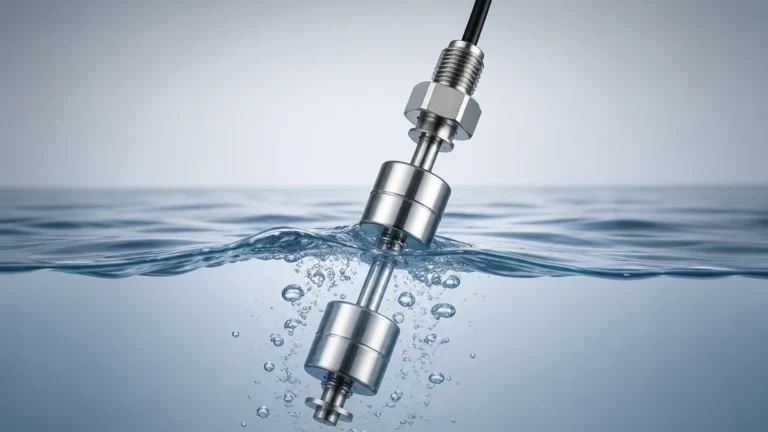
* Magnetic Level Gauges: Utilize a float containing a magnet that moves with the liquid level, actuating an external visual indicator or transmitter. This provides a clear, mechanical backup to electronic systems.
* Hydrostatic Transmitters: Measure the pressure exerted by the liquid column. Since pressure is directly proportional to the height of the liquid (based on density), these sensors provide reliable continuous measurement in vented or pressurized tanks.
Level Measurement Applications in Coking Plants
The production of coke involves several distinct stages, each requiring a specific approach to level monitoring.
Coal Preparation and Bunker Management
Before entering the coking ovens, coal is crushed, blended, and stored in large bunkers. Maintaining a consistent feed is vital for the oven's thermal balance. Radar level meters are used here to monitor the coal level in real-time. The primary challenge in this area is the high volume of dust generated during filling. Non-contact radar, equipped with a dusting shield or air purging system, ensures the signal penetrates the dust to reach the coal surface.
The Coking Process and Charging Cars
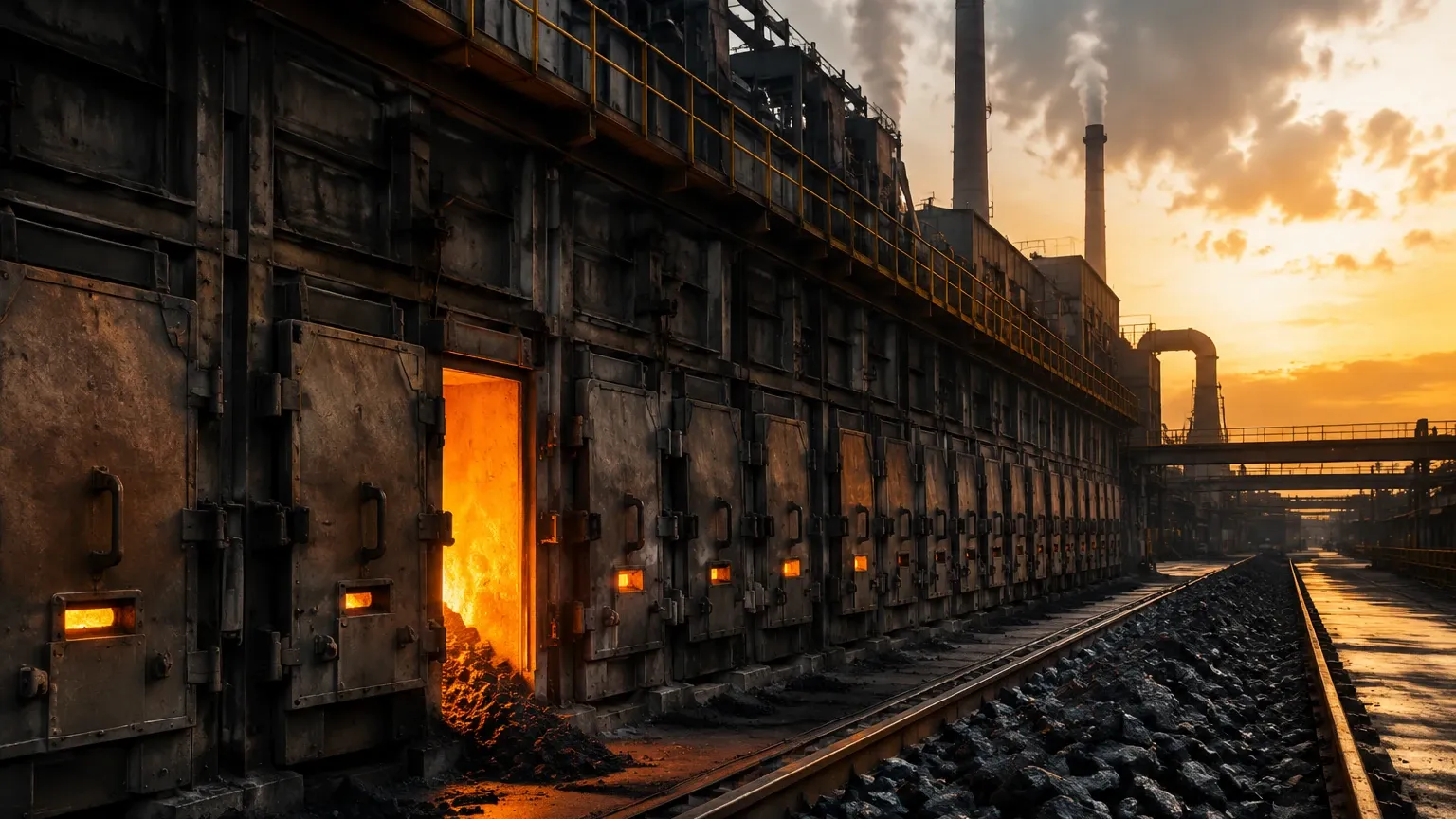
Coking ovens are narrow, tall chambers lined with refractory brick. Coal is "charged" into the oven from the top. Level switches are often employed on the charging cars to prevent overfilling, which could block the gas collection space at the top of the oven. Point level switches, such as vibrating probes or rotary paddles, must be constructed from high-temperature alloys to withstand the radiant heat when the charging lids are opened.
Quenching Towers
After the coking cycle (typically 12 to 20 hours), the red-hot coke is pushed out and transported to a quenching tower. Here, it is sprayed with water to stop the combustion. This creates a massive amount of steam and corrosive mist. Level sensors in the quenching water sumps must be highly resistant to corrosion. Hydrostatic level transmitters with chemical-resistant diaphragms are standard for this application.
Byproduct Recovery Plants
The gases released during coking are captured and processed to recover valuable materials like tar, phenol, and ammonia. These liquids are stored in tanks where level measurement is critical for preventing spills. Magnetic level gauges are often used here because they isolate the process fluid from the atmosphere, reducing the risk of hazardous leaks.
Selection Criteria for Coking Oven Level Instruments
Choosing the right instrument requires a balance between technical capability and cost-effectiveness. The following table provides a comparison of technologies based on common coking plant requirements.
| Application | Recommended Technology | Primary Benefit | Key Limitation |
| :— | :— | :— | :— |
| Coal Bunkers | 80GHz FMCW Radar | Penetrates heavy dust; narrow beam. | Requires air purging for antenna. |
| Tar Storage Tanks | Magnetic Level Gauge | Visual indication; no contact with electronics. | Limited to liquid applications. |
| Quench Water Sumps | Hydrostatic Transmitter | Robust in high humidity/steam. | Sensitive to changes in liquid density. |
| Ammonia Liquor | Radar or Ultrasonic | Non-contact measurement. | Ultrasonic may fail in high-vapor zones. |
| Charging Car Overfill | High-Temp Level Switch | Immediate point detection. | Subject to mechanical wear and heat. |
For engineers looking to integrate these technologies into a broader automation strategy, it is helpful to Review product options and application support to ensure the selected hardware meets the specific hazardous area certifications (such as ATEX or IECEx) required in coking environments.
Installation and Environmental Protection
In a coking plant, the installation method is often as important as the sensor itself. Even the most advanced radar meter will fail if it is not protected from the extreme conditions of the oven area.
1. Cooling and Insulation: For instruments mounted near the oven tops, where ambient temperatures can exceed 80°C (176°F), water-cooling jackets or vortex cooling systems are necessary to protect the internal electronics.
2. Air Purging: In coal bunkers and charging areas, fine dust can accumulate on the sensor face (the antenna or transducer). Continuous air purging creates a positive pressure barrier that keeps the sensing element clean.
3. Standoff Pipes: To further protect sensors from heat, they are often mounted on standoff pipes or nozzles. However, the engineer must ensure the pipe diameter and length do not interfere with the radar beam or ultrasonic pulse.
4. Vibration Dampening: Coking plants are high-vibration environments due to the movement of heavy machinery like the pusher car and charging car. Mounting brackets should include dampening materials to prevent fatigue failure of the instrument housing.
Limitations and Operational Risks
While modern instrumentation is highly reliable, certain limitations must be acknowledged.
* Signal Attenuation: In the byproduct plant, heavy foam on the surface of liquids can absorb radar and ultrasonic signals, leading to a "lost echo." In these cases, a guided wave radar (GWR) or a displacement-based sensor may be required.
* Material Buildup: Coal dust mixed with moisture can create a sticky residue. If this builds up on a contact-based level switch, it may cause a "false positive" reading. Non-contact methods are always preferred where buildup is a risk.
* Thermal Shock: Instruments in the quenching area are subject to rapid temperature swings. Materials used in the sensor construction must have low thermal expansion coefficients to prevent cracking.
Frequently Asked Questions (FAQ)
Q: Can radar level meters measure the coke level inside the oven during the carbonization process?
A: Generally, no. The internal temperature of a coking oven (often exceeding 1000°C) is far beyond the operating limits of standard industrial sensors. Level measurement is typically performed during the charging phase or in the storage bunkers before and after the oven.
Q: Why is 80GHz radar preferred over 26GHz radar for coal silos?
A: 80GHz radar has a much smaller wavelength, allowing for a more focused beam. This focus helps the signal avoid the walls of the silo and internal structural supports, which is common in the complex architecture of coking plants.
Q: How often do level sensors in a coking plant require maintenance?
A: This depends on the environment. Sensors in high-dust areas with air purging may only need a visual inspection every six months. However, sensors in the byproduct area or quenching sumps should be checked quarterly for corrosion or buildup.
Q: Are ultrasonic sensors suitable for ammonia liquor tanks?
A: Only if the tank is well-vented and the temperature is stable. Ammonia vapors can change the speed of sound, which affects ultrasonic accuracy. Radar is usually a more reliable choice for ammonia-rich environments.
Summary of Engineering Best Practices
Successful level measurement in coking ovens requires a holistic view of the process. Engineers should prioritize non-contact technologies like FMCW radar for solids and magnetic gauges for hazardous liquids. By accounting for the extreme temperatures and dust through proper installation accessories—such as cooling jackets and purging systems—plants can achieve high levels of accuracy and long-term reliability. For a comprehensive overview of available technologies and detailed technical specifications, visiting the Main Page of a specialized manufacturer is the recommended next step for procurement and system design.