Dam Monitoring Systems
Dam Monitoring Systems
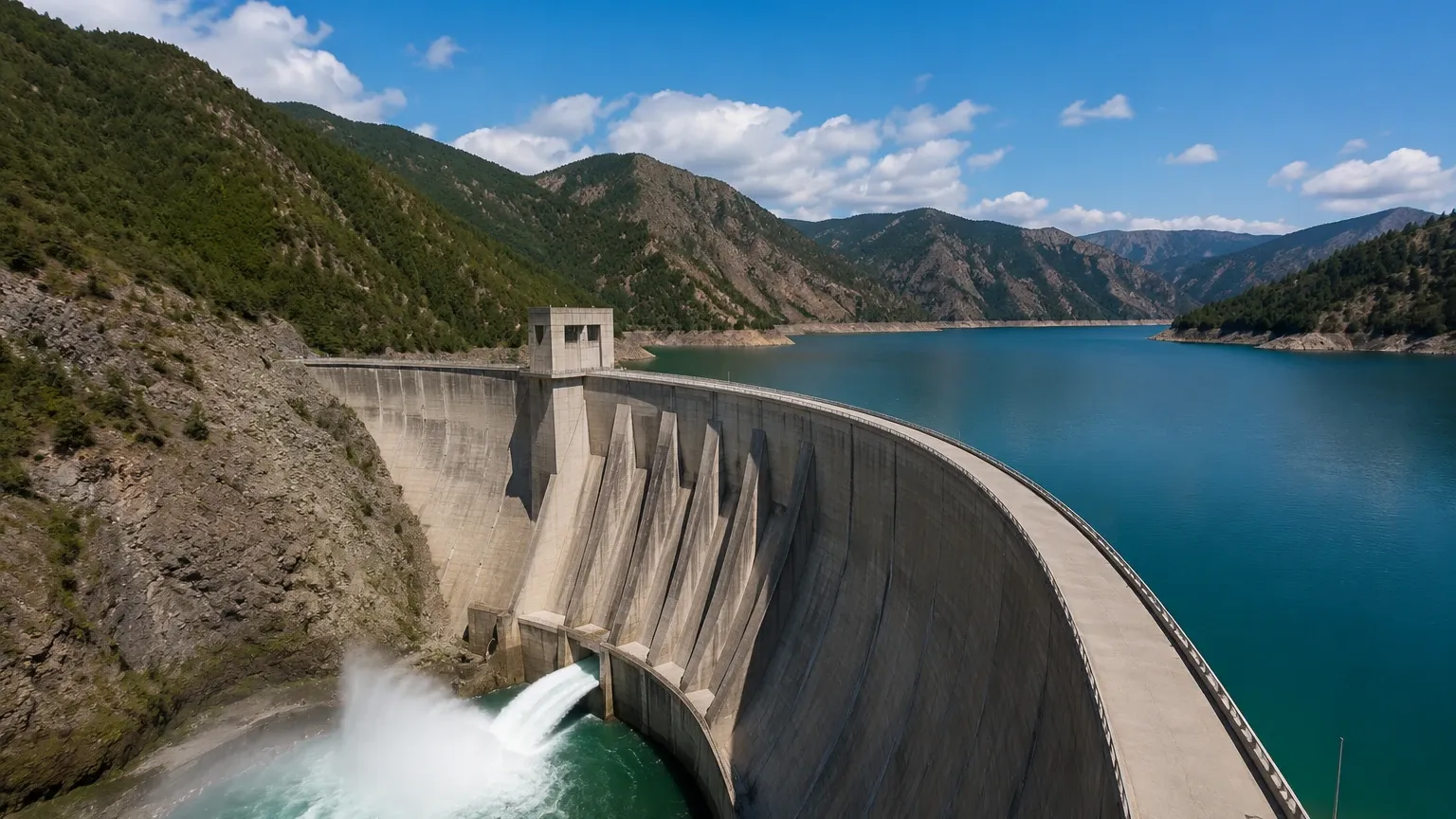
Dam monitoring systems are integral to the structural integrity and operational safety of large-scale water storage and hydroelectric facilities. These systems provide the critical data required to manage water resources, predict potential failures, and ensure the safety of downstream populations. At the heart of these systems lies precise level measurement, which tracks reservoir elevation, tailwater levels, and seepage rates. For engineers and project managers, selecting the appropriate technology requires a deep understanding of measurement principles, environmental constraints, and the long-term reliability of the instruments involved.
Core Measurement Principles for Dam Monitoring
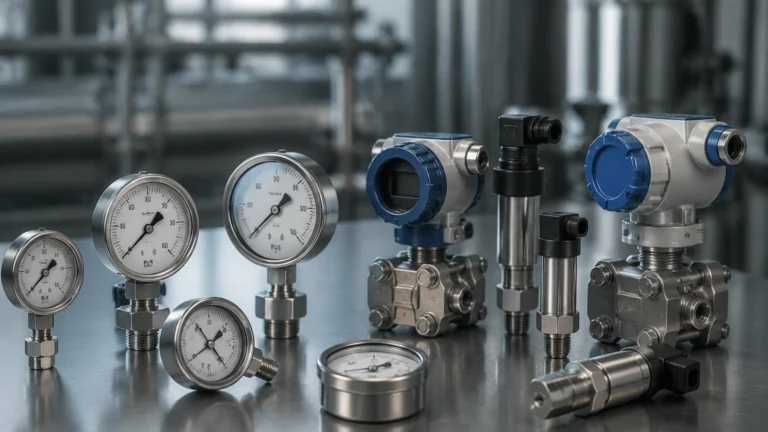
Before implementing a comprehensive dam monitoring system, it is essential to understand the physical principles governing the sensors used to track water levels. In dam environments, three primary technologies are most prevalent: Radar, Ultrasonic, and Hydrostatic measurement.
1. Radar Level Measurement (Non-Contact)
Radar level meters operate on the principle of Time of Flight (ToF) or Frequency Modulated Continuous Wave (FMCW). The sensor emits a high-frequency electromagnetic pulse (typically in the 26GHz or 80GHz range) toward the water surface. The pulse reflects off the surface and returns to the sensor. By calculating the time taken for the signal to return, the system determines the distance to the water level.
* Advantages: Radar is unaffected by air temperature fluctuations, wind, or vapor. It provides high precision (often within ±2mm) over long distances, making it ideal for high-head dams where the distance from the crest to the water surface can exceed 70 meters.
2. Ultrasonic Level Measurement (Non-Contact)
Ultrasonic sensors also use the ToF principle but employ sound waves instead of electromagnetic pulses. The sensor transmits an ultrasonic pulse that reflects off the water surface. Because the speed of sound is influenced by air temperature, these sensors must include integrated temperature compensation to maintain accuracy.
* Advantages: These are cost-effective solutions for monitoring smaller reservoirs, canals, or seepage weirs where the measurement range is typically under 15 to 20 meters.
3. Hydrostatic Level Measurement (Contact)
Hydrostatic transmitters measure the pressure exerted by the water column above the sensor. The principle follows the formula: $P = \rho \cdot g \cdot h$, where $P$ is pressure, $\rho$ is the density of the fluid, $g$ is gravity, and $h$ is the height of the liquid. A submersible pressure transducer is lowered to a fixed depth, and the pressure reading is converted into a level measurement.
* Advantages: This method is highly reliable for deep-well monitoring and is often used as a redundant check for non-contact sensors. It is unaffected by surface foam or floating debris.
The Architecture of Modern Dam Monitoring Systems
A robust dam monitoring system is more than just a collection of sensors; it is a networked infrastructure designed for continuous data acquisition and analysis. Modern systems typically consist of three layers:
1. Sensing Layer: This includes the level meters (Radar, Ultrasonic, or Hydrostatic), along with piezometers for pore pressure, inclinometers for structural movement, and flow meters for seepage monitoring.
2. Data Acquisition Layer: Remote Terminal Units (RTUs) or data loggers collect signals from the sensors. In remote dam locations, these units are often solar-powered and utilize wireless transmission (LoRaWAN, 4G/5G, or satellite) to send data to a central control room.
3. Analysis Layer: Software platforms process the raw data, applying historical trends and alarm thresholds. This allows operators to receive real-time alerts if water levels exceed critical safety limits or if seepage rates increase unexpectedly.
For those looking to integrate high-precision sensors into these architectures, it is helpful to Review product options and application support to ensure the selected hardware meets the specific environmental demands of the site.
Key Evaluation Criteria for Engineers
When designing or upgrading dam monitoring systems, engineers must evaluate several factors to ensure the longevity and accuracy of the installation.
* Measurement Range: Dams can have significant seasonal fluctuations. A sensor must be able to cover the entire range from the minimum operating level to the maximum probable flood (MPF) level.
* Environmental Durability: Sensors must withstand extreme weather, including high UV exposure, lightning strikes, and freezing temperatures. For hydrostatic sensors, the cable must be robust enough to resist abrasion and chemical degradation.
* Accuracy and Resolution: For reservoir management, a resolution of 1cm may be sufficient. However, for seepage monitoring at a weir, a resolution of 1mm or better is often required to detect subtle changes in dam performance.
* Power Consumption: In remote locations, low-power sensors are preferred to minimize the size and cost of solar power arrays.
Practical Selection Table for Dam Applications
| Application | Recommended Technology | Typical Range | Key Benefit |
| :— | :— | :— | :— |
| Main Reservoir | 80GHz Radar | 0–100m | High precision, unaffected by wind/waves |
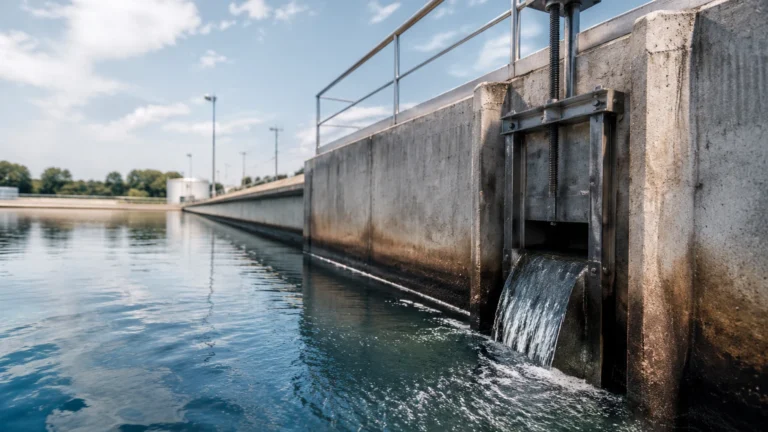
| Seepage Weir | Ultrasonic or Radar | 0–5m | Non-contact, high resolution for low flows |
| Stilling Well | Hydrostatic | 0–50m | Reliable in confined spaces, no line-of-sight needed |
| Tailwater Monitoring | Radar | 0–20m | Resistant to turbulence and debris |
| Groundwater/Borehole | Hydrostatic (Submersible) | 0–200m | Small diameter for narrow pipes |
Installation Considerations and Best Practices
Proper installation is as critical as the choice of sensor. Even the most advanced radar meter will provide poor data if incorrectly mounted.
1. Beam Angle and Obstructions: For radar and ultrasonic sensors, the "beam angle" determines the footprint of the signal. Engineers must ensure that the signal path is clear of structural beams, ladders, or pipes. If obstructions are unavoidable, sensors with advanced "false echo suppression" software should be used.
2. Stilling Wells: In reservoirs with significant wave action or turbulence, installing the sensor inside a stilling well (a vertical pipe with small inlet holes) can stabilize the water surface and provide a more consistent reading.
3. Lightning Protection: Dams are often the highest points in a landscape and are prone to lightning strikes. All monitoring equipment should be properly grounded, and surge protection devices (SPDs) should be installed on signal lines.
4. Vented Cables for Hydrostatic Sensors: To ensure accuracy, hydrostatic sensors must compensate for changes in atmospheric pressure. This is typically achieved through a small vent tube within the sensor cable. It is vital to keep this vent tube dry using desiccant filters.
Limitations and Common Risks
While modern dam monitoring systems are highly reliable, they are not without limitations.
* Surface Conditions: Extreme foam on the water surface can absorb ultrasonic signals, leading to "loss of echo." Radar is generally more resistant to this but can still be affected by very thick, dry foam.
* Sedimentation: In hydrostatic applications, the build-up of silt or sediment around the sensor diaphragm can lead to inaccurate pressure readings. Regular cleaning or positioning the sensor above the expected silt line is necessary.
* Data Gaps: Reliability issues in the communication network can lead to data gaps during critical events (like heavy storms). Redundant communication paths and local data logging at the sensor site are recommended.
Frequently Asked Questions (FAQs)
Q: Why is radar preferred over ultrasonic for large dam reservoirs?
A: Radar is preferred because it is unaffected by air temperature gradients and wind. Over long distances (e.g., 50 meters), the speed of sound can vary significantly across different air layers, leading to errors in ultrasonic measurements that radar avoids entirely.
Q: How often should dam level sensors be calibrated?
A: Most professional-grade sensors maintain calibration for several years. However, a manual reference check (using a weighted tape or staff gauge) should be performed quarterly, with a full system validation every 12 to 24 months.
Q: Can these sensors be used for ice-covered reservoirs?
A: Yes, but with caveats. Radar will measure the top surface of the ice. If the goal is to measure the liquid water level beneath the ice, a hydrostatic sensor submerged below the freeze line is required.
Q: What is the impact of heavy rain on radar level meters?
A: High-frequency radar (80GHz) is designed to filter out interference from rain. While extremely heavy downpours can slightly attenuate the signal, modern signal processing ensures the meter continues to track the water surface accurately.
Conclusion
Effective dam monitoring systems are the backbone of modern water management and safety protocols. By selecting the right measurement technology—whether it be the high-precision non-contact capabilities of radar or the rugged reliability of hydrostatic transmitters—engineers can ensure that their facilities operate within safe parameters. For detailed technical specifications and to find the right instrumentation for your project, you can visit the Main Page of our industrial measurement catalog. Proper planning, from understanding measurement principles to executing a precise installation, remains the most effective way to mitigate risk and ensure the longevity of critical dam infrastructure.