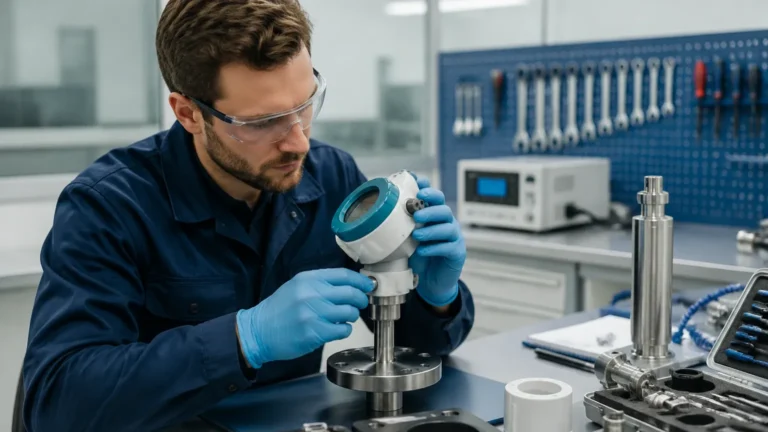
Decarbonization Technology
Decarbonization Technology
The global industrial landscape is undergoing a fundamental shift as enterprises strive to meet net-zero emissions targets. Decarbonization technology encompasses a broad range of innovations designed to reduce, capture, or eliminate carbon dioxide (CO2) and other greenhouse gas emissions from industrial processes. While high-level discussions often focus on renewable energy sources, the practical implementation of decarbonization requires precise instrumentation to ensure efficiency, safety, and regulatory compliance. Accurate level measurement is a critical component in this transition, serving as the backbone for carbon capture, hydrogen production, and advanced waste-to-energy systems.
In the context of industrial automation, decarbonization technology relies on the ability to monitor and control fluids and solids with extreme precision. Whether managing the liquid CO2 captured from a flue gas stream or monitoring the electrolyte levels in a high-pressure hydrogen electrolyzer, the choice of level measurement technology directly impacts the carbon intensity of the operation.
Core Measurement Principles in Decarbonization Processes
Before selecting specific instruments for decarbonization applications, it is essential to understand the underlying physical principles that govern level measurement. Industrial level sensors generally fall into two categories: continuous measurement and point level detection.
Radar Level Measurement (ToF)
Radar level meters operate on the Time-of-Flight (ToF) principle. High-frequency microwave pulses are emitted from the antenna, reflected off the material surface, and received back by the sensor. The distance is calculated based on the time interval between emission and reception. In decarbonization technology—specifically carbon capture and storage (CCS)—non-contact radar is preferred because it can handle the high pressures and varying dielectric constants of liquefied CO2 without physical contact with the medium.
Ultrasonic Level Sensing
Ultrasonic sensors emit acoustic waves that bounce off the surface of the medium. These are highly effective for water treatment and atmospheric storage tanks. However, their use in certain decarbonization processes is limited by gas composition and pressure changes, as the speed of sound varies with the medium's density and temperature.
Hydrostatic Pressure Measurement
This principle relies on the relationship between the height of a liquid column and the pressure it exerts at the base of a tank. By measuring the head pressure and accounting for the specific gravity of the fluid, the level can be determined. This is a robust method for large-scale storage of biofuels or chemical reagents used in carbon scrubbing.
Magnetic Level Gauges
For high-pressure and hazardous environments common in green hydrogen production, magnetic level gauges provide a clear visual indication combined with electronic transmission. A float containing a magnet moves with the liquid level, actuating flags or a transmitter outside the pressure chamber. This provides a physical fail-safe that is vital for safety-critical decarbonization infrastructure.
Key Applications of Decarbonization Technology
Decarbonization is not a single process but a collection of technologies integrated into existing and new industrial frameworks. Level measurement plays a specialized role in each.
Carbon Capture and Storage (CCS)
CCS involves capturing CO2 from industrial sources, transporting it, and injecting it into deep geological formations. Throughout this chain, CO2 is often kept in a supercritical or refrigerated liquid state. Level meters must withstand temperatures as low as -50°C (-58°F) and pressures exceeding 20 bar (290 psi). Radar technology is frequently employed here due to its reliability in high-pressure gas phases.
Green Hydrogen Production
Electrolysis, the process of using renewable electricity to split water into hydrogen and oxygen, is a pillar of decarbonization technology. Maintaining the correct level of electrolyte (typically a potassium hydroxide solution) in the electrolyzer stack is critical. If levels drop too low, the electrodes can be damaged; if they are too high, liquid can carry over into the gas stream. Level switches and continuous transmitters with high chemical resistance are mandatory.
Bioenergy and Waste-to-Value
Converting organic waste into biogas or liquid biofuels reduces reliance on fossil fuels. Digesters and fermentation tanks require level monitoring to optimize throughput and prevent foam-over events. Because these environments often produce methane and CO2, instrumentation must be explosion-proof and capable of ignoring surface foam.
Practical Selection Table for Decarbonization Applications
Choosing the right instrument requires balancing accuracy, process conditions, and cost. The following table provides a general guideline for selecting level measurement technology within various decarbonization sectors.
| Application | Recommended Technology | Key Benefit | Typical Pressure/Temp |
| :— | :— | :— | :— |
| CO2 Liquefaction | Guided Wave Radar | Immune to vapor space changes | Up to 40 bar / -50°C |
| H2 Electrolyzers | Magnetic Level Gauge | Visual safety + electronic output | Up to 30 bar / 90°C |
| Biogas Digesters | Non-contact Radar | Handles turbulence and foam | Atmospheric / 40°C |
| Chemical Scrubbers | Hydrostatic Transmitter | Cost-effective for large tanks | Atmospheric / Variable |
| Water Treatment | Ultrasonic Sensor | Low maintenance, non-contact | Atmospheric / Ambient |
For engineers seeking specific technical specifications and model comparisons for these applications, it is advisable to Review product options and application support to ensure the selected hardware meets local regulatory standards for carbon accounting.
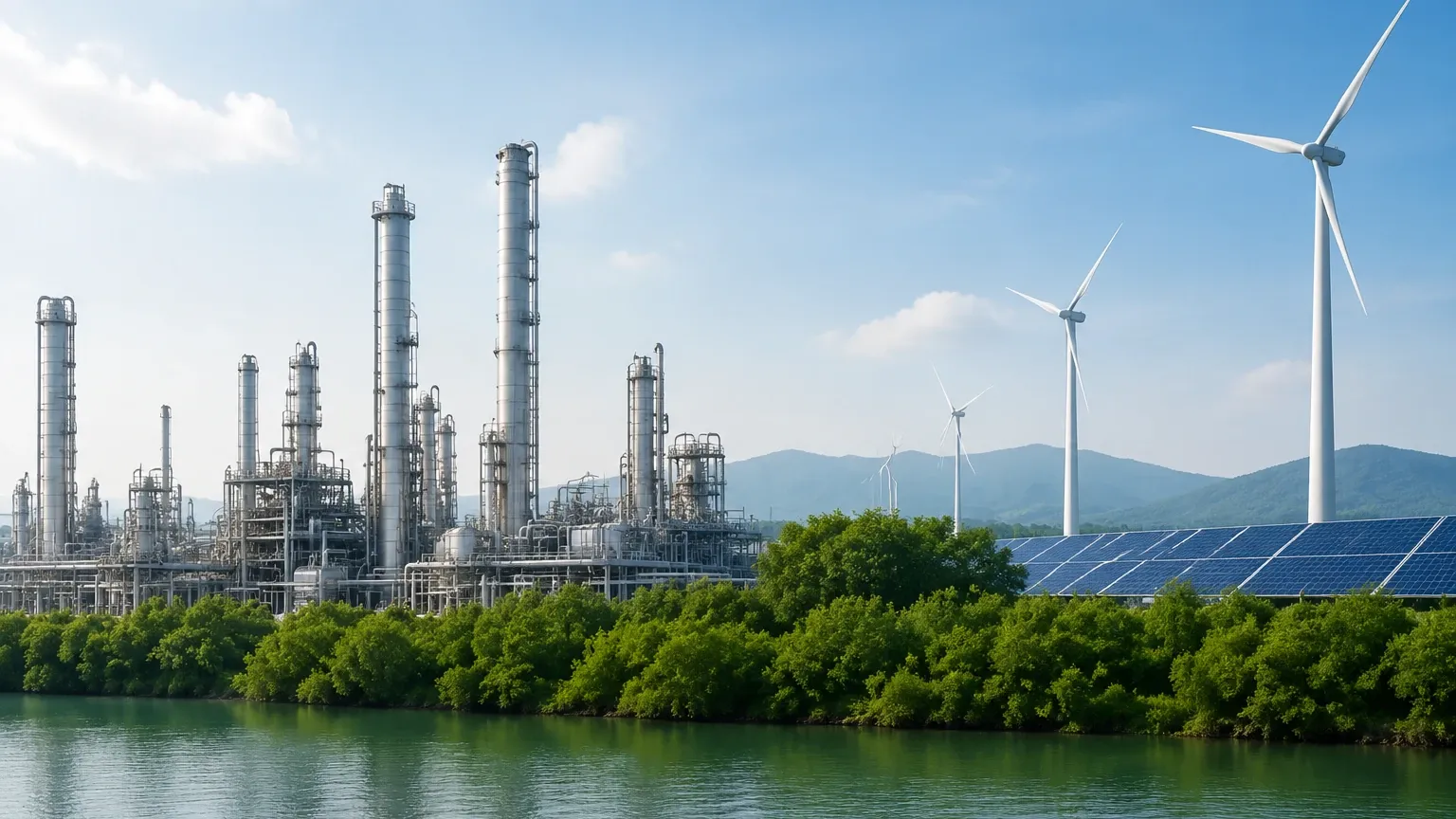
Installation and Engineering Considerations
The success of decarbonization technology often hinges on the small details of field installation. Inaccurate readings can lead to process inefficiencies that increase the carbon footprint rather than reducing it.
1. Nozzle Geometry: For radar and ultrasonic sensors, the internal diameter and height of the mounting nozzle can cause signal interference. Ensure the beam angle does not intersect with nozzle walls or internal tank structures like ladders and agitators.
2. Vapor Space Compensation: In high-pressure CO2 or hydrogen storage, the gas density in the "empty" space of the tank can change the speed of the measurement signal. High-end radar units include software algorithms to compensate for these gas phase effects.
3. Material Compatibility: Decarbonization processes often involve corrosive chemicals (e.g., amines for carbon scrubbing or KOH for electrolysis). Wetted parts must be constructed from 316L stainless steel, PTFE, or Hastelloy to prevent premature failure.
4. Grounding and Shielding: Green energy sites often have significant electrical noise from power inverters and electrolyzer rectifiers. Proper shielding of signal cables is essential to prevent data fluctuations.
Limitations and Operational Risks
While modern instrumentation is highly advanced, there are inherent limitations to consider when implementing decarbonization technology:
* Foam Interference: In fermentation or chemical scrubbing, heavy foam can absorb ultrasonic and radar signals. In these cases, guided wave radar (GWR) or differential pressure (DP) transmitters may be more reliable.
* Extreme Cryogenics: In liquid hydrogen storage (-253°C), standard electronic sensors fail. Specialized capacitive probes or high-vacuum jacketed hydrostatic systems are required.
* Build-up and Scaling: Processes involving wastewater or mineral carbonation can lead to material build-up on the sensor face. Non-contact sensors are preferred, but they may still require periodic cleaning or air purging to maintain accuracy.
Frequently Asked Questions (FAQ)
How does accurate level measurement contribute to decarbonization?
Accurate measurement prevents overfilling (reducing waste), optimizes chemical dosing in scrubbers (reducing energy used for chemical production), and ensures the efficiency of heat exchangers in CCS systems. Every percentage gain in process efficiency translates to a direct reduction in the energy required per unit of carbon captured or fuel produced.
Can I use standard industrial level meters for hydrogen applications?
Only if they meet specific safety and material requirements. Hydrogen is a very small molecule that can cause embrittlement in certain metals. Furthermore, hydrogen has a wide flammability range, meaning all electronic instruments must have appropriate ATEX, IECEx, or UL explosion-proof certifications.
What is the best technology for monitoring liquid CO2?
Non-contact radar or guided wave radar are generally considered the gold standard for liquid CO2. They are unaffected by the high pressure and provide the high precision (often ±2 mm or better) required for custody transfer and carbon credit verification.
Is maintenance different for sensors used in "green" industries?
While the physical maintenance is similar, the stakes are higher. In many decarbonization frameworks, data continuity is required for regulatory reporting. This means that redundancy (using two different technologies for the same tank) and self-diagnostic capabilities in the sensors are becoming industry standards.
How do I handle measurement in tanks with heavy agitation?
Agitation is common in biofuel reactors. In these environments, guided wave radar with a bypass pipe or a stilling well is recommended to protect the probe and provide a calm surface for measurement. Alternatively, high-frequency non-contact radar with advanced signal processing can filter out the "noise" created by the agitator blades.
By integrating advanced level measurement into the broader framework of decarbonization technology, industrial operators can move beyond theoretical targets and achieve measurable, verifiable reductions in carbon output. For more detailed technical guidance on integrating these sensors into your specific process, visit the Main Page for comprehensive documentation and engineering support.