Electricification
Electricification
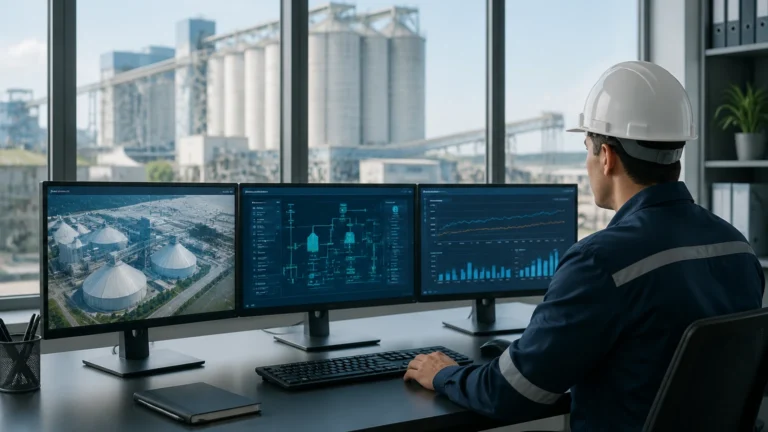
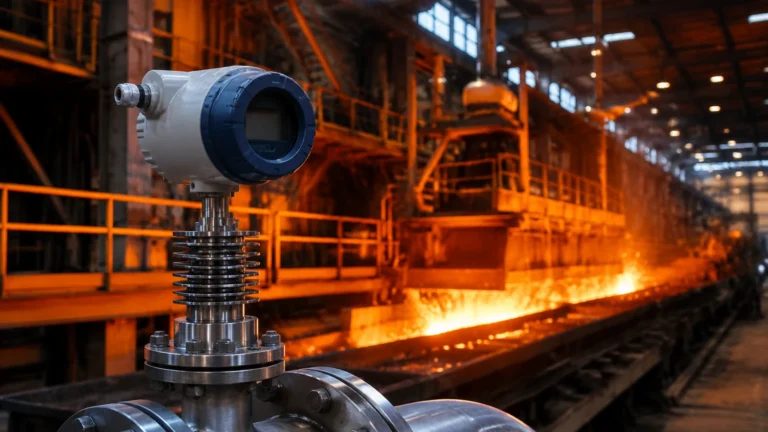
In the context of modern industrial automation, electricification represents the comprehensive transition from mechanical and manual monitoring systems to integrated electronic sensing and control. For process industries, this shift is most visible in level measurement technology. Where operators once relied on sight glasses or manual dip-tapes, today’s facilities utilize sophisticated electronic transmitters that provide real-time data to centralized control systems. This evolution is not merely about replacing a gauge; it is about the integration of precision sensors into a digital ecosystem that enhances safety, accuracy, and operational efficiency.
Welk, as a professional manufacturer of industrial level measurement instruments, provides the hardware necessary to facilitate this transition. By understanding the principles of electronic level sensing, engineers can better implement electricification strategies across water treatment, chemical processing, and oil and gas applications.
Principles of Electronic Level Measurement
Before selecting a device for an electrified system, it is essential to understand the physics governing different measurement technologies. Electronic level sensors generally fall into two categories: non-contact and contact-based measurement.
Radar Level Measurement (ToF)
Radar level meters utilize the Time-of-Flight (ToF) principle. The sensor emits high-frequency electromagnetic waves (typically in the 26GHz or 80GHz range) toward the material surface. These waves reflect off the media and return to the sensor. The device calculates the distance based on the time interval between emission and reception. Because electromagnetic waves travel at the speed of light, this method is highly accurate and unaffected by changes in air temperature, pressure, or vacuum conditions.
Ultrasonic Level Sensing
Similar to radar, ultrasonic sensors use the ToF principle but employ sound waves instead of electromagnetic pulses. The transducer emits an ultrasonic pulse that bounces off the liquid or solid surface. The time taken for the echo to return is proportional to the distance. However, because sound speed is influenced by air temperature and density, these sensors often include integrated temperature compensation to maintain accuracy.
Hydrostatic Pressure Measurement
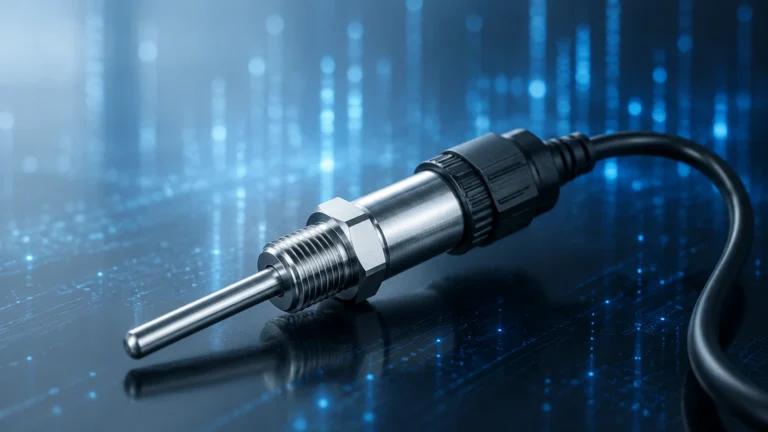
Hydrostatic transmitters measure the pressure exerted by a liquid column. Based on the principle that pressure at a specific depth is proportional to the height of the liquid ($P = \rho gh$), the sensor converts the mechanical pressure into an electrical signal (typically 4-20mA). This is a contact-based method where the sensor is either submerged or mounted to the bottom of a tank via a flange.
The Role of Electricification in Modern Process Control
The process of electricification in level measurement allows for the conversion of physical states into actionable data. This transition provides several critical advantages for industrial operators:
1. Continuous Monitoring: Unlike manual checks, electronic sensors provide a 24/7 data stream, allowing for the detection of rapid level changes or leaks that might otherwise go unnoticed.
2. Signal Integration: Modern transmitters support various communication protocols, including 4-20mA HART, Modbus RS485, and Profibus. This allows level data to be fed directly into a Programmable Logic Controller (PLC) or Distributed Control System (DCS).
3. Enhanced Safety: By automating level measurement, personnel are no longer required to climb tanks or open hatches to check levels, significantly reducing the risk of exposure to hazardous chemicals or falls.
4. Remote Configuration: Many electronic level meters, such as those found on the Welk Main Page, allow for remote calibration and diagnostics via digital interfaces, reducing the need for on-site maintenance in difficult-to-reach areas.
Technology Selection Criteria
Choosing the right instrument for an electrified process requires an evaluation of the media properties and the environment. The following table provides a comparison of the most common technologies used in industrial electricification projects.
| Technology | Typical Accuracy | Max Range | Media Suitability | Environmental Sensitivity |
| :— | :— | :— | :— | :— |
| 80GHz Radar | ±1 mm (0.04") | Up to 120m (393 ft) | Liquids, Solids, Corrosives | Very Low (Immune to dust/vapor) |
| Ultrasonic | ±0.25% of Range | Up to 30m (98 ft) | Water, Wastewater, Slurries | Moderate (Affected by foam/wind) |
| Hydrostatic | ±0.1% to 0.5% | Up to 200m (656 ft) | Clean liquids, Oils | Low (Requires constant density) |
| Magnetic Gauge | ±5 mm (0.2") | Up to 6m (20 ft) | High-pressure liquids | Low (Mechanical with electronic output) |
Engineering Installation Considerations
Successful electricification of a level monitoring system depends heavily on correct installation. Even the most advanced sensor will fail if the physical and electrical environment is not properly prepared.
Electrical Wiring and Power Supply
Most industrial level transmitters operate on a 2-wire 24V DC loop. It is critical to ensure that the power supply is stable and free from significant voltage drops, especially in long-distance cable runs. For digital communication like Modbus, shielded twisted-pair cables should be used to prevent electromagnetic interference (EMI) from high-voltage motors or variable frequency drives (VFDs).
Mounting and Positioning
* Dead Zones: Every electronic sensor has a "dead zone" (blocking distance) near the sensor face where measurement is impossible. For an ultrasonic sensor, this might be 0.25m to 0.5m (10" to 20"). The sensor must be mounted high enough that the maximum liquid level never enters this zone.
* Obstructions: Radar and ultrasonic beams spread as they travel. Sensors must be installed away from tank walls, ladders, or agitators that could cause false reflections. A clear "viewing window" is essential for signal integrity.
* Submersible Anchoring: For hydrostatic sensors in deep wells or moving water, the sensor should be anchored or placed in a stilling well to prevent lateral movement, which can cause erratic pressure readings.

Limitations and Risk Mitigation
While electricification offers superior control, engineers must be aware of the limitations inherent in electronic sensing:
* Signal Interference: In environments with heavy steam, thick foam, or extreme turbulence, ultrasonic and some radar signals may be absorbed or scattered. In these cases, guided wave radar or hydrostatic transmitters are often preferred.
* Media Density Changes: Hydrostatic sensors rely on a constant liquid density. If the temperature of the liquid fluctuates significantly or if different fluids are mixed, the pressure-to-level calculation will become inaccurate unless compensated for in the control logic.
* Power Dependency: Electronic systems require power. In critical safety applications (e.g., overfill protection), it is standard practice to include a secondary mechanical backup or a fail-safe electronic switch that triggers an alarm if the main power loop is interrupted.
Frequently Asked Questions (FAQs)
Q: How does electricification improve the accuracy of inventory management?
A: Mechanical gauges often have inherent friction and lag. Electronic sensors, particularly high-frequency radar, provide millimeter-level precision and instant updates, allowing for more precise volume calculations in bulk storage tanks.
Q: Can electronic level meters be used in hazardous (Ex) zones?
A: Yes. Most professional-grade transmitters are available with Intrinsic Safety (Ex ia) or Flameproof (Ex d) certifications. These devices are designed to operate with limited energy or within rugged enclosures to prevent the ignition of flammable gases or dust.
Q: What is the maintenance requirement for an electrified level system?
A: Maintenance is generally lower than mechanical systems because there are fewer moving parts. However, sensors should be checked periodically for buildup on the transducer face. Many modern devices include self-diagnostic features that alert the operator if the signal strength is degrading.
Q: Is it possible to upgrade an old tank to an electronic system without welding?
A: Often, yes. Many sensors can be mounted via existing threaded ports or flanges. Ultrasonic and radar sensors can sometimes even measure through plastic tank walls (non-metallic), requiring no penetration of the vessel at all.
Conclusion
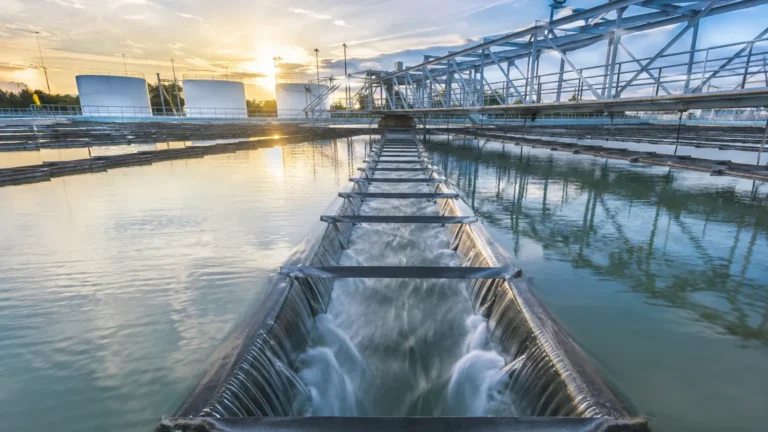
The move toward electricification in level measurement is a fundamental step for any facility aiming for higher automation standards. By replacing manual processes with reliable electronic transmitters, industries gain better data, improved safety, and long-term cost savings. Whether implementing radar for precision chemical tanks or hydrostatic sensors for water reservoirs, the key to success lies in matching the measurement principle to the specific application requirements. For a comprehensive overview of available technologies and technical specifications, engineers should consult the product documentation available on the Welk Main Page.