Electricity Transition
Electricity Transition
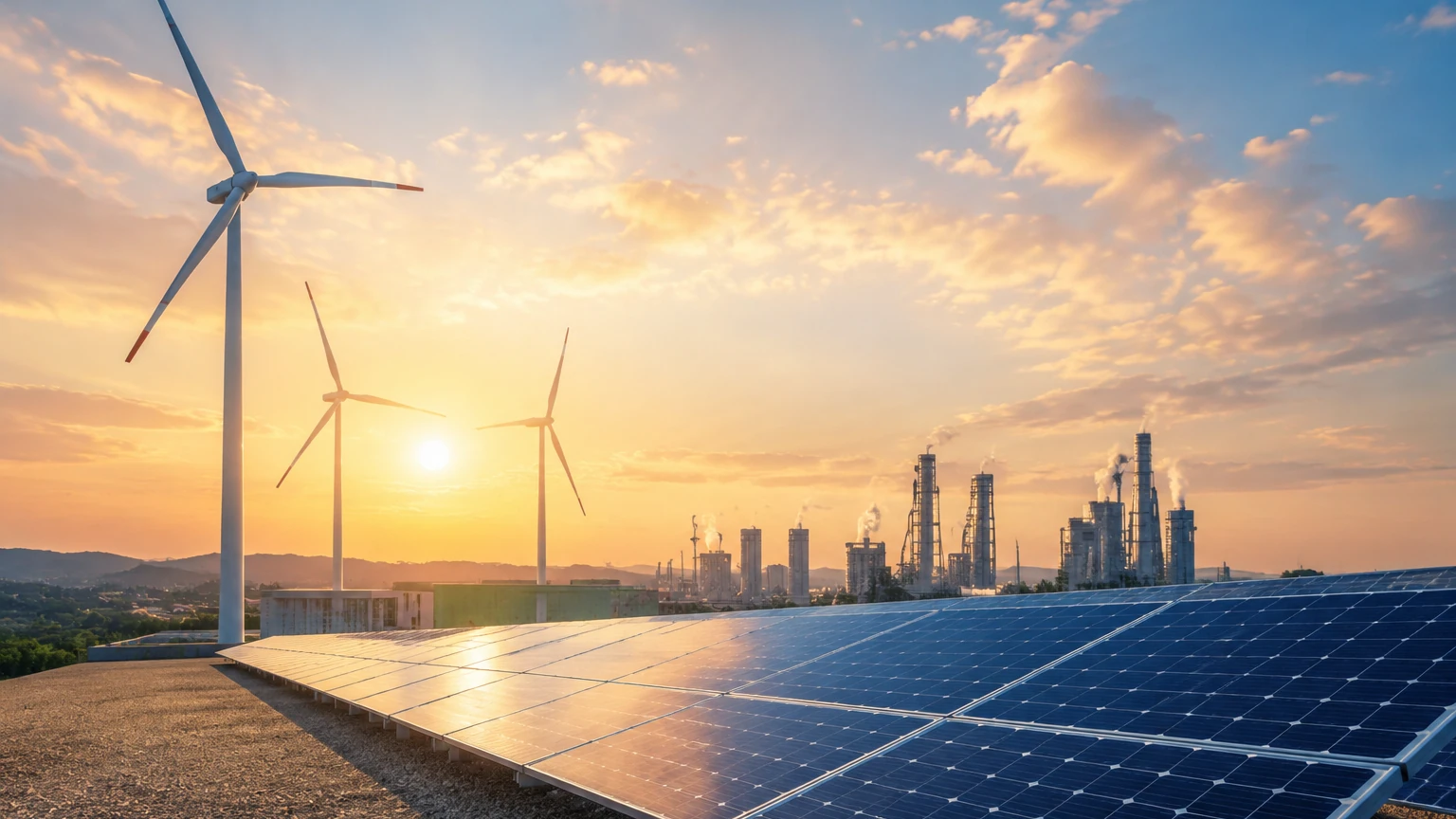
The global industrial landscape is currently undergoing a fundamental electricity transition. This shift involves moving away from centralized, fossil-fuel-based power generation toward decentralized renewable energy, advanced energy storage systems, and the electrification of thermal processes. For process engineers and plant managers, this transition necessitates a re-evaluation of instrumentation. Accurate level measurement is no longer just a requirement for inventory; it is a critical component in the safety and efficiency of the new infrastructure supporting the electricity transition.
From the production of lithium-ion batteries to the management of green hydrogen electrolyzers and pumped hydro storage, the demand for precise, reliable level sensors has increased. High-performance instrumentation ensures that these new energy systems operate within safe parameters while maximizing the yield of essential chemical components. To explore the full range of instrumentation supporting these shifts, professionals can consult the Main Page for detailed technical specifications.
Core Level Measurement Principles
Before selecting a sensor for applications within the electricity transition, it is essential to understand the underlying measurement principles. Different media and environmental conditions require specific physical approaches to ensure data integrity.
Radar Level Measurement (FMCW and TDR)
Radar technology is the gold standard for many transition-related processes. It operates on the principle of electromagnetic wave propagation.
* Non-Contact Radar (FMCW): Frequency Modulated Continuous Wave radar emits a high-frequency signal (typically 26GHz or 80GHz). The instrument measures the frequency difference between the emitted and received signal to calculate the distance. This is ideal for corrosive chemicals used in battery production because the sensor does not touch the medium.
* Guided Wave Radar (TDR): Time Domain Reflectometry involves sending a low-energy microwave pulse down a probe. When the pulse hits the medium, a portion is reflected back. This is highly effective for low-dielectric liquids or applications with heavy foam or turbulence.
Ultrasonic Level Measurement
Ultrasonic sensors utilize piezoelectric crystals to emit high-frequency sound pulses. The sensor measures the "time-of-flight"—the duration it takes for the pulse to travel to the surface and back. Because the speed of sound is affected by air temperature, these sensors usually include integrated temperature compensation. They are cost-effective solutions for water treatment and open-channel flow monitoring within renewable energy sites.
Hydrostatic Pressure Measurement
This principle relies on the relationship between the height of a liquid and the pressure it exerts at the base of a vessel (P = ρgh). A pressure transmitter at the bottom of a tank converts the liquid column's weight into a level reading. In the context of the electricity transition, hydrostatic sensors are frequently used in large-scale water reservoirs for pumped hydro storage due to their durability and ease of installation in deep-water environments.
Magnetic Level Gauges
Magnetic gauges use a float containing a permanent magnet that moves with the liquid level. This float interacts with an external indicator or a reed-chain transmitter. This provides a clear visual indication and a secondary electronic signal, making it a preferred choice for high-pressure hydrogen storage or hazardous chemical tanks where redundant power-free monitoring is required.
Key Applications in the Electricity Transition
The move toward a decarbonized economy introduces specific technical challenges that require specialized level measurement solutions.
1. Battery Chemical Processing
The production of lithium-ion batteries involves complex chemical sequences, including the extraction of lithium from brine and the processing of cobalt and nickel sulfates. These chemicals are often highly corrosive and require non-contact radar or specialized PTFE-coated ultrasonic sensors. Precise level control in mixing tanks is vital to maintain the correct stoichiometry of the battery precursors.
2. Green Hydrogen Production
Electrolyzers split water into hydrogen and oxygen using renewable electricity. Level sensors are required to monitor the water supply tanks and the separators where the gases are collected. Given the explosive nature of hydrogen, instruments must be explosion-proof (ATEX/IECEx certified). Radar level meters are often selected here for their high accuracy and lack of moving parts, reducing maintenance risks in hazardous zones.
3. Thermal and Pumped Hydro Storage
As the electricity transition progresses, long-duration energy storage becomes essential to balance intermittent solar and wind power. Pumped hydro remains the most common form of storage. Precise level monitoring of upper and lower reservoirs is necessary for calculating potential energy capacity and managing water flow. Similarly, in concentrated solar power (CSP) plants, hydrostatic or radar sensors monitor molten salt levels in high-temperature storage tanks.
Technical Selection Criteria
Choosing the right instrument requires a detailed analysis of the process conditions. The following table provides a general guide for selecting level measurement technology based on common transition-related application needs.
| Technology | Accuracy | Media Suitability | Max Temperature | Best Use Case |
| :— | :— | :— | :— | :— |
| 80GHz Radar | ±1mm | Liquids & Solids | Up to 250°C | Chemical reactors, small tanks |
| Ultrasonic | ±0.25% | Water/Wastewater | Up to 80°C | Open sumps, water treatment |
| Hydrostatic | ±0.1% | Clear Liquids | Up to 100°C | Deep reservoirs, fuel tanks |
| Guided Wave Radar | ±2mm | Low Dielectrics | Up to 400°C | High-pressure steam, oil/water interface |
| Magnetic Gauge | ±5mm | Hazardous Liquids | Up to 450°C | Boiler drums, hydrogen storage |
Installation and Engineering Considerations
Proper installation is as critical as sensor selection. Even the most advanced radar meter will fail if it is poorly positioned. Engineering teams should consider the following:
1. Dead Zones (Blocking Distance): Every sensor has a minimum distance it cannot measure (the area immediately below the sensor). Ensure the tank's maximum fill level does not enter this zone.
2. Nozzle Geometry: For radar and ultrasonic sensors, the mounting nozzle should be short and wide enough to prevent signal interference from the nozzle walls.
3. Internal Obstructions: Avoid mounting sensors directly above agitators, heating coils, or ladders. If obstructions are unavoidable, use instruments with "false echo suppression" software to filter out static reflections.
4. Turbulence and Foam: In tanks with heavy agitation, a stilling well or a bypass pipe can provide a calm surface for the sensor to measure, significantly increasing reliability.
Limitations and Operational Risks
While modern instrumentation is robust, there are physical limitations that must be acknowledged to prevent system failures during the electricity transition.
* Signal Attenuation: In ultrasonic systems, heavy dust or steam can absorb the sound wave, leading to signal loss. In such cases, radar is a superior alternative.
* Dielectric Constants: Radar signals rely on the dielectric constant (εr) of the material. Materials with very low εr (like certain oils or liquefied gases) reflect less energy. Guided wave radar or high-frequency non-contact radar is necessary to capture these weak reflections.
* Temperature Gradients: Rapid temperature changes can affect the speed of sound for ultrasonic sensors and may cause condensation on the sensor face, which can temporarily block the signal.
Frequently Asked Questions (FAQs)
Q: How does the electricity transition affect the choice between wired and wireless sensors?
A: As plants become more decentralized, wireless level sensors (using protocols like LoRaWAN or WirelessHART) are becoming more popular. They reduce the cost of cabling in large renewable energy installations, though wired sensors remain the standard for high-speed control loops.
Q: Can radar sensors measure level through a closed plastic tank?
A: Yes, non-contact radar can often "see through" plastic or fiberglass tank tops, allowing for measurement without cutting into the vessel. This is particularly useful for mobile chemical totes used in battery manufacturing.
Q: What maintenance is required for hydrostatic transmitters in outdoor reservoirs?
A: The primary maintenance involves checking the vent tube in the cable for blockages. If moisture enters the vent tube, it can cause drift in the pressure reading. Using high-quality cables with hydrophobic filters is recommended.
Q: Why is 80GHz radar preferred over 26GHz for the electricity transition?
A: 80GHz radar has a much narrower beam angle. This allows it to be used in smaller tanks with complex internal structures, which are common in modular electrolyzers and chemical processing units, without picking up interference from the tank walls.
For further technical assistance and to view specific product models tailored for industrial energy applications, visit the Main Page. Ensuring the right fit for your facility is a vital step in securing the long-term success of your infrastructure projects.