Ph Probes Types
Ph Probes Types
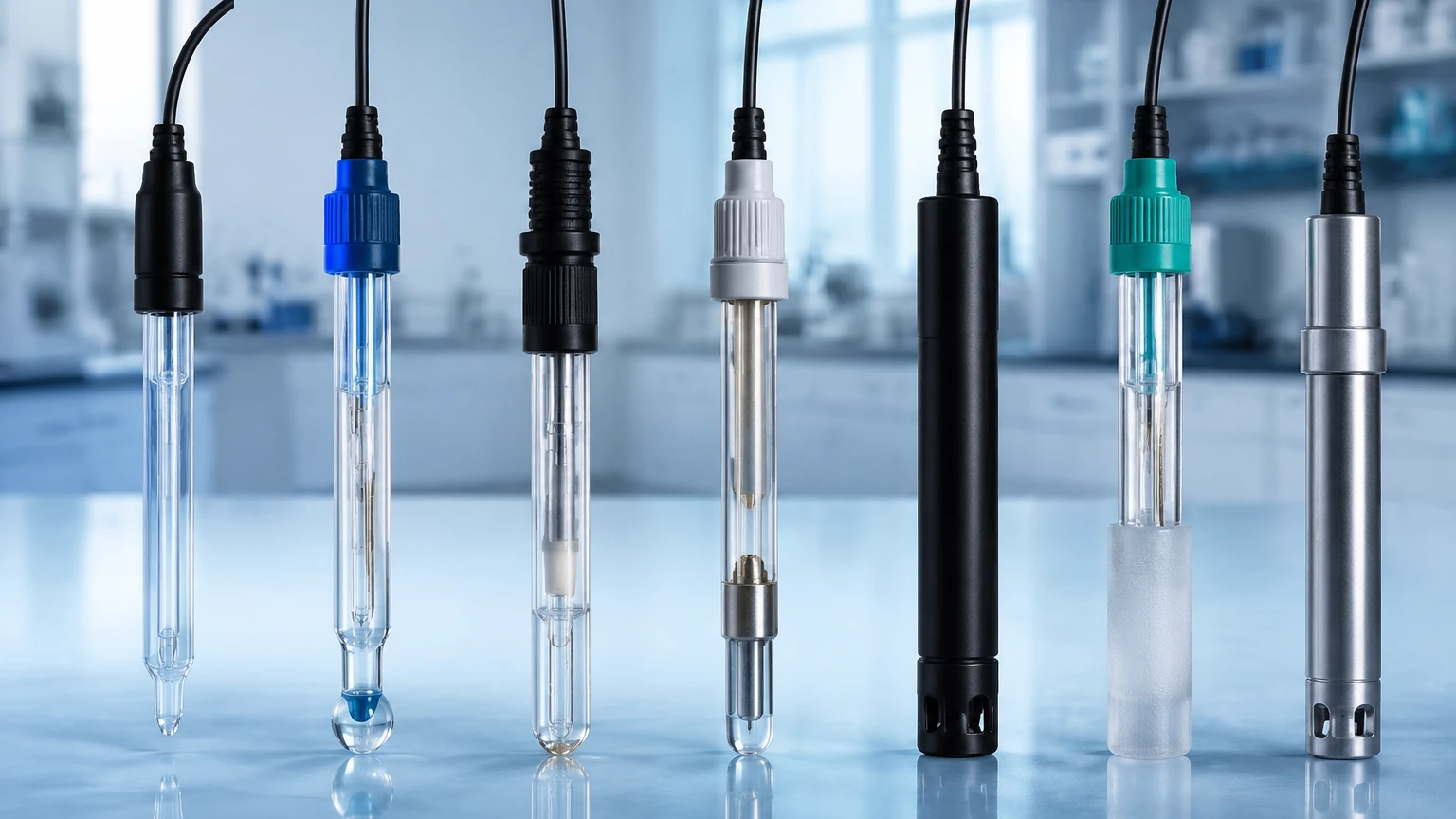
In the landscape of industrial process control, pH measurement stands as one of the most critical parameters for ensuring product quality, equipment longevity, and environmental compliance. Whether in water treatment facilities, chemical processing plants, or pulp and paper mills, selecting the correct instrumentation is vital. Understanding the various ph probes types available in the market allows engineers to match the sensor's physical and chemical characteristics to the specific demands of their application.
This guide explores the underlying principles of pH measurement, categorizes the different types of probes used in industrial settings, and provides a framework for selection and installation to ensure long-term reliability.
Understanding the Principles of pH Measurement
Before diving into the specific ph probes types, it is essential to understand how these sensors function. pH measurement is an electrochemical process that determines the activity of hydrogen ions in a solution. The most common method involves a potentiometric sensor consisting of two primary elements: a sensing electrode and a reference electrode.
The Sensing Electrode
The sensing electrode typically features a specially formulated glass membrane that is sensitive to hydrogen ions. When this glass membrane comes into contact with an aqueous solution, a hydrated gel layer forms on both the inner and outer surfaces. The exchange of hydrogen ions between the solution and this gel layer creates a potential difference. According to the Nernst equation, this potential is proportional to the pH value of the liquid.
The Reference Electrode
The reference electrode provides a stable, known electrical potential against which the sensing electrode's potential is measured. It must remain independent of the pH of the solution. This is achieved by using a reference internal element (usually Silver/Silver Chloride, Ag/AgCl) submerged in a concentrated electrolyte (typically Potassium Chloride, KCl). The electrolyte makes contact with the process liquid through a porous junction.
The Combination Probe
In modern industrial applications, most ph probes types are "combination probes," where both the sensing and reference electrodes are housed within a single body. This design simplifies installation and reduces the space required in tanks or pipelines. For advanced process monitoring, these probes often include an integrated temperature sensor (such as a PT100 or PT1000) to provide Automatic Temperature Compensation (ATC), as pH values are temperature-dependent.
Classification of pH Probes Types by Construction
pH probes are not "one size fits all." The construction materials and the design of the junction are the primary factors that differentiate one type from another.
1. Glass Body vs. Plastic Body Probes
* Glass Body Probes: These are the traditional choice for laboratory and high-precision industrial applications. Glass is chemically inert to most substances and can withstand high temperatures (up to 130°C or more). However, they are fragile and unsuitable for applications where glass breakage could contaminate the product, such as in food and beverage production.
* Plastic (Epoxy/Ryton/PVDF) Body Probes: These are much more durable and resistant to physical impact. Ryton (PPS) and PVDF are frequently used in industrial ph probes types because they offer excellent chemical resistance and can handle moderate pressures and temperatures (up to 100°C).
2. Junction Types
The junction is the point where the reference electrolyte meets the process liquid. It is often the "weak link" in a pH probe, as it can become clogged or poisoned.
* Ceramic Junctions: The most common type, consisting of a porous ceramic plug. It provides a steady leak rate of electrolyte but is prone to clogging in liquids with high suspended solids.
* Teflon (PTFE) Junctions: These feature a large annular ring of porous PTFE. They are highly resistant to fouling and are the preferred choice for wastewater or oily applications.
* Open Junctions: These use a solid polymer electrolyte that makes direct contact with the process. There is no physical porous plug to clog, making them ideal for slurries and very dirty water.
3. Single vs. Double Junction Probes
* Single Junction: The reference wire is in direct contact with the electrolyte that meets the process. These are cost-effective but susceptible to "poisoning" if ions from the process (like sulfides, cyanides, or heavy metals) react with the silver ions in the reference electrolyte.
* Double Junction: These include an additional internal chamber that acts as a buffer. This design significantly extends the life of the probe in harsh chemical environments by preventing contaminants from reaching the primary reference element.
Specialized pH Probes Types for Industrial Applications
Beyond standard construction, several specialized ph probes types cater to extreme or unique process conditions.
High-Temperature and Steam-Sterilizable Probes
In the pharmaceutical and biotech industries, probes must survive Steam-In-Place (SIP) or Autoclave cycles. These probes use specialized glass formulations and pressurized reference systems to prevent the electrolyte from boiling or the glass from degrading at temperatures reaching 140°C.
Flat Surface Probes
Unlike the traditional bulb-shaped glass electrode, flat surface probes have a recessed or flush-mounted sensing surface. This design uses the flow of the liquid to "self-clean" the membrane, making it highly effective for viscous fluids, paper pulp, or applications where abrasive particles might break a protruding glass bulb.
ISFET (Ion-Sensitive Field Effect Transistor) Probes
ISFET probes represent a non-glass alternative. They use a semiconductor chip to sense hydrogen ion activity. These are virtually unbreakable and can be stored dry, unlike glass probes which must stay hydrated. They are increasingly popular in the food industry where glass is strictly prohibited, though they can be more sensitive to electrical interference.
Low Conductivity Probes
Measuring pH in pure water (e.g., boiler feed water or deionized water) is notoriously difficult because the low ion concentration leads to unstable readings. Specialized low-conductivity ph probes types use a high flow rate of electrolyte and specialized glass to provide a stable electrical path.
Selection Matrix for Industrial Process Control
Choosing between different ph probes types requires a thorough analysis of the process environment. The following table provides a general guideline for selection based on common industrial criteria.
| Process Condition | Recommended Probe Feature | Reason |
| :— | :— | :— |
| General Water Treatment | Combination, Plastic Body, Ceramic Junction | Cost-effective and durable for neutral pH. |
| Wastewater / Oily Water | Teflon (PTFE) Junction, Double Junction | Prevents junction clogging and reference poisoning. |
| Chemical Processing (Strong Acids/Bases) | Glass Body, High-Alkali Glass Membrane | Resists chemical attack and reduces "sodium error." |
| Food & Beverage | ISFET or Plastic Body with Shatterproof Coating | Eliminates risk of glass contamination in the product. |
| Slurries / Pulp | Flat Surface, Open Junction | Minimizes fouling and physical damage from solids. |
| High Pressure (> 5 bar) | Pressurized Reference or Solid Electrolyte | Prevents process fluid from forcing its way into the probe. |
| Pure Water (< 20 µS/cm) | Refillable Liquid Electrolyte, Triple Junction | Ensures a stable electrical connection in low-ion media. |
Installation Guidelines for Accurate Monitoring
Even the most advanced ph probes types will fail to provide accurate data if installed incorrectly. Engineering teams should adhere to the following best practices:
1. Mounting Angle: pH probes should never be installed horizontally or upside down. They must be mounted at least 15° above the horizontal plane. This ensures that the internal filling solution stays in contact with the glass membrane and that any air bubbles inside the probe float to the top, away from the sensing tip.
2. Immersion Depth: The probe must be fully submerged in the liquid at all times. In tanks with fluctuating levels, the probe should be installed at the lowest possible point or in a bypass loop. For comprehensive industrial automation and instrumentation, including advanced level measurement systems that ensure probes remain submerged, visit the Main Page to explore integrated solutions.
3. Flow Velocity: While some flow is necessary to keep the probe membrane clean, excessive velocity can cause "streaming potentials" (noise) or physical erosion of the glass. In high-velocity pipes, a sample bypass or a protective shroud is recommended.
4. Cable Management: pH signals are high-impedance (very weak). Cables should be kept as short as possible and never run alongside high-voltage power lines, which can induce electrical noise and cause erratic readings.
Maintenance and Troubleshooting
Unlike level meters or flow meters, pH probes are consumable items. Their sensitivity decreases over time as the glass membrane ages and the reference electrolyte is depleted.
Calibration
Regular calibration using standard buffer solutions (typically pH 4.0, 7.0, and 10.0) is mandatory. The frequency depends on the harshness of the process; some applications require daily calibration, while others may only need it monthly. The two key metrics to track during calibration are:
* Slope: Indicates the efficiency of the glass membrane (should be 95-102%).
* Offset: Indicates the health of the reference electrode (should be within ±30mV at pH 7.0).
Cleaning Protocols
If a probe responds slowly or cannot be calibrated, it is often due to fouling.
* Protein deposits: Clean with Pepsin in HCl solution.
* Inorganic scale: Clean with 5-10% Hydrochloric acid.
* Oils and grease: Clean with a mild detergent or isopropyl alcohol.
Storage
Never store a pH probe in deionized or distilled water, as this will leach the ions out of the reference electrolyte and the glass membrane, permanently damaging the sensor. Probes should be stored in a specialized storage solution or a pH 4.0 buffer with added KCl.
Limitations of pH Probes
While various ph probes types solve many industrial challenges, there are inherent limitations to the technology:
* Life Expectancy: In harsh chemical environments or at high temperatures, a probe may only last 3 to 6 months. In clean water at ambient temperatures, they may last 1 to 2 years.
* Sodium Error: In very high pH environments (pH > 12) with high sodium concentrations, the probe may read lower than the actual pH because the glass membrane begins to respond to sodium ions instead of hydrogen ions.
* Dehydration: If a probe is left dry for extended periods, the hydrated gel layer on the glass membrane disappears. While it can often be "rehydrated" by soaking, the response time may never fully recover.
Frequently Asked Questions (FAQs)
Q: Can I use a laboratory pH probe in an industrial pipe?
A: It is not recommended. Laboratory probes lack the pressure resistance, chemical-resistant body materials, and robust junctions required to survive the mechanical stresses of a flowing industrial process.
Q: Why does my pH reading drift when the temperature changes?
A: This is due to two factors: the Nernstian response of the electrode changes with temperature, and the actual chemical equilibrium of the liquid changes. Automatic Temperature Compensation (ATC) corrects for the electrode's response, but it cannot change the fundamental chemistry of the liquid.
Q: How do I know when it is time to replace my pH probe?
A: When the slope falls below 90%, the offset exceeds ±60mV, or the response time becomes unacceptably slow (taking minutes to stabilize in a buffer), the probe has reached the end of its functional life.
Q: Are there pH probes that don't require calibration?
A: No. All potentiometric pH sensors require calibration because the reference potential and glass sensitivity change over time. However, some "smart" digital probes store calibration data on the sensor head, allowing for easier "plug-and-play" replacement in the field.
By carefully matching the ph probes types to the specific chemical and physical parameters of the application, and by following rigorous installation and maintenance schedules, industrial operators can achieve accurate and reliable pH monitoring, contributing to safer and more efficient process outcomes.