En Iso 15883 Conductivity Monitoring Final Rinse
En Iso 15883 Conductivity Monitoring Final Rinse
In the field of medical and laboratory sterilization, the validation of cleaning and disinfection processes is governed by rigorous international standards. EN ISO 15883 is the definitive standard for washer-disinfectors (WDs), specifying the requirements for the machines and their automated processes to ensure that medical devices are safe for reuse. A critical component of this standard is the verification of the final rinse stage. Monitoring the conductivity of the final rinse water is the primary method used to ensure that no chemical residues from detergents or disinfectants remain on the instruments, and that the water used does not introduce new contaminants.
The Role of EN ISO 15883 in Process Validation
EN ISO 15883 consists of several parts, with Part 1 covering general requirements and Part 2 focusing specifically on washer-disinfectors for surgical instruments. The standard mandates that the disinfection process must be reproducible and that every stage of the cycle must be monitored to confirm it meets predefined parameters.
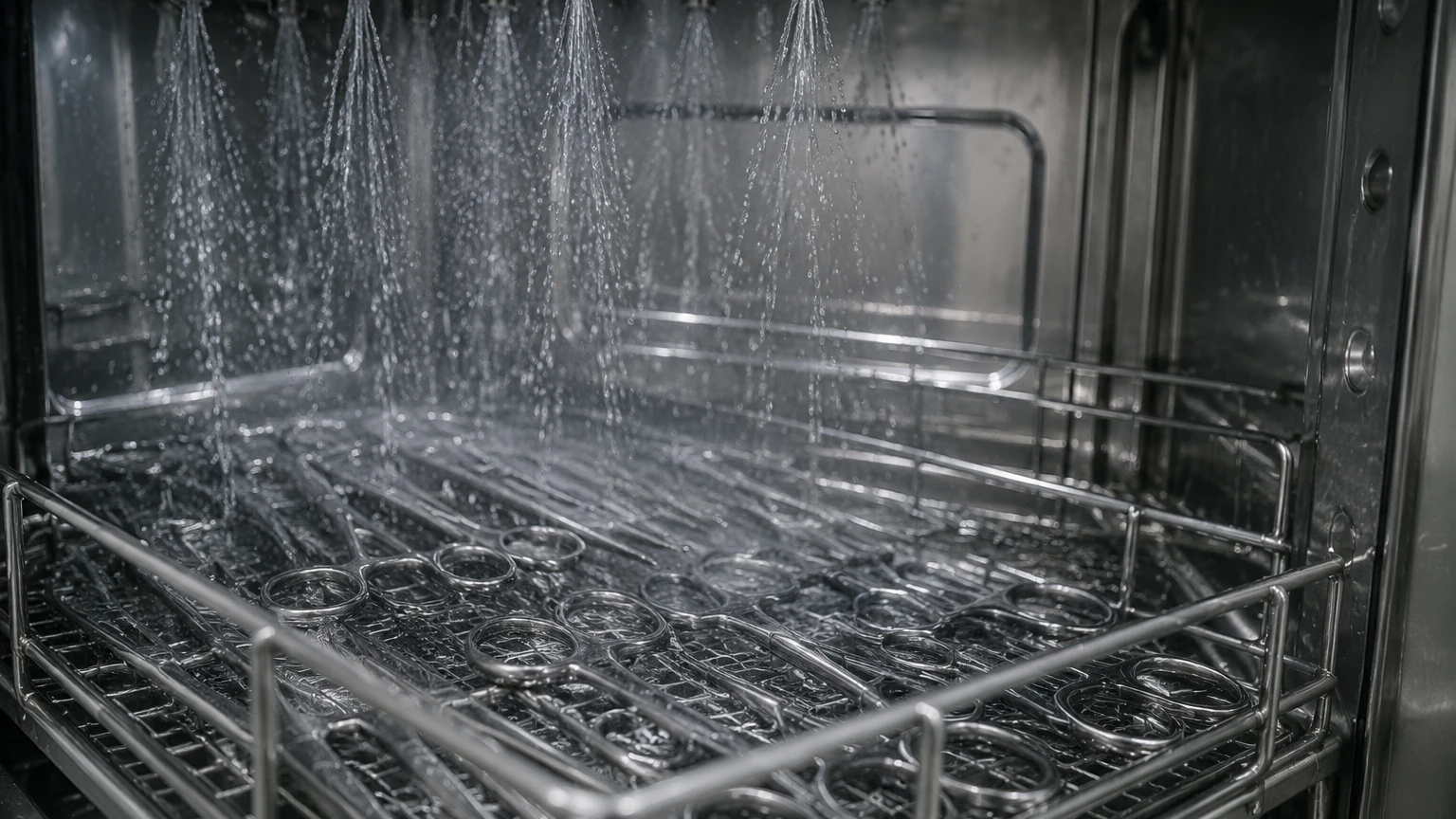
The final rinse is arguably the most sensitive stage of the cycle. After the cleaning and intermediate disinfection phases, the final rinse removes all traces of process chemicals. If these chemicals remain on the surface of an instrument, they can cause toxic reactions in patients or interfere with subsequent sterilization processes. EN ISO 15883 conductivity monitoring final rinse protocols provide a quantitative measure of water purity, ensuring the process remains within safe, validated limits.
Measurement Principles of Conductivity
Conductivity is a measure of a solution's ability to conduct an electrical current. In the context of water treatment and washer-disinfectors, this ability is directly proportional to the concentration of dissolved ionized solids (salts, acids, or bases). Pure water has very low conductivity, while water containing residual detergents or minerals has significantly higher conductivity.
Contacting Conductivity Sensors
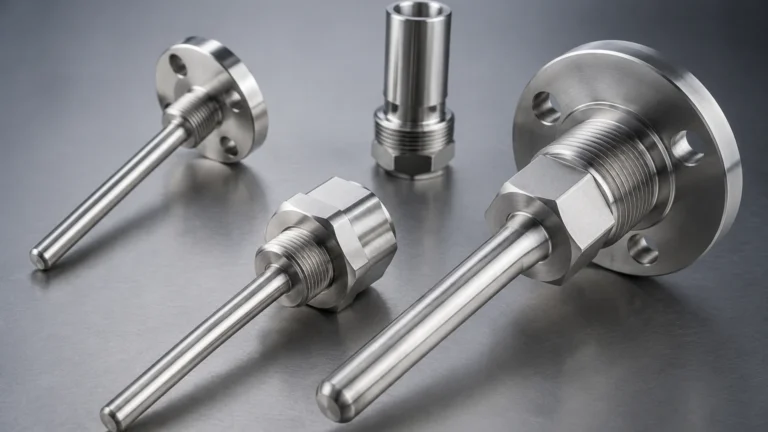
For the high-purity water required in the final rinse stage of a washer-disinfector, contacting conductivity sensors are typically employed. These sensors consist of two or more electrodes (usually made of stainless steel or titanium) placed in direct contact with the water. A known voltage is applied between the electrodes, and the resulting current is measured. The ratio of voltage to current, adjusted for the sensor's "cell constant" (the physical geometry of the electrodes), provides the conductivity value, usually expressed in microsiemens per centimeter (µS/cm).
Temperature Compensation
Conductivity is highly temperature-dependent; as the temperature of the water increases, the mobility of the ions increases, leading to a higher conductivity reading even if the concentration of impurities remains the same. To comply with EN ISO 15883, conductivity monitoring systems must include integrated temperature sensors (typically Pt100 or Pt1000 RTDs) to provide automatic temperature compensation, normalizing the reading to a reference temperature of 25°C.
Final Rinse Quality and Conductivity Limits
The quality of the water used in the final rinse is critical. Many facilities use Deionized (DI) water or Reverse Osmosis (RO) water to achieve the necessary purity. EN ISO 15883 suggests that the final rinse water should not contribute to the re-contamination of the load.
In practice, many health authorities and technical guidelines (such as HTM 01-01 in the UK or various AAMI standards) recommend that the conductivity of the final rinse water should be less than 30 µS/cm, and in many high-precision applications, it is kept below 5 µS/cm. If the conductivity monitoring system detects a spike during the final rinse, it indicates either a failure in the water purification system or inadequate removal of detergents from the previous cycle stages. In such cases, the washer-disinfector must trigger an alarm and fail the cycle to prevent the use of contaminated instruments.
Integration with Level Measurement and Automation
A complete industrial automation solution for washer-disinfectors requires more than just conductivity monitoring. To ensure the reliability of the entire fluid handling system, accurate level measurement is essential in the storage tanks for RO water and the dosing tanks for chemical additives.
Welk provides a range of industrial level measurement instruments that complement water quality monitoring systems. For instance, ultrasonic level sensors or hydrostatic level transmitters are frequently used to monitor the inventory of high-purity water tanks, ensuring that the washer-disinfector always has an adequate supply for the final rinse stage. For more information on integrating these sensors into your process, you can visit the Main Page to review product options and application support.
Technical Selection Criteria for Conductivity Sensors
When selecting a sensor for en iso 15883 conductivity monitoring final rinse applications, engineers must consider several technical factors to ensure long-term accuracy and compliance.
| Selection Factor | Requirement for Final Rinse | Reason |
| :— | :— | :— |
| Cell Constant (K) | Low (0.01 to 0.1 cm⁻¹) | Necessary for high accuracy in low-conductivity (pure) water. |
| Material | 316L Stainless Steel / PEEK | Must be biocompatible and resistant to high-temperature disinfection cycles. |
| Mounting | Tri-Clamp or Threaded | Needs to be hygienic and easy to remove for calibration. |
| Range | 0.055 µS/cm to 200 µS/cm | Covers the range from ultrapure water to the alarm limits. |
| Response Time | < 5 seconds | Rapid detection is required to stop the cycle if contamination occurs. |
Installation Considerations and Best Practices
Proper installation is vital to avoid false readings and ensure the conductivity monitoring system functions as intended by the EN ISO 15883 standard.
1. Eliminate Air Pockets: Conductivity sensors must be completely submerged in the process flow. Sensors should be installed in a vertical pipe with an upward flow or on the side of a horizontal pipe. Sensors should never be installed at the top of a pipe where air bubbles can collect, as air is non-conductive and will cause erroneously low readings.
2. Avoid Dead Legs: The sensor should be placed in the main flow path of the final rinse water. If placed in a "dead leg" (a stagnant area of piping), the sensor will measure old water that does not represent the current quality of the rinse being applied to the instruments.
3. Grounding: Electrical noise from pumps or motors can interfere with the small currents measured by conductivity sensors. Proper grounding of the sensor and the piping system is essential for stable readings.
4. Positioning Relative to Chemicals: The conductivity sensor should be located downstream of any mixing points but far enough away to ensure the water is homogeneous, yet upstream of the spray arms to catch contaminants before they reach the load.
Limitations and Common Risks
While conductivity monitoring is a robust method for verifying water purity, it has specific limitations that process engineers must manage:
* Non-Ionic Contaminants: Conductivity only measures ionized substances. It cannot detect non-ionic contaminants such as organic molecules, bacteria, or endotoxins. Therefore, conductivity monitoring must be part of a broader water quality management program that includes filtration and UV treatment.
* Electrode Fouling: Over time, minerals or biofilm can build up on the electrodes of a contacting sensor. This increases the resistance and leads to lower conductivity readings. Regular cleaning and validation are required.
* Polarization: At higher conductivities, a layer of ions can build up near the electrodes, creating a "polarization" effect that interferes with the measurement. This is why low cell constants and specific AC frequencies are used in the electronics of the transmitter to mitigate this risk in pure water applications.
Maintenance and Calibration Requirements
To maintain compliance with EN ISO 15883, the conductivity monitoring system must be calibrated regularly. This typically involves using a standard solution with a known conductivity or using a calibrated master meter in a comparison test.
Because the final rinse water is very pure, the sensor is susceptible to "drift" if the electrodes become contaminated. Annual or semi-annual calibration by a certified technician is standard practice in medical environments. Documentation of these calibrations is a core requirement of the facility's Quality Management System (QMS).
Frequently Asked Questions (FAQs)
Q: Why is conductivity used instead of pH for the final rinse?
A: Conductivity is a much more sensitive indicator of general chemical contamination than pH. While pH only measures the concentration of hydrogen ions, conductivity measures all dissolved ions, providing a broader assessment of water purity.
Q: Can I use an inductive (toroidal) sensor for the final rinse?
A: Generally, no. Inductive sensors are excellent for high-conductivity liquids like concentrated detergents because they don't have electrodes that can corrode. However, they lack the sensitivity required to accurately measure the very low conductivity levels (below 10 µS/cm) found in the final rinse stage.
Q: What happens if the conductivity exceeds the limit during a cycle?
A: According to EN ISO 15883, the washer-disinfector should be programmed to abort the cycle or trigger a "fault" condition. The load must then be re-processed, and the source of the high conductivity (e.g., failed RO membrane or blocked drain) must be investigated.
Q: Is temperature compensation mandatory?
A: Yes. Without temperature compensation, a change in water temperature of just 10°C could change the conductivity reading by approximately 20%, leading to false alarms or, worse, a failure to detect actual contamination.
By adhering to the principles of EN ISO 15883 conductivity monitoring final rinse protocols, healthcare facilities can ensure that their disinfection processes are both effective and safe. Combining high-quality conductivity sensors with reliable level measurement instrumentation ensures a comprehensive approach to process control and patient safety.
Download En Iso 15883 Conductivity Monitoring Final Rinse as a PDF