Endress Hauser Flowmeters
Endress Hauser Flowmeters
In the landscape of industrial process automation, precise fluid measurement is a cornerstone of operational efficiency, safety, and regulatory compliance. Endress Hauser flowmeters represent a significant segment of the global market, providing diverse technologies designed to measure the movement of liquids, gases, and steam. Understanding the engineering principles behind these instruments is essential for process engineers and procurement specialists who must select the right tool for specific industrial environments.
Selecting a flowmeter is not a one-size-fits-all process. It requires a deep dive into the physical properties of the media, the hydraulic conditions of the piping system, and the specific requirements of the application, such as custody transfer or simple process monitoring.
Understanding Flow Measurement Principles
Before evaluating specific models of endress hauser flowmeters, it is necessary to understand the physics that govern their operation. Different technologies exploit different physical phenomena to derive flow rates.
Coriolis Principle (Mass Flow)
Coriolis flowmeters measure mass flow directly. The instrument contains one or more vibrating tubes. When a fluid flows through these tubes, the Coriolis force causes a phase shift in the vibration. This shift is directly proportional to the mass flow rate. Because mass is not affected by changes in temperature or pressure, Coriolis meters are exceptionally accurate and are often used for high-value fluids and custody transfer.
Electromagnetic Principle (Magmeters)
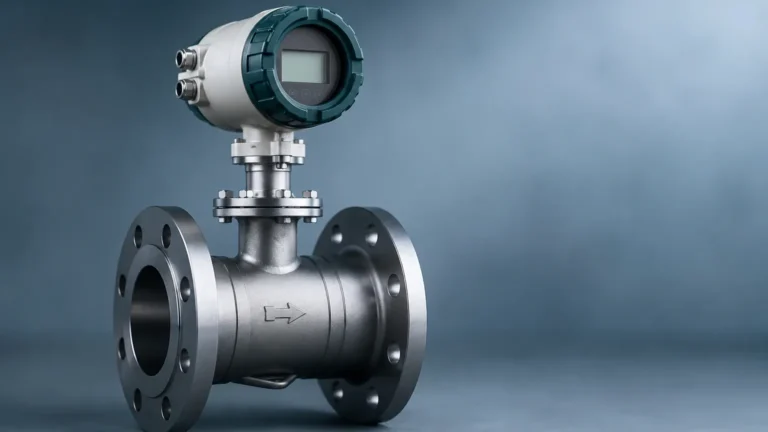
Based on Faraday’s Law of Induction, electromagnetic flowmeters are used for conductive liquids. As a conductive fluid moves through a magnetic field generated by the meter, it creates a voltage proportional to its velocity. This technology is ideal for water, wastewater, and corrosive chemicals, provided the medium has a minimum conductivity (usually > 5 μS/cm).
Ultrasonic Principle
Ultrasonic flowmeters typically use the "transit-time" method. Two sensors transmit and receive ultrasonic signals through the fluid. The time difference between the signal traveling with the flow and the signal traveling against the flow is used to calculate the velocity. This non-intrusive method is excellent for clean liquids and large pipe diameters.
Vortex Principle
Vortex flowmeters operate on the Karman vortex street principle. When a fluid encounters a bluff body (a shedder bar) in the flow stream, it creates alternating vortices. The frequency of these vortices is proportional to the flow velocity. This technology is robust and widely used for steam and gas measurement.
Thermal Principle
Thermal mass flowmeters measure the heat dissipation from a heated sensor placed in the flow stream. The rate of heat loss is proportional to the mass flow of the gas. These are primarily used for compressed air and gas monitoring where low-pressure drop is required.
Key Categories of Endress Hauser Flowmeters
The Proline series is the primary framework for endress hauser flowmeters, categorized by their transmitter capabilities and sensor types.
1. Promass (Coriolis): Designed for multi-variable measurement, providing mass flow, density, and temperature. They are used in chemical processing and oil and gas applications where high precision is paramount.
2. Promag (Electromagnetic): These range from basic water meters (Promag W) to high-temperature and high-pressure chemical versions (Promag P/H). They offer no pressure loss as there are no moving parts or obstructions in the pipe.
3. Prowirl (Vortex): Specifically engineered for steam applications, these meters often include integrated temperature and pressure compensation to provide accurate mass flow readings of saturated or superheated steam.
4. Prosonic (Ultrasonic): Available as both inline and clamp-on versions. Clamp-on models allow for measurement without cutting into the pipe, which is ideal for retrofitting or temporary audits.
5. Proline 10, 100, 300, 500: These designations refer to the transmitter's complexity. The Proline 10 is designed for basic applications with a focus on ease of use, while the Proline 500 offers advanced diagnostics, remote mounting, and extensive digital communication options like EtherNet/IP and PROFINET.
Technical Selection Criteria for Process Engineers
When specifying endress hauser flowmeters, engineers must confirm several parameters to ensure long-term reliability. The following table provides a general guide for technology selection based on fluid type and requirements.
| Technology | Fluid State | Accuracy (Typical) | Conductivity Required? | Pressure Loss | Best Use Case |
| :— | :— | :— | :— | :— | :— |
| Coriolis | Liquid, Gas | ±0.1% to 0.05% | No | Medium | Custody transfer, high precision |
| Electromagnetic | Conductive Liquid | ±0.2% to 0.5% | Yes | None | Water, slurries, acids |
| Vortex | Steam, Gas, Liquid | ±0.75% to 1.0% | No | Medium | Steam systems, gas flow |
| Ultrasonic | Clean Liquid | ±0.5% to 1.0% | No | None | Large pipes, non-intrusive |
| Thermal | Gas | ±1.0% to 5.0% | No | Very Low | Compressed air, nitrogen monitoring |
Key Evaluation Steps:
* Media Properties: Determine the viscosity, density, and corrosivity. For electromagnetic meters, verify the conductivity.
* Process Conditions: Define the minimum and maximum operating pressure (in bar) and temperature (in °C).
* Installation Constraints: Measure the available straight pipe length before and after the intended installation point.
* Communication Needs: Identify if the system requires 4-20mA HART, Modbus RS485, or Ethernet-based protocols.
Installation and Maintenance Best Practices
Even the most advanced endress hauser flowmeters will fail to provide accurate data if installed incorrectly. Proper hydraulic conditions are the most critical factor.
Inlet and Outlet Runs
Flowmeters require a stable flow profile. Turbulence caused by elbows, valves, or pumps can lead to significant errors. Generally, a minimum of 5 to 10 pipe diameters (DN) of straight pipe is required upstream, and 2 to 5 DN downstream. Some modern electromagnetic meters (like those with restricted tube designs) claim "0 DN" requirements, but standard practice still favors straight runs where possible.
Mounting Orientation
* For Liquids: The pipe must always be full. Vertical pipes with upward flow are preferred to ensure the sensor is submerged and to prevent air bubbles from being trapped.
* For Gases: The meter should ideally be placed in a horizontal run or a vertical run with downward flow to prevent condensate buildup.
* For Steam: Proper insulation and trapping are necessary to prevent "water hammer," which can damage vortex shedder bars.
Grounding
Electromagnetic flowmeters are sensitive to electrical noise. Proper grounding to the process fluid is essential. This is usually achieved through grounding rings or electrodes, especially in lined or plastic piping systems.
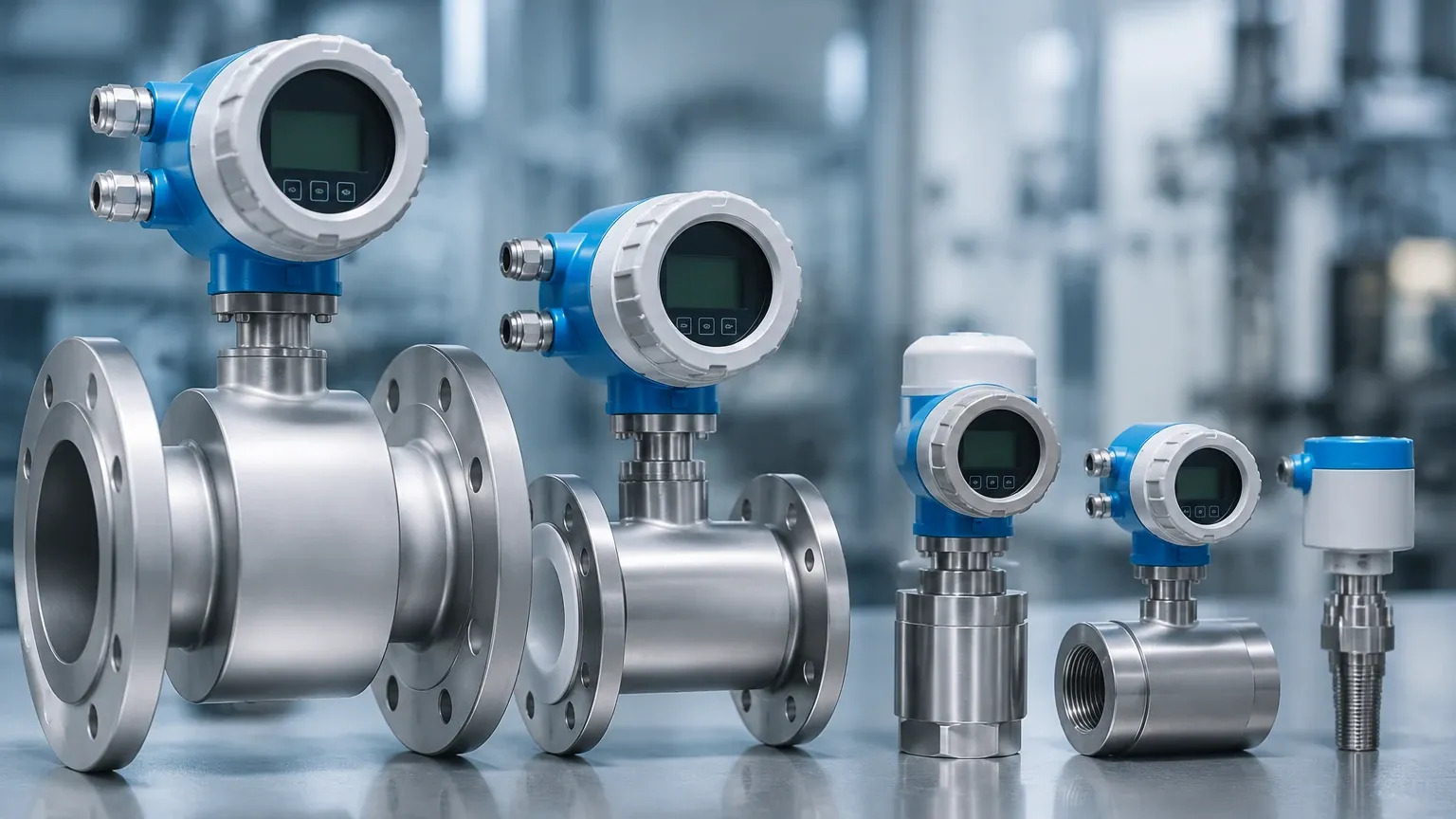
Synergies Between Flow and Level Measurement
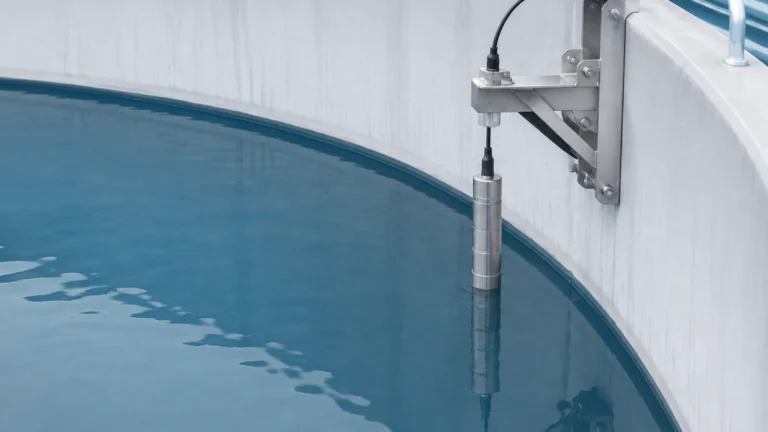
In industrial automation, flow measurement rarely exists in isolation. It is frequently paired with level measurement to provide a complete mass balance of a system. For instance, in a chemical storage tank, the flowmeter tracks the volume entering or leaving, while a level meter provides the absolute inventory check.
While endress hauser flowmeters handle the dynamic movement of fluids, reliable level measurement is equally critical for preventing overfills and ensuring process continuity. For engineers looking to round out their instrumentation suite, reviewing high-performance radar or ultrasonic level sensors from a specialized manufacturer like Welk can provide the necessary balance. You can Review product options and application support to see how modern level transmitters complement flow data in complex industrial environments.
Limitations and Common Operational Risks
While endress hauser flowmeters are highly engineered, they are subject to physical limitations and environmental risks:
1. Entrained Air: In liquid applications, air bubbles can cause significant measurement errors in both electromagnetic and ultrasonic meters. In Coriolis meters, excessive air can cause the tubes to stop vibrating (stalling).
2. Scaling and Coating: In wastewater or chemical applications, the buildup of material on the electrodes of a magmeter or the walls of a Coriolis tube can cause drift. Regular inspection or the use of meters with diagnostic capabilities (like Heartbeat Technology) is recommended.
3. Vibration: Vortex and Coriolis meters are sensitive to external mechanical vibrations. Installation near large pumps or vibrating machinery should be avoided without proper dampening.
4. Calibration Drift: Over time, mechanical wear (in vortex shedder bars) or electronic aging can cause drift. Annual or bi-annual calibration against a master meter or in a flow lab is standard B2B practice for ISO compliance.
Frequently Asked Questions (FAQ)
Q: Can a Coriolis flowmeter measure gas?
A: Yes, Coriolis meters can measure gas, but because gas has a much lower density than liquid, the accuracy may be lower, and the pressure drop across the meter will be higher. It is essential to size the meter specifically for gas velocities.
Q: What is the difference between a 2-wire and a 4-wire flowmeter?
A: A 2-wire flowmeter uses the same pair of wires for both power and the 4-20mA signal, which simplifies wiring but limits the power available for the transmitter. A 4-wire meter has separate power supply wires, allowing for more powerful electronics and backlit displays.
Q: How do I handle flow measurement in a pipe that is not always full?
A: Standard electromagnetic and ultrasonic meters will not work accurately in partially filled pipes. You must either create a "U" section in the pipe to ensure it remains full at the meter or use specialized area-velocity flowmeters designed for open channels or partially filled pipes.
Q: Are endress hauser flowmeters compatible with third-party PLC systems?
A: Yes. Most modern flowmeters support standard industrial protocols like HART, Modbus, and Profibus, making them compatible with major PLC brands such as Siemens, Rockwell Automation, and Schneider Electric.
Q: What maintenance is required for a vortex flowmeter?
A: Vortex meters have no moving parts, so they require very little maintenance. However, the shedder bar should be inspected periodically for erosion or debris buildup, especially in steam systems with poor water quality.
By following these technical guidelines and understanding the underlying physics, process professionals can effectively implement flow measurement solutions that enhance the reliability and safety of their industrial operations.