Water Sampler
Water Sampler
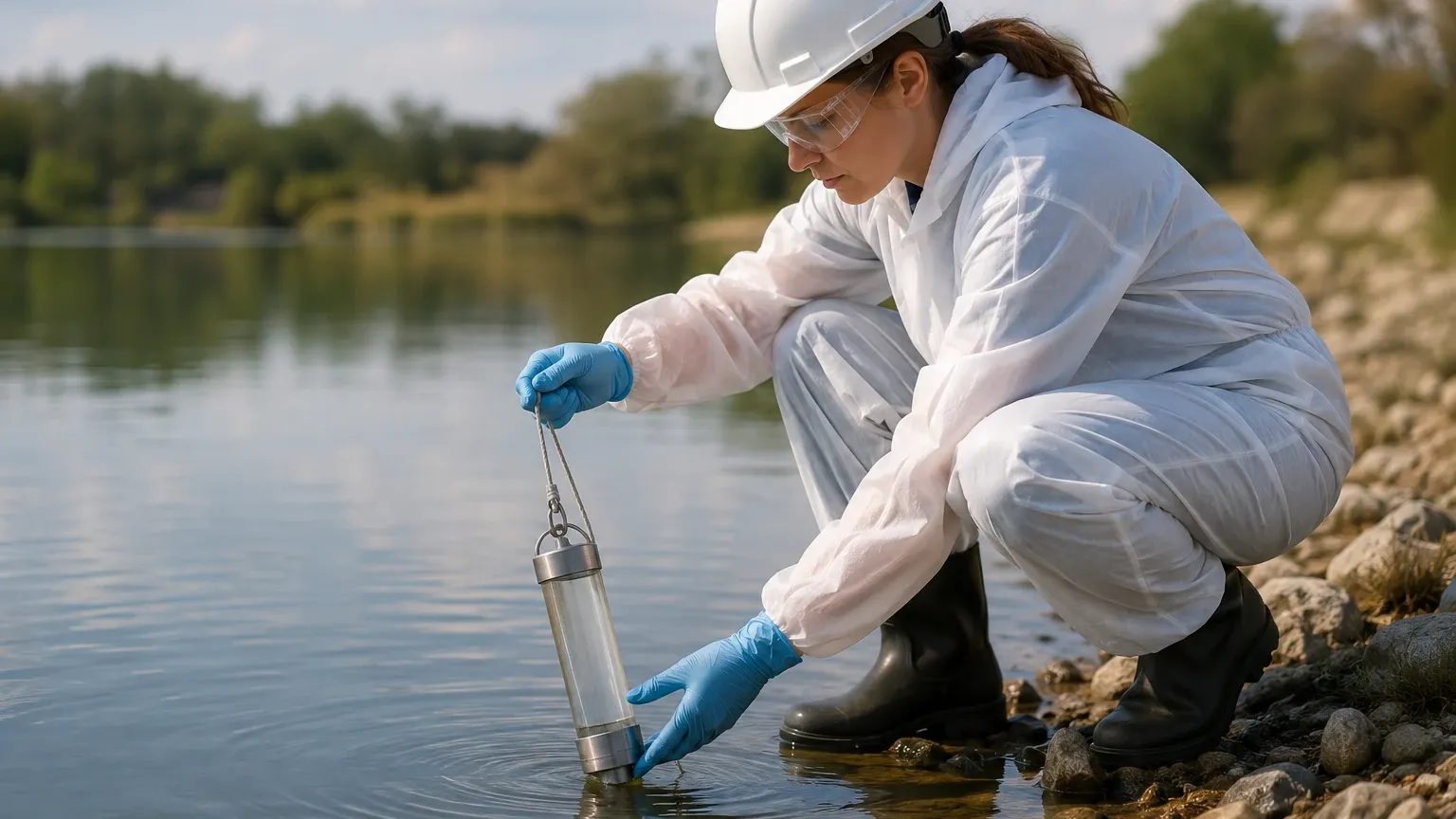
In industrial wastewater management, environmental monitoring, and process control, the ability to collect representative liquid samples is critical for regulatory compliance and operational efficiency. A water sampler is an automated or manual device designed to collect volumes of water from a source—such as a flume, tank, or open channel—for subsequent physical, chemical, or biological analysis. While the sampler itself handles the collection, its accuracy is often dependent on the integration of level measurement technologies that dictate when and how much to sample.
Measurement Principles and Triggering Mechanisms
Before selecting a water sampler, it is essential to understand the measurement principles that govern automated sampling. Most industrial applications require "representative sampling," which means the collected volume must accurately reflect the characteristics of the entire flow stream over a specific period. This is achieved through three primary triggering mechanisms, often facilitated by level and flow instrumentation.
1. Time-Proportional Sampling
This is the simplest form of sampling where the device is programmed to collect a fixed volume at constant time intervals (e.g., 100 ml every 15 minutes). This method is suitable for streams with relatively constant flow rates and chemical compositions. However, it fails to account for fluctuations in pollutant loading during high-flow events.
2. Flow-Proportional Sampling
Flow-proportional sampling is the industry standard for municipal and industrial discharge monitoring. In this mode, the water sampler collects a sample based on the volume of water passing a specific point. This requires an external signal from a flow meter or a level transmitter. For example, a Welk ultrasonic level sensor might measure the head height in a Parshall flume; the resulting data is converted to flow rate, and the sampler is triggered every time a set volume (e.g., every 1,000 liters) passes through. This ensures that more samples are taken during peak flow periods, providing a flow-weighted composite sample.
3. Event-Based Sampling
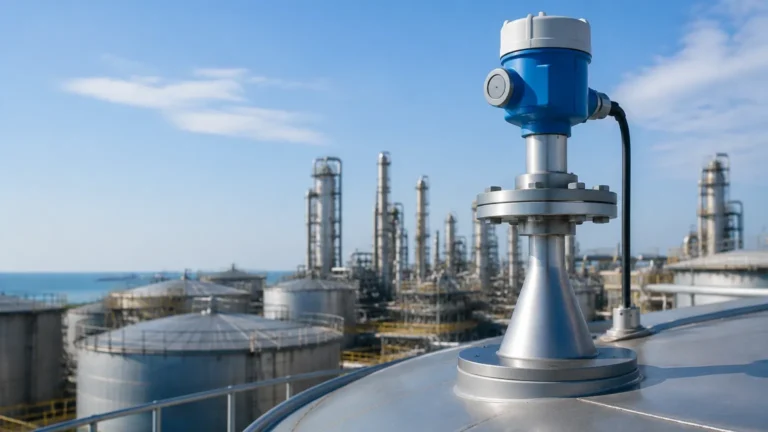
Event-based sampling is triggered by specific conditions, such as a sudden rise in liquid level or a change in a process parameter like pH or temperature. Hydrostatic level transmitters or radar level meters are frequently used to detect these "events," signaling the sampler to begin a high-frequency collection cycle during a storm event or a process spill.
For engineers looking to integrate these measurement technologies with their sampling protocols, reviewing the technical specifications on the Main Page of our instrumentation catalog provides a foundation for building a synchronized monitoring system.
Types of Water Samplers
Water samplers are generally categorized by their portability and their method of sample storage.
Portable Water Samplers
Designed for field use and temporary monitoring sites, portable samplers are lightweight and battery-powered. They are commonly used for short-term studies, such as characterizing a new waste stream or verifying the performance of a treatment plant. They often feature a rugged, weather-resistant housing and can be deployed in manholes or remote riverbanks.
Stationary Water Samplers
Stationary units are intended for permanent installation at a fixed location, such as the final effluent point of a manufacturing facility. These units are typically powered by AC mains and often include integrated refrigeration systems to maintain samples at 4°C (39.2°F) as required by many regulatory standards to prevent biological degradation.
Composite vs. Discrete Sampling
* Composite Samplers: These collect multiple small aliquots into a single large container. The result is an average representation of the water quality over the total sampling period.
* Discrete (Sequential) Samplers: These collect samples into individual bottles (e.g., 24 bottles for 24 hours). This allows for the analysis of how water quality changes over time, which is vital for identifying the exact timing of a contamination event.
Key Evaluation Criteria for Selection
Choosing the right water sampler involves more than just selecting a model; it requires matching the device to the physical and chemical environment of the application.
| Feature | Consideration | Requirement |
| :— | :— | :— |
| Suction Lift | The vertical distance from the water surface to the sampler. | Most peristaltic pumps handle up to 7 or 8 meters. |
| Sample Preservation | Whether the sample needs to be kept cold. | Refrigerated units are required for BOD/COD testing. |
| Material Compatibility | The chemical nature of the liquid. | Use Teflon or glass for organics; PE for general waste. |
| Power Source | Availability of infrastructure. | 12V DC for remote; 110/220V AC for permanent sites. |
| Controller Interface | Integration with other sensors. | Look for 4-20mA inputs or RS485/Modbus compatibility. |
Technical Components: The Suction System
The heart of an automated water sampler is the transport system. There are two primary technologies used to move the liquid from the source to the bottle:
1. Peristaltic Pumps: These use rotating rollers to compress a flexible tube, creating a vacuum that draws the water up. They are highly popular because the liquid never touches the pump's mechanical parts, reducing contamination risks. They also allow for "pre-purging" and "post-purging" of the intake line to ensure the sample is fresh.
2. Vacuum-Pressure Systems: These use a vacuum pump to draw the sample into a metering chamber. Once the chamber is full, the vacuum is released, and the sample drops into the bottle. These systems are often faster and can handle higher suction lifts than peristaltic pumps but are mechanically more complex.
Installation Considerations
Proper installation is paramount to ensuring the data collected is accurate. Even the most advanced water sampler will produce useless data if the intake is poorly positioned.
* Intake Placement: The intake strainer should be placed in a high-velocity area of the flow to prevent it from being buried by sediment, but not so close to the bottom that it sucks up heavy solids. In open channels, it should ideally be placed at 60% of the depth from the surface.
* Line Slope: The intake tubing should have a continuous downward slope toward the source. This prevents "low spots" where water can pool and cross-contaminate the next sample.
* Suction Head Limitations: As the vertical lift increases, the volume of the sample may become less consistent. It is recommended to keep the suction lift under 6 meters (approx. 20 feet) for optimal repeatability with peristaltic systems.
* Integration with Level Meters: When installing a sampler for flow-proportional collection, the sampler must be synchronized with a level meter. If using an ultrasonic sensor, ensure the sensor is mounted at the correct distance above the maximum water level to avoid the "dead zone" and provide an accurate 4-20mA signal to the sampler's controller.
Limitations and Common Risks
While automated samplers greatly reduce manual labor, they are not without limitations:
* Cross-Contamination: If the intake line is not properly purged between samples, residues from the previous collection can skew results. Regular replacement of the pump tubing (typically every 500 to 1,000 samples) is necessary.
* Solids Handling: Standard samplers may struggle with very large solids or fibrous materials (like rags in raw sewage), which can clog the intake strainer or the internal tubing.
* Volatile Organic Compounds (VOCs): The vacuum created during sampling can cause VOCs to "off-gas" from the liquid, leading to under-reporting of these constituents. In such cases, specialized bladder pumps or zero-headspace samplers may be required.
* Temperature Fluctuations: In portable units using ice for cooling, the temperature may rise above the required 4°C over a 24-hour period in hot climates, potentially invalidating the samples for regulatory reporting.
Frequently Asked Questions (FAQ)
Q: How often should the intake tubing be cleaned?
A: In high-grease or high-biological environments, the tubing should be cleaned weekly with a mild detergent or a 10% bleach solution. In clean water applications, monthly inspection is usually sufficient.
Q: Can a water sampler be used in hazardous (Ex) areas?
A: Yes, but you must specify an ATEX or IECEx certified sampler. These units are designed with explosion-proof enclosures and intrinsically safe electronics to prevent ignition in volatile atmospheres.
Q: What is the maximum length for an intake hose?
A: While some pumps can pull from 30 meters away horizontally, the increased friction and transport time can affect sample integrity. It is best to keep the total length under 15 meters whenever possible.
Q: How does the sampler know the bottle is full?
A: Most modern samplers use liquid sensors (often infrared or capacitive) in the distributor arm or the bottle rack to detect an overfill condition and stop the program to prevent damage to the electronics.
Conclusion
A water sampler is a vital link in the chain of industrial process monitoring. By automating the collection process, facilities can ensure they meet stringent environmental regulations while gaining deep insights into their waste streams. However, the effectiveness of any sampling program relies on the precision of the triggering signals—typically provided by high-quality level and flow measurement instruments. For further guidance on selecting the appropriate level sensors to pair with your sampling system, please refer to the Main Page for detailed product specifications and application engineering support.