Energy Transition Solutions
Energy Transition Solutions
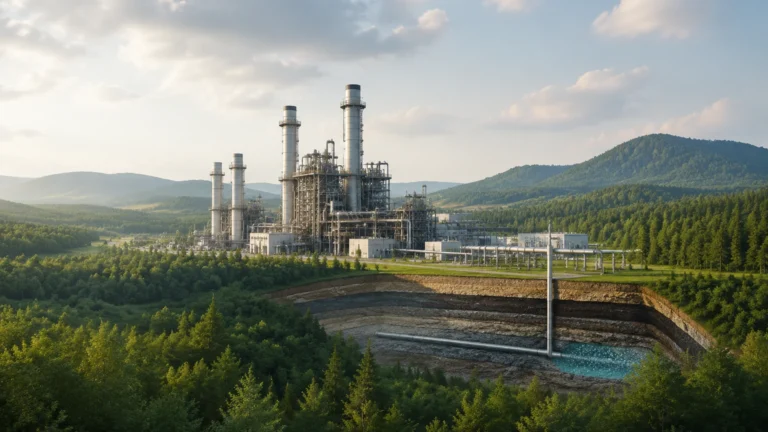
The global shift toward a low-carbon economy necessitates a fundamental redesign of industrial processes. As industries pivot from traditional fossil fuel dependence toward renewable energy, hydrogen, and carbon capture, the demand for precise and reliable instrumentation has never been higher. Level measurement serves as a cornerstone of safety and efficiency in these new infrastructures. Implementing effective energy transition solutions requires a deep understanding of how level measurement technologies—ranging from radar to hydrostatic transmitters—perform under the unique pressures, temperatures, and chemical compositions of emerging energy sectors.
In this technical guide, we examine the measurement principles, application-specific challenges, and selection criteria for level instrumentation within the context of the global energy transition.
The Role of Precision Level Measurement in the Energy Transition
The energy transition is not merely a change in fuel sources; it is a transformation of the entire supply chain. This includes the production of green hydrogen through electrolysis, the transport of liquefied carbon dioxide (CO2), and the storage of biofuels. In each of these stages, accurate level monitoring is essential to prevent overfills, ensure continuous process supply, and maintain the integrity of storage vessels.
For engineers and project managers, the challenge lies in selecting instruments that can withstand the rigors of these new environments. For instance, liquid hydrogen storage requires cryogenic-rated sensors, while carbon capture systems involve high-pressure vessels where traditional mechanical floats may fail. By integrating advanced level measurement as part of comprehensive energy transition solutions, operators can achieve the high levels of automation and safety required for modern industrial standards.
Understanding Measurement Principles for Modern Energy Infrastructure
Before selecting a specific instrument, it is critical to understand the underlying physical principles that govern different measurement technologies. Each method has distinct advantages and limitations based on the medium and the environment.
Radar Level Measurement (ToF)
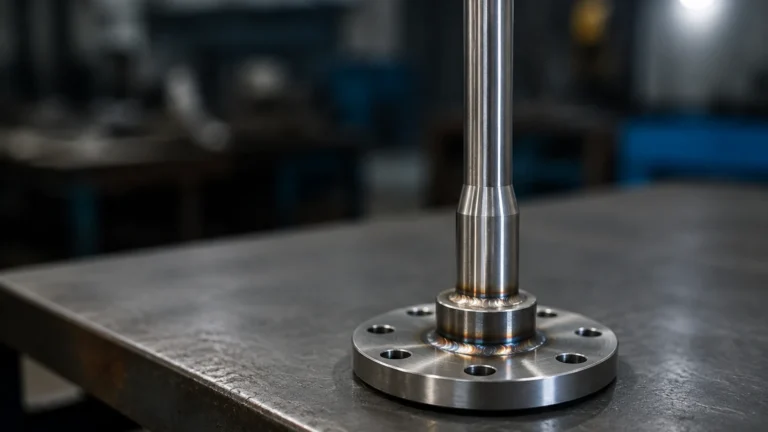
Radar level meters operate on the Time of Flight (ToF) principle. The sensor emits a high-frequency electromagnetic pulse (typically in the 26 GHz or 80 GHz range) that travels to the surface of the medium and reflects back to the receiver. The distance is calculated based on the time interval between emission and reception.
* Non-Contact Radar: Ideal for corrosive or high-temperature media as the sensor does not touch the liquid. The 80 GHz technology offers a narrow beam angle, which is particularly useful in vessels with internal obstructions like agitators or heating coils.
* Guided Wave Radar (GWR): Uses a probe to guide the pulse. This is highly effective for low-dielectric liquids (such as liquefied gases) and applications where surface turbulence or foam is present.
Ultrasonic Level Sensors
Ultrasonic sensors emit sound waves at a frequency above the human hearing range. Like radar, they use the ToF principle. However, because they rely on sound waves, they require a medium (air or gas) to travel through. This makes them sensitive to changes in gas density, temperature, and pressure. They are most commonly used in water treatment and open-channel flow applications within renewable energy plants.
Hydrostatic Level Transmitters
Hydrostatic measurement is based on the principle that the pressure at the bottom of a liquid column is proportional to the height of the liquid and its specific gravity ($P = \rho \cdot g \cdot h$). These sensors are typically submersible or flange-mounted. They are highly reliable for vented tanks where the density of the liquid remains constant.
Magnetic Level Gauges
Magnetic level gauges utilize a float containing a permanent magnet that moves with the liquid level inside a bypass chamber. This magnet actuates a visual indicator (flaps or rollers) and can be paired with a reed chain transmitter for remote electronic monitoring. This provides a redundant, highly visible measurement solution for high-pressure and hazardous applications.
Specialized Applications for Energy Transition Solutions
As industries adopt new technologies, level measurement must adapt to specific process requirements. Below are key areas where specialized energy transition solutions are currently being deployed.
1. Hydrogen Storage and Distribution
Hydrogen is a central pillar of the energy transition. Whether stored as a high-pressure gas or a cryogenic liquid at -253°C (-423°F), monitoring its level is technically demanding. Guided Wave Radar (GWR) is often preferred for liquid hydrogen because it can handle the low dielectric constant of the medium. Furthermore, instruments must be certified for ATEX/IECEx Zone 0 environments due to the high flammability of hydrogen.
2. Carbon Capture, Utilization, and Storage (CCUS)
CCUS involves capturing CO2 from industrial exhausts and compressing it into a supercritical or liquid state for transport and underground injection. Level measurement is required in the separators and storage tanks. Because liquid CO2 is often stored at high pressures (up to 60 bar or 870 psi), non-contact radar or high-pressure magnetic level gauges are the standard choice to ensure vessel integrity.
3. Biofuel Production
Biofuel plants process organic feedstocks into ethanol or biodiesel. These processes involve fermentation tanks and distillation columns where foam, steam, and varying densities are common. Radar level meters are favored here because electromagnetic waves are unaffected by the vapor and foam that would interfere with ultrasonic sensors.
4. Energy Storage Systems (BESS and Thermal)
Beyond batteries, the energy transition includes thermal energy storage (e.g., molten salt) and flow batteries. Molten salt storage requires level sensors capable of withstanding temperatures exceeding 500°C (932°F). In these cases, specialized radar units with cooling fins or high-temperature ceramic seals are necessary.
Technical Comparison and Selection Matrix
To assist in the engineering phase, the following table compares the primary technologies used in energy transition projects.
| Technology | Accuracy | Pressure Range | Temperature Range | Dielectric Sensitivity | Best Use Case |
| :— | :— | :— | :— | :— | :— |
| 80 GHz Radar | ±1 mm | Up to 160 bar | -40 to +250°C | Low sensitivity | Chemical tanks, high-precision storage |
| Guided Wave Radar | ±2 mm | Up to 400 bar | -196 to +450°C | High sensitivity | Liquefied gases (H2, NH3), high pressure |
| Ultrasonic | ±0.25% FS | Atmospheric | -40 to +80°C | N/A | Water treatment, open sumps |
| Hydrostatic | ±0.1% FS | Process dependent | -20 to +100°C | None | Vented fuel tanks, water reservoirs |
| Magnetic Gauge | ±5 mm | Up to 320 bar | -196 to +400°C | None | Hazardous liquids, visual redundancy |
Engineering Considerations for Installation and Maintenance
Successful implementation of level measurement for energy transition solutions depends heavily on proper installation and ongoing maintenance.
Installation Best Practices
1. Nozzle Geometry: For radar and ultrasonic sensors, the nozzle height and diameter must be considered. If a nozzle is too long or narrow, it can create "ringing" or false reflections. Welk recommends a nozzle diameter of at least 50 mm (2 inches) for most radar applications.
2. Dead Zones: Every sensor has a "blocking distance" or dead zone near the sensor face where measurement is not possible. Ensure the tank's maximum fill level does not enter this zone.
3. Orientation: For hydrostatic sensors, avoid placement near inlets where turbulent flow can cause pressure fluctuations. For magnetic gauges, ensure the bypass chamber is perfectly vertical to prevent float friction.
4. Vapor Compensation: In high-pressure gas phases (like high-pressure steam or CO2), the speed of the radar signal can be slightly affected. Advanced radar units offer gas phase compensation to maintain accuracy.
Maintenance and Calibration
While many modern radar and ultrasonic sensors are virtually maintenance-free due to the lack of moving parts, regular verification is still required in safety-critical applications (SIL-rated loops). Periodic calibration against a manual dip tape or a secondary reference is recommended annually.
Limitations of Current Technologies
While technology has advanced, certain physical limitations remain:
* Dielectric Constant ($ε_r$): Radar signals require a reflection. Media with extremely low dielectric constants (like some liquefied hydrocarbons) may require Guided Wave Radar with a coaxial probe to concentrate the signal.
* Vacuum Conditions: Ultrasonic sensors cannot function in a vacuum because there is no medium for sound to travel through.
* Extreme Foam: While radar can penetrate some foam, very dense, thick foam (like that found in some fermentation processes) may absorb the signal entirely. In these cases, a displacement-based or magnetic solution may be more reliable.
Frequently Asked Questions (FAQs)
Q: Which sensor is best for green hydrogen electrolysis tanks?
A: Guided Wave Radar is typically recommended due to the small tank sizes and the potential for turbulence and low dielectric properties of the liquid.
Q: Can ultrasonic sensors be used for liquid CO2?
A: Generally, no. Liquid CO2 is stored under pressure, and the high-density gas phase above the liquid significantly alters the speed of sound, leading to large errors. Radar is the preferred non-contact method.
Q: How do I handle level measurement in a tank with a heavy agitator?
A: 80 GHz radar is the best choice here. Its narrow beam angle can be directed to avoid the agitator blades, or the software can use "false echo suppression" to ignore the blades' reflections.
Q: What is the benefit of a magnetic level gauge over a transmitter?
A: The primary benefit is safety through redundancy. A magnetic gauge provides a mechanical, visual indication that works even during a power failure, which is a critical safety feature in many energy transition solutions.
Conclusion
Selecting the right level measurement technology is a vital component of engineering successful energy transition solutions. Whether managing the complexities of hydrogen storage or the high-pressure environments of carbon capture, the choice of instrument impacts both the safety and the economic viability of the project. By understanding the principles of radar, ultrasonic, and hydrostatic measurement, engineers can specify the most reliable equipment for their specific process needs.
For more detailed technical specifications and to explore our full range of industrial instrumentation, please visit our Main Page to review product options and application support. Welk provides customized OEM/ODM services and advanced level measurement technology to support your transition to a sustainable energy future.