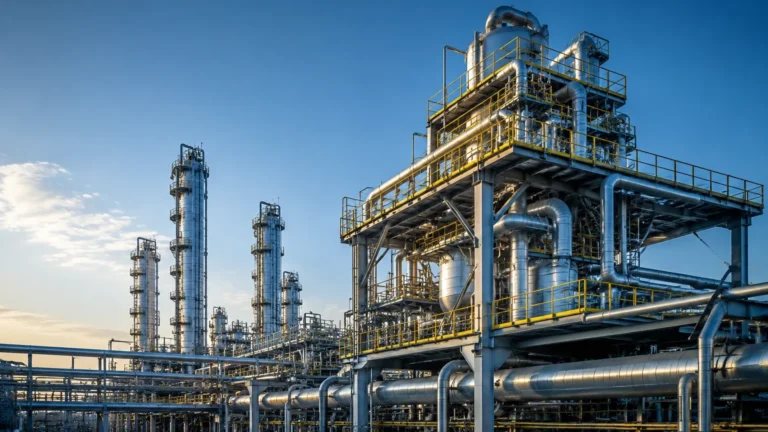
Environmental Samplers
Environmental Samplers
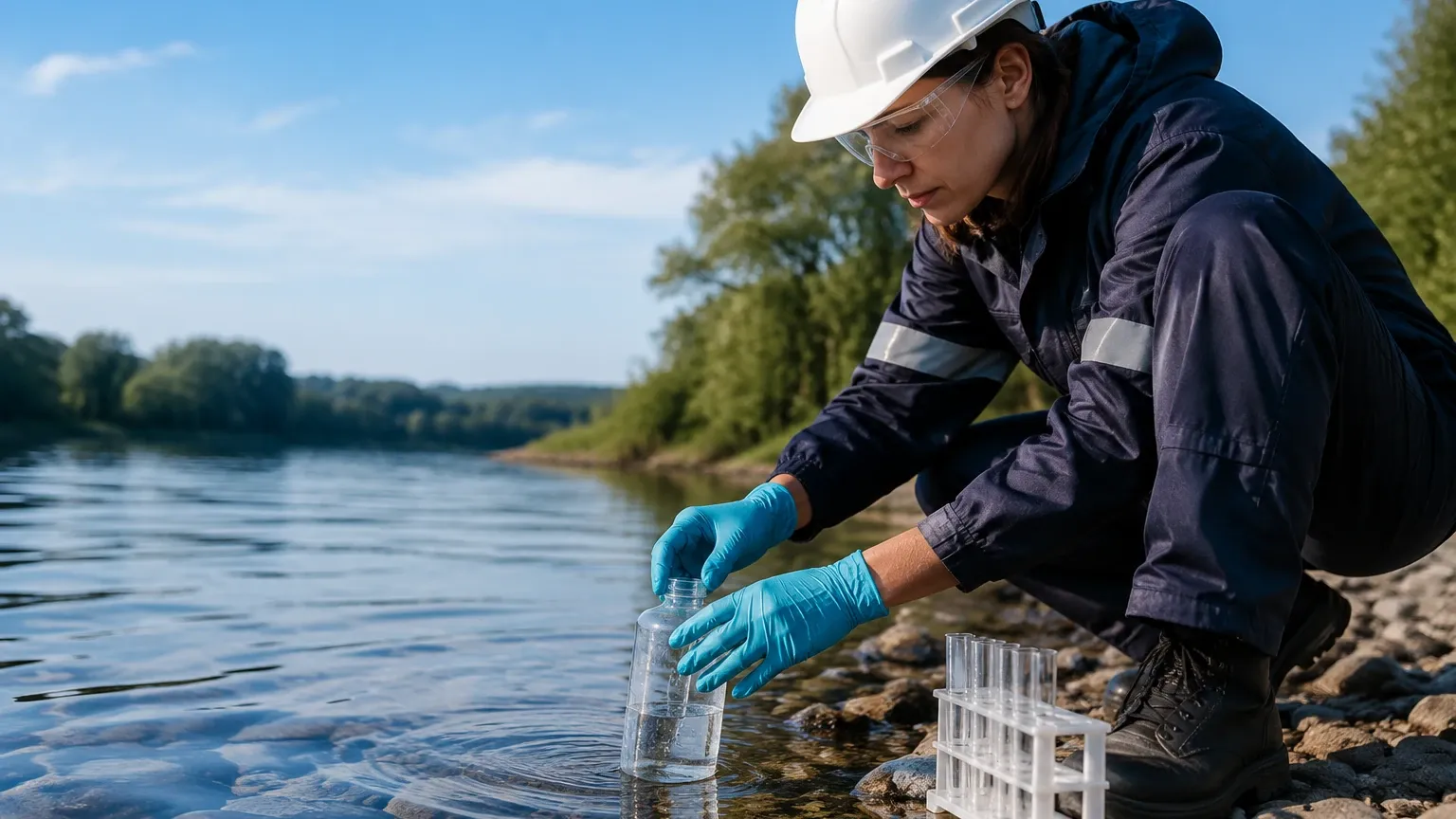
In industrial and municipal wastewater management, environmental samplers serve as the primary tool for capturing physical evidence of water quality. These instruments are designed to collect representative liquid samples from various sources—including sewers, open channels, and industrial discharge points—for subsequent laboratory analysis. However, a sampler does not operate in a vacuum. To ensure that the samples collected are truly representative of the total discharge, they must be integrated with precise level and flow measurement technologies.
For engineers and plant managers, understanding the synergy between sampling hardware and level instrumentation is critical for regulatory compliance and process optimization. This guide explores the principles of environmental samplers, their selection criteria, and the essential role of level measurement in automated sampling workflows.
Principles of Environmental Sampling
Environmental samplers operate based on the need to obtain a volume of liquid that accurately reflects the chemical and physical properties of a larger body of water. There are two primary methods of sample collection: manual and automatic. While manual sampling is cost-effective for one-off tests, automatic environmental samplers are the industry standard for continuous monitoring.
Collection Mechanisms
Automatic samplers typically utilize one of three suction methods to draw the sample from the source to the collection container:
1. Peristaltic Pumps: These are the most common in modern samplers. A rotating roller squeezes a flexible tube, creating a vacuum that draws the liquid. This method is preferred because the liquid never touches the pump components, reducing the risk of cross-contamination.
2. Vacuum/Pressure Sampling: This method uses a vacuum pump to draw the sample into a metering chamber. Once the chamber is full, the vacuum is released, and the sample is pressurized into the container. This is often used when high lift heights are required or when sampling liquids with high suspended solids.
3. Compensated Ultrasonic Sensing: Some advanced samplers use ultrasonic sensors within the intake line to measure the volume of the sample as it is being drawn, ensuring high volumetric accuracy regardless of changes in head pressure.
Sampling Modes
Samplers are programmed to collect liquid based on specific triggers:
* Time-Proportional Sampling: The device collects a fixed volume of liquid at regular time intervals (e.g., every 30 minutes). This is suitable for stable flows where the water quality does not fluctuate rapidly.
* Flow-Proportional Sampling: The device collects samples based on the volume of water passing a point (e.g., every 1,000 liters). This requires integration with a flow meter or a level sensor mounted over a flume or weir. This method is essential for calculating "mass loading"—the total amount of a pollutant discharged over time.
Integrating Level Measurement with Samplers
To achieve accurate flow-proportional sampling, the sampler must receive a signal from a level or flow meter. Since most environmental discharge occurs in open channels, level measurement is the foundation of flow calculation. By measuring the head (level) of the water as it passes through a primary device like a Parshall flume or a V-notch weir, the flow rate can be determined using standard hydraulic formulas.
Welk provides a range of industrial level measurement instruments that are frequently integrated with environmental samplers. For instance, an ultrasonic level sensor can be mounted above a weir to provide a non-contact measurement of the water level. This data is converted into a flow rate, which then triggers the sampler via a 4-20mA signal or a pulse output. For more complex applications involving steam, foam, or turbulent surfaces, radar level meters offer higher reliability.
Choosing the right sensor from the Main Page of a professional instrument manufacturer ensures that the sampler is triggered at the correct intervals, preventing the collection of misleading data during low-flow or peak-flow events.
Selection Criteria for Environmental Samplers
Selecting the appropriate sampler requires a thorough evaluation of the application environment and the specific parameters being monitored. The following table provides a comparison of common sampler configurations.
| Feature | Portable Samplers | Stationary Samplers | Refrigerated Samplers |
| :— | :— | :— | :— |
| Primary Use | Short-term studies, remote sites | Permanent discharge points | Compliance monitoring (NPDES) |
| Power Source | Battery (12V DC) | Mains (110V/220V AC) | Mains (110V/220V AC) |
| Sample Preservation | Ice/Insulation | None (Ambient) | Active Refrigeration (4°C) |
| Durability | Lightweight, plastic | Heavy-duty, often stainless steel | Weatherproof cabinets |
| Typical Lift Height | Up to 7 meters (23 ft) | Up to 8.5 meters (28 ft) | Up to 8.5 meters (28 ft) |
Key Evaluation Factors
1. Materials of Construction: If you are sampling for trace metals or organic compounds, the intake tubing and sample bottles must be compatible. Teflon (PTFE) tubing and glass bottles are often required for organic analysis, while polyethylene is standard for general nutrients and solids.
2. Sample Preservation: Many regulatory standards require samples to be cooled to 4°C (39.2°F) immediately upon collection to inhibit biological activity and chemical degradation. In hot climates, an active refrigerated sampler is mandatory.
3. Controller Sophistication: Ensure the sampler controller can handle the required inputs. If you are using a Welk hydrostatic level transmitter to monitor a deep well, the sampler must be able to interpret the 4-20mA loop to adjust its sampling frequency.
Installation Considerations
Proper installation is as important as the hardware itself. A poorly placed sampler intake or level sensor will result in inaccurate data.
* Intake Placement: The intake strainer should be positioned in the center of the flow stream, ideally at a depth of about 60% of the total water depth from the surface. It should be placed upstream of any weir or flume to avoid the turbulence and "draw-down" effect caused by the primary device.
* Tubing Layout: The suction line should be as short as possible and should have a continuous slope from the sampler down to the source. This prevents "loops" where liquid can pool, which leads to cross-contamination between samples.
* Sensor Alignment: If using an ultrasonic or radar level sensor to trigger the sampler, ensure the sensor is mounted perfectly perpendicular to the liquid surface. For ultrasonic sensors, observe the "blanking distance" (the minimum distance between the sensor face and the highest possible water level) to avoid measurement errors.
* Power Supply: For remote environmental samplers, solar power systems are common. Ensure the battery capacity is sufficient to power both the sampler and the associated level meter for at least 3-5 days of overcast weather.
Limitations and Common Risks
While automatic environmental samplers are highly effective, they are subject to several technical limitations:
* Suction Lift Limits: Most peristaltic samplers are limited to a vertical lift of approximately 8 to 9 meters (26 to 29.5 ft). Beyond this, the vacuum is insufficient to draw the sample reliably. For deeper applications, submersible pumps or pressure-based samplers may be required.
* Solids Handling: If the liquid contains large debris or high concentrations of fats, oils, and grease (FOG), the intake strainer can become clogged. Regular cleaning and the use of "high-velocity" purge cycles are necessary.
* Cross-Contamination: If the sampler does not perform a sufficient "pre-sample purge" and "post-sample purge," traces of the previous sample may remain in the tubing.
* Environmental Extremes: In sub-zero temperatures, intake lines can freeze. Use heated enclosures or insulated jackets for the suction line in cold climates.
Frequently Asked Questions (FAQ)
Q: How often should I calibrate my level sensor when used with a sampler?
A: For regulatory compliance, level sensors should be checked monthly and calibrated at least once or twice a year. If the level sensor is inaccurate, your flow-proportional samples will be collected at the wrong intervals, potentially invalidating your discharge reports.
Q: Can I use one level meter to trigger multiple samplers?
A: Yes. Using a signal splitter or a digital communication protocol (like Modbus or RS485), the output from a single radar or ultrasonic level meter can be sent to multiple sampler controllers or a centralized PLC (Programmable Logic Controller).
Q: What is the difference between a discrete and a composite sample?
A: A discrete sample is a single volume collected in an individual bottle, allowing you to see how water quality changed at a specific moment. A composite sample combines multiple samples into a single large container over a period (e.g., 24 hours), providing an average representation of the water quality.
Q: Why is my sampler failing to draw a full volume?
A: This is usually caused by an air leak in the suction tubing, a worn-out peristaltic pump tube, or exceeding the maximum suction lift. Check all connections and ensure the pump tubing is replaced according to the manufacturer’s maintenance schedule.
Conclusion
Environmental samplers are indispensable for maintaining industrial transparency and protecting water resources. However, the data they provide is only as good as the triggers that initiate the sampling process. By integrating high-quality level measurement instruments—such as those found on the Welk Main Page—with robust sampling hardware, facilities can ensure they meet stringent environmental standards with precision and reliability. When selecting a system, always prioritize the compatibility between the level sensor and the sampler controller to ensure a seamless, automated monitoring solution.