Fermprobe Ph
Fermprobe Ph
In the demanding environment of industrial biotechnology and pharmaceutical manufacturing, the precise control of hydrogen ion concentration, or pH, is a fundamental requirement for success. Among the specialized instruments developed for these applications, the Fermprobe pH electrode stands out as a critical tool designed to withstand the rigorous cycles of sterilization while providing stable, accurate readings. This guide explores the engineering principles, selection criteria, and operational best practices for Fermprobe pH sensors within the context of integrated process control.
Understanding the Role of Fermprobe pH Sensors in Bioprocessing
Fermentation is a delicate biological process where microorganisms or cells convert substrates into valuable products, such as proteins, antibiotics, or biofuels. The metabolic activity of these biological agents is highly sensitive to the acidity or alkalinity of the growth medium. Even a minor deviation from the optimal pH range can lead to reduced yields, the production of unwanted byproducts, or the death of the cell culture.
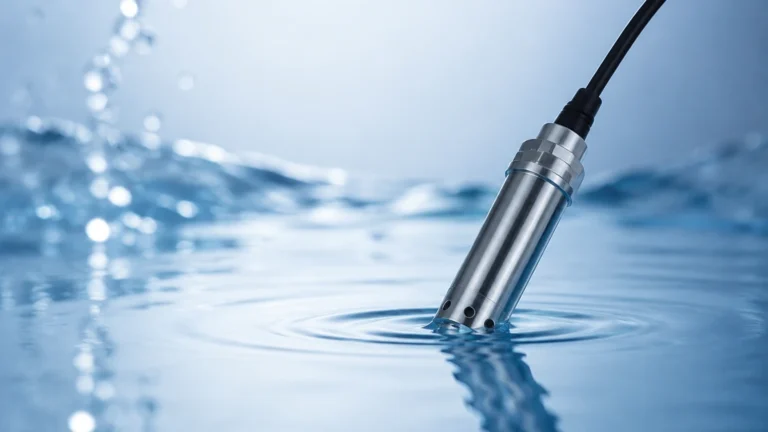
Fermprobe pH electrodes are specifically engineered for use in bioreactors and fermenters. Unlike standard laboratory pH probes, these industrial-grade sensors are built to endure repeated Steam-In-Place (SIP) and Clean-In-Place (CIP) cycles. The term "Fermprobe" has become synonymous with autoclavable and sterilizable pH sensors that utilize a double-junction reference design to prevent contamination and ensure longevity in protein-rich environments.
Measurement Principles: The Electrochemistry of Fermentation
The operation of a Fermprobe pH sensor is based on the potentiometric measurement principle. The system consists of two primary components: a pH-sensitive glass membrane (the sensing electrode) and a stable reference electrode.
The Glass Electrode
When the sensor is immersed in an aqueous solution, a hydrated gel layer forms on the outer surface of the pH-sensitive glass membrane. A similar layer exists on the inner surface, which is in contact with an internal buffer solution of known pH. Hydrogen ions in the process fluid exchange with ions in the gel layer, creating a potential difference across the glass membrane. This potential is proportional to the pH of the solution, following the Nernst equation.
The Reference System
To measure the potential generated by the glass electrode, a stable reference point is required. Fermprobes typically utilize a silver/silver chloride (Ag/AgCl) reference system. A key challenge in fermentation is "poisoning" of the reference electrode by sulfides or proteins that can clog the junction. To mitigate this, Fermprobes employ a double-junction design. This adds an extra barrier, often filled with a specialized electrolyte, to protect the primary reference element from the process media.
Key Selection Criteria for Fermprobe pH Electrodes
Selecting the correct Fermprobe requires an understanding of the specific mechanical and chemical constraints of the bioreactor. Engineers must evaluate several technical specifications to ensure compatibility and performance.
1. Sterilization Compatibility
The most critical factor is the sensor's ability to withstand high temperatures. Standard Fermprobes are rated for sterilization temperatures up to 135°C (275°F) at pressures up to 6 bar (87 psi). It is essential to confirm that the internal electrolyte and the glass formulation are designed for repeated thermal cycling without significant drift.
2. Physical Dimensions and Mounting
Fermprobes come in various lengths to accommodate different vessel sizes. Standard lengths include 120 mm, 225 mm, 325 mm, and 425 mm. The probe must be long enough to remain submerged in the medium throughout the fermentation cycle, even as volumes change. The mounting style is typically a 19 mm or 25 mm "Ingold" style port, which allows for a hygienic, leak-proof seal.
3. Connector Types
The electrical connection must be robust and moisture-resistant. Common options include:
* S8/S7 Connectors: Standard screw-cap connectors.
* K8 Connectors: Often used for older systems.
* VP (VarioPin): A multi-pin connector that can also carry temperature signals from integrated RTDs (Resistance Temperature Detectors), which are vital for automatic temperature compensation.
4. Electrolyte Type
Fermprobes may use liquid, gel, or polymer electrolytes. Gel-filled probes are popular for their low maintenance and resistance to pressure changes, while liquid-filled probes may offer faster response times in specific high-accuracy applications.
Installation Requirements and Mounting Configurations
Correct installation is paramount to the accuracy and lifespan of a Fermprobe pH sensor. Because the sensing membrane must be kept hydrated, the probe should never be installed horizontally. A minimum angle of 15° above the horizontal is required to ensure that the internal buffer solution stays in contact with the glass membrane and that no air bubbles are trapped at the tip.
In large-scale industrial tanks, the probe is usually housed in a protective stainless steel sheath or housing. These housings provide the necessary mechanical support and allow for the probe to be retracted for cleaning or calibration without depressurizing the vessel. When integrating these sensors, engineers must also consider the placement of other instruments. For instance, ensuring that the pH probe is not located too close to an acid/base inlet prevents localized readings that do not represent the bulk fluid.
Integration with Level Measurement Systems for Process Automation
In a modern bioprocessing facility, pH measurement does not exist in isolation. It is part of a complex control loop that includes temperature, dissolved oxygen, and, crucially, liquid level. Accurate level measurement is essential for ensuring that the Fermprobe remains fully submerged. If the liquid level drops below the sensing tip, the pH reading will drift or fail, potentially triggering an incorrect automated dose of acid or caustic that could ruin the batch.
For comprehensive tank management, engineers often look to the Main Page of specialized manufacturers like Welk to source reliable level measurement instruments. Technologies such as radar level meters or ultrasonic sensors provide non-contact, high-precision monitoring of the medium volume. By integrating data from a Fermprobe pH sensor with real-time level data, the control system can verify that the probe is in an optimal position for measurement and adjust the feed rates accordingly. This synergy between level and analytical sensing is a hallmark of advanced industrial automation.

Maintenance, Calibration, and Sterilization Protocols
Maintenance of a Fermprobe pH electrode is a proactive process. Unlike level switches or pressure transmitters, pH electrodes are consumable items with a finite lifespan that decreases with each sterilization cycle.
Calibration Procedures
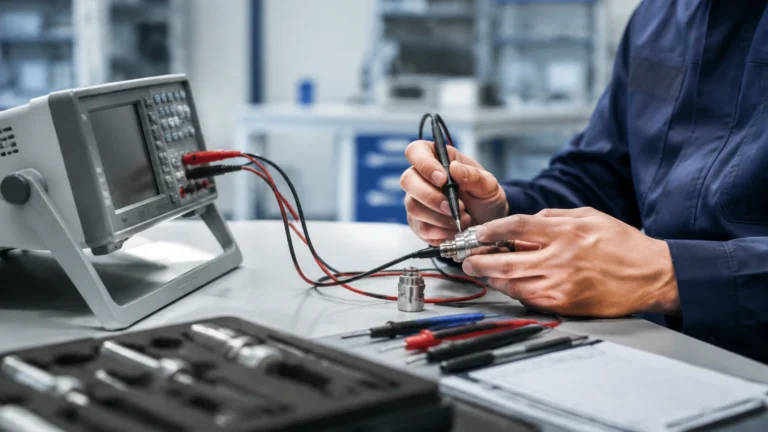
Calibration should be performed before every fermentation run. A two-point calibration using standard buffers (typically pH 4.0 and pH 7.0) is the industry standard.
1. Cleaning: Before calibration, the probe should be cleaned with a mild detergent or specialized cleaning solution to remove protein deposits.
2. Zero Point (Offset): The probe is placed in a pH 7.0 buffer. The millivolt output should ideally be 0 mV. Deviations of more than ±30 mV often indicate a contaminated reference junction.
3. Slope: The probe is then placed in a pH 4.0 or 10.0 buffer. The slope should be between 95% and 105% of the theoretical Nernstian value (59.16 mV/pH at 25°C).
Sterilization Impact
During steam sterilization, the glass membrane undergoes chemical changes that slowly increase its electrical resistance. This results in a slower response time and a gradual shift in the slope. Monitoring the "slope history" of a Fermprobe is an effective way to predict end-of-life and replace the sensor before a failure occurs during a critical production run.
Technical Comparison: Fermprobe vs. Standard Industrial pH Probes
| Feature | Standard Industrial pH Probe | Fermprobe pH Electrode |
| :— | :— | :— |
| Temperature Range | 0 to 80°C | -5 to 135°C (Sterilizable) |
| Pressure Rating | Up to 2 bar | Up to 6 bar |
| Reference Junction | Single junction (common) | Double junction (standard) |
| Sterilization | Not recommended | Autoclavable & SIP compatible |
| Typical Applications | Water treatment, cooling towers | Bioreactors, food & beverage |
| Connector | BNC or screw cap | S8, VP, or K8 |
Troubleshooting Common pH Measurement Issues
When working with Fermprobes, several common issues may arise that require engineering intervention:
* Slow Response: This is often caused by protein fouling on the glass membrane or the reference junction. In fermentation, protein buildup is inevitable. Specialized enzymatic cleaners can be used to restore performance.
* Drifting Readings: If the pH reading continues to climb or fall without a change in the process, the reference junction may be poisoned or the internal electrolyte may be depleted. If the probe is a refillable type, replacing the electrolyte may solve the issue; otherwise, the probe must be replaced.
* Erratic Readings (Noise): This is frequently an electrical issue. Ensure the cable is properly shielded and that there are no ground loops. In some cases, moisture ingress into the connector can cause high-impedance shorts.
* Short Lifespan: If a probe fails after only one or two sterilization cycles, check the pressure compensation. If the vessel pressure exceeds the internal pressure of the probe without a pressurized housing, process fluid can be forced into the reference junction.
Frequently Asked Questions (FAQ)
Q: How often should I replace my Fermprobe pH electrode?
A: The lifespan depends on the number of sterilization cycles and the nature of the medium. In typical biopharmaceutical applications, probes are often replaced every 10 to 20 cycles, or when the slope falls below 92%.
Q: Can I use a Fermprobe for continuous monitoring in wastewater?
A: While a Fermprobe is technically capable, it is over-engineered for wastewater. Standard industrial probes are more cost-effective for applications that do not require high-temperature sterilization.
Q: Is temperature compensation necessary for pH measurement?
A: Yes. The pH of a solution and the sensitivity of the electrode are both temperature-dependent. For accurate results, especially during the cooling phase after sterilization, automatic temperature compensation (ATC) using an integrated Pt100 or Pt1000 sensor is essential.
Q: How should I store the probe when not in use?
A: Never store a Fermprobe dry. It should be stored in a specialized storage solution (usually 3M KCl) to keep the glass membrane and the reference junction hydrated. Storing in deionized water is also discouraged as it can leach ions from the glass.
Conclusion
The Fermprobe pH electrode is an indispensable component of modern bioprocessing, providing the reliability and accuracy needed to manage complex biological reactions. By understanding the electrochemical principles and following strict installation and maintenance protocols, engineers can ensure consistent process performance. Furthermore, by pairing analytical sensors with robust level measurement solutions from providers such as Welk, facilities can achieve the high level of automation and safety required in today’s industrial landscape. Proper selection, integrated monitoring, and proactive maintenance remain the three pillars of successful pH control in any fermentation environment.