Field Toc Meter
Field Toc Meter
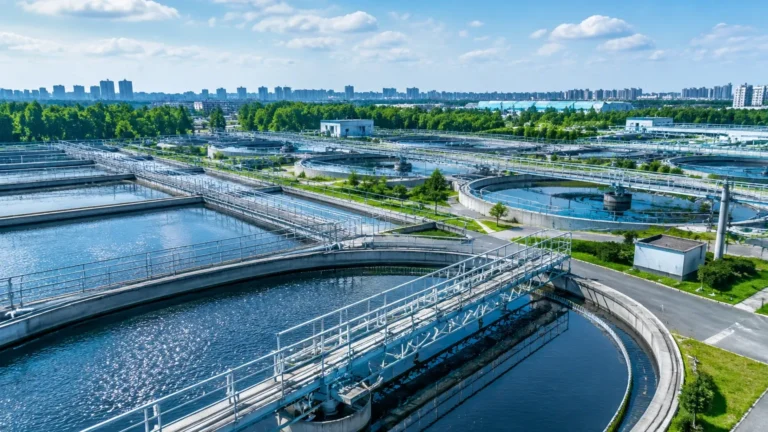
In the landscape of industrial process control and environmental monitoring, the measurement of Total Organic Carbon (TOC) has transitioned from a specialized laboratory procedure to a critical field-based requirement. A field TOC meter is an analytical instrument designed to provide real-time or near-real-time data on the organic load within a water system. This capability is essential for industries ranging from pharmaceutical manufacturing and semiconductor fabrication to municipal wastewater treatment and power generation. By understanding the organic content of process water, engineers can protect sensitive equipment, ensure regulatory compliance, and optimize treatment chemical dosages.
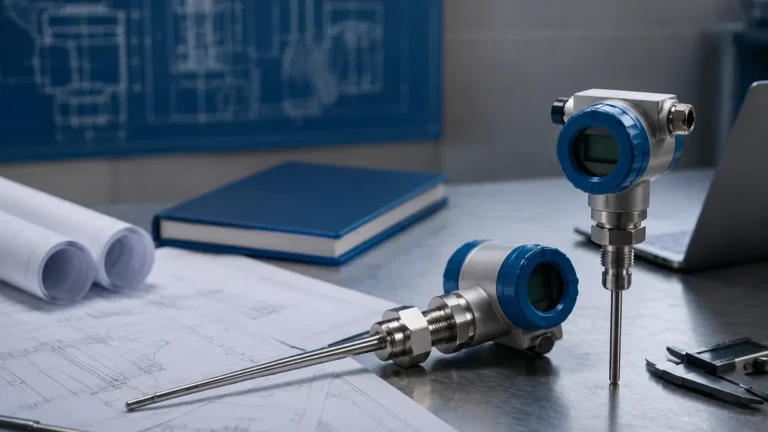
While level measurement technologies, such as those found on the Main Page, provide essential data regarding the quantity of fluids in a system, analytical instruments like the field TOC meter provide the necessary data regarding quality. Together, these instruments form the backbone of a comprehensive industrial automation strategy.
Measurement Principles of TOC Analysis
Before selecting or installing a field TOC meter, it is fundamental to understand how these devices quantify organic carbon. The measurement process generally involves two distinct stages: the oxidation of organic carbon into carbon dioxide (CO2) and the subsequent detection and quantification of that CO2.
Oxidation Methods
Oxidation is the process of breaking down organic molecules to release carbon as CO2. In field environments, three primary methods are utilized:
1. UV Oxidation: This method uses high-intensity ultraviolet light to oxidize organic compounds. It is often combined with a chemical oxidant like persulfate to enhance the reaction. This is highly effective for low-to-medium TOC concentrations in relatively clean water, such as deionized water or condensate.
2. High-Temperature Combustion: The sample is injected into a furnace heated to 600°C to 1,200°C in the presence of a catalyst. This method is the most robust, capable of oxidizing complex organic molecules and handling high-particulate loads, making it ideal for wastewater and heavy industrial applications.
3. Supercritical Water Oxidation (SCWO): A less common but highly effective method that uses water at temperatures and pressures above its critical point to achieve rapid and complete oxidation.
Detection Methods
Once the organic carbon is converted to CO2, the field TOC meter must measure the gas concentration. The two most prevalent detection technologies are:
* Non-Dispersive Infrared (NDIR): The CO2 gas is passed through a cell where infrared light is pulsed. Since CO2 absorbs IR light at a specific wavelength, the amount of light absorbed is proportional to the concentration of CO2. NDIR is preferred for its wide dynamic range and resistance to interference.
* Conductivity Detection: This method measures the change in electrical conductivity as CO2 dissolves into deionized water, forming carbonic acid. There are two types: direct conductivity and membrane-based conductivity. Membrane-based systems are more selective, as the membrane only allows CO2 gas to pass through, excluding interfering ions.
Selection Criteria for Field TOC Meters
Choosing the correct field TOC meter requires a thorough analysis of the application environment and the specific characteristics of the water being measured. A mismatch between the instrument and the process can lead to frequent downtime and inaccurate data.
Key Evaluation Factors
| Feature | Consideration | Application Impact |
| :— | :— | :— |
| Measurement Range | ppb (parts per billion) to mg/L (parts per million) | Ultrapure water requires ppb sensitivity; wastewater requires mg/L capability. |
| Oxidation Method | UV/Persulfate vs. Combustion | Combustion handles high salts and solids; UV is cleaner for pure water. |
| Response Time | T90 (time to reach 90% of value) | Critical for fast-loop process control or spill detection. |
| Maintenance Interval | Reagent consumption and sensor life | Affects the Total Cost of Ownership (TCO) and labor requirements. |
| Sample Handling | Filtration and dilution needs | Necessary for samples with high turbidity or extreme TOC levels. |
| Communication | 4-20mA, Modbus, Profibus | Ensures integration with existing PLC/SCADA systems. |
Industry-Specific Recommendations
* Power Generation: For boiler feed water and condensate return, a UV-based field TOC meter with membrane conductivity detection is recommended to detect organic contaminants that could lead to organic acid formation and subsequent turbine corrosion.
* Wastewater Treatment: High-temperature combustion meters are the standard here. They can handle the high suspended solids and complex organic matrices found in influent and effluent streams.
* Pharmaceutical/Life Sciences: Instruments must comply with USP <643> and EP 2.2.44 standards. These typically use UV oxidation and conductivity detection to ensure the highest level of accuracy in ultrapure water (UPW) systems.
Installation Considerations and Best Practices
Proper installation is as critical as the selection of the meter itself. Because a field TOC meter is an analytical instrument, it is more sensitive to installation variables than a standard hydrostatic level transmitter or a magnetic level gauge.
Sample Point Selection
The sample point should be located in a section of the piping where the fluid is well-mixed and representative of the bulk flow. Avoid stagnant areas or "dead legs." If the meter is monitoring a tank, ensure the intake is not located too close to the bottom where sediment accumulates, nor too close to the surface where oils and foams might reside.
Sample Conditioning
Field samples often require conditioning before they enter the analyzer. This may include:
* Pressure Regulation: Most analyzers require a stable, low-pressure input (typically <1 bar or 14.5 psi).
* Temperature Control: If the process water is very hot (e.g., steam condensate), a sample cooler must be installed to bring the temperature within the analyzer's operating range (usually 5°C to 40°C).
* Filtration: For combustion-based systems, a coarse strainer may be needed to prevent large particles from clogging the injection needle, though the filter must not be so fine that it removes the organic carbon intended for measurement.
Integration with Level Instrumentation
In many applications, TOC measurement is synchronized with level data. For example, in a wastewater equalization basin, a radar level meter monitors the volume of the basin while the field TOC meter monitors the organic load. If the TOC level spikes, the PLC can use the level data to calculate the total mass of the organic "slug" and adjust the downstream treatment process accordingly. For information on integrating these systems, engineers often consult the Main Page to select compatible level sensors.
Limitations and Operational Challenges
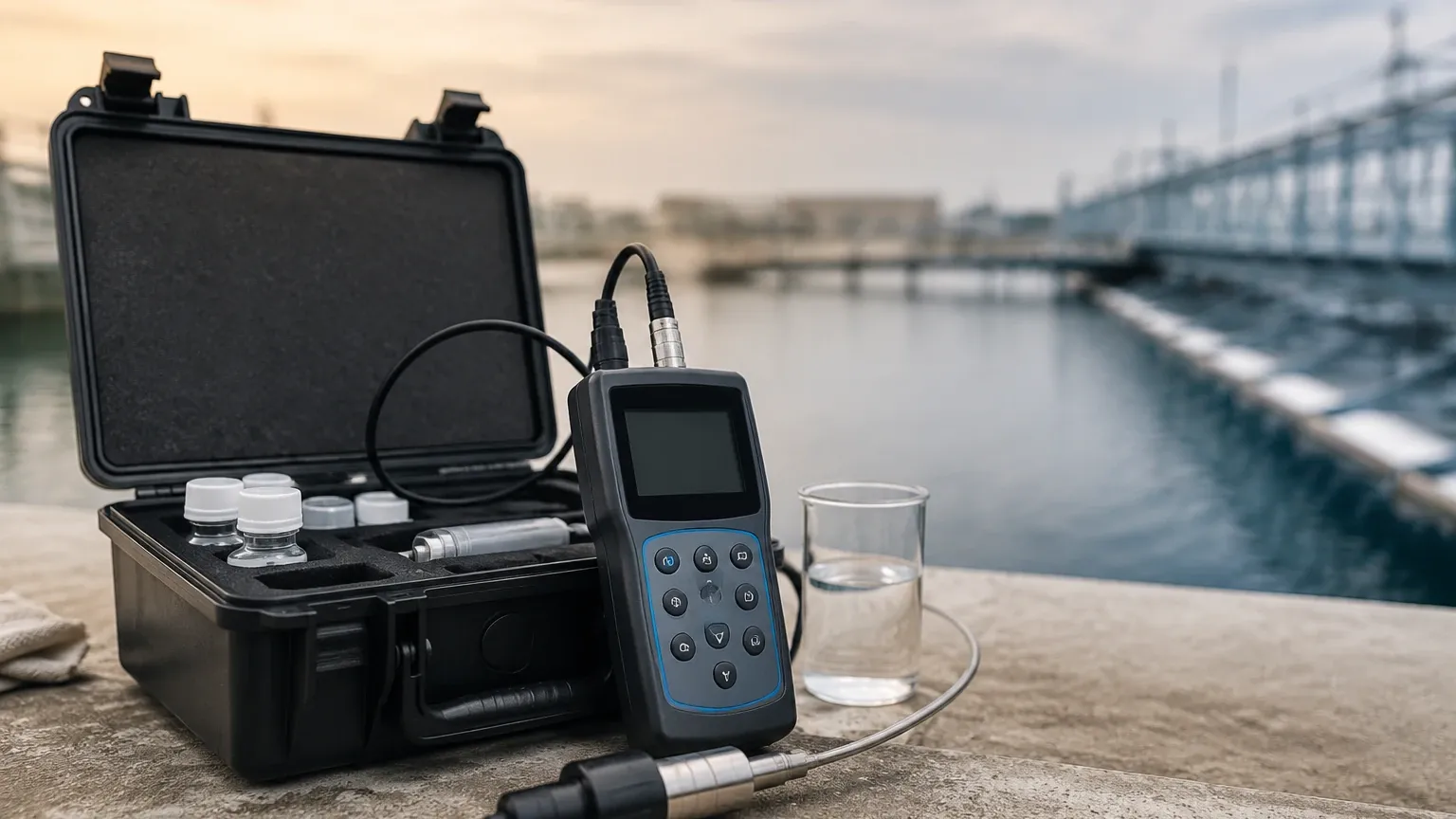
While modern field TOC meters are highly advanced, they are not without limitations. Recognizing these challenges early can prevent operational failures.
1. Inorganic Carbon Interference: Total Carbon (TC) is the sum of Total Organic Carbon (TOC) and Total Inorganic Carbon (TIC), such as carbonates and dissolved CO2. To get an accurate TOC reading, the TIC must be removed (usually by acidifying the sample and sparging it with carrier gas) or measured separately and subtracted from the TC.
2. Reagent Management: Many field TOC meters require chemical reagents (acids, oxidants) and carrier gases (oxygen or CO2-free air). The logistics of supplying and storing these consumables in a field environment must be planned.
3. Fouling and Scaling: In high-hardness water or applications with high biological activity, the internal tubing and oxidation cells can become fouled. Regular cleaning cycles and automated backflushing are often necessary.
4. Calibration Drift: Analytical sensors naturally drift over time. Field units should have automated calibration or validation sequences using certified standard solutions to ensure data integrity.
Frequently Asked Questions (FAQ)
Q: How often does a field TOC meter need to be calibrated?
A: This depends on the application and the technology. For ultrapure water, monthly validation is common. For wastewater applications using combustion, a weekly or bi-weekly check is recommended. Many modern units offer automated self-calibration features.
Q: Can a field TOC meter measure Volatile Organic Carbons (VOCs)?
A: It depends on the sample handling. If the system uses extensive sparging to remove inorganic carbon, some VOCs may be lost. Specialized "non-purgeable organic carbon" (NPOC) techniques or closed-loop oxidation systems are required if VOCs are a significant concern.
Q: What is the typical lifespan of a UV lamp in a TOC analyzer?
A: Most UV lamps are rated for approximately 6 to 12 months of continuous operation. Performance usually degrades gradually, and most meters will provide a diagnostic warning when the lamp intensity falls below a certain threshold.
Q: Is it better to use an online TOC meter or take grab samples for the lab?
A: Grab samples only provide a snapshot in time and are susceptible to contamination during transport. An online field TOC meter provides continuous data, allowing for immediate response to process upsets, which is generally superior for process control.
Conclusion
The implementation of a field TOC meter is a significant step toward advanced process transparency. By moving analysis from the laboratory to the field, operators gain the ability to react instantly to changes in water quality. When combined with reliable physical measurements—such as the level measurement solutions found on the Main Page—TOC monitoring enables a holistic approach to industrial water management. Success requires a careful balance of selecting the right oxidation technology, ensuring robust sample conditioning, and committing to a proactive maintenance schedule.