Cpa471
Cpa471
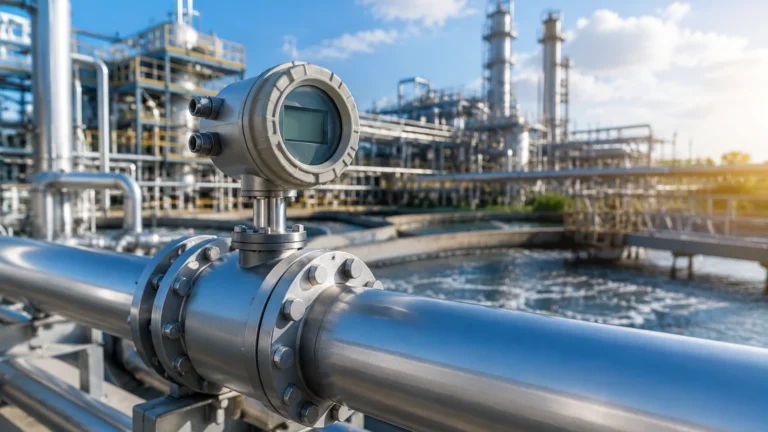
In the landscape of industrial process automation, the ability to maintain and calibrate sensors without halting production is a critical factor for operational efficiency. The cpa471 refers to a specific class of retractable assemblies designed to house liquid analysis sensors, such as pH, ORP, or conductivity electrodes. These assemblies are essential in industries where the process medium is aggressive, prone to scaling, or requires constant monitoring under pressure. By allowing for the insertion and retraction of a sensor while the process is running, the cpa471 ensures that measurements remain accurate through regular maintenance cycles without the need for costly downtime.
Measurement Principles of Retractable Assemblies
The fundamental principle of a retractable assembly like the cpa471 is the isolation of the sensor from the process medium during maintenance. This is achieved through a mechanical stroke mechanism, often driven manually or pneumatically.
When the assembly is in the "measure" position, the sensor is immersed in the liquid at a predefined depth. When maintenance is required, the assembly retracts the sensor into a separate chamber, known as the rinse chamber. During this movement, a sealing system—typically involving high-performance O-rings and a ball valve or a sliding sleeve—closes off the process connection. This ensures that no process liquid escapes and the internal pressure of the tank or pipe remains contained.
Once the sensor is safely in the rinse chamber, it can be cleaned with water or chemical solutions, calibrated using buffer liquids, or replaced entirely. This process is performed through specialized inlet and outlet ports on the assembly body. The mechanical design must account for the "stroke length," which determines how far the sensor travels to clear the process seal. Common stroke lengths for these assemblies range from 80 mm to over 200 mm, depending on the pipe diameter and the required immersion depth.
Technical Specifications and Material Selection
Selecting the correct configuration for a cpa471 assembly requires a deep understanding of the chemical and physical properties of the process medium. Because these units are in direct contact with the liquid, material compatibility is paramount.
Wetted Materials
Standard industrial applications often utilize stainless steel (1.4404 / AISI 316L) for the assembly body. For highly corrosive environments, such as those found in chemical processing or seawater desalination, exotic alloys like Hastelloy C4 or synthetic materials like Polypropylene (PP) and Polyvinylidene fluoride (PVDF) are preferred.
Sealing Elements
The integrity of the retraction mechanism depends on the O-rings. Common materials include:
* EPDM: Suitable for water treatment and general chemical applications.
* FKM (Viton): Preferred for oil-based media and higher temperatures.
* FFKM (Kalrez): Used for extreme chemical resistance and high-temperature steam sterilization.
Pressure and Temperature Ratings
A typical cpa471 assembly is designed to operate under pressures up to 10 bar (approximately 145 psi) at ambient temperatures. However, as the process temperature increases, the maximum allowable pressure decreases. For instance, a stainless steel assembly might handle 10 bar at 20°C but only 4 bar at 140°C. Engineers must consult pressure-temperature curves before installation.
The Relationship Between Level Measurement and Sensor Assemblies
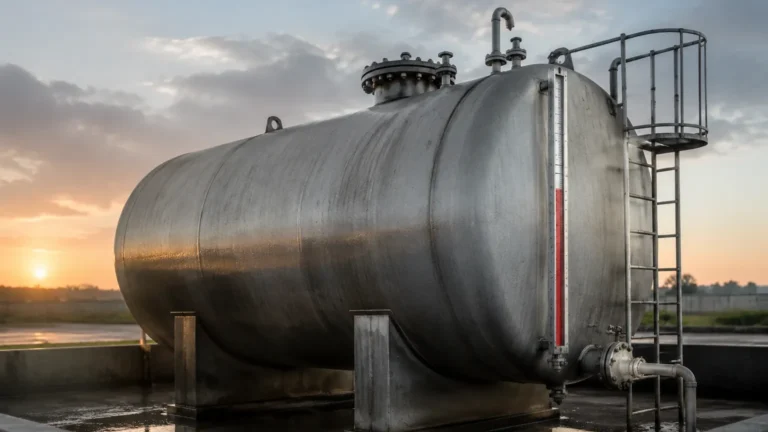
While the cpa471 manages the interface for liquid analysis, it cannot function safely or effectively in isolation. In any tank or vessel, the performance of a retractable assembly is intrinsically linked to the liquid level. If a sensor is retracted while the tank is empty, or if it is inserted into a dry tank, the sensor may dehydrate or suffer damage. Conversely, if a sensor is being serviced and a sudden surge in level occurs, the assembly must be robust enough to maintain its seal against the rising hydrostatic head.
For comprehensive inventory management and process safety, it is standard practice to integrate retractable assemblies with reliable level measurement instrumentation. For a detailed overview of compatible technologies, including radar and ultrasonic systems, engineers can refer to the Main Page for technical specifications on level transmitters that provide the necessary data to interlock retractable assembly operations.
For example, a Welk ultrasonic level sensor can provide a 4-20mA signal to a PLC, ensuring that the cpa471 pneumatic drive only inserts the sensor when the liquid level is above the minimum immersion point. This synergy prevents "dry firing" of the sensors and extends their operational lifespan.
Selection Criteria for Industrial Applications
Choosing the right cpa471 configuration involves balancing mechanical requirements with process safety. The following table outlines the primary considerations for selection:
| Feature | Manual Operation | Pneumatic Operation |
| :— | :— | :— |
| Best Use Case | Small plants, infrequent maintenance | Large-scale automation, frequent cleaning |
| Safety Interlocks | Manual locking pin | Pressure switches and limit sensors |
| Maintenance Frequency | Low (Weekly/Monthly) | High (Daily/Hourly) |
| Remote Control | Not possible | Fully integrable with DCS/PLC |
| Installation Space | Compact | Requires space for air lines and actuators |
| Cost | Lower initial investment | Higher initial investment, lower labor cost |
Installation Considerations and Best Practices
Proper installation of a cpa471 assembly is vital to prevent leaks and ensure accurate sensor readings. The following engineering guidelines should be observed:
1. Orientation: The assembly should ideally be installed at an angle of at least 15° above the horizontal. This prevents air bubbles from being trapped in the sensor cap, which would interfere with the measurement.
2. Immersion Depth: The sensor must be placed in a zone of representative flow. In tanks, this means avoiding "dead zones" near the walls. In pipes, the sensor tip should typically reach the center third of the pipe diameter.
3. Clearance: Ensure there is sufficient physical space behind the assembly to fully retract the sensor and remove it from the housing. A common mistake is installing an assembly in a tight corridor where the sensor rod cannot be fully withdrawn.
4. Service Connections: Rinse water lines should be equipped with check valves to prevent process media from back-flowing into the clean water supply in the event of a primary seal failure.
Common Risks and Mitigation Strategies
Operating a retractable assembly in a pressurized environment carries inherent risks. Understanding these risks is the first step toward a safe installation.
* Seal Wear: The sliding seals are subject to friction every time the sensor is moved. Over time, abrasive particles in the process liquid can score the O-rings. Mitigation involves regular lubrication with process-compatible grease and scheduled seal replacement.
* Media Crystallization: In applications like lime milk or saturated brine, the medium can crystallize around the assembly's moving parts, seizing the mechanism. Using an assembly with a built-in flushing chamber allows for the removal of these deposits before they harden.
* Pressure Shocks: Rapidly opening or closing valves in a piping system can create water hammer effects. These pressure spikes can exceed the design limits of the cpa471. Installing the assembly away from fast-acting valves or using pressure dampeners can protect the hardware.
Integration with Process Control Systems
In modern "Industry 4.0" environments, the cpa471 is often part of an automated cleaning and calibration system. A controller manages the pneumatic valves, directing the assembly to retract, injecting cleaning agents, rinsing with deionized water, and then re-inserting the sensor.
This automation is highly dependent on auxiliary data. For instance, if a Welk hydrostatic level transmitter detects that a tank is being drained for cleaning, it can trigger the automatic retraction of all analysis sensors to protect them from the high-pressure spray balls used in Clean-in-Place (CIP) cycles. This integrated approach reduces the risk of human error and ensures that sensors are only exposed to the process when necessary.
Maintenance Checklist for Engineers
To ensure the longevity of a cpa471 installation, the following maintenance schedule is recommended:
* Monthly: Inspect the rinse ports for blockages and check the pneumatic air pressure (typically 4 to 6 bar).
* Quarterly: Perform a manual retraction test to ensure the movement is smooth. Check for any signs of moisture around the cable entry point.
* Annually: Replace all wetted O-rings and seals. Inspect the sensor guide rod for any signs of chemical pitting or mechanical wear.
Frequently Asked Questions (FAQ)
Q: Can the cpa471 be used in explosive atmospheres?
A: Yes, provided the assembly is equipped with appropriate ATEX or IECEx certified sensors and the pneumatic control components are rated for hazardous zones. The mechanical assembly itself must be properly grounded to prevent static discharge.
Q: What is the maximum temperature the assembly can handle?
A: While some stainless steel versions can handle up to 140°C (284°F) for short periods (such as during steam sterilization), the continuous operating temperature is usually limited by the sensor and the O-ring material. Most synthetic assemblies are limited to 80°C (176°F).
Q: How do I know when the seals need replacing?
A: Most automated systems monitor the rinse chamber. If process fluid is detected in the rinse outlet during the "measure" phase, it indicates that the primary process seal has failed. In manual systems, a visual inspection of the leakage port is required.
Q: Is it possible to change the immersion depth after installation?
A: The immersion depth is generally fixed by the stroke length of the specific model. However, some versions allow for minor adjustments through the use of different flange adapters or weld-in sockets.
Conclusion
The cpa471 retractable assembly is a cornerstone of modern liquid analysis, providing a bridge between continuous process requirements and the need for periodic sensor maintenance. When combined with accurate level measurement from the Main Page, these assemblies allow for a high degree of automation and safety. By carefully selecting materials, ensuring proper installation, and adhering to a rigorous maintenance schedule, process engineers can significantly improve the reliability of their analytical data and the overall efficiency of their industrial operations.