Flow Meter Calibration Near Me
Flow Meter Calibration Near Me
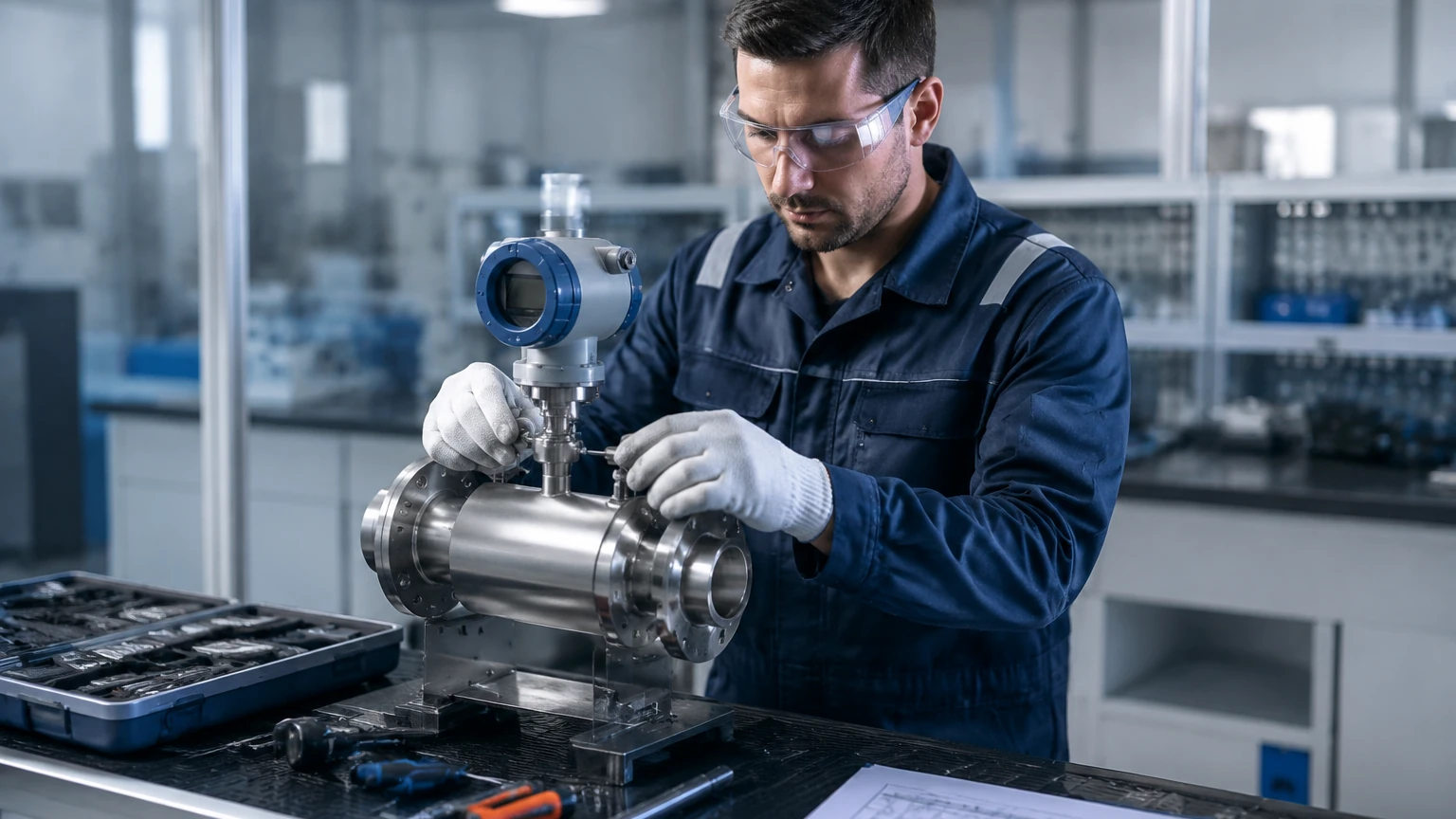
In the landscape of industrial automation and process control, the accuracy of flow measurement is a cornerstone of operational efficiency. Whether managing water treatment facilities, chemical processing plants, or oil and gas refineries, the reliability of data provided by flow meters directly impacts product quality, regulatory compliance, and the bottom line. When engineers and plant managers search for "flow meter calibration near me," they are typically looking for more than just a service provider; they are seeking a partner capable of ensuring that their instrumentation meets rigorous international standards.
This guide explores the technical principles of flow meter calibration, the criteria for selecting a service provider, and the critical installation factors that influence long-term measurement stability. While the focus is on flow, these principles are deeply integrated with level measurement systems, as both are essential components of comprehensive fluid management solutions. For a broader look at industrial instrumentation, you can visit the Main Page to review product options and application support.
Understanding Flow Meter Calibration Principles
Calibration is the process of comparing the readings of a measurement device against a known reference standard. For flow meters, this involves passing a specific volume of fluid through the meter under controlled conditions and comparing the meter’s output to a high-precision reference, often referred to as a "master meter" or a gravimetric system.
Velocity-Based Measurement
Most modern flow meters, such as electromagnetic and ultrasonic meters, measure the velocity of the fluid.
- Electromagnetic Meters: These operate on Faraday’s Law of Induction. As a conductive fluid moves through a magnetic field, it generates a voltage proportional to its velocity. Calibration ensures the "K-factor" (the ratio of pulses or voltage to volume) is accurately mapped to the specific pipe geometry.
- Ultrasonic Meters: These use transit-time or Doppler shift technology. Calibration focuses on the timing accuracy of the transducers and the compensation for the fluid's Reynolds number.
Mass Flow Measurement
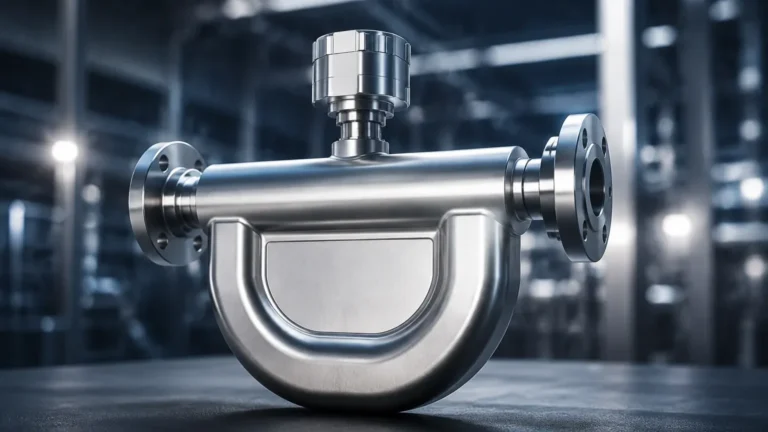
Coriolis meters measure mass flow directly by detecting the inertia caused by fluid moving through oscillating tubes. Calibration for these units is particularly sensitive and usually requires high-precision gravimetric stands that measure the weight of the fluid over a specific time interval.
Differential Pressure (DP) Measurement
DP meters, such as orifice plates or Venturi tubes, calculate flow based on the pressure drop across a restriction. Calibration in this context often involves calibrating the pressure transmitter associated with the primary element to ensure the square-root relationship between pressure and flow is maintained.
Why Search for Flow Meter Calibration Near Me?
The geographical proximity of a calibration laboratory or service technician is a logistical and economic consideration. However, the technical requirements of the application must always take precedence over convenience.
Minimizing Downtime
Shipping large-diameter flow meters to a distant laboratory can result in weeks of downtime. Local service providers often offer "onsite calibration" or "field verification." While field verification is not always a full ISO-certified calibration, it can confirm that a meter is performing within its expected operating envelope without removing it from the process line.
Regional Regulatory Compliance
Different regions have specific weights and measures authorities. A local provider is often more familiar with the specific environmental regulations or municipal water standards relevant to your facility. For example, a provider near a major chemical hub will likely have specialized equipment for hazardous area certifications (ATEX/IECEx).
Cost of Logistics
Flow meters used in industrial applications can be heavy and bulky. A 300mm (12-inch) electromagnetic flow meter is difficult and expensive to transport. Searching for a provider nearby reduces the risk of transit damage and significantly lowers shipping costs.
Key Evaluation Criteria for Calibration Providers
When evaluating results for "flow meter calibration near me," it is essential to look beyond the map and scrutinize the technical capabilities of the facility. A provider must demonstrate traceability and technical competence.
1. ISO/IEC 17025 Accreditation: This is the global standard for the competence of testing and calibration laboratories. An accredited lab has been audited by a third party to ensure its equipment, personnel, and processes produce valid results.
2. Traceability: All calibration standards must be traceable to national or international standards, such as NIST (National Institute of Standards and Technology) or equivalent bodies. This ensures a continuous chain of comparison back to a primary realization of the SI units.
3. Flow Range and Pipe Size: Not every lab can handle every meter. You must confirm that the provider’s flow loop can achieve the flow rates (measured in m³/h or l/s) required for your specific meter size. A lab with a maximum capacity of 50 m³/h cannot accurately calibrate a meter intended for a 500 m³/h process.
4. Fluid Compatibility: Most labs calibrate using water. If your meter is used for high-viscosity oil or corrosive chemicals, you must determine if the water-based calibration can be mathematically corrected for your fluid’s properties or if a specialized fluid lab is required.
Comparison of Flow Meter Types and Calibration Needs
The following table summarizes common flow meter technologies and their typical calibration requirements.
| Meter Type | Primary Principle | Typical Accuracy | Calibration Method | Frequency |
| :— | :— | :— | :— | :— |
| Electromagnetic | Faraday's Law | ±0.5% to ±0.2% | Master Meter / Volumetric | 1–3 Years |
| Ultrasonic | Transit-Time | ±1.0% to ±0.5% | Master Meter / Field Verification | 2 Years |
| Turbine | Mechanical/Velocity | ±0.25% to ±0.1% | Gravimetric (Weight) | Annually |
| Coriolis | Mass/Inertia | ±0.1% to ±0.05% | Gravimetric | 1–2 Years |
| Vortex | Von Kármán Effect | ±1.0% | Master Meter | 2–3 Years |
Common Risks and Limitations in Field Calibration
While onsite or "near me" calibration services are convenient, they come with inherent technical limitations compared to a controlled laboratory environment.
Environmental Factors
In a lab, temperature, humidity, and atmospheric pressure are controlled. In the field, fluctuations in ambient temperature can affect the density of the fluid and the electronics of the meter. If the service provider does not use sophisticated compensation algorithms, the calibration uncertainty will be significantly higher.
Turbulence and Flow Profile
Calibration labs use long straight runs of pipe to ensure a fully developed, laminar flow profile. In a typical industrial plant, meters are often installed near elbows, valves, or pumps, which create turbulence. A field calibration may "calibrate the installation" rather than the meter itself. This means the meter might appear accurate in its current location but would fail a bench test in a lab.
Reference Meter Uncertainty
Onsite calibration usually relies on a portable master meter (often a clamp-on ultrasonic meter). The accuracy of the calibration is limited by the accuracy of the master meter. Typically, the reference standard should be at least four times more accurate than the device under test (the 4:1 rule).
Installation Guidelines to Maintain Calibration Integrity
Even the most precisely calibrated meter will provide inaccurate data if installed incorrectly. To maintain the validity of a calibration certificate, the following engineering guidelines should be followed:
* Straight Pipe Runs: Most meters require a minimum of 10 diameters (10D) of straight pipe upstream and 5 diameters (5D) downstream to eliminate swirl and turbulence.
* Full Pipe Requirement: For electromagnetic and ultrasonic meters, the pipe must be completely full of liquid. Installing a meter in a vertical line with upward flow is a common way to ensure a full pipe.
* Grounding: Electromagnetic flow meters require proper electrical grounding to the fluid to prevent noise from interfering with the low-voltage signal generated by the flow.
* Orientation: For fluids containing solids, the meter should be installed in a way that prevents sediment buildup on the sensors or electrodes.
Frequently Asked Questions
Q: How often should I calibrate my flow meter?
A: Most manufacturers recommend annual calibration. However, the frequency depends on the criticality of the process, the abrasiveness of the fluid, and regulatory requirements. If a meter shows significant "drift" between checks, the interval should be shortened.
Q: Can I calibrate a flow meter myself?
A: You can perform a functional check or a zero-point calibration, but a full NIST-traceable calibration requires specialized reference equipment and a controlled environment that most end-users do not possess.
Q: What is the difference between calibration and validation?
A: Calibration involves adjusting the device to match a standard or documenting its deviation. Validation (or verification) is a simplified check to confirm the device is still operating within its specified tolerance without necessarily making adjustments.
Q: Does air in the line affect calibration?
A: Yes, significantly. Most flow meters cannot distinguish between liquid and gas. Air bubbles will be measured as liquid volume, leading to a high positive error. Calibration must always be performed with air-free fluid.
Conclusion
Finding "flow meter calibration near me" is the first step in a broader maintenance strategy. While proximity helps reduce costs and downtime, the technical expertise of the provider and the adherence to ISO standards are what ensure the long-term accuracy of your process data. By understanding the measurement principles and the limitations of field calibration, engineers can make informed decisions that protect their equipment and their production quality.
For organizations looking to upgrade their instrumentation or integrate level measurement with their flow systems, selecting high-quality hardware is essential. Reliable sensors reduce the frequency of required calibrations and provide better stability in harsh industrial environments. Explore the Main Page for a comprehensive range of level and flow measurement solutions designed for professional engineering applications.