Flowline Health
Flowline Health
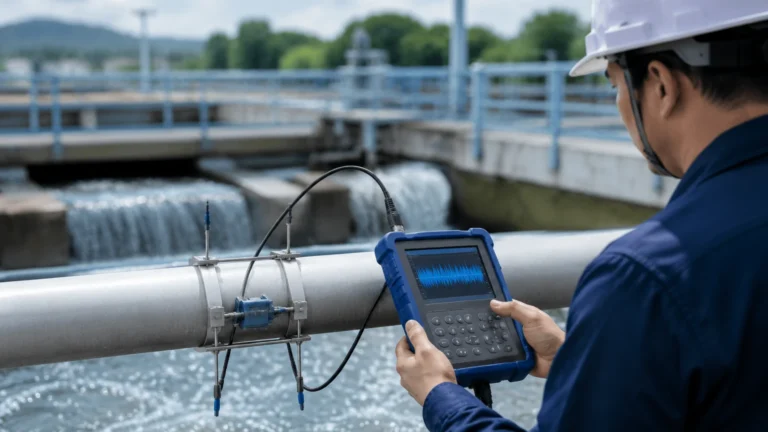
In the context of industrial process automation and fluid handling, flowline health refers to the structural integrity, operational efficiency, and sustained performance of the piping and vessel systems that transport liquids and slurries. Maintaining optimal flowline health is essential for preventing leaks, ensuring consistent throughput, and protecting downstream equipment. Monitoring this health requires a multifaceted approach, where level measurement instruments play a pivotal role in detecting early signs of system stress, such as blockages, overpressure, or unexpected fluid surges.
For engineers and plant managers, a healthy flowline is one that operates within its design parameters without unplanned downtime. Achieving this state involves the integration of high-precision sensors that provide real-time data on the state of the media within the system. By understanding the relationship between level, pressure, and flow, operators can implement predictive maintenance strategies that extend the lifecycle of their infrastructure.
Measurement Principles for Flowline Monitoring
Before selecting instrumentation to monitor flowline health, it is necessary to understand the underlying physical principles of the technologies used to track fluid behavior. Level measurement instruments are generally categorized into non-contact and contact-based technologies.
Radar Level Measurement (ToF)
Radar level meters operate on the Time-of-Flight (ToF) principle. The device emits a high-frequency microwave signal (typically in the 26GHz or 80GHz range) toward the surface of the medium. The signal reflects off the surface and returns to the sensor. The distance is calculated based on the time interval between transmission and reception. In flowline health monitoring, radar is preferred for its ability to operate independently of temperature, pressure, and vapor space conditions. High-frequency 80GHz radar is particularly effective in narrow flowlines or vessels with internal obstructions due to its narrow beam angle.
Ultrasonic Level Measurement
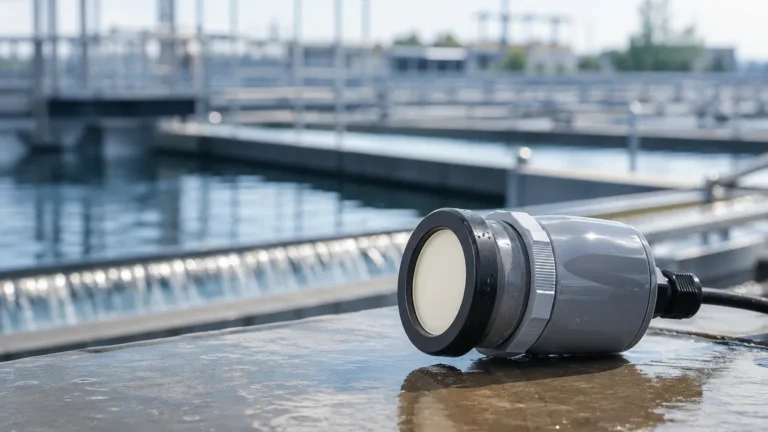
Ultrasonic sensors function by emitting acoustic pulses. These sound waves travel through the air, bounce off the liquid surface, and return to the transducer. Like radar, this is a ToF technology, but it is dependent on the speed of sound, which can be influenced by air temperature and gas composition. For many water treatment and open-channel flow applications, ultrasonic sensors provide a cost-effective solution for tracking the health of gravity-fed flowlines.
Hydrostatic Pressure Measurement
Hydrostatic level transmitters measure the pressure exerted by a liquid column at a specific point. The pressure is directly proportional to the height of the liquid (Level = Pressure / Density × Gravity). This principle is vital for monitoring flowline health in pressurized systems or deep sumps where non-contact sensors might face installation challenges. It provides a reliable indication of the "head" or potential energy within a flowline.
Magnetic and Mechanical Indication
Magnetic level gauges utilize a float containing a permanent magnet that moves with the liquid level in a bypass chamber. This movement triggers external visual indicators or electronic transmitters. This mechanical approach is highly valued for its reliability in high-pressure or high-temperature flowlines where electronic components must be isolated from the process media.
Key Evaluation Criteria for Flowline Health
To accurately assess flowline health, instrumentation must be evaluated based on several technical criteria that ensure the data gathered is actionable and reliable.
1. Accuracy and Repeatability: In narrow-diameter flowlines, even a small error in level measurement can indicate a significant volume discrepancy. Instruments should typically offer accuracy within ±2 mm (0.08 inches) to ensure precise control.
2. Chemical Compatibility: Flowlines often carry corrosive chemicals or abrasive slurries. The wetted parts of the sensors (such as PTFE, PVDF, or 316L Stainless Steel) must be resistant to the media to prevent sensor degradation, which would compromise the monitoring of flowline health.
3. Response Time: Rapid changes in flow, such as those caused by valve closures or pump starts, require sensors with fast processing speeds. A slow response time can lead to missed surge events that stress the piping.
4. Signal Stability: In turbulent flowlines, the surface of the liquid may be agitated. Advanced software algorithms within the transmitter are required to filter out "noise" and provide a stable average level reading.
Common Risks to Flowline Integrity
Neglecting flowline health can lead to several operational risks that impact both safety and the bottom line. Understanding these risks helps in selecting the right protective instrumentation.
* Scaling and Build-up: In chemical and oil applications, material can accumulate on the inner walls of the flowline. This reduces the effective diameter and increases friction. Level sensors can detect the resulting rise in backpressure or unexpected level increases in upstream surge tanks.
* Cavitation: If the level in a supply vessel drops too low, pumps may draw in air, leading to cavitation. This phenomenon causes mechanical vibration and pitting in the flowline. Level switches are often used as a redundant safety layer to trigger low-level alarms and prevent pump damage.
* Corrosion and Erosion: Constant fluid movement, especially with abrasive solids, thins the walls of the flowline. While level sensors do not measure wall thickness directly, they monitor the stability of the process; erratic level readings can sometimes point to structural failures or leaks in secondary containment.
* Overfill and Spillage: A primary risk to flowline health is the failure of level control, leading to environmental contamination and regulatory fines. High-level alarms and continuous monitoring are the first line of defense.
Selection Guide for Level Instruments
The following table provides a comparison of technologies commonly used to maintain flowline health across different industrial scenarios.
| Technology | Best For | Advantages | Limitations |
| :— | :— | :— | :— |
| 80GHz Radar | Narrow pipes, turbulent liquids | Narrow beam, high precision, non-contact | Higher initial cost |
| Ultrasonic | Water/Wastewater, open channels | Cost-effective, easy to install | Sensitive to foam and temperature shifts |
| Hydrostatic | Deep tanks, pressurized vessels | Robust, measures head pressure | Wetted parts require chemical compatibility |
| Magnetic Gauge | High-temp, high-pressure oil/gas | Visual backup, no power required for local display | Moving parts can clog in dirty fluids |
| Level Switch | Point level detection, overflow | Simple, highly reliable for safety loops | Does not provide continuous data |

Installation Considerations for Optimal Monitoring
The physical installation of a sensor significantly impacts its ability to report on flowline health. Engineers should adhere to the following guidelines:
* Avoid Dead Zones: Every sensor has a "dead zone" or "blocking distance" near the face of the transducer where measurement is impossible. Ensure the sensor is mounted high enough that the maximum expected fluid level does not enter this zone.
* Nozzle Geometry: For radar and ultrasonic sensors, the mounting nozzle should be as short and wide as possible to prevent signal interference from the nozzle walls.
* Stilling Wells: In extremely turbulent flowlines, installing the sensor inside a stilling well or bypass pipe can provide a calm surface for more accurate measurement.
* Orientation: Hydrostatic transmitters should be mounted at a point where sediment cannot accumulate on the diaphragm, which would lead to false pressure readings.
Limitations and Technical Constraints
While modern level measurement technologies are advanced, they are not without limitations. For instance, ultrasonic sensors may fail in vacuum conditions because sound waves require a medium (air/gas) to travel. Similarly, radar signals can be absorbed by heavy foam, leading to a loss of signal.
In applications involving extremely low dielectric constant fluids (like certain liquefied gases), standard radar may struggle to receive a strong enough reflection. In these cases, guided wave radar (GWR) or magnetic level gauges are often more appropriate. For a comprehensive overview of available technologies and their specific application ranges, engineers can consult the Main Page of professional instrument manufacturers to compare technical specifications.
Frequently Asked Questions
Q: How does temperature affect flowline health monitoring?
A: Temperature changes can cause fluids to expand or contract, altering their density. This specifically affects hydrostatic pressure sensors. High temperatures can also damage sensor electronics if they are not properly heat-shielded or remotely mounted.
Q: Can level sensors detect leaks in a flowline?
A: Indirectly, yes. By comparing the level and flow rate at the beginning of a flowline with the level and flow at the destination, a "mass balance" can be calculated. A discrepancy often indicates a leak.
Q: What maintenance is required for these sensors?
A: Non-contact sensors like radar require very little maintenance. However, contact sensors and magnetic gauges should be inspected periodically for material build-up or mechanical wear to ensure they continue to provide accurate data for flowline health assessments.
Conclusion
Maintaining flowline health is a continuous process that relies on the synergy between robust mechanical design and precision instrumentation. By implementing the correct level measurement principles—whether radar, ultrasonic, or hydrostatic—industrial operators can gain the visibility needed to prevent failures and optimize process efficiency. Selecting the right tool requires a deep understanding of the media properties, environmental conditions, and the specific risks associated with the application. For those looking to upgrade their monitoring systems, it is recommended to Review product options and application support to find the most cost-effective and reliable solutions for their specific industrial needs.