Submersible Level Transmitters
Submersible Level Transmitters
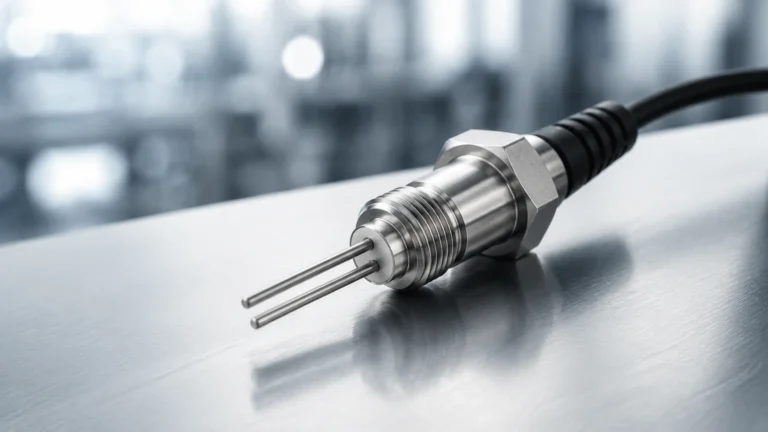
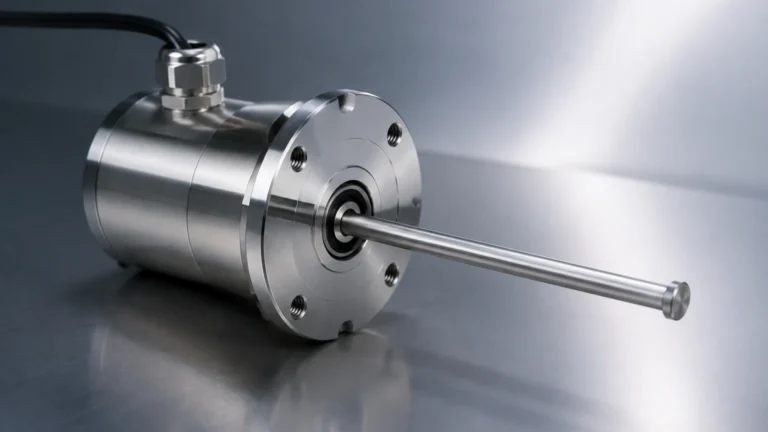
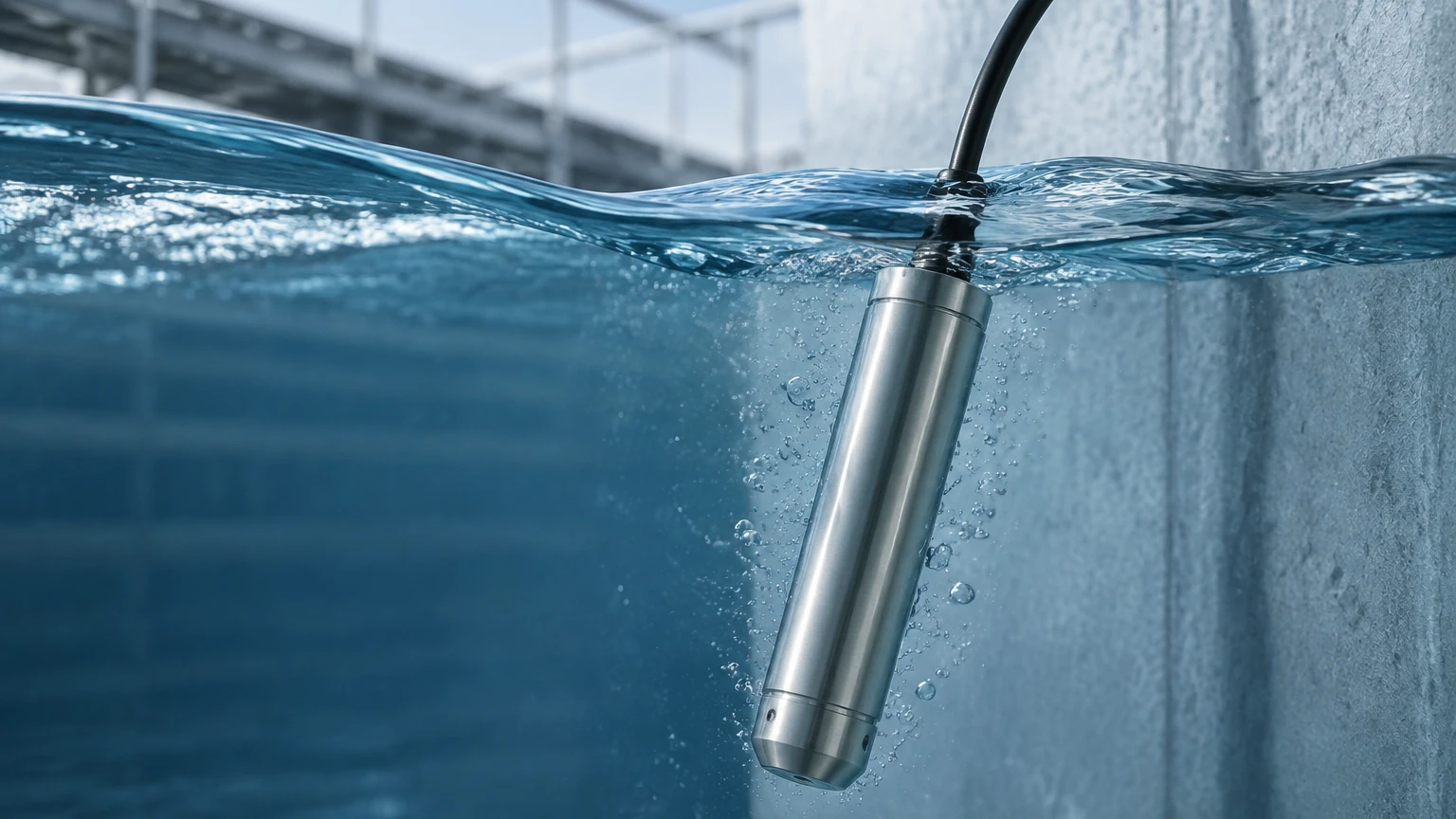
Submersible level transmitters represent a critical technology in the field of industrial liquid level measurement. These instruments, often referred to as hydrostatic level sensors, are designed to be permanently submerged in the process media, providing continuous data on the height of a liquid column based on the pressure exerted at the point of immersion. For engineers and facility managers in water treatment, chemical processing, and oil and gas industries, understanding the nuances of these devices is essential for ensuring operational efficiency and long-term reliability.
As a professional manufacturer of industrial level measurement instruments, Welk provides a range of solutions tailored to diverse environmental conditions. This guide examines the technical foundations, selection criteria, and practical application of submersible level transmitters to assist in the engineering decision-making process.
The Principle of Hydrostatic Level Measurement
The operation of a submersible level transmitter is based on the physical principle of hydrostatic pressure. In a stationary liquid, the pressure at any given depth is directly proportional to the height of the liquid column above it. This relationship is mathematically expressed by the formula:
P = ρ × g × h
Where:
* P is the hydrostatic pressure (typically measured in bar or kilopascals).
* ρ (rho) is the density of the liquid (kg/m³).
* g is the acceleration due to gravity (approximately 9.81 m/s²).
* h is the height of the liquid column (meters).
Because gravity is constant and the density of the liquid is usually known, the transmitter can determine the height of the liquid by measuring the pressure. The sensor contains a sensing element—usually a piezoresistive silicon or ceramic diaphragm—that deforms under the weight of the liquid. This mechanical deformation is converted into an electrical signal, typically a 4-20mA analog output or a digital signal like RS485 Modbus.
Atmospheric Compensation
To ensure accuracy, the transmitter must account for atmospheric pressure acting on the surface of the liquid. If the tank or well is open to the atmosphere, the pressure measured at the bottom is the sum of the liquid pressure and the atmospheric pressure. To isolate the liquid height, submersible level transmitters utilize a vented cable. This cable contains a small capillary tube that allows the back of the sensor diaphragm to "breathe" the ambient air, effectively canceling out atmospheric pressure fluctuations.
Component Anatomy and Materials
To withstand continuous immersion in potentially corrosive or abrasive environments, the construction of a submersible level transmitter is highly specialized. The primary components include:
1. Sensor Housing: Usually constructed from high-grade stainless steel (SS304 or SS316L). For highly corrosive media, such as strong acids or seawater, specialized materials like Titanium or PTFE-coated housings are employed.
2. Sensing Diaphragm: This is the most sensitive part of the instrument. Stainless steel is standard, but ceramic diaphragms are often preferred for applications involving abrasive particles or chemical compatibility issues.
3. The Cable: The cable serves as both the electrical conduit and the structural support. It must be chemically compatible with the liquid. Common materials include Polyurethane (PUR) for general water and oil, Polyvinyl Chloride (PVC) for basic chemical resistance, and Fluorinated Ethylene Propylene (FEP) for extreme chemical environments.
4. Sealings: High-integrity O-rings (often Viton or EPDM) are used to prevent liquid ingress into the internal electronics, maintaining an IP68 protection rating.
Technical Selection Criteria
Selecting the correct submersible level transmitter requires a detailed analysis of the application environment. Choosing an underspecified unit leads to premature failure, while over-specifying results in unnecessary costs. Engineers should evaluate the following parameters:
Measurement Range and Accuracy
Transmitters are calibrated for specific pressure ranges. It is common practice to select a range slightly higher than the maximum expected liquid height (e.g., a 12-meter range for a 10-meter deep well) to prevent overpressure damage. Accuracy is typically expressed as a percentage of the Full Scale (FS), with standard industrial units offering ±0.5% FS and high-precision models reaching ±0.1% FS.
Media Compatibility
The chemical composition of the liquid dictates the material of the housing and cable. For example, in wastewater applications where hydrogen sulfide may be present, SS316L is the minimum requirement. In seawater, the risk of pitting corrosion makes Titanium or specialized coatings necessary.
Temperature Limits
Standard submersible transmitters operate within a range of -20°C to +70°C. If the process involves higher temperatures, specialized high-temperature versions with remote electronics or cooling fins may be required, although hydrostatic sensors are generally less suited for boiling liquids due to vapor pressure interference.
Output Signals
* 4-20mA: The industry standard for long-distance transmission with high noise immunity.
* 0-10V: Suitable for short distances and integration with basic PLC systems.
* RS485/Modbus: Ideal for digital integration, allowing for multiple sensors on a single bus and providing diagnostic data.
Comparison: Submersible vs. Non-Contact Technologies
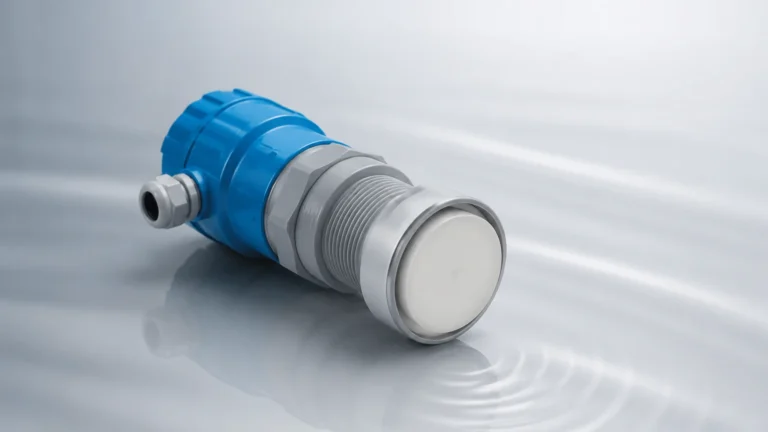
When evaluating level measurement options, it is helpful to compare submersible transmitters with ultrasonic and radar technologies.
| Feature | Submersible (Hydrostatic) | Ultrasonic (Non-Contact) | Radar (Non-Contact) |
| :— | :— | :— | :— |
| Installation | Bottom-mounted/Suspended | Top-mounted | Top-mounted |
| Foam/Vapor Impact | None | High | Low to Moderate |
| Accuracy | High (fixed density) | Moderate | Very High |
| Maintenance | Low (if clean) | Low | Extremely Low |
| Cost | Low to Moderate | Moderate | High |
| Obstructions | Not affected | Affected by beams/internal structures | Minimal impact |
| Density Dependency | High | None | None |
For deep wells or narrow boreholes, submersible transmitters are often the only viable solution because they do not require a clear line of sight and are not affected by the narrow geometry that would cause false echoes in ultrasonic or radar systems.
Installation Guidelines and Best Practices
Proper installation is paramount to the longevity of a submersible level transmitter. Failure to follow engineering best practices often results in cable damage or sensor clogging.
1. Mechanical Protection
In tanks with agitators or in rivers with high flow rates, the transmitter should be installed inside a stilling well (a perforated pipe). This prevents the sensor from swinging, which could cause mechanical fatigue in the cable or inaccurate readings due to dynamic pressure effects.
2. Cable Management
The cable should be secured using a dedicated cable clamp that supports the weight of the sensor without pinching the internal vent tube. If the vent tube is crimped, the sensor will no longer compensate for atmospheric pressure, leading to significant measurement errors.
3. Moisture Protection at the Termination
The end of the cable (where it connects to the junction box) must be kept dry. The vent tube should terminate in a dry environment or be equipped with a desiccant filter to prevent moisture from migrating down the tube and condensing inside the sensor housing.
4. Avoiding Diaphragm Damage
Never insert objects (like screwdrivers or fingers) into the pressure port to clean the diaphragm. The sensing membrane is extremely thin and easily damaged. If cleaning is required, use a gentle stream of water or a compatible solvent.
Limitations and Operational Risks
While highly versatile, submersible level transmitters have specific limitations that must be managed:
* Density Sensitivity: Since the sensor measures pressure, any change in the liquid's density (due to temperature changes or concentration shifts) will be interpreted as a change in level. If the density varies significantly, a secondary temperature sensor or a differential pressure setup may be required for compensation.
* Sedimentation: In applications like sewage or mining slurries, silt and solids can accumulate around the sensor head, eventually blocking the pressure port. Regular maintenance or the use of flush-diaphragm designs is necessary in these cases.
* Lightening and Surges: Because these sensors are often used in outdoor wells or large tanks, they are susceptible to lightning strikes. High-quality transmitters include internal surge protection, but external lightning arrestors are recommended for high-risk areas.
Frequently Asked Questions (FAQ)
Q: How often should a submersible level transmitter be calibrated?
A: For most industrial applications, an annual calibration check is sufficient. However, in critical processes or harsh environments, a six-month interval may be more appropriate to account for potential sensor drift.
Q: Can I cut the cable of my submersible transmitter?
A: Most cables can be shortened, but it must be done carefully to ensure the vent tube remains unobstructed and the electrical connections are correctly re-terminated. It is generally better to order the specific length required from the manufacturer.
Q: What happens if the vent tube gets wet?
A: Moisture in the vent tube can cause the sensor to fail or provide erratic readings. If moisture is detected, the unit often needs to be replaced, as drying out the internal capillary is difficult.
Q: Are these sensors suitable for pressurized tanks?
A: Standard submersible level transmitters are designed for vented tanks. In a pressurized vessel, the sensor would measure the sum of the liquid height and the head pressure of the tank, leading to an incorrect level reading. For pressurized tanks, a differential pressure (DP) transmitter is the correct choice.
Conclusion
Submersible level transmitters provide a robust and cost-effective solution for a wide range of liquid level monitoring tasks. By understanding the hydrostatic principle and carefully selecting materials compatible with the process media, engineers can implement a measurement system that requires minimal oversight and provides years of accurate data. For those looking to explore specific product configurations or seeking technical support for complex applications, you can Review product options and application support on our Main Page to find the ideal instrumentation for your project requirements.
Whether managing a municipal water supply or monitoring chemical storage, the integration of high-quality submersible level transmitters is a foundational step in modern industrial automation. By adhering to the installation and selection guidelines outlined above, facilities can ensure their level measurement infrastructure remains resilient against the challenges of the industrial environment.