Flowmåler
Flowmåler
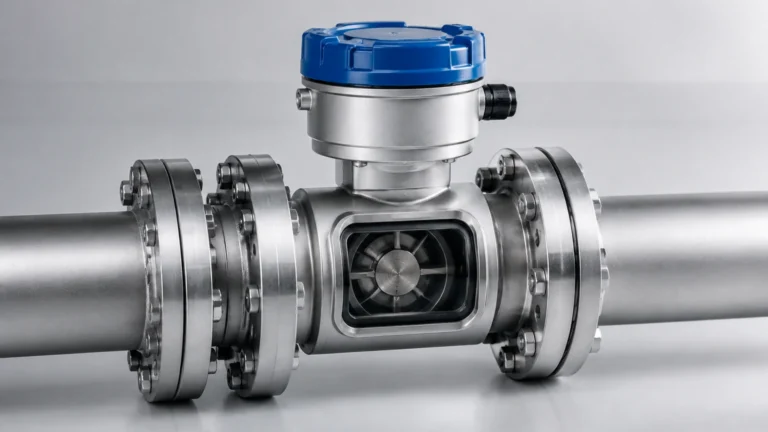
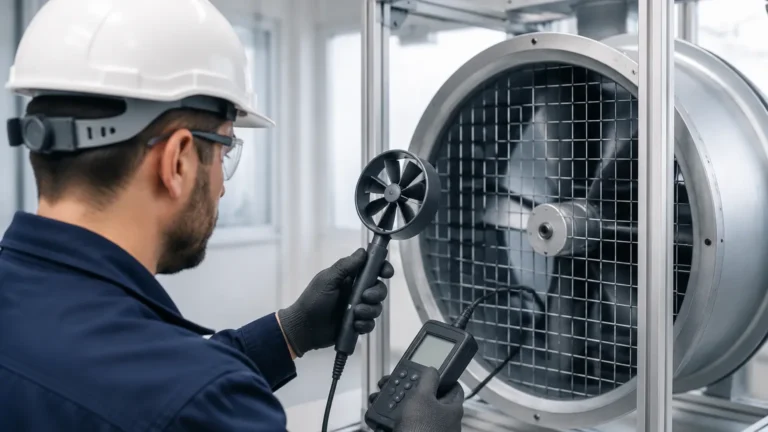
In the landscape of industrial process control, the accurate measurement of fluid movement is as critical as the monitoring of tank levels. A flowmåler, or flow meter, is an instrument designed to measure the linear, non-linear, mass, or volumetric flow rate of a liquid or a gas. While level measurement focuses on the quantity of material currently in storage, flow measurement tracks the rate at which that material moves through the system. For engineers and facility managers, selecting the correct flowmåler is essential for maintaining process efficiency, ensuring safety, and managing costs in sectors ranging from water treatment to chemical processing.
Understanding Flowmåler Measurement Principles
Before selecting a device, it is imperative to understand the physics behind the various measurement technologies. No single flowmåler is universal; each operates on a principle suited to specific fluid properties and environmental conditions.
Electromagnetic Flow Meters (Magmeters)
Electromagnetic meters operate based on Faraday’s Law of Electromagnetic Induction. This law states that a conductor moving through a magnetic field produces an electrical signal. In this application, the fluid itself acts as the conductor. As a conductive liquid flows through a magnetic field generated by the meter, it creates a voltage proportional to its velocity. Because there are no moving parts and no obstructions in the flow path, these meters are ideal for wastewater and corrosive chemicals, provided the fluid has a minimum level of electrical conductivity.
Ultrasonic Flow Meters
Ultrasonic technology is increasingly popular due to its non-intrusive nature. These meters generally use two methods: Transit-Time and Doppler Effect.
- Transit-Time: Two transducers act as both transmitters and receivers. They send ultrasonic signals back and forth through the fluid. When the fluid is moving, the signal traveling downstream moves faster than the signal traveling upstream. The time difference is proportional to the flow velocity.
- Doppler Effect: These meters transmit sound waves that reflect off particles or bubbles in the fluid. The frequency shift of the reflected signal allows the meter to calculate the flow rate. This is particularly useful for "dirty" liquids that might clog other meter types.
Vortex Flow Meters
Vortex meters utilize the principle of Von Kármán vortices. When a fluid meets a "shedder bar" (an obstruction) in the pipe, it creates alternating vortices. The frequency at which these vortices are shed is directly proportional to the velocity of the fluid. These are robust instruments often used for steam, gases, and low-viscosity liquids where high reliability and low maintenance are required.
Differential Pressure (DP) Flow Meters
DP meters are among the oldest and most common technologies. They work by creating a constriction in the pipe (such as an orifice plate or Venturi tube) that causes a pressure drop. According to Bernoulli’s equation, the square root of the pressure drop is proportional to the flow rate. While reliable, they introduce a permanent pressure loss in the system and require periodic maintenance of the primary element.
Open Channel Flow Measurement
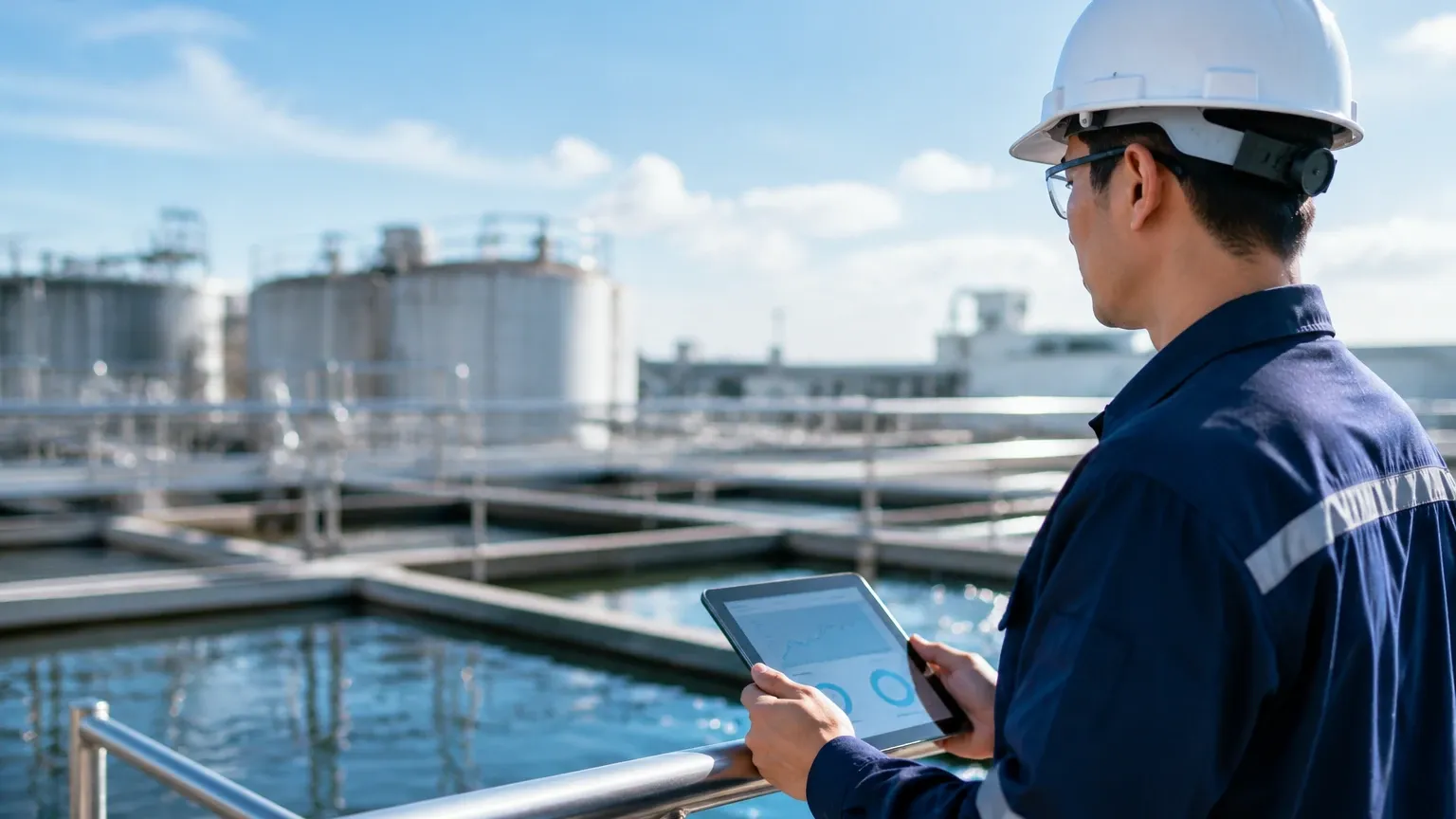
In many water treatment applications, flow occurs in open channels rather than closed pipes. Here, flow is often measured by using a level sensor (such as an ultrasonic or radar level meter) in conjunction with a flume or weir. By measuring the head (level) of the water at a specific point, the flow rate can be calculated using established hydraulic formulas. This is a key area where level measurement technology and flow measurement converge to provide a complete Main Page of process data.
Key Selection Criteria for Industrial Flow Measurement
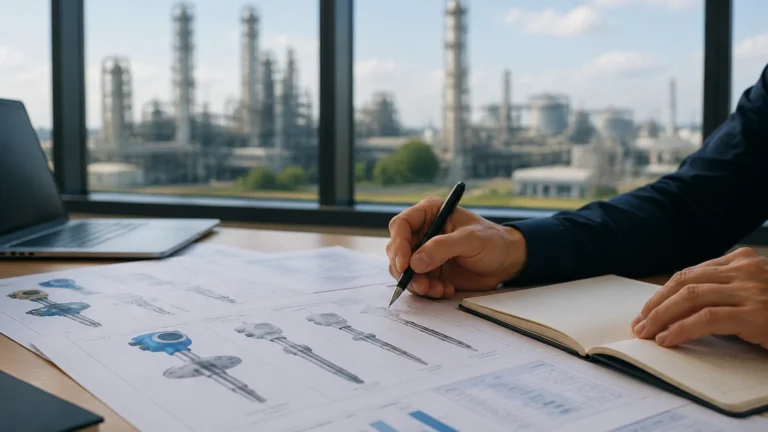
Choosing a flowmåler requires a systematic evaluation of the application's physical and chemical parameters. Failure to account for these variables often leads to premature instrument failure or inaccurate readings.
1. Fluid Properties: Is the fluid conductive? What is its viscosity? Does it contain solids or air bubbles? For example, a magnetic flowmåler will not work with deionized water or hydrocarbons because they lack conductivity.
2. Process Conditions: The operating temperature and pressure must fall within the meter's rated limits. High-temperature steam requires specialized vortex or DP meters, whereas plastic ultrasonic sensors are better suited for ambient temperature water.
3. Accuracy and Repeatability: Determine if the application requires high precision (e.g., custody transfer) or if simple repeatability is sufficient for process monitoring.
4. Installation Constraints: Some meters require long straight runs of pipe before and after the sensor to ensure a stable flow profile. If space is limited, certain ultrasonic or electromagnetic designs with built-in flow conditioners may be necessary.
5. Budget and Maintenance: Consider the Total Cost of Ownership (TCO). A cheaper DP meter might have higher maintenance costs over time compared to a more expensive, non-moving-part ultrasonic meter.
Comparative Selection Table
| Technology | Suitable Fluids | Accuracy (Typical) | Pressure Drop | Moving Parts | Conductivity Required |
| :— | :— | :— | :— | :— | :— |
| Electromagnetic | Conductive Liquids | ±0.5% | None | No | Yes |
| Ultrasonic | Clean/Dirty Liquids | ±1.0% | None | No | No |
| Vortex | Steam, Gas, Liquids | ±1.0% | Low | No | No |
| DP (Orifice) | Gas, Liquid, Steam | ±2.0% | High | No | No |
| Coriolis | Most Fluids | ±0.1% | Medium | No | No |
| Turbine | Clean Liquids/Gas | ±0.25% | High | Yes | No |
Installation Best Practices
The performance of a flowmåler is heavily dependent on how it is installed. Even the most accurate sensor will provide erroneous data if the flow profile is turbulent or non-uniform.
* Straight Pipe Runs: Most meters require a specific length of straight pipe upstream (typically 10 to 20 diameters) and downstream (typically 5 diameters) to eliminate turbulence caused by elbows, valves, or pumps.
* Pipe Orientation: For liquid applications, the pipe must always be full. Installing a meter in a vertical pipe with upward flow is often preferred to ensure the sensor remains submerged and to prevent air pockets. For horizontal pipes, avoid placing sensors at the very top (where air collects) or the very bottom (where sediment collects).
* Grounding: For electromagnetic flow meters, proper grounding is critical. The fluid, the meter, and the piping must be at the same electrical potential to prevent noise from interfering with the low-voltage measurement signal.
* Avoid Cavitation: Ensure the system pressure is high enough to prevent the fluid from vaporizing as it passes through the meter, which can damage the instrument and cause significant measurement errors.
Limitations and Operational Risks
Every flowmåler technology has inherent limitations that must be managed during the engineering phase.
* Viscosity Sensitivity: Technologies like turbine or DP meters are sensitive to changes in viscosity. If the fluid thickens due to temperature drops, the calibration may no longer be valid.
* Scaling and Coating: In chemical or wastewater applications, material can build up on the internal walls of the meter or on the electrodes. This "coating" can insulate electrodes in magmeters or change the internal diameter of the pipe, leading to drift.
* Minimum Flow Rates: Most meters have a "low-flow cutoff." Below a certain velocity, the signal-to-noise ratio becomes too low to provide a reliable reading. This is particularly important in systems with high turndown ratios (the ratio between maximum and minimum flow).
* Environmental Interference: Ultrasonic meters can be affected by ambient acoustic noise or vibration from nearby heavy machinery. Similarly, magmeters must be shielded from strong external electromagnetic fields.
Frequently Asked Questions
Q: How often should a flowmåler be calibrated?
A: Calibration frequency depends on the criticality of the process and the type of meter. For custody transfer (where money changes hands), annual calibration is standard. For general process monitoring, every 2 to 3 years may suffice, provided the meter shows no signs of drift.
Q: Can I use one meter for both liquid and gas?
A: Generally, no. While vortex and DP meters can measure both, they must be calibrated and configured specifically for the density and properties of the medium. Most other technologies, like electromagnetic meters, are strictly for liquids.
Q: What is the difference between mass flow and volumetric flow?
A: Volumetric flow measures the space the fluid occupies (e.g., liters per minute), while mass flow measures the actual weight of the fluid (e.g., kilograms per minute). Mass flow is more accurate for gases and steam because it is not affected by changes in temperature or pressure.
Q: Why is my ultrasonic flowmåler giving erratic readings?
A: This is often caused by air bubbles in the liquid, solids content exceeding the meter's capability, or insufficient straight pipe runs causing a turbulent flow profile. Check the installation against the manufacturer’s "upstream/downstream" requirements.
Q: Does a flowmåler require a power supply?
A: Most modern industrial flow meters require a 24V DC or 110/220V AC power supply to operate the electronics and signal processing. However, some mechanical meters (like basic turbine or variable area meters) can provide local indication without external power.
In conclusion, the successful implementation of a flowmåler system relies on a deep understanding of the application environment and the physics of the chosen technology. By following rigorous selection and installation standards, industrial operators can ensure long-term accuracy and reliability in their flow measurement processes.