Flushline
Flushline
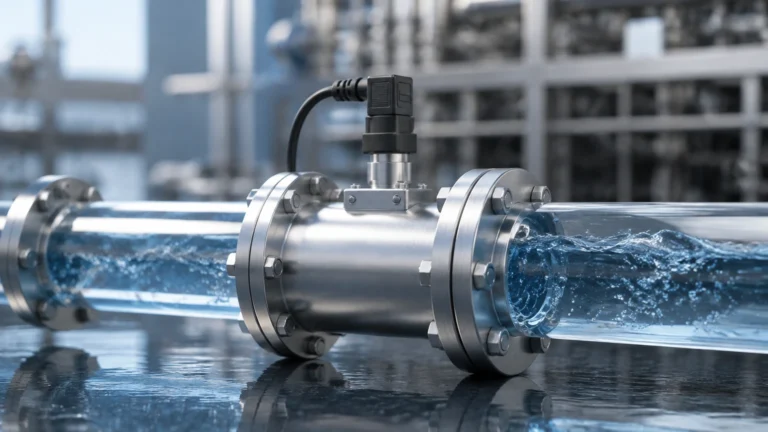
In industrial process control, the term "flushline" refers to a specific mounting configuration where the sensing element of a level measurement instrument is positioned level with the internal wall of a tank, vessel, or pipe. Unlike standard installations where a sensor might be recessed within a nozzle or standpipe, a flushline design ensures there are no cavities or protrusions where process media can accumulate. This engineering approach is critical in applications involving viscous fluids, slurries, or hygienic processes where material buildup can lead to measurement inaccuracies, contamination, or mechanical failure.
Selecting the correct flushline configuration requires an understanding of both the physical properties of the media and the underlying measurement technology. For manufacturers like Welk, providing reliable level measurement solutions often involves advising engineers on when to transition from standard threaded connections to flush-mounted diaphragms or antennas to maintain process integrity.
Measurement Principles in Flushline Configurations
To understand why a flushline mounting is necessary, one must first examine how different level measurement technologies interact with the process environment. The two most common technologies utilizing flush designs are hydrostatic pressure transmitters and radar level meters.
Hydrostatic Pressure Measurement
Hydrostatic level sensors operate on the principle that the pressure at the bottom of a liquid column is proportional to the height of that liquid and its density. In a standard transmitter, the sensing diaphragm is often recessed behind a small port or threaded opening.
In a flushline setup, the diaphragm is moved forward so that it is flush with the process flange. This eliminates the "pocket" in front of the sensor. If a pocket exists in a high-viscosity application (such as molasses or heavy crude oil), the media can solidify or become trapped, preventing the diaphragm from accurately sensing the true hydrostatic head. By using a flush diaphragm, the moving process fluid continuously "sweeps" the sensor face, preventing stagnation.
Radar Level Measurement
Non-contact radar level meters emit electromagnetic pulses that reflect off the surface of the medium. When these sensors are mounted in long nozzles, the internal reflections from the nozzle walls (known as "ringing") can create a large dead zone at the top of the tank, making it impossible to measure high levels accurately.
A flushline radar installation typically uses a lens antenna or a flat-faced PTFE emitter that sits flush with the tank ceiling or the bottom of the flange. This design minimizes nozzle interference and allows the radar beam to propagate freely into the vessel. This is particularly advantageous in applications where foam or condensation might otherwise collect in a recessed nozzle and attenuate the radar signal.
Key Applications for Flushline Mounting
Flushline designs are not required for every application, but they are indispensable in specific industrial sectors. Engineers should prioritize flush configurations in the following scenarios:
1. Hygienic and Sanitary Processes: In the food, beverage, and pharmaceutical industries, any stagnation point is a potential site for bacterial growth. Flushline sensors allow for effective Clean-in-Place (CIP) and Steam-in-Place (SIP) procedures, as there are no crevices that the cleaning agents cannot reach.
2. Viscous and Crystallizing Media: In chemical processing, fluids that harden when cooled or stagnant (such as polymers, resins, or concentrated brines) will quickly plug a standard recessed sensor. Flush mounting ensures the sensor remains in contact with the active process stream.
3. Slurries and Pulp: In mining and paper manufacturing, suspended solids can settle into sensor ports. A flushline diaphragm prevents the grit from abrasive slurries from packing into a cavity, which would otherwise cause a "frozen" pressure reading.
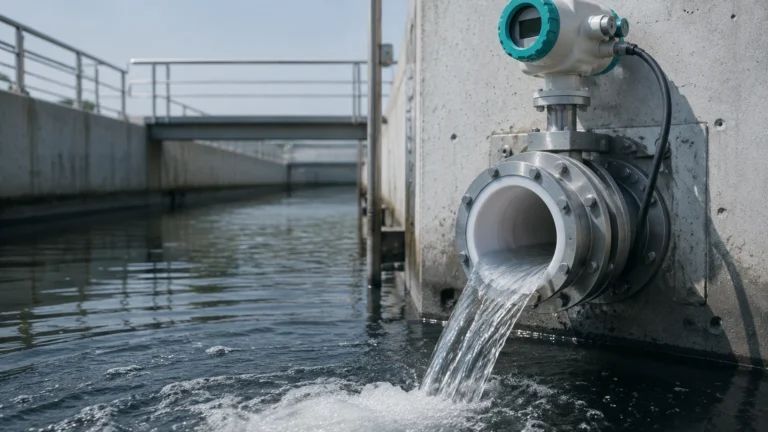
4. Wastewater Treatment: Raw sewage and sludge contain fibrous materials and grease that easily clog small orifices. Flushline hydrostatic transmitters are the standard for lift stations and digesters to ensure long-term reliability without frequent manual cleaning.
Technical Selection Criteria
When specifying a flushline instrument, several technical parameters must be evaluated to ensure compatibility with the process. The following table provides a comparison of considerations for the most common flush-mounted technologies.
Selection Table: Flushline Technology Comparison
| Feature | Flush Diaphragm (Hydrostatic) | Flush Antenna (Radar) |
| :— | :— | :— |
| Primary Media | Liquids, Slurries, Pastes | Liquids, Solids, Corrosive Chemicals |
| Mounting Style | Flanged or Weld-neck | Flanged or Sandwich-style |
| Wetted Materials | 316L SS, Hastelloy, Tantalum | PTFE, PFA, Ceramic |
| Pressure Range | Up to 400 bar (standard) | Up to 160 bar (application dependent) |
| Temp. Range | -40°C to +200°C (with cooling) | -40°C to +250°C (special versions higher) |
| Cleaning | Direct mechanical or CIP/SIP | Non-contact (minimal cleaning) |
| Accuracy Impact | High (sensitive to diaphragm damage) | Low (affected by antenna coating) |
When evaluating these options, engineers should Review product options and application support to determine which material and mounting combination best suits their specific chemical compatibility and pressure requirements.
Installation Considerations for Flushline Instruments
The effectiveness of a flushline sensor is highly dependent on the quality of the installation. A poorly installed flush sensor can create the very problems it was intended to solve.
Alignment and Welding
For hydrostatic transmitters, the use of a weld-neck adapter is common. It is vital that the adapter is welded perfectly perpendicular to the tank wall and that the internal surface is ground smooth. Any burrs or misalignment can cause the media to catch, leading to buildup. In thin-walled tanks, heat from welding can warp the mounting point, so proper heat dissipation techniques must be used.
Gasket Selection
In flanged flushline installations, the gasket must be sized correctly. If the gasket ID (inner diameter) is too small, it will protrude into the flow path, creating a lip where material can collect. If it is too large, it leaves a gap between the flange faces. For hygienic applications, O-ring seals or specialized sanitary gaskets (like Tri-Clamp seals) are preferred to ensure a seamless transition.
Dead Zone Management
Even with a flushline radar, there is a minimum distance the sensor requires to process the return signal. However, because the antenna is flush with the tank top, the "blocking distance" is minimized compared to nozzle-mounted units. Engineers must still account for this distance when setting high-level alarms to prevent the media from coming into physical contact with the radar lens.

Limitations and Potential Risks
While flushline mounting offers significant advantages, it also introduces specific engineering challenges:
* Mechanical Vulnerability: Because the sensing diaphragm or lens is exposed directly to the process, it is more susceptible to damage from mechanical impact. In tanks with high-speed agitators or falling solids, protective baffles may be necessary, though these must be designed carefully to avoid creating new buildup points.
* Thermal Shock: Flush diaphragms have a low thermal mass. Rapid changes in process temperature (e.g., during a cold water flush after a hot CIP cycle) can cause temporary output shifts or, in extreme cases, diaphragm fatigue. Selecting a transmitter with high-quality oil filling and temperature compensation is essential.
* Coating and Scaling: While flushline designs minimize buildup, they do not eliminate it entirely if the media is extremely adhesive. If a thick layer of conductive material coats a flush radar antenna, the signal may be lost. In these cases, a PTFE-coated flush antenna is the best defense, as its non-stick properties encourage droplets to shed.
Frequently Asked Questions (FAQ)
Q: Can I convert a standard threaded sensor into a flushline sensor?
A: Generally, no. A flushline sensor requires a specific housing and sensing element geometry. Attempting to use adapters to move a recessed sensor forward often creates narrow gaps that are even more prone to clogging than the original design.
Q: Is flushline mounting more expensive?
A: Yes, typically. Flush-mounted instruments require larger diaphragms and specialized process connections (like large flanges), which increases material costs. However, the reduction in maintenance and downtime usually provides a rapid return on investment in difficult applications.
Q: Does a flush diaphragm affect the accuracy of a pressure transmitter?
A: Large-diameter flush diaphragms are actually more sensitive and can provide better accuracy for low-pressure ranges. However, they are more sensitive to "mounting stress" if the flange bolts are tightened unevenly. Always use a torque wrench during installation.
Q: How do I clean a flushline sensor if buildup does occur?
A: For hydrostatic sensors, use a soft cloth and a compatible solvent. Never use a screwdriver or wire brush, as the diaphragm is extremely thin (often only 0.05mm to 0.1mm) and easily punctured. For radar, a simple wipe of the PTFE lens is usually sufficient.
Conclusion
Implementing a flushline strategy is a fundamental requirement for modern industrial processes dealing with complex media. By eliminating dead spaces and protecting the sensing interface, these configurations ensure that level measurement remains accurate and maintenance-free. Whether utilizing radar or hydrostatic technology, the key to success lies in matching the instrument's material and mounting style to the specific demands of the process environment. For detailed technical specifications and to explore the full range of industrial measurement hardware, engineers are encouraged to visit the Main Page for comprehensive product data and engineering support.