Food Processing Wastewater Treatment Project
Food Processing Wastewater Treatment Project
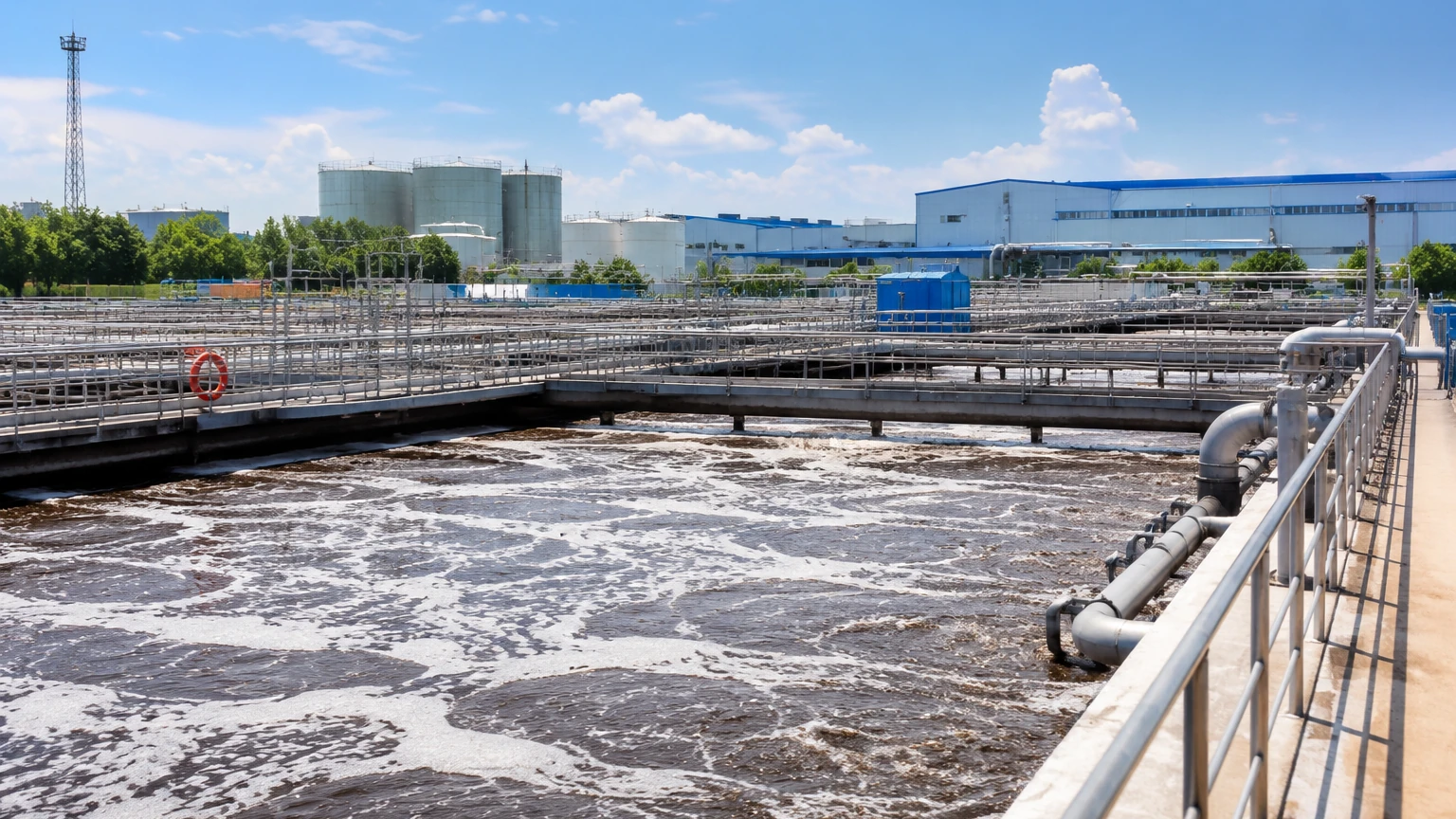
In the industrial landscape, a food processing wastewater treatment project represents one of the most complex engineering challenges due to the high variability of the effluent. Unlike municipal sewage, wastewater from food and beverage production often contains high concentrations of organic matter, fats, oils, and greases (FOG), as well as fluctuating pH levels and temperatures resulting from Cleaning-in-Place (CIP) cycles. For plant managers and process engineers, the success of these projects hinges on the reliability of the instrumentation used to monitor and control the flow, treatment, and discharge of fluids.
Accurate level measurement is a cornerstone of any food processing wastewater treatment project. It ensures that equalization tanks do not overflow, chemical dosing is precise, and anaerobic digesters operate within safe parameters. This guide explores the technical requirements for level instrumentation in these environments, comparing various technologies and providing practical selection criteria for engineering teams.
Principles of Level Measurement in Wastewater Applications
Before selecting instrumentation for a wastewater project, it is essential to understand the physical principles governing different measurement technologies. In the context of food processing, where steam, foam, and suspended solids are common, the choice of principle significantly impacts long-term maintenance and accuracy.
Radar Level Measurement (Non-Contact)
Radar level meters operate on the Time of Flight (ToF) principle. The sensor emits high-frequency microwave pulses (typically in the 26 GHz or 80 GHz range) that travel at the speed of light. When these pulses hit the surface of the wastewater, they are reflected back to the sensor. The device calculates the distance based on the time elapsed between emission and reception.
* Advantages: Radar is unaffected by air temperature, pressure, or the presence of steam and dust. 80 GHz radar, in particular, offers a narrow beam angle, which is ideal for avoiding internal tank obstructions like agitators or heating coils.
* Suitability: Excellent for equalization tanks and chemical storage.
Ultrasonic Level Measurement (Non-Contact)
Ultrasonic sensors emit acoustic pressure waves that reflect off the liquid surface. Like radar, they use the ToF principle. However, because sound requires a medium (air) to travel, the accuracy of ultrasonic sensors can be influenced by air temperature fluctuations, heavy foam, and vacuum conditions.
* Advantages: Cost-effective and easy to install for simple applications.
* Suitability: Best used in open channels or outdoor sumps where the environment is relatively stable.
Hydrostatic Level Measurement (Contact)
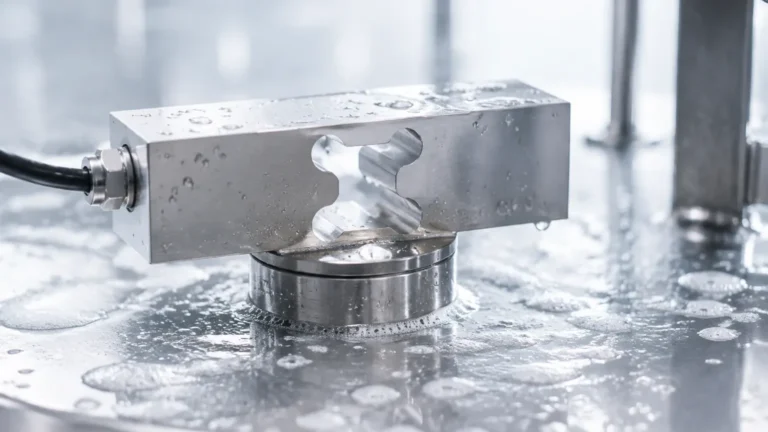
Hydrostatic transmitters measure the pressure exerted by the liquid column above the sensor. According to the formula $P = \rho \cdot g \cdot h$ (where $P$ is pressure, $\rho$ is density, $g$ is gravity, and $h$ is height), the level can be determined if the density of the fluid is constant.
* Advantages: Robust and unaffected by foam or surface turbulence.
* Suitability: Ideal for deep lift stations or sludge holding tanks where non-contact sensors might struggle with surface crusts.
Key Evaluation Criteria for Wastewater Projects
When designing a food processing wastewater treatment project, engineers must evaluate instrumentation based on the specific characteristics of the effluent. Food processing waste is rarely "just water"; it is a dynamic mixture that changes throughout the production day.
1. Resistance to Foam and Turbulence
Many food processes, such as dairy or brewery operations, produce wastewater that foams easily during agitation or aeration. Ultrasonic sensors often fail in these conditions because the foam absorbs the sound waves. Radar or hydrostatic sensors are preferred in aerated tanks or DAF (Dissolved Air Flotation) units.
2. Chemical Compatibility
Wastewater treatment often involves the addition of acids, bases, or flocculants. Furthermore, the wastewater itself may contain caustic cleaning agents from the production floor. Level sensors must be constructed from corrosion-resistant materials such as PVDF, PTFE, or high-grade 316L stainless steel.
3. Solids Content and Build-up
High concentrations of suspended solids or fats can lead to material build-up on contact-based sensors. In these scenarios, non-contact radar is often the superior choice. If a hydrostatic sensor is used, a flush-diaphragm design is necessary to prevent clogging.
Selection Table for Level Instrumentation
The following table provides a quick reference for selecting level measurement technology based on common stages in a food processing wastewater treatment project.
| Process Stage | Primary Challenge | Recommended Technology | Alternative Option |
| :— | :— | :— | :— |
| Equalization Tank | Turbulence & Varying pH | Non-contact Radar | Hydrostatic (Flush Diaphragm) |
| DAF Unit | Heavy Foam & Grease | Radar (High Frequency) | Hydrostatic |
| Chemical Dosing | Corrosive Chemicals | Ultrasonic (PVDF) | Radar (PTFE Coated) |
| Sludge Tank | High Solids & Viscosity | Hydrostatic | Radar |
| Open Channel Flow | Environmental Factors | Ultrasonic | Radar |
| Lift Station | Depth & Debris | Hydrostatic (Submersible) | Ultrasonic |
For more detailed technical specifications and to explore specific product models, engineers can consult the Main Page of professional instrumentation providers like Welk.
Installation Considerations and Common Risks
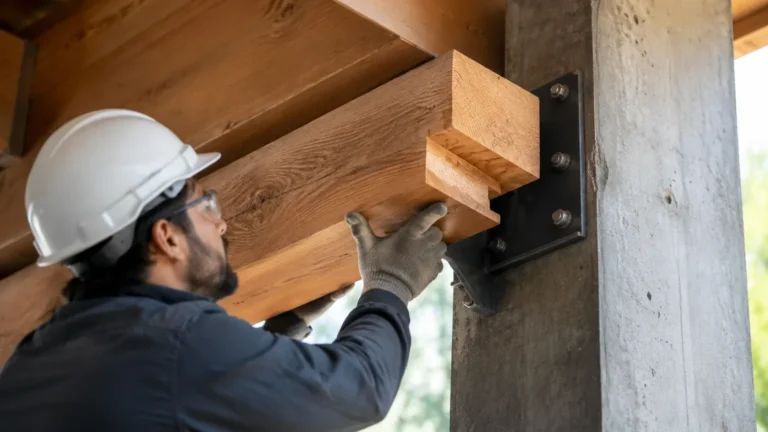
Even the most advanced sensor will fail if improperly installed. In a food processing wastewater treatment project, environmental factors often dictate the success of the installation.
Avoiding Dead Zones
Every non-contact sensor has a "dead zone" (or blocking distance) directly beneath the sensor face where measurements cannot be taken. For example, if a sensor has a 250 mm dead zone, it must be mounted high enough that the maximum liquid level never enters this range. Failure to account for this leads to "locked" readings at the maximum value.
Positioning and Obstructions
Sensors should be mounted away from the tank walls (to avoid false reflections) and away from the inflow pipe (to avoid turbulence and splashing). In tanks with agitators, radar sensors should be positioned so that the beam does not strike the blades. If this is unavoidable, modern radar units often include "false signal suppression" software to ignore these static reflections.
Temperature Gradients
In food processing, wastewater is often discharged at high temperatures (e.g., after a pasteurization run). This creates steam and temperature gradients in the headspace of the tank. In these conditions, radar is significantly more reliable than ultrasonic technology, as the speed of light is not affected by air density changes, whereas the speed of sound is.
Maintenance and Reliability
While modern level meters are designed for low maintenance, the harsh nature of food processing wastewater requires a proactive approach.
1. Routine Cleaning: In applications with high FOG (fats, oils, and grease), even non-contact sensors may experience condensation or build-up on the antenna. Periodic wiping of the sensor face ensures signal integrity.
2. Calibration Checks: Although digital radar sensors do not drift like older analog devices, it is good practice to verify the zero and span settings annually against a physical measurement.
3. Surge Protection: Wastewater plants are often spread over a large area and are susceptible to lightning strikes or power surges. Using instruments with built-in surge protection or installing external arrestors is a critical risk-mitigation step.
Frequently Asked Questions (FAQs)
Q: Can I use an ultrasonic sensor for wastewater with heavy foam?
A: Generally, no. Foam acts as an acoustic insulator, absorbing the sound waves and causing the sensor to lose the signal. Radar is much more effective as microwaves penetrate through most types of foam to reach the liquid surface.
Q: How does the density of sludge affect hydrostatic level measurement?
A: Hydrostatic sensors measure pressure. If the density ($
ho$) of the sludge increases, the pressure at the bottom of the tank will increase even if the level ($h$) remains the same. If sludge density varies significantly, you must recalibrate the sensor or use a non-contact method like radar.
Q: What is the benefit of 80 GHz radar over 26 GHz radar?
A: 80 GHz radar has a much narrower beam angle (around 3 to 6 degrees). This allows the sensor to be installed in smaller nozzles or in tanks with many internal obstructions without receiving interference from the tank walls or pipes.
Q: Are submersible hydrostatic sensors safe for corrosive wastewater?
A: Yes, provided the cable and the housing are made from compatible materials. For example, a FEP cable and a ceramic or Hastelloy diaphragm are often used for aggressive chemical environments in wastewater treatment.
Conclusion
A successful food processing wastewater treatment project requires a holistic view of the process environment. By understanding the measurement principles of radar, ultrasonic, and hydrostatic technologies, and by carefully evaluating the specific challenges of the effluent—such as foam, temperature, and chemical composition—engineers can select the most appropriate instrumentation. Reliable level monitoring not only prevents environmental non-compliance but also optimizes the efficiency of the entire treatment facility. For those seeking to specify equipment for their next project, visiting the Main Page provides access to a wide range of industrial-grade solutions tailored for these demanding applications.
Download Food Processing Wastewater Treatment Project as a PDF