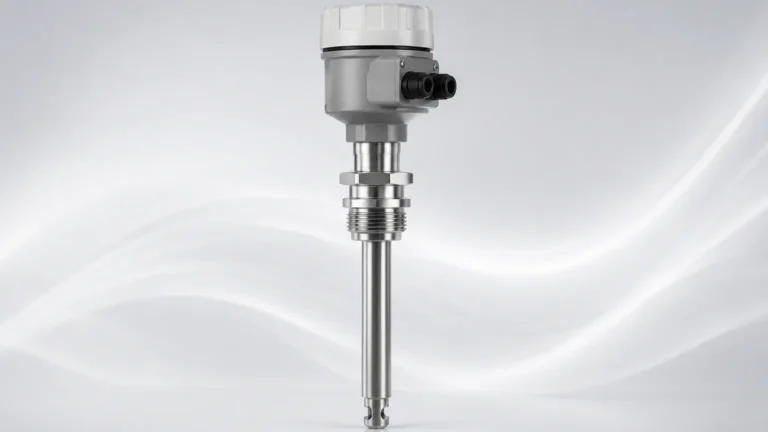
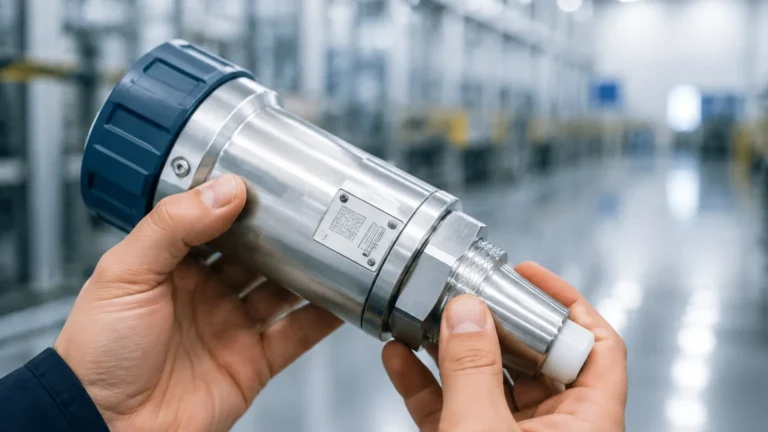
Gas Metering Skid
Gas Metering Skid
A gas metering skid is a specialized, pre-engineered system designed to accurately measure the flow rate, volume, and quality of gases as they pass through a pipeline. These systems are fundamental to the energy, chemical, and industrial automation sectors, serving as the "cash register" for custody transfer transactions where gas changes ownership. Beyond fiscal measurement, gas metering skids are essential for process control, ensuring that downstream systems receive the correct volume of fuel or feedstock at the required pressure and temperature.
In industrial environments, gas is rarely a simple, single-phase fluid. It often contains moisture, particulates, or heavier hydrocarbons that can condense into liquids. Consequently, a functional gas metering skid is more than just a flow meter; it is an integrated assembly involving filtration, pressure regulation, temperature compensation, and liquid level management. Understanding the engineering principles behind these systems is critical for selecting the right configuration for specific operational needs.
Understanding the Function of a Gas Metering Skid
The primary objective of a gas metering skid is to provide a highly accurate and repeatable measurement of gas flow. Because gases are compressible, their volume changes significantly with variations in temperature and pressure. Therefore, a metering skid must measure these variables simultaneously to calculate the "standard" or "normal" volume—the volume the gas would occupy at a reference temperature and pressure.
For many projects, the skid also acts as a primary filtration and safety hub. Before the gas reaches the sensitive measurement instruments, it typically passes through a filtration stage to remove solids and a separator stage to remove liquids. If liquid levels in these separators are not monitored and managed correctly, they can carry over into the flow meters, causing significant measurement errors or mechanical damage. This is where advanced level measurement technologies, such as those found on the Main Page of industrial instrument catalogs, become vital components of the overall skid design.
Core Measurement Principles in Gas Flow and Level Monitoring
Designing an effective gas metering skid requires a deep understanding of fluid dynamics and thermodynamics. Several measurement principles are commonly employed, each with specific advantages depending on the gas type and flow conditions.
Flow Measurement Principles
1. Differential Pressure (DP): This method uses a primary element, such as an orifice plate or Venturi tube, to create a pressure drop. The square root of the pressure difference is proportional to the flow rate. While traditional, it requires precise pressure and temperature compensation.
2. Ultrasonic Flow Measurement: These meters use acoustic pulses to determine the velocity of the gas. They are highly accurate, have no moving parts, and offer a wide turndown ratio, making them ideal for high-capacity custody transfer.
3. Coriolis Mass Flow: This principle measures the mass flow directly by detecting the inertia of the gas flowing through vibrating tubes. It is exceptionally accurate and unaffected by changes in gas composition or density.
4. Turbine Meters: These use the mechanical energy of the gas to rotate a rotor. The rotational speed is proportional to the gas velocity. They are common in distribution networks but require clean gas to avoid bearing wear.
Level Measurement Principles in Separator Stages
Within a gas metering skid, liquid separators are used to protect the flow meters. Monitoring the liquid level in these vessels is critical:
* Radar Level Measurement: Non-contact radar (60GHz or 80GHz) is often used to monitor condensate levels in separators. It is unaffected by the high-pressure gas environment or changes in gas density.
* Hydrostatic Pressure: This method measures the weight of the liquid column. It is a robust and cost-effective solution for many separator applications, provided the gas blanket pressure is accounted for via differential pressure measurement.
* Magnetic Level Gauges: These provide a visual indication and can be equipped with transmitters for remote monitoring, offering a reliable mechanical backup to electronic sensors.
Key Components of an Industrial Gas Metering Skid
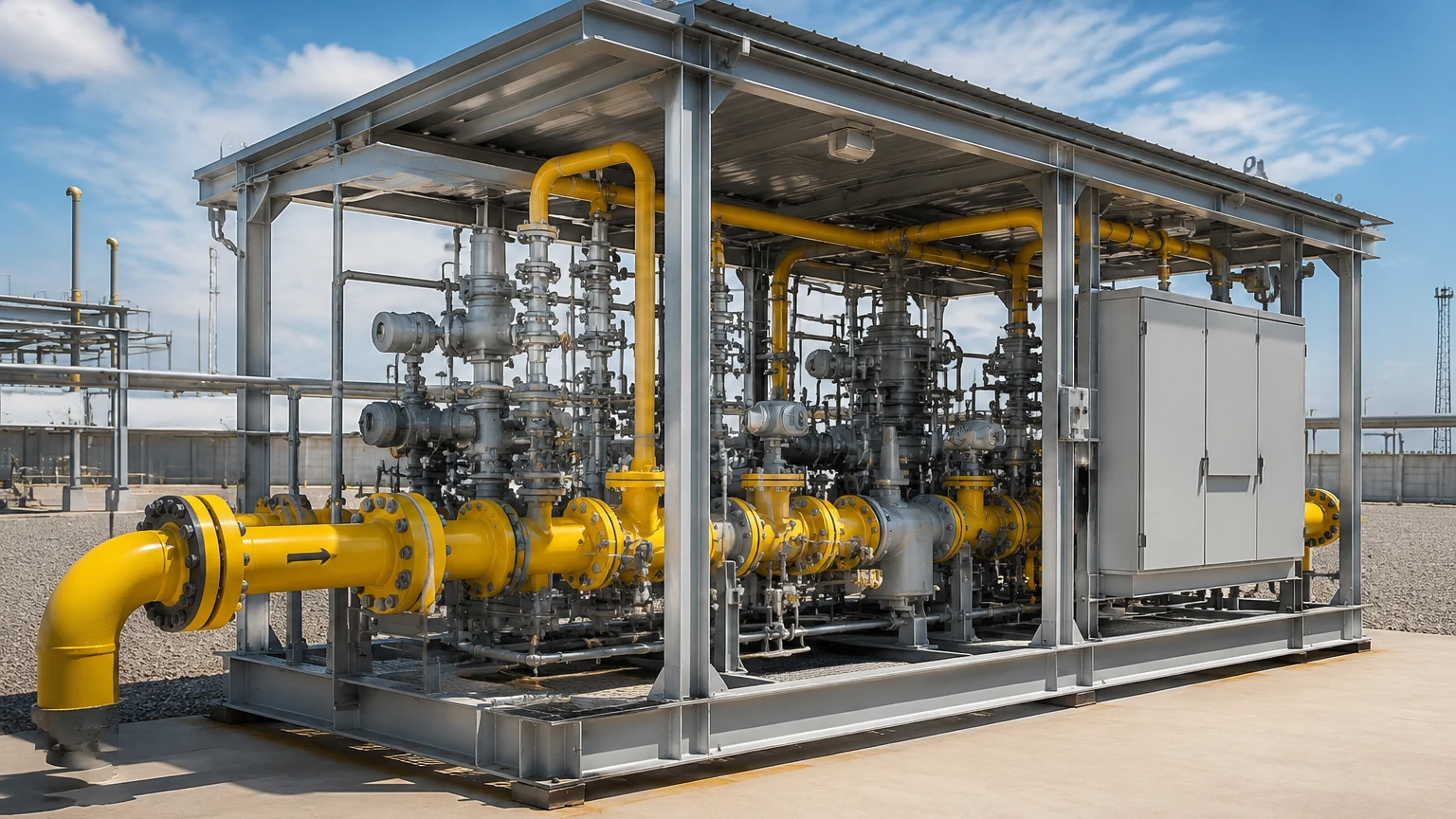
A gas metering skid is a modular assembly, typically mounted on a structural steel frame for ease of transport and installation. The following components are standard in most industrial configurations:
1. Inlet Section and Filtration
Before measurement, the gas must be conditioned. Scrubber-separators or filter-separators remove pipeline scale, dust, and liquid droplets. Level switches or transmitters are installed here to trigger automated drain valves when liquids accumulate.
2. Flow Metering Run
This is the core of the skid. It usually consists of a straight run of pipe to ensure a stable flow profile. Depending on the required redundancy, a skid may have multiple meter runs (e.g., a "duty" run and a "standby" run) to allow for maintenance without interrupting the gas supply.
3. Instrumentation and Transmitters
To convert raw flow data into standardized units, the skid includes:
* Pressure Transmitters: Measuring line pressure.
* Temperature Transmitters (RTDs): Measuring gas temperature.
* Flow Computers: These devices integrate the flow, pressure, and temperature data in real-time, applying complex algorithms (such as AGA or ISO standards) to calculate the energy content and standardized volume.
4. Pressure Regulation and Control
Valves are used to maintain a constant downstream pressure or to limit the flow rate. These are often pneumatically or electrically actuated and integrated into the skid's control system.
Selection Criteria: Evaluating Your Project Requirements
Choosing the right gas metering skid involves balancing accuracy requirements with capital and operational costs. Engineers should consider the following criteria during the evaluation phase:
| Criteria | Description | Key Considerations |
| :— | :— | :— |
| Accuracy Class | The required uncertainty level (e.g., ±0.5% for custody transfer). | Higher accuracy often requires ultrasonic or Coriolis meters. |
| Gas Composition | The chemical makeup of the gas (e.g., natural gas, CO2, Hydrogen). | Corrosive gases require specialized materials like 316L Stainless Steel or Monel. |
| Pressure Rating | The maximum operating pressure of the system. | Skids must be designed to ASME B31.3 or equivalent piping codes. |
| Flow Range | The minimum and maximum expected flow rates (Turndown). | Ensure the meter can accurately measure low flows during off-peak periods. |
| Liquid Content | The expected amount of condensate or moisture. | Determines the size and type of separation and level monitoring needed. |
| Regulatory Compliance | Adherence to local and international standards. | Weights and Measures certification may be required for fiscal billing. |
Installation and Maintenance Best Practices
The performance of a gas metering skid is heavily dependent on correct installation and proactive maintenance. Even the most expensive flow meter will provide inaccurate data if the surrounding piping creates turbulence or if liquids are allowed to pool in the meter run.
Piping and Orientation
Most flow meters require a specific length of straight pipe upstream and downstream to eliminate swirls and velocity profile distortions. Flow conditioners (vane-type or perforated plates) can be used to reduce these requirements in space-constrained skids. Additionally, the skid should be installed level to ensure that liquid separators and level transmitters function according to their calibrated parameters.
Environmental Considerations
In cold climates, gas metering skids may require heat tracing and insulation to prevent hydrate formation or the freezing of condensate in impulse lines. Conversely, in high-temperature environments, sunshades may be necessary to protect sensitive electronics and transmitters.
Calibration and Verification
Regular calibration is essential for maintaining the integrity of the measurement. For custody transfer skids, this often involves "proving" the meter against a master meter or a mobile calibration rig. Level transmitters used in the separation stage should also be checked periodically to ensure they correctly trigger drainage sequences, preventing liquid carry-over.
Common Risks and Operational Limitations
While gas metering skids are designed for reliability, several risks can impact their performance:
* Hydrate Formation: In high-pressure natural gas lines, the presence of water can lead to the formation of solid hydrates (ice-like structures) that can block filters and damage meters. This is usually managed through heating or chemical injection.
* Contamination: Fine particulates or "black powder" in pipelines can erode orifice plates or damage the bearings in turbine meters. High-efficiency filtration is the primary defense.
* Pulsation: Reciprocating compressors upstream can create pressure pulsations that interfere with differential pressure and ultrasonic measurements. Pulsation dampeners are often required in these scenarios.
* Two-Phase Flow: If the gas contains significant amounts of liquid, standard gas flow meters will over-read the flow rate. Effective separation and accurate level control are the only ways to mitigate this risk.
Frequently Asked Questions (FAQs)
Q: What is the difference between a gas metering skid and a gas regulating station?
A: While they are often combined, a metering skid focuses on the accurate measurement of the gas, whereas a regulating station focuses on reducing and maintaining a specific downstream pressure. Most modern systems perform both functions.
Q: How often should the level sensors in a gas metering skid be calibrated?
A: For critical safety and separation functions, level sensors should be verified every 6 to 12 months. However, self-diagnostic instruments, such as advanced radar level meters, can often extend these intervals by providing real-time health monitoring.
Q: Can a gas metering skid handle multiple types of gas?
A: It depends on the meter type. Coriolis and ultrasonic meters can often be programmed for different gas compositions, but the physical materials of the skid (seals, gaskets, and piping) must be compatible with all gases being measured.
Q: Why is temperature compensation necessary?
A: Gas volume is highly sensitive to temperature. A change of just 3°C (approx. 5.4°F) can result in a 1% change in volume. Without temperature compensation, the financial error in high-volume custody transfer would be significant.
Conclusion and Next Steps
A gas metering skid is a complex piece of engineering that requires the integration of flow, pressure, temperature, and level measurement technologies. For project managers and engineers, the key to a successful installation lies in clearly defining the gas properties and the required accuracy levels before the design phase begins.
When evaluating components for your next project, ensure that the instrumentation selected—from the primary flow meter to the level transmitters in the separator—is rated for the specific hazardous area and pressure requirements of your site. For a comprehensive look at the various measurement technologies available for industrial level and flow applications, you can review product options and application support on the Main Page of the manufacturer's technical resource center. Confirming these technical details early in the process will ensure the long-term reliability and fiscal accuracy of your gas metering system.