High Pressure Mass Flow Meter
High Pressure Mass Flow Meter
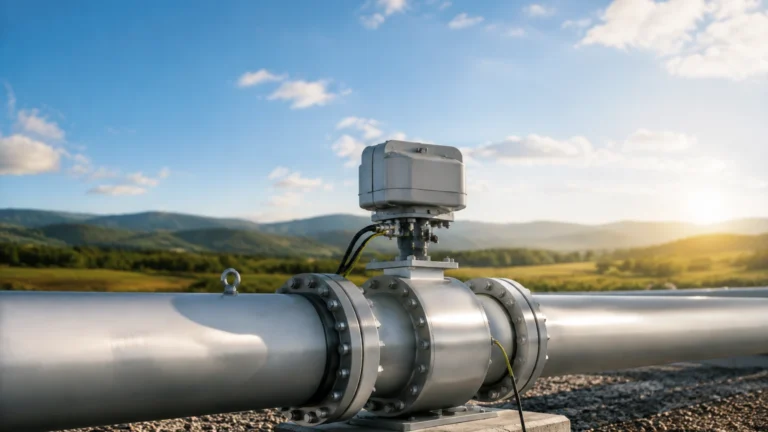
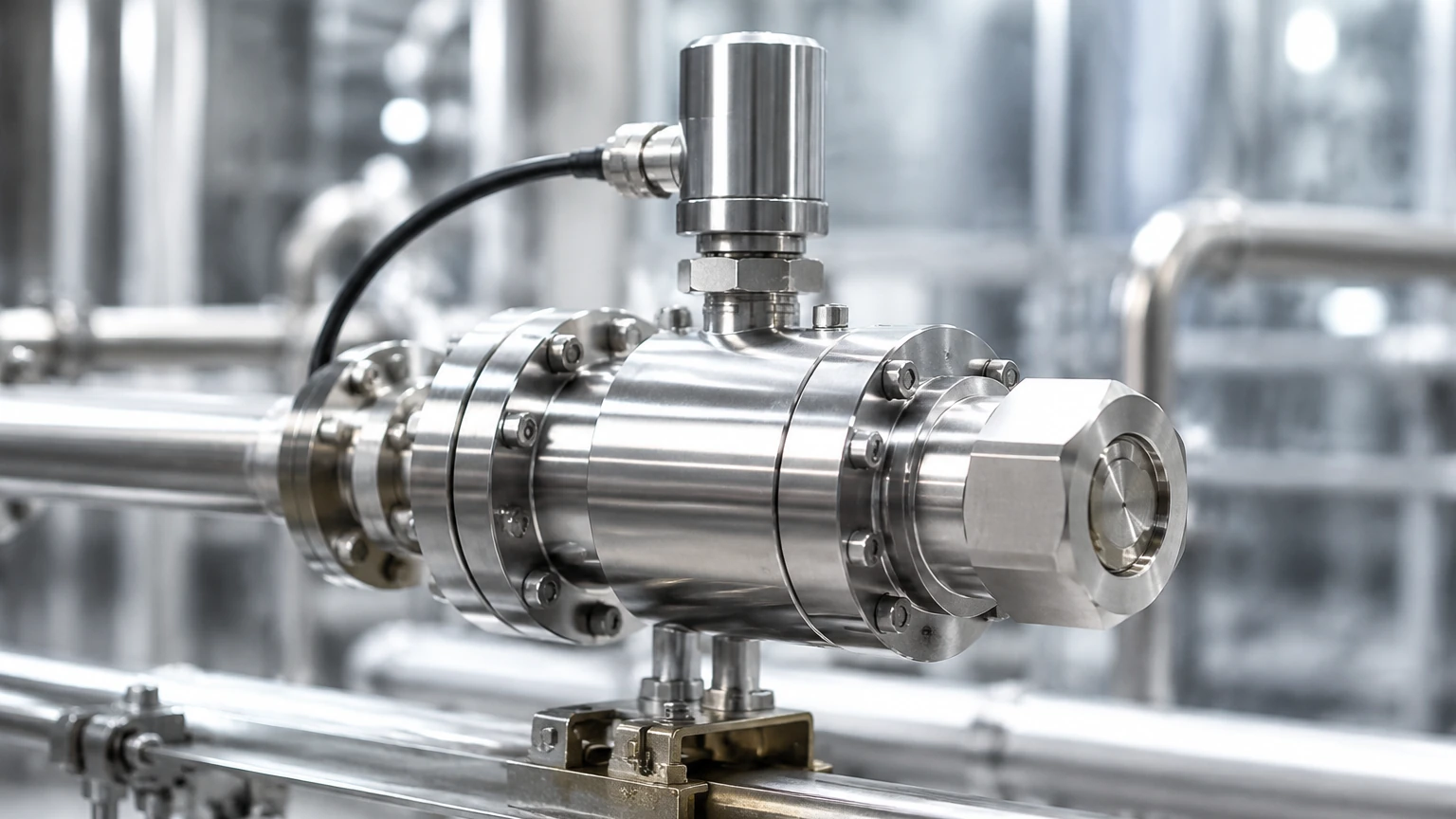
In industrial process control, the accurate measurement of fluid mass is often more critical than volume, particularly when dealing with high-pressure environments. A high pressure mass flow meter is a precision instrument designed to measure the mass of a fluid (liquid or gas) passing through a system while operating under significant internal pressure—often exceeding 100 bar (1,450 psi) and reaching up to 350 bar (5,076 psi) or higher in specialized applications. Unlike volumetric flow meters, mass flow meters are inherently immune to the density fluctuations caused by changes in pressure and temperature, making them indispensable for chemical dosing, high-pressure gas filling, and oil and gas production.
Selecting the correct instrumentation requires a deep understanding of the physics of flow and the mechanical constraints imposed by high-pressure containment. This guide provides a technical overview of measurement principles, selection criteria, and installation best practices for engineers and procurement professionals.
Measurement Principles for High Pressure Mass Flow
Before selecting a meter, it is essential to understand the primary technologies used to capture mass flow data directly. While several methods exist, Coriolis and Thermal Mass are the most prevalent in high-pressure industrial applications.
Coriolis Principle
Coriolis mass flow meters are considered the "gold standard" for accuracy in high-pressure applications. The principle relies on the Coriolis effect: a fluid moving through a vibrating tube induces a measurable twist or phase shift in that tube.
Inside the meter, one or two measuring tubes are vibrated at their natural frequency by an electromagnetic drive coil. When a fluid flows through these tubes, the momentum of the mass causes the tubes to twist. Sensors (pick-offs) located at the inlet and outlet of the tubes measure the time delay (phase shift) between the oscillations. This phase shift is directly proportional to the mass flow rate.
In high-pressure scenarios, the measuring tubes must be constructed with thicker walls to withstand the internal stress. While thicker walls can reduce the sensitivity of the vibration, advanced digital signal processing (DSP) allows modern Coriolis meters to maintain high accuracy (often ±0.1% to ±0.05% of rate) even at pressures exceeding 300 bar.
Thermal Mass Principle
Thermal mass flow meters are primarily used for gas applications. They operate based on the thermal properties of the fluid, specifically the rate at which heat is conducted away from a heated sensor.
Typically, the meter employs two RTD (Resistance Temperature Detector) sensors: one measures the ambient temperature of the gas, and the other is heated to a specific temperature above the ambient. As gas flows past the heated sensor, it carries heat away. The instrument either measures the amount of power required to maintain the temperature differential or the temperature drop at a constant power input.
Because the cooling effect is directly related to the number of molecules (mass) passing the sensor, the reading is independent of pressure changes. However, at very high pressures, the gas density increases significantly, which can affect the heat transfer coefficients; therefore, high-pressure thermal meters must be calibrated specifically for the intended operating pressure range.
Evaluation Criteria for High Pressure Applications
When evaluating a high pressure mass flow meter, engineers must balance measurement precision with mechanical integrity and safety. For comprehensive system design, engineers often consult the Main Page of technical manufacturers to ensure flow data integrates seamlessly with level and pressure monitoring systems.
1. Pressure Rating and Safety Factor
The most critical factor is the Maximum Allowable Working Pressure (MAWP). In the European Union, these instruments must comply with the Pressure Equipment Directive (PED), while in North America, ASME B31.3 standards typically apply. For high-pressure service, the meter body and process connections (typically flanged or NPT/Autoclave fittings) must be rated for the peak surge pressures of the system, not just the nominal operating pressure.
2. Material Compatibility
High pressure increases the solubility of gases in liquids and can accelerate corrosive effects. Common materials include 316L Stainless Steel for general use, but for sour gas (H2S) or highly corrosive chemicals, exotic alloys like Hastelloy C22, Monel, or Super Duplex are required. For hydrogen applications, materials must be chosen to prevent hydrogen embrittlement.
3. Accuracy and Turndown Ratio
Turndown ratio refers to the range over which the meter can measure accurately (e.g., 100:1). In high-pressure gas filling, flow rates can vary from very high at the start to very low as the receiving vessel reaches equilibrium. Coriolis meters typically offer superior turndown compared to thermal or differential pressure meters.
Selection Table: Coriolis vs. Thermal Mass
| Feature | Coriolis Mass Flow Meter | Thermal Mass Flow Meter |
| :— | :— | :— |
| Primary Media | Liquids, Slurries, High-Pressure Gases | Clean Gases, Compressed Air |
| Typical Accuracy | ±0.1% to ±0.2% of rate | ±1.0% to ±2.0% of full scale |
| Pressure Limit | Up to 350+ bar (Custom higher) | Typically up to 100 bar |
| Temperature Range | -200°C to +400°C | -40°C to +200°C |
| Pressure Drop | Moderate (depends on tube diameter) | Very Low (non-intrusive designs) |
| Maintenance | Low (no moving parts) | Low (requires clean gas) |
| Cost | High | Moderate |
Installation Considerations
Correct installation is vital to ensure the longevity and accuracy of a high pressure mass flow meter. High-pressure systems often generate significant vibration and thermal stress, which can interfere with sensitive mass measurements.
1. Mechanical Support: For Coriolis meters, the instrument should be securely mounted to a rigid structure. However, the piping immediately adjacent to the meter should be supported in a way that prevents pipe stress (from thermal expansion or high-pressure pulsation) from being transmitted to the meter body.
2. Orientation:
* Liquids: The meter should be installed with the tubes pointing downward (in a "U" shape) or in a vertical line with upward flow to prevent gas bubbles from becoming trapped.
* Gases: The meter should be installed with the tubes pointing upward to prevent condensate or liquids from collecting in the tubes.
3. Upstream/Downstream Piping: While Coriolis meters are generally insensitive to flow profile and do not require long straight runs, thermal mass meters are highly sensitive. Thermal meters typically require 10 to 20 diameters of straight pipe upstream to ensure a developed flow profile.
4. Bypass Valves: In high-pressure systems, it is standard practice to install a bypass loop. This allows for zero-point calibration and maintenance without shutting down the entire process line.
Limitations and Common Risks
Despite their advanced technology, high pressure mass flow meters face specific operational challenges:
* Entrained Gas/Two-Phase Flow: In Coriolis meters, the presence of gas bubbles in a liquid stream (or liquid droplets in a gas stream) can cause the tubes to vibrate erratically, leading to "slug flow" errors. While modern meters have "smart" algorithms to handle entrained gas, accuracy will degrade.
* Pressure Drop: At high pressures, the density of gas increases, which can lead to a higher pressure drop across the meter than expected. This must be calculated during the design phase to ensure the process remains within required parameters.
* Zero Drift: High-pressure environments can cause slight mechanical shifts in the meter's internal structure. Regular zero-point verification under actual operating pressure (but zero flow) is necessary to maintain precision.
Integration with Level Measurement
In many industrial applications, mass flow data is used in conjunction with level measurement to perform mass balance calculations. For example, in a high-pressure chemical reactor, a radar level sensor or a magnetic level gauge provides the volume/height data, while a high pressure mass flow meter tracks the exact mass of reactants added.
Discrepancies between the mass added (flow meter) and the change in inventory (level meter) can indicate leaks, vapor losses, or changes in fluid density. For engineers designing these integrated systems, reviewing the various technologies available on the Main Page of specialized instrument providers is a key step in ensuring equipment compatibility.
Frequently Asked Questions (FAQ)
Q: Does high pressure affect the calibration of a Coriolis meter?
A: While the Coriolis principle is theoretically independent of pressure, the physical stiffness of the measuring tubes increases slightly under high internal pressure. Most high-end meters include a pressure compensation factor or an onboard pressure sensor to automatically correct for this effect.
Q: Can these meters be used for custody transfer?
A: Yes, many high pressure mass flow meters are certified for custody transfer (OIML R117 or NIST standards), particularly in the CNG (Compressed Natural Gas) and hydrogen refueling industries where mass-based billing is required.
Q: What is the typical lifespan of a meter in high-pressure service?
A: With proper material selection and protection from hydraulic shock (water hammer), a mass flow meter can last 10 to 20 years. The primary failure modes are erosion from high-velocity particulates or corrosion due to improper material specification.
Q: Are there specific safety certifications required?
A: In addition to pressure ratings, if the fluid is flammable, the meter must have hazardous area certifications such as ATEX, IECEx, or UL/CSA Class I Div 1. For high-pressure oxygen service, the meter must also be specifically cleaned and certified to be free of hydrocarbons to prevent spontaneous combustion.