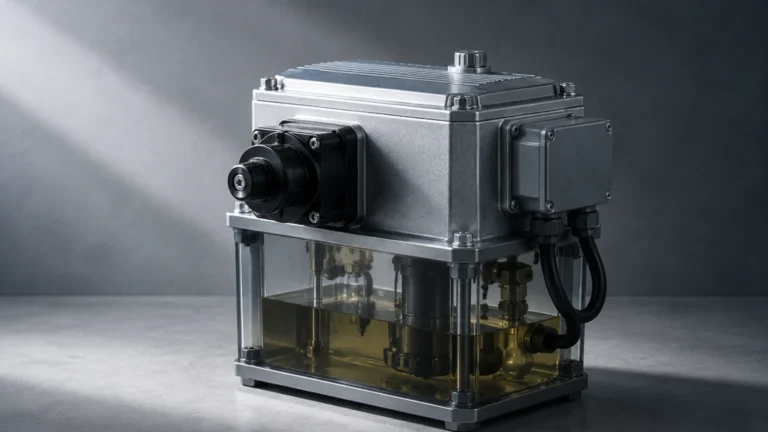
High Temperature Measurement
High Temperature Measurement
In industrial process control, level measurement is a critical parameter for safety, efficiency, and inventory management. However, when processes involve extreme heat—such as in steam boilers, chemical reactors, smelting furnaces, or oil refining—standard instrumentation often fails. High temperature measurement in level sensing requires specialized engineering to protect sensitive electronics and ensure that physical properties like thermal expansion or vapor pressure do not compromise accuracy.
Selecting the right instrument for high-temperature environments involves more than just checking a datasheet for a temperature rating. It requires an understanding of how heat affects the measurement principle itself and how the physical installation can be optimized to dissipate heat before it reaches the sensor’s core components.
Principles of Level Measurement in High-Heat Environments
Before recommending specific instruments, it is essential to understand how different measurement principles interact with heat. Temperature affects the physical properties of both the medium being measured and the environment within the vessel.
1. Time-of-Flight (ToF) and Wave Propagation
Technologies like radar and ultrasonic sensors rely on the time it takes for a signal to travel to the surface and back. In high temperature measurement, the speed of sound (used in ultrasonic sensors) is highly dependent on air temperature and gas composition. As temperature increases, the speed of sound increases, which can lead to significant errors if not compensated for. Radar, which uses electromagnetic waves, is much less affected by temperature changes in the vapor space, making it a preferred choice for high-heat applications.
2. Buoyancy and Density
Mechanical systems, such as magnetic level gauges or float switches, rely on Archimedes' principle. As the temperature of a liquid rises, its density typically decreases. If a float is calibrated for a liquid at 20°C (68°F) but the process operates at 300°C (572°F), the float may sink further into the liquid, causing a measurement offset. High-temperature designs must account for these density shifts.
3. Hydrostatic Pressure
Hydrostatic transmitters measure the pressure exerted by a liquid column. In high-temperature applications, the primary challenge is protecting the pressure diaphragm and the fill fluid. High heat can cause the fill fluid to expand or even boil, leading to zero shifts or permanent damage to the sensor.
Radar Level Meters for High-Temperature Applications
Radar technology is widely considered the most robust solution for high temperature measurement. Because it is non-contact, the most sensitive parts of the instrument—the electronics—can be physically separated from the process heat.
Non-Contact Radar (80GHz and 26GHz)
Modern 80GHz radar level meters are ideal for high-temperature reactors. To handle temperatures exceeding 200°C (392°F), these units often utilize a "high-temperature extension" or a "heat sink." This is essentially a finned section of the antenna assembly that dissipates heat into the ambient air before it reaches the transmitter head.
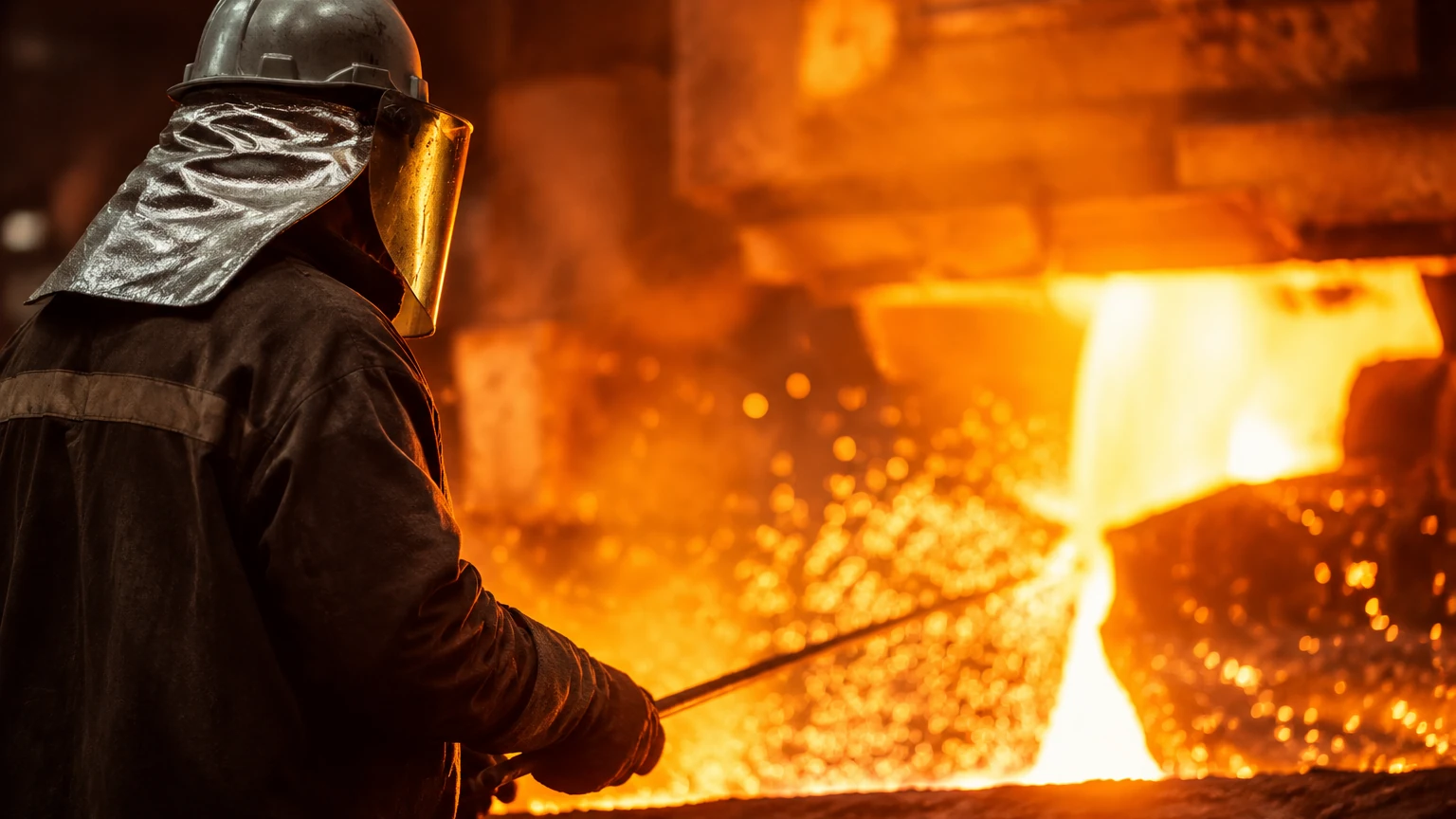
For even more extreme cases, such as molten glass or metal where temperatures exceed 1000°C (1832°F), radar sensors are often installed behind a "window" made of heat-resistant material like quartz or specialized ceramics. This allows the radar waves to pass through while the sensor remains in a temperature-controlled environment.
Guided Wave Radar (GWR)
Guided wave radar uses a physical probe (rod or cable) that remains in contact with the medium. While this offers a very stable signal in the presence of foam or steam, the probe and its seals must be rated for the process temperature. High-temperature GWR units use specialized ceramic-to-metal seals to prevent process leakage and protect the electronics from thermal conduction through the probe.
Magnetic Level Gauges and Visual Indicators
For many high-pressure steam applications, such as power plant boilers, magnetic level gauges are the industry standard. These instruments provide a clear visual indication without requiring a power source, which is vital for safety redundancy.
In high temperature measurement scenarios, magnetic gauges are constructed from heavy-wall stainless steel (316L), Titanium, or Hastelloy. The primary engineering concern here is the magnet within the float. Standard magnets lose their magnetic field (the Curie point) when exposed to high heat. High-temperature gauges utilize Alnico magnets or specialized Rare Earth compositions that maintain their magnetic properties up to 450°C (842°F).
Furthermore, the chambers are often equipped with high-temperature insulation blankets to maintain process temperature and prevent the liquid from flashing into vapor or solidifying, which would jam the float.
Selection Criteria for High-Temperature Level Sensors
When evaluating instruments for heat-intensive processes, engineers should use the following criteria to ensure long-term reliability:
1. Maximum Process Temperature: Distinguish between the continuous operating temperature and peak excursion temperatures.
2. Ambient Temperature: High process temperatures often lead to high ambient temperatures near the vessel. Ensure the transmitter housing is rated for the local environment or utilize remote-mounted electronics.
3. Pressure-Temperature (P-T) Rating: Materials become weaker as they get hotter. A flange rated for 40 bar at 20°C may only be rated for 20 bar at 300°C.
4. Chemical Compatibility: Corrosion rates often accelerate at higher temperatures. A material that is resistant to a chemical at room temperature may fail rapidly at 150°C.
5. Cooling Requirements: Determine if compressed air cooling or water cooling jackets are required for the sensor head.
Comparison Table: High Temperature Measurement Technologies
| Technology | Max Process Temp (Typical) | Accuracy | Best For | Limitations |
| :— | :— | :— | :— | :— |
| Non-Contact Radar | Up to +1200°C (with cooling) | ±1-2 mm | Chemical reactors, molten solids | Requires heat sinks/cooling |
| Guided Wave Radar | Up to +450°C | ±2-3 mm | Steam boilers, low dielectric liquids | Probe material limits |
| Magnetic Gauge | Up to +450°C | ±5-10 mm | Power industry, visual monitoring | Density dependent |
| Hydrostatic | Up to +315°C (capillary) | ±0.1% Span | Pressurized tanks, oils | Capillary tube fragility |
| Level Switches | Up to +600°C | Point Level | Overfill protection | No continuous output |
Installation Considerations and Best Practices
Proper installation is the most effective way to extend the life of an instrument used for high temperature measurement. Even a sensor rated for high heat will last longer if thermal stress is minimized.
Standoff Pipes and Nozzles
Increasing the distance between the process and the sensor is a simple yet effective strategy. A longer mounting nozzle allows for a temperature gradient to form, ensuring the transmitter head is exposed to lower temperatures. For radar, a nozzle length of 200mm to 500mm is common in high-heat applications, provided the radar beam angle is narrow enough to avoid interference from the nozzle walls.
Insulation and Heat Dissipation
While it is common to insulate vessels to save energy, the mounting flange and the instrument itself should often remain uninsulated or be equipped with a heat dissipation fin. This allows heat to escape into the atmosphere rather than traveling up into the electronics housing.
Remote Electronics
For the most extreme environments, choosing a model with remote electronics is advisable. In this configuration, the sensor head (which contains no active electronics) is mounted on the vessel, and a specialized high-temperature cable connects it to the transmitter unit located several meters away in a cooler environment.
Limitations of High-Temperature Systems
It is important to recognize the physical boundaries of these technologies:
* Thermal Expansion: In very tall vessels, the vessel itself and the measurement probe (in GWR) will expand. This can introduce a small percentage of error if not mathematically compensated in the control system.
* Signal Attenuation: In some high-temperature gases, the signal strength of radar or ultrasonic waves can be attenuated, reducing the effective measurement range.
* Seal Failure: The most common failure point in high-temperature instruments is the seal (O-rings or gaskets). Graphite or ceramic seals are required for temperatures where Viton or PTFE would melt.
Frequently Asked Questions (FAQs)
Q: Can ultrasonic sensors be used for high temperature measurement?
A: Generally, no. Most ultrasonic sensors are limited to 80°C-100°C. Beyond this, the speed of sound becomes too unpredictable due to temperature gradients, and the piezoelectric crystals in the transducer can degrade.
Q: How does steam affect radar measurement?
A: High-pressure steam can increase the dielectric constant of the vapor space, slightly slowing down the radar signal. High-end radar units have "steam compensation" features that use a reference pulse to correct this error in real-time.
Q: What is the best way to protect electronics from radiant heat?
A: Use a sunshade or a radiant heat shield between the vessel and the transmitter. Additionally, choosing a stainless steel housing instead of aluminum can provide better resistance to harsh environmental conditions.
Conclusion
Successful high temperature measurement requires a holistic approach that considers the physics of the process, the metallurgy of the sensor, and the thermal dynamics of the installation site. By selecting technologies like high-frequency radar or robust magnetic gauges and employing proper heat dissipation techniques, industrial operators can achieve accurate and reliable level data even in the most demanding thermal environments.
For more detailed technical specifications and to explore our full range of industrial level measurement solutions, please visit our Main Page. Selecting the right tool for the job is the first step toward process safety and operational excellence.