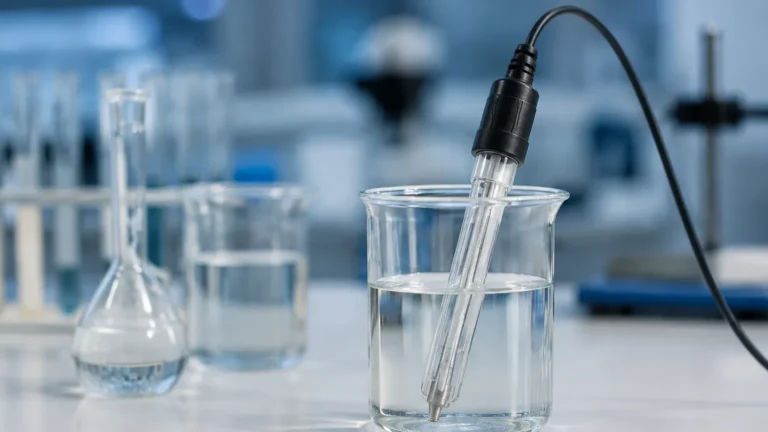
High Temperature Test
High Temperature Test
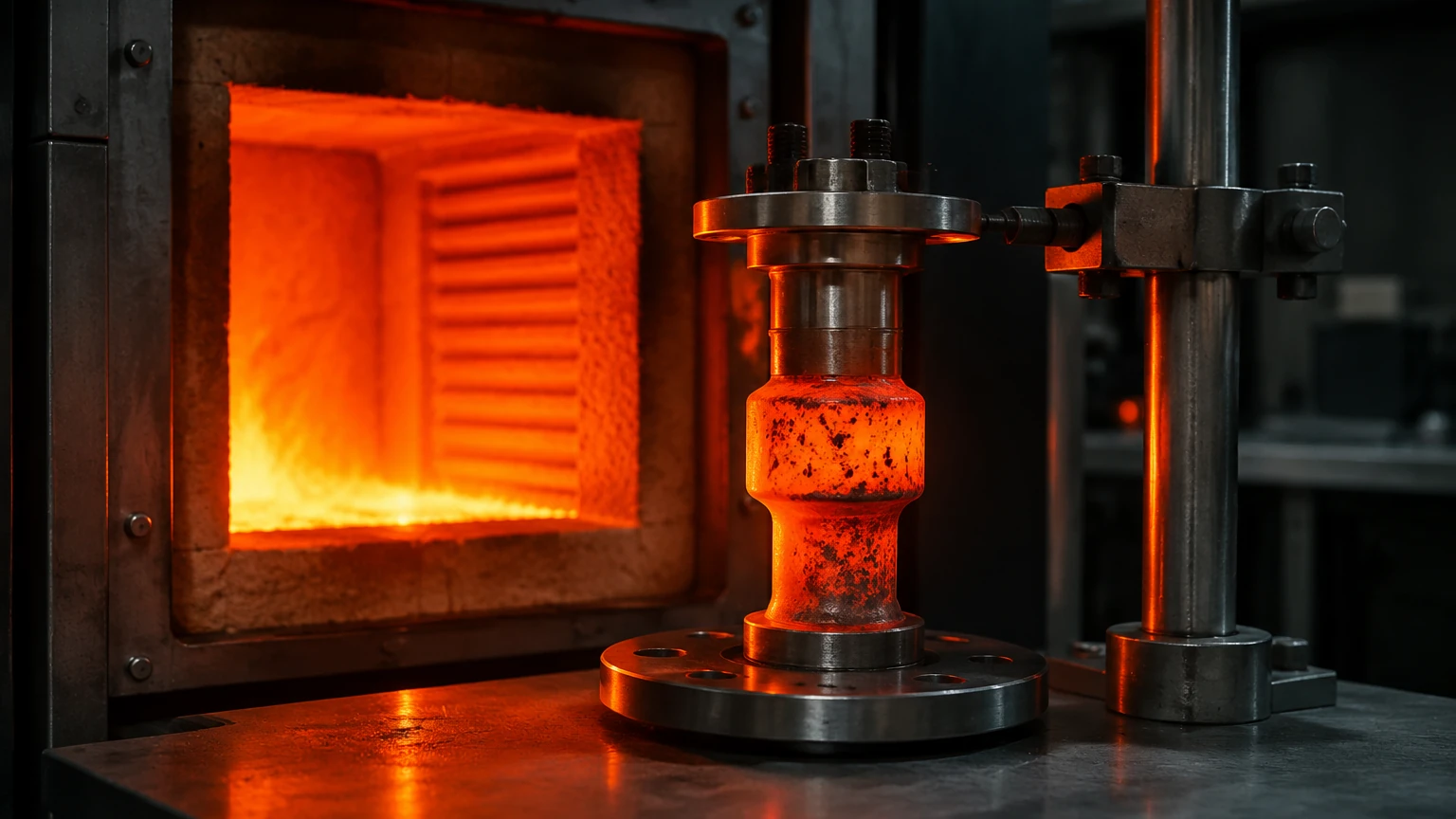
In the landscape of industrial automation and process control, the reliability of instrumentation is often dictated by its ability to withstand extreme environmental conditions. Among these, thermal stress represents one of the most significant challenges for level measurement devices. A high temperature test is not merely a quality control checkbox; it is a critical validation process that ensures sensors can maintain accuracy, structural integrity, and signal stability when exposed to the intense heat typical of chemical reactors, steam boilers, and molten material storage. For engineers and procurement specialists, understanding how level measurement technologies react under thermal loads is essential for preventing premature equipment failure and ensuring plant safety.
The Importance of High Temperature Validation
Industrial processes in sectors such as oil and gas, power generation, and metal smelting frequently operate at temperatures ranging from 150°C to well over 450°C. When a level meter is subjected to a high temperature test, the objective is to evaluate how heat affects three primary areas: the physical materials of the sensor, the electronic components, and the physics of the measurement principle itself.
Thermal expansion can cause mechanical shifts in sensor housings, while high heat can degrade seals and gaskets, leading to leaks or internal circuitry damage. Furthermore, the medium being measured often changes its physical properties—such as density or dielectric constant—as temperature rises, which can introduce measurement errors if the instrument is not properly calibrated or designed for such variations. By performing a rigorous high temperature test, manufacturers like Welk ensure that their instruments meet the demanding specifications of the Main Page of industrial application requirements.
Measurement Principles Under Thermal Stress
Before selecting a level meter for a high-heat application, it is vital to understand how different measurement principles behave when the mercury rises.
1. Radar Level Measurement (Non-Contact and GWR)
Radar technology, particularly frequency-modulated continuous wave (FMCW) radar, is often the preferred choice for high-temperature environments. Because radar waves are electromagnetic, they do not require a medium for transmission and are largely unaffected by changes in air temperature, pressure, or vapor layers. However, the high temperature test for a radar unit focuses on the antenna assembly. In extreme cases, specialized ceramic seals and cooling fins are used to isolate the sensitive electronics from the process heat. Guided Wave Radar (GWR) probes must also account for the thermal expansion of the metal rod or cable to maintain accuracy.
2. Ultrasonic Level Sensors
Ultrasonic sensors rely on sound waves, the speed of which is directly influenced by the temperature of the gas through which they travel. In a high temperature test, ultrasonic devices often show significant drift unless they are equipped with integrated temperature compensation. Even with compensation, ultrasonic sensors are generally limited to lower temperature ranges (typically below 100°C to 150°C) because the transducer materials can lose their piezoelectric properties if overheated.
3. Magnetic Level Gauges
Magnetic level gauges are mechanical-based systems where a float containing a magnet moves with the liquid level. The primary concern during high temperature testing is the change in the liquid's density. As a liquid heats up, it expands and its density decreases, causing the float to sink lower than it would at ambient temperatures. Engineers must specify the operating temperature so the float can be weighted correctly for the expected density at that heat level.
4. Hydrostatic Pressure Transmitters
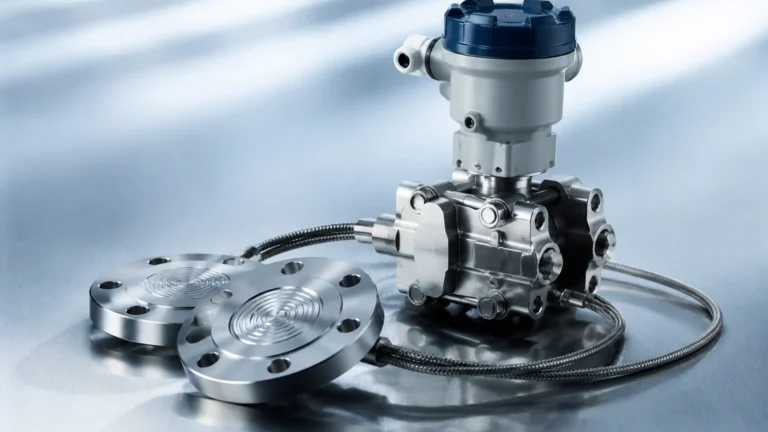
Hydrostatic sensors measure the pressure exerted by a liquid column. High temperatures can affect the fill fluid inside the capillary tubes or the sensing diaphragm. A high temperature test for these devices checks for "thermal span shift," where the expansion of the internal fill fluid creates a false pressure reading. Using remote seals with extended capillaries can help move the electronics away from the heat source.
Practical Selection Table for High Temperature Applications
Choosing the right technology requires balancing the maximum process temperature with the required accuracy and budget. The following table provides a general guideline for technology selection based on temperature thresholds.
| Technology | Typical Max Temp (Standard) | High-Temp Variant Max | Key Considerations |
| :— | :— | :— | :— |
| Radar (80GHz) | 150°C | 450°C+ | Requires cooling fins/ceramic seals at high end. |
| Guided Wave Radar | 200°C | 400°C | Excellent for high-pressure/high-temp steam. |
| Ultrasonic | 60°C | 100°C | Limited by sound speed physics and transducer heat. |
| Magnetic Gauge | 200°C | 450°C | Float design must match liquid density at temp. |
| Hydrostatic | 80°C | 315°C (with seals) | Capillary length affects response time. |
| Level Switches | 100°C | 250°C | Tuning fork or rotary types require heat extensions. |
Key Evaluation Criteria for High Temperature Testing
When reviewing the results of a high temperature test or conducting one in a laboratory setting, several criteria must be prioritized to ensure long-term reliability.
* Material Compatibility: The wetted parts must not only resist corrosion but also maintain mechanical strength at high temperatures. 316L stainless steel is standard, but for temperatures exceeding 300°C, alloys like Hastelloy or Monel, coupled with PTFE or ceramic insulators, may be necessary.
* Seal Integrity: Many level meters fail not because the sensor stops working, but because the seals (O-rings) fail. Testing should confirm that seals made of Viton, Kalrez, or graphite can withstand the thermal cycling without becoming brittle.
* Electronic Thermal Dissipation: The housing of the instrument should be evaluated for its ability to dissipate heat. In many high-temperature applications, the use of a "sunshade" or a standoff pipe is required to keep the ambient temperature around the electronics within the rated limits (usually -40°C to +80°C).
* Signal Drift: The test must quantify the percentage of measurement error introduced per degree of temperature change. A high-quality sensor will have a very low thermal coefficient.
Installation Considerations and Heat Mitigation
Even the most robust instrument can fail if installed incorrectly in a high-heat environment. Practical engineering often involves creating a thermal barrier between the process and the instrument electronics.
1. Standoff Pipes and Nozzles:
By mounting a radar or ultrasonic sensor on a standoff pipe (nozzle), a buffer of stagnant gas is created. This gas acts as an insulator, significantly reducing the temperature that reaches the sensor face. However, the nozzle length must be balanced against the sensor's "dead zone" or "blocking distance."
2. Cooling Fins:
For radar level meters, heat sinks or cooling fins are often integrated into the process connection. These fins increase the surface area of the metal, allowing heat to radiate into the atmosphere before it reaches the transmitter head.
3. Purging Systems:
In some extreme cases, air or nitrogen purging is used. This not only keeps the sensor face clean of condensation or debris but also provides a continuous cooling effect. This is common in glass manufacturing or metal smelting where temperatures can exceed 1000°C.
4. Remote Electronics:
If the ambient air near the vessel is too hot for the transmitter's circuitry, a remote-mounted version should be used. This allows the sensing element to remain at the process point while the display and processing unit are located several meters away in a cooler environment.
Common Risks and Limitations
While a high temperature test can validate a design, there are inherent limitations to be aware of. Thermal cycling—the repeated heating and cooling of a vessel—is often more damaging than constant high heat. This cycling causes materials to expand and contract at different rates (differential thermal expansion), which can lead to the loosening of threaded connections or the cracking of ceramic components.
Furthermore, high temperatures often coincide with high pressures. The combined "P-T" (Pressure-Temperature) rating of a flange or process connection is always lower than its individual ratings. Engineers must consult P-T charts to ensure the level meter's mounting hardware is sufficient for the combined stress.
Frequently Asked Questions (FAQ)
Q: How does high temperature affect the dielectric constant in radar measurement?
A: For most liquids, the dielectric constant decreases as temperature increases. While radar is generally robust, if the dielectric constant drops significantly, the signal reflection (echo) becomes weaker. This must be accounted for during the high temperature test to ensure the signal-to-noise ratio remains acceptable.
Q: Can I use a standard ultrasonic sensor if I calibrate it at the operating temperature?
A: While you can calibrate for a specific temperature, ultrasonic sensors struggle with temperature gradients (where the air is hotter near the liquid and cooler near the sensor). These gradients bend the sound waves and create significant inaccuracies that are difficult to calibrate out.
Q: What is the role of a heat jacket in level measurement?
A: In some applications, a heat jacket is actually used to *keep* the instrument warm. For example, in liquid sulfur or bitumen applications, the medium must remain hot to stay liquid. The high temperature test here ensures the sensor can handle the heat required to prevent the medium from solidifying on the probe.
Conclusion
Successfully managing level measurement in high-heat environments requires a combination of robust technology, rigorous high temperature testing, and intelligent installation design. By understanding the physical limitations of different measurement principles and employing heat mitigation strategies like cooling fins and standoffs, industrial facilities can achieve accurate and reliable level monitoring. For detailed specifications on high-temperature rated radar, magnetic, and ultrasonic sensors, engineers should consult the technical resources available on the Main Page to find the most suitable solution for their specific process conditions.