Scientific Cable
Scientific Cable
In the field of industrial level measurement, the accuracy of a sensor is only as reliable as the medium through which its data is transmitted. While radar and ultrasonic sensors often dominate discussions regarding measurement technology, the specialized cabling—frequently referred to as scientific cable—used to connect these instruments and facilitate hydrostatic measurements is a critical component of the total system architecture. For engineers and procurement specialists, understanding the nuances of scientific cable construction is essential for ensuring long-term reliability in harsh industrial environments.
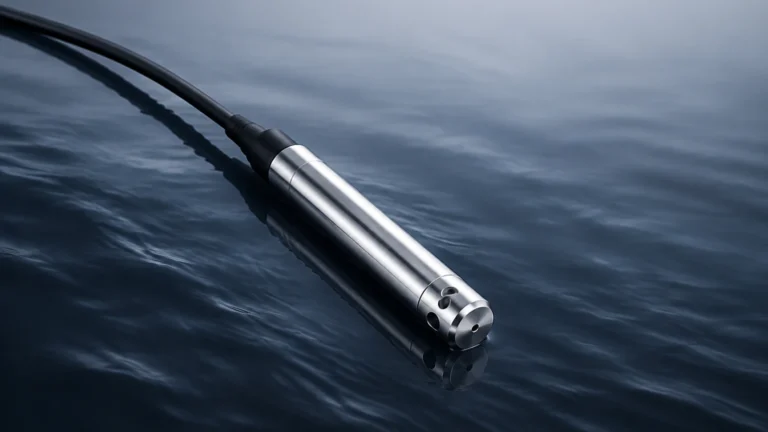
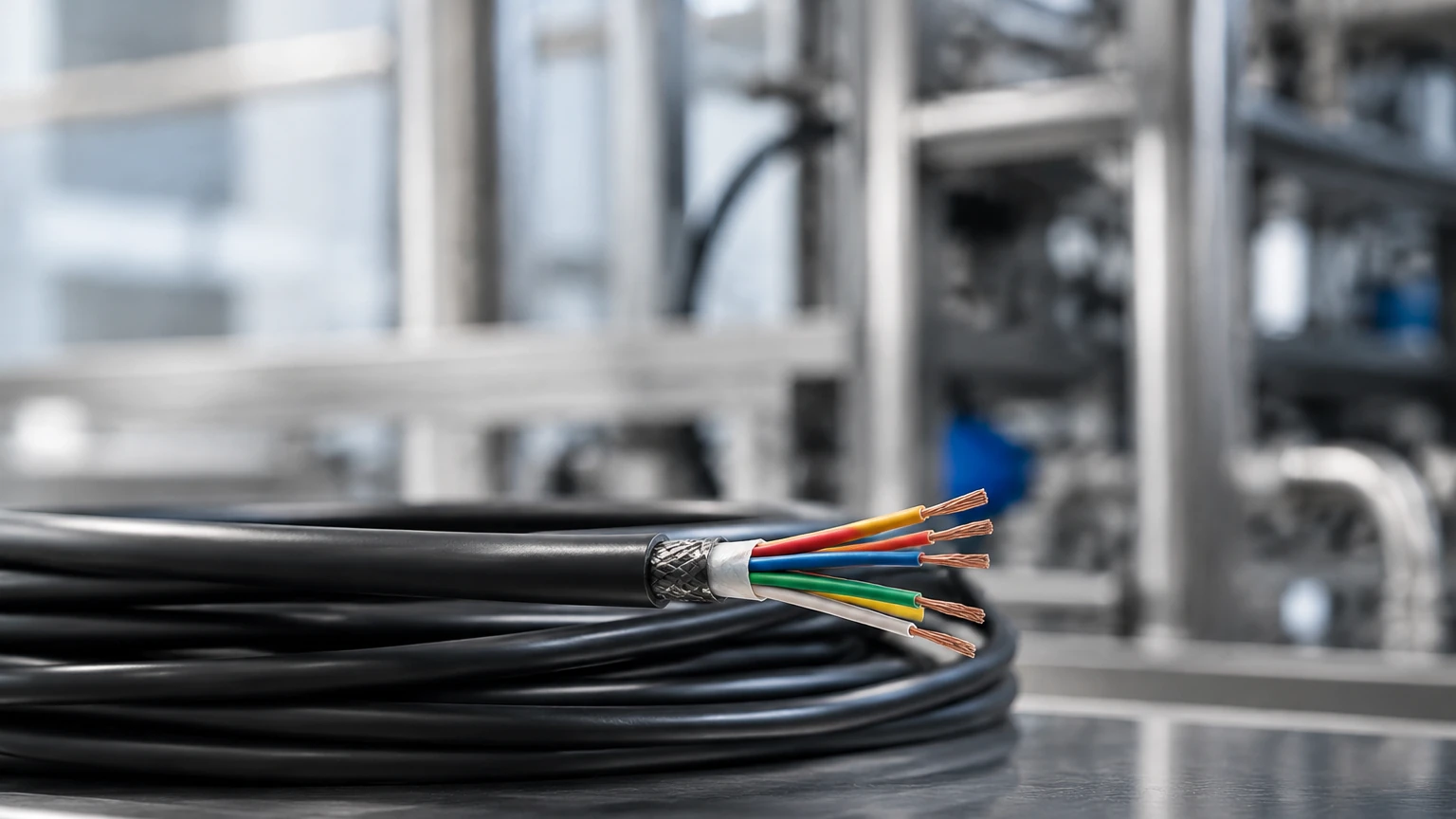
Scientific cable in the context of level measurement refers to high-performance, multi-conductor cabling engineered with specific physical and electrical properties. These cables are designed to withstand chemical exposure, mechanical stress, and electromagnetic interference (EMI) while maintaining signal integrity over long distances. In many applications, such as submersible hydrostatic level sensing, the cable also serves a mechanical and atmospheric function, housing a vent tube to provide a reference to ambient pressure.
Measurement Principles and Cable Integration
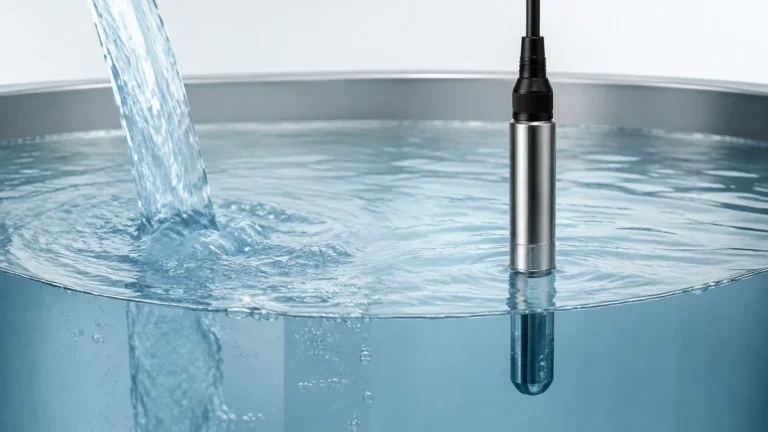
To understand the necessity of specialized scientific cable, one must first examine the principles of hydrostatic level measurement. Hydrostatic transmitters operate on the principle that the pressure at a specific depth in a liquid is proportional to the height of the liquid column above it. The formula used is $P = \rho \cdot g \cdot h$, where $P$ is pressure, $\rho$ is the density of the liquid, $g$ is the gravitational constant, and $h$ is the height of the liquid.
To accurately measure the liquid level, the sensor must compensate for changes in atmospheric pressure acting on the surface of the liquid. If the sensor were completely sealed, a change in barometric pressure would be misinterpreted as a change in liquid level. To prevent this, a scientific cable for hydrostatic sensors includes a small-diameter hollow vent tube. This tube allows the back of the sensor diaphragm to "breathe," ensuring that the sensor measures the differential pressure between the liquid column and the atmosphere. Without this specialized cable construction, measurement errors of several centimeters can occur during weather-related barometric shifts.
In non-submersible applications, such as connecting a remote-mounted radar or ultrasonic transmitter to a control room, the scientific cable focuses on signal attenuation and EMI shielding. These cables ensure that the 4-20mA, HART, or Modbus signals remain clean and readable despite the presence of high-voltage motors or variable frequency drives (VFDs) in the vicinity.
Types of Scientific Cables in Level Instrumentation
Cables used in level measurement are categorized primarily by their jacket material and internal configuration. Choosing the correct type depends entirely on the chemical composition of the medium and the physical demands of the installation site.
Polyurethane (PUR) Cables
PUR is a common choice for scientific cable in water and wastewater applications. It offers excellent flexibility, high tensile strength, and resistance to abrasion. It is particularly effective in mechanical environments where the cable may be frequently moved or subjected to friction.
Polyethylene (PE) Cables
PE cables are favored for their chemical stability. They are often used in groundwater monitoring and applications involving mild acids or bases. PE is less flexible than PUR but provides superior resistance to moisture permeation, making it ideal for long-term submersion in clean water.
Fluorinated Ethylene Propylene (FEP) and PTFE Cables
For the most demanding chemical environments, FEP or PTFE (Teflon) scientific cables are required. These materials are nearly inert and can withstand exposure to aggressive solvents, concentrated acids, and high temperatures (up to 200°C or 392°F). These are typically used in the chemical processing and oil and gas industries.
Key Evaluation Criteria
When specifying a scientific cable for an industrial level measurement project, several technical parameters must be evaluated to prevent premature system failure.
1. Tensile Strength: In deep-well or borehole applications, the cable must support the weight of the sensor plus the weight of the cable itself. High-quality scientific cables often include a Kevlar or stainless steel strain relief wire to prevent stretching, which could damage internal conductors or the vent tube.
2. Shielding and Grounding: To protect against EMI, cables should feature a tinned copper braid or foil shield. This is especially critical when using digital communication protocols like RS-485 or HART.
3. Vent Tube Integrity: For hydrostatic sensors, the vent tube must be made of a material that resists kinking. A blocked vent tube will lead to immediate measurement inaccuracies.
4. Outer Diameter (OD) Consistency: Precision in the outer diameter is necessary for the proper functioning of cable glands and compression fittings, ensuring a liquid-tight seal at the junction box or tank entry point.
Selection Table: Cable Materials vs. Application Environment
| Material | Chemical Resistance | Flexibility | Max Temperature | Typical Application |
| :— | :— | :— | :— | :— |
| Polyurethane (PUR) | Moderate | High | 80°C (176°F) | Wastewater, general industrial water |
| Polyethylene (PE) | Good | Moderate | 60°C (140°F) | Drinking water, groundwater monitoring |
| FEP / PTFE | Excellent | Low | 200°C (392°F) | Acids, bases, high-temp chemicals |
| PVC | Low | Moderate | 70°C (158°F) | Indoor, non-critical signal wiring |
Installation Considerations and Best Practices
Proper installation of a scientific cable is as important as the selection of the sensor itself. Failure to follow engineering best practices can lead to moisture ingress, signal drift, or physical breakage.
Bend Radius
Every scientific cable has a minimum bend radius, typically expressed as a multiple of the cable diameter (e.g., 10x OD). Exceeding this limit can pinch the internal vent tube or cause micro-fractures in the copper conductors. In level measurement, this is particularly important when routing cables through conduit or around tank lips.
Moisture Protection
For vented cables, the end of the cable (the side not submerged) must be protected from moisture. If water vapor enters the vent tube, it can condense inside the sensor housing, leading to corrosion of the electronics. Engineers should use a desiccant-filled bellows or a specialized vented junction box to allow air pressure equalization while blocking moisture.
Cable Anchoring
In turbulent tanks or high-flow channels, the cable should be secured to prevent the sensor from swinging. Excessive movement can lead to work-hardening of the copper wires, eventually causing a fatigue failure. Using a cable clamp or a stilling well is recommended for these scenarios.
Common Risks and Limitations
While scientific cables are engineered for durability, they are not indestructible. Understanding their limitations is key to a successful Main Page instrumentation strategy.
* Signal Attenuation: For analog 4-20mA signals, cable length is limited by the loop resistance. For digital signals, such as Modbus, long cable runs can lead to data loss if the cable's capacitance is too high. Generally, runs exceeding 300 meters (approx. 1,000 feet) require careful calculation of voltage drop.
* Capillary Action: If a cable jacket is nicked or cut, water can travel up the inside of the cable via capillary action, potentially damaging remote electronics. Regular inspection of the cable jacket for abrasions is a necessary maintenance task.
* Chemical Permeation: No material is perfectly impermeable. Over many years, certain gases can permeate the cable jacket and react with the internal components. Matching the jacket material to the specific chemical vapor profile of the tank is essential.
Frequently Asked Questions (FAQ)
Q: Can I extend a scientific cable with standard electrical wire?
A: It is not recommended for hydrostatic sensors because standard wire lacks the vent tube. For other sensors, extending the cable can introduce electrical noise and signal loss if the junction is not properly shielded and sealed against moisture.
Q: How do I clean a scientific cable that has been submerged in wastewater?
A: Use a mild detergent and a soft cloth. Avoid harsh solvents unless the cable is specifically rated for them (like FEP). Ensure the vent tube opening remains dry and unobstructed during cleaning.
Q: What happens if the vent tube in the cable gets blocked?
A: If the tube is blocked, the sensor will measure "sealed gauge" pressure rather than "vented gauge" pressure. This means the level reading will fluctuate whenever the local weather changes, leading to errors that can exceed 10-20mm of water column per millibar of pressure change.
Q: Is a shielded scientific cable necessary for all installations?
A: In modern industrial environments filled with VFDs and wireless communication, shielding is highly recommended to prevent intermittent signal spikes or "ghost" readings in the PLC or DCS.
Conclusion
The selection of a scientific cable is a foundational decision in the design of any level measurement system. By prioritizing material compatibility, mechanical strength, and signal protection, engineers can ensure that their instrumentation provides accurate data for years to come. Whether deploying a submersible hydrostatic transmitter in a deep well or a radar sensor in a chemical reactor, the integrity of the cable remains the vital link between the process and the control system. For further technical specifications and to explore a wide range of level measurement solutions, professionals are encouraged to visit the Main Page for comprehensive product data and application support.