Hydrogen Fuel Cell Monitoring
Hydrogen Fuel Cell Monitoring
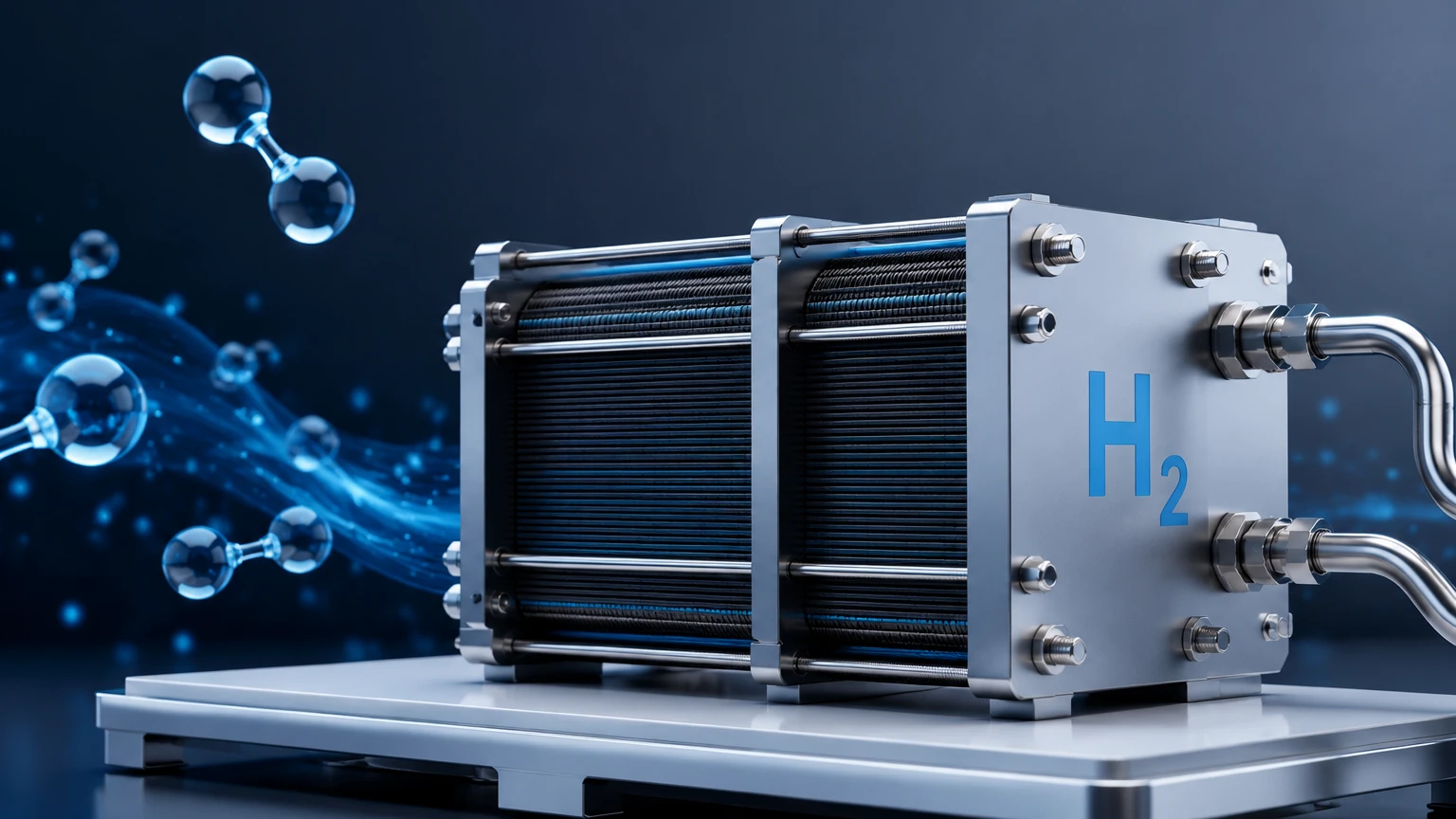
Hydrogen fuel cell technology has emerged as a cornerstone of the global transition toward sustainable energy. As these systems move from laboratory prototypes to large-scale industrial deployments in transport, stationary power generation, and heavy industry, the requirement for precise monitoring becomes critical. Hydrogen fuel cell monitoring encompasses the oversight of various physical parameters—temperature, pressure, flow, and, crucially, fluid levels—to ensure the electrochemical reaction remains efficient, safe, and continuous.
In the context of industrial fuel cell systems, level measurement is not merely a peripheral task but a core requirement for the Balance of Plant (BoP). Whether managing the water produced during the reaction, monitoring coolant levels in thermal management loops, or overseeing the liquid levels in hydrogen production units like electrolyzers, selecting the correct instrumentation is essential for preventing system failure. As a professional manufacturer, Welk provides a range of level measurement solutions designed to meet the rigorous demands of these high-tech environments.
Measurement Principles in Fuel Cell Systems
Before selecting a specific instrument for hydrogen fuel cell monitoring, it is important to understand the physical principles that govern level detection in these environments. Fuel cell systems often involve closed-loop pressurized systems, corrosive deionized water, and potentially hazardous atmospheres.
Hydrostatic Level Measurement
Hydrostatic transmitters operate on the principle that the pressure at the bottom of a liquid column is directly proportional to the height of the liquid and its density ($P = \rho \cdot g \cdot h$). In fuel cell applications, hydrostatic sensors are frequently used in coolant expansion tanks and water storage modules. They are valued for their reliability and ease of integration into existing pipework.
Ultrasonic Level Sensing
Ultrasonic sensors use the "time-of-flight" principle. The sensor emits a high-frequency sound pulse that reflects off the surface of the liquid and returns to the transducer. By measuring the time taken for the echo to return, the device calculates the distance. This non-contact method is ideal for monitoring water levels in condensate tanks where the media might be sensitive to contamination, as the sensor does not touch the liquid.
Radar Level Measurement
Radar level meters, particularly those operating at high frequencies (such as 80 GHz), use electromagnetic waves rather than sound. Like ultrasonic sensors, they use time-of-flight but are unaffected by air temperature fluctuations, steam, or pressure changes within the tank. This makes them the preferred choice for high-precision monitoring in pressurized hydrogen storage or chemical processing tanks associated with fuel cell production.
Magnetic Level Gauges
Magnetic level gauges utilize a float containing a permanent magnet that moves with the liquid level inside a bypass chamber. Outside the chamber, a series of magnetic flaps or a transmitter tracks the float's position. This provides both a local visual indication and a remote electrical signal, offering a fail-safe monitoring solution that does not require power for the visual component.
Key Application Areas for Level Monitoring
Hydrogen fuel cell monitoring is a multi-faceted discipline. Different stages of the fuel cell lifecycle and different components of the system require specialized level sensing approaches.
1. Water and Condensate Management
The byproduct of the hydrogen-oxygen reaction in a Proton Exchange Membrane (PEM) fuel cell is pure water. This water must be managed carefully. If the water levels in the separator are too high, it can lead to "flooding" of the fuel cell stack, blocking the flow of gases and significantly reducing efficiency. Conversely, if the system runs dry, the membrane can dehydrate. Level switches and continuous transmitters ensure that the condensate is drained at the correct intervals.
2. Thermal Management and Coolant Loops
Fuel cells generate significant heat during operation. To maintain the stack within its optimal temperature range (typically 60°C to 80°C for PEM cells), a coolant—usually a mixture of water and glycol—is circulated. Monitoring the level in the coolant expansion tank is vital to prevent pump cavitation and overheating. Hydrostatic transmitters or magnetic level switches are commonly employed here due to their robustness against vibration.
3. Electrolyzer Level Control
While the fuel cell consumes hydrogen, the electrolyzer produces it. In alkaline or PEM electrolyzers, maintaining the correct water level in the gas-liquid separators is critical to prevent gas mixing, which could create explosive atmospheres. High-precision radar or magnetic level gauges are used to monitor the interface between the water/electrolyte and the produced hydrogen or oxygen gas.
Technical Selection Criteria
Choosing the right instrument for hydrogen fuel cell monitoring requires an evaluation of the process conditions. The following table provides a comparison of common technologies used in these applications.
| Technology | Accuracy | Media Suitability | Pressure Range | Pros | Cons |
| :— | :— | :— | :— | :— | :— |
| Ultrasonic | ±0.25% to 0.5% | Water, light chemicals | Up to 3 bar | Non-contact, low maintenance | Affected by foam and heavy steam |
| Radar (80GHz) | ±1 mm to 2 mm | All liquids | Up to 100+ bar | Extremely precise, ignores steam | Higher initial cost |
| Hydrostatic | ±0.1% to 0.5% | Coolants, water | Atmospheric to high | Simple installation, reliable | Dependent on fluid density |
| Magnetic Gauge | ±5 mm | Corrosive liquids | Up to 160 bar | Visual + Electronic, very robust | Requires bypass chamber installation |
When reviewing options, engineers should consult the Main Page for detailed technical specifications and application support to ensure the selected hardware aligns with the specific chemical compatibility of the fuel cell environment.
Installation and Safety Considerations
In hydrogen fuel cell monitoring, installation is as important as the technology itself. Because hydrogen is the smallest molecule and highly flammable, the following factors must be addressed:
* Hazardous Area Certification: Instruments installed near hydrogen storage or processing must typically carry ATEX, IECEx, or UL certifications for Zone 0, 1, or 2 environments. Explosion-proof or intrinsically safe designs are mandatory.
* Material Compatibility: Hydrogen can cause embrittlement in certain metals. For level sensors in direct contact with hydrogen-rich environments, high-grade stainless steel (316L) or specialized polymers are required. For deionized water loops, materials must be chosen that do not leach ions back into the water, which could poison the fuel cell catalyst.
* Vibration Resistance: In mobile fuel cell applications (such as heavy-duty trucks or maritime vessels), sensors are subject to constant vibration. Hydrostatic and magnetic sensors must be securely mounted and often feature potted electronics to withstand mechanical stress.
* Signal Integration: Most modern monitoring systems require 4-20mA HART, RS485 Modbus, or CANbus outputs to integrate seamlessly with the fuel cell's central control unit (CCU).
Common Risks and Limitations
Despite the advanced nature of modern level meters, certain environmental factors can pose risks to accurate hydrogen fuel cell monitoring:
1. Gas Bubbles in Liquids: In electrolyzers or high-pressure separators, gas bubbles can form in the liquid. This can affect the accuracy of ultrasonic sensors (which may reflect off the bubbles) or hydrostatic sensors (which see a change in effective density). Radar is generally more resistant to these effects.
2. Foaming: Chemical additives or impurities can cause foaming in water separators. Foam can absorb ultrasonic signals, leading to false "tank empty" readings. In these cases, guided wave radar or magnetic gauges are preferred.
3. Temperature Extremes: While the stack operates at moderate temperatures, the surrounding environment or the hydrogen storage (if cryogenic) can be extremely cold or hot. Sensors must be rated for the full ambient and process temperature range to prevent signal drift.
Frequently Asked Questions (FAQ)
Q: Why is level monitoring so important in a fuel cell water separator?
A: The water separator removes the moisture produced by the chemical reaction. If the level is not monitored and controlled, water can back up into the fuel cell stack, causing a "flood" that stops the reaction and can potentially damage the membrane.
Q: Can I use a standard ultrasonic sensor for hydrogen tanks?
A: Generally, no. Standard ultrasonic sensors are often not rated for the high pressures found in hydrogen storage, and the speed of sound in a hydrogen-rich atmosphere is significantly different than in air, which would lead to massive measurement errors. Radar or high-pressure magnetic gauges are better suited.
Q: What maintenance is required for these sensors?
A: Non-contact sensors like radar and ultrasonic require very little maintenance as they have no moving parts. Hydrostatic sensors should be checked periodically for sediment buildup on the diaphragm, and magnetic gauges should be inspected for any magnetic debris that might have entered the chamber.
Q: How does deionized (DI) water affect sensor choice?
A: DI water is aggressive and seeks to pull ions from its surroundings. Level sensors must use inert materials like 316L stainless steel or PTFE to ensure the sensor does not corrode and the water remains pure enough for the fuel cell stack.
Conclusion
Effective hydrogen fuel cell monitoring is a prerequisite for the safety and longevity of hydrogen power systems. By understanding the principles of hydrostatic, ultrasonic, radar, and magnetic measurement, engineers can specify the right tools for water management, thermal control, and fuel processing. As the industry scales, the integration of reliable level measurement instruments remains a vital factor in achieving the high-performance benchmarks required for the hydrogen economy. For those seeking to implement these solutions, focusing on material compatibility, hazardous area compliance, and precision will ensure a robust and efficient monitoring strategy.