Instrument Maintenance
Instrument Maintenance
In industrial process control, the reliability of level measurement data is directly proportional to the rigor of the instrument maintenance program. Level measurement instruments, ranging from non-contact radar systems to mechanical magnetic gauges, operate in diverse and often harsh environments. Without a structured approach to maintenance, even the most advanced sensors can suffer from drift, signal loss, or mechanical failure, leading to costly downtime or safety incidents. This guide provides a technical overview of maintenance requirements across various level measurement technologies, focusing on principles, selection, and practical field considerations.
Understanding Measurement Principles and Maintenance Requirements
Effective instrument maintenance begins with an understanding of the underlying physics of the measurement technology. Different principles of operation dictate specific maintenance vulnerabilities.
Radar Level Measurement (Non-Contact)
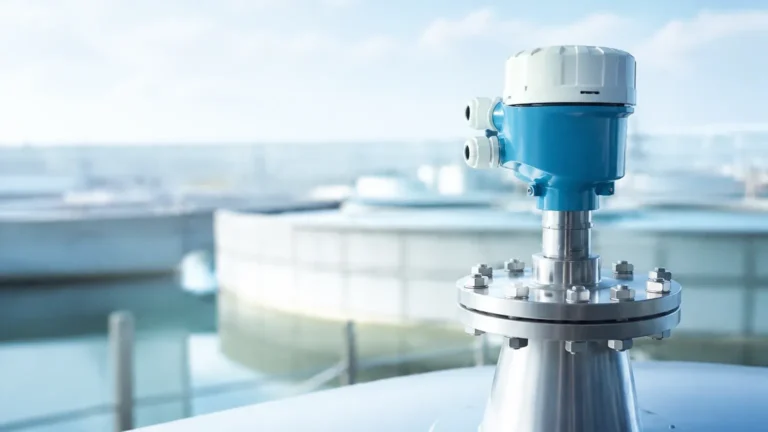
Radar level meters, such as those utilizing Frequency Modulated Continuous Wave (FMCW) or pulse technology, transmit electromagnetic waves toward the medium surface. The time-of-flight or frequency shift is used to calculate the distance.
* Maintenance Profile: Low. Since there are no moving parts and no contact with the medium, mechanical wear is non-existent. However, maintenance must focus on the antenna or horn.
* Key Tasks: Periodic inspection for material buildup (crystallization or condensation) on the antenna, which can attenuate the signal. For high-temperature applications, checking the integrity of the process seal is vital.
Ultrasonic Level Sensors
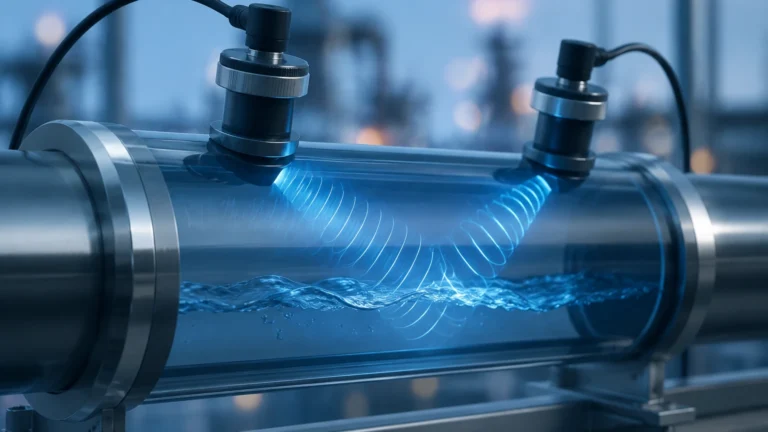
Ultrasonic sensors use sound waves (typically 20 kHz to 200 kHz) to measure the distance to the liquid or solid surface.
* Maintenance Profile: Moderate. The transducer face is sensitive to environmental factors.
* Key Tasks: Cleaning the transducer face of dust, moisture, or chemical deposits. In outdoor installations, maintenance involves ensuring the sensor is shielded from direct solar heating, which can affect the speed of sound calculations and lead to inaccuracies.
Hydrostatic Level Transmitters
These instruments measure the pressure exerted by a liquid column ($P = \rho gh$). They are typically submerged or mounted at the bottom of a tank.
* Maintenance Profile: Moderate to High. Because the diaphragm is in direct contact with the process media, it is susceptible to coating, corrosion, and mechanical damage.
* Key Tasks: Routine flushing of the pressure port to prevent clogging. In systems using capillary tubes, checking for leaks or kinks in the tubing is essential for maintaining accuracy.
Magnetic Level Gauges
Magnetic level gauges utilize a float containing a permanent magnet that moves within a bypass chamber, flipping external magnetic flags or interacting with a reed-chain transmitter.
* Maintenance Profile: Moderate. These are mechanical systems prone to physical obstructions.
* Key Tasks: Periodic flushing of the bypass chamber to remove sediment or magnetic particles (iron filings) that can cause the float to stick. Inspecting the chamber for scaling is necessary in hard water or chemical applications.
Practical Selection Table for Maintenance Planning
When selecting an instrument, the long-term cost of instrument maintenance should be weighed against the initial capital expenditure. The following table compares common technologies based on maintenance intensity.
| Technology | Maintenance Frequency | Complexity | Common Failure Mode |
| :— | :— | :— | :— |
| Radar (FMCW) | Low (Annual) | Low | Antenna coating / Signal attenuation |
| Ultrasonic | Medium (Bi-annual) | Low | Transducer buildup / Temperature compensation error |
| Hydrostatic | Medium (Quarterly) | Moderate | Diaphragm clogging / Sensor drift |
| Magnetic Gauge | Medium (Quarterly) | Moderate | Float sticking / Chamber scaling |
| Level Switch | Low (Annual) | Low | Contact fouling / Mechanical fatigue |
Installation Considerations to Minimize Maintenance
The frequency of instrument maintenance is often determined during the installation phase. Proper engineering at the outset can significantly reduce the need for manual intervention.
1. Mounting Position: For radar and ultrasonic sensors, avoid mounting directly over the filling stream. Turbulence and foam can interfere with the signal, requiring frequent software filtering or physical cleaning. Ensure the sensor is perpendicular to the liquid surface to maximize signal return.
2. Standoff Pipes and Nozzles: If using a nozzle, ensure the length does not interfere with the sensor's beam angle (typically 8° to 12°). Internal welds or burrs in the nozzle can cause false echoes, necessitating frequent recalibration.
3. Environmental Protection: In outdoor environments, use sunshades to prevent thermal expansion of the housing and electronics. For hydrostatic sensors in cold climates, heat tracing or insulation may be required to prevent the process media from freezing in the sensing line.
4. Vibration Isolation: Excessive vibration can lead to electronic component failure or the loosening of mechanical connections. Use vibration-dampening mounts where necessary, especially for magnetic level gauges attached to high-vibration pumps or tanks.

Common Risks and Limitations in Maintenance
While maintenance is necessary, it carries inherent risks if not performed correctly. Technicians should be aware of the following limitations:
* Calibration Drift: Many sensors suffer from electronic drift over time. Relying solely on factory calibration without periodic field verification can lead to cumulative errors.
* Seal Integrity: Opening an instrument housing for maintenance in humid or corrosive environments can introduce contaminants. Always check that O-rings are seated correctly and that cable glands are tightened to maintain the IP (Ingress Protection) rating (typically IP67 or IP68).
* Media Compatibility: When cleaning sensors, use only approved solvents. Harsh chemicals can degrade the PTFE or Viton seals used in many level instruments, leading to process leaks.
* Safety Protocols: Maintenance on tanks containing hazardous or pressurized chemicals must follow strict Lockout/Tagout (LOTO) procedures. For hydrostatic sensors, always bleed the pressure before removing the transmitter from the process line.
Instrument Maintenance Troubleshooting and FAQs
How often should I calibrate my level meter?
Calibration frequency depends on the criticality of the process and the environment. For non-critical water storage, an annual check is sufficient. For high-accuracy chemical dosing or custody transfer, quarterly or even monthly verification may be required.
Why is my radar level meter showing a "lost signal" error?
This is often due to heavy condensation or material buildup on the antenna. In some cases, it may be caused by a change in the dielectric constant of the medium or excessive foam on the surface. Cleaning the antenna and checking the "blanking distance" settings usually resolves this.
Can I clean an ultrasonic sensor with a wire brush?
No. The transducer face is a sensitive piezoelectric element. Using abrasive tools like wire brushes can scratch or crack the surface, permanently damaging the sensor. Use a soft cloth and mild detergent or water.
What causes a magnetic level gauge float to sink?
Floats can sink if the process fluid density changes significantly from the design specification or if the float becomes weighted down by heavy scaling. Additionally, if the float is crushed by a pressure surge (water hammer), it will lose its buoyancy.
Conclusion
A proactive approach to instrument maintenance ensures that industrial level measurement systems remain accurate and reliable throughout their service life. By understanding the specific needs of each technology—whether it is the antenna cleaning of a radar meter or the chamber flushing of a magnetic gauge—operators can prevent unplanned outages and optimize process efficiency. For those looking to upgrade their current systems or seeking detailed technical specifications for new installations, it is recommended to consult the Main Page for a comprehensive overview of available technologies and application-specific solutions.
Regular maintenance is not merely a reactive task but a fundamental part of industrial asset management. By adhering to established guidelines and performing routine inspections, facilities can maximize the return on investment for their measurement instrumentation while maintaining the highest standards of safety and operational excellence.