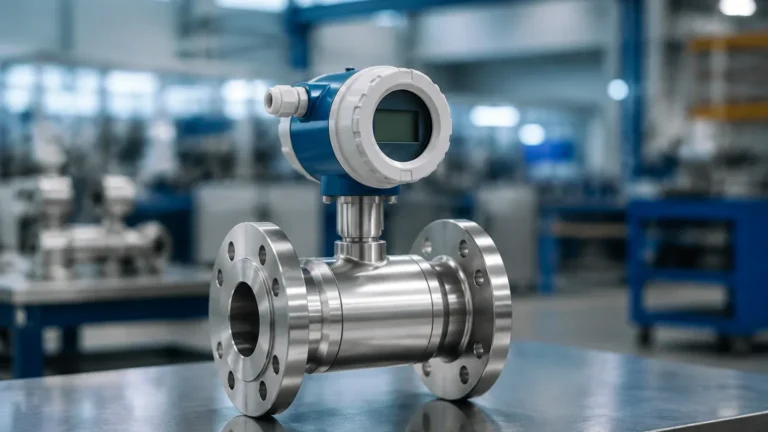
Isfet Ph Sensor
Isfet Ph Sensor
In the field of industrial liquid analysis, the measurement of pH is a fundamental requirement for process control, quality assurance, and regulatory compliance. For decades, the glass electrode has been the standard instrument for this task. However, the inherent fragility of glass and the requirement for constant hydration have led to the development and widespread adoption of the ISFET pH sensor. This solid-state technology offers a robust alternative, particularly in demanding industrial environments where traditional sensors might fail or pose a contamination risk.
Introduction to ISFET pH Technology
An ISFET (Ion-Sensitive Field-Effect Transistor) pH sensor is a type of semiconductor device used to measure the hydrogen ion concentration in a solution. Unlike traditional pH meters that rely on a delicate glass bulb, the ISFET utilizes a silicon-based chip as the sensing element. This transition from electrochemical glass components to solid-state electronics represents a significant shift in how process parameters are monitored in industries ranging from food and beverage production to complex wastewater treatment.
The demand for an isfet ph sensor often arises in applications where "glass-free" requirements are strictly enforced. In food processing, for instance, the risk of a glass electrode shattering into a production line is a critical safety concern. By utilizing a semiconductor-based approach, manufacturers can achieve high-precision measurements without the liability of glass breakage.
Measurement Principles of ISFET Sensors
To understand the advantages of the ISFET, it is necessary to examine the underlying physics of the Field-Effect Transistor (FET). A standard MOSFET (Metal-Oxide-Semiconductor Field-Effect Transistor) consists of three terminals: the source, the drain, and the gate. In a standard electronic circuit, a voltage applied to the metal gate controls the flow of current between the source and the drain.
In an isfet ph sensor, the metal gate is removed and replaced by an ion-sensitive membrane that is placed in direct contact with the process liquid. This membrane is typically composed of materials such as Silicon Nitride (Si3N4), Aluminum Oxide (Al2O3), or Tantalum Oxide (Ta2O5).
When the sensor is immersed in a liquid, the hydrogen ions (H+) in the solution interact with the surface of the ion-sensitive membrane. This interaction creates an electrostatic potential on the gate surface. Because the chip is a semiconductor, this surface potential modulates the conductivity of the channel between the source and the drain. The resulting change in current is proportional to the pH level of the solution. By measuring this current change against a stable reference electrode, the system can accurately calculate the pH value.
Key Benefits of ISFET Over Traditional Glass Electrodes
The adoption of ISFET technology is driven by several practical engineering advantages that address the limitations of glass electrodes:
1. Robustness and Durability: The most obvious benefit is the lack of glass. The sensing element is a rugged silicon chip embedded in a high-performance plastic or stainless steel body. This makes it ideal for "in-line" measurements where physical shocks or high flow rates are present.
2. Dry Storage Capability: Traditional glass electrodes must be kept hydrated in a specific storage solution to maintain the sensitivity of the hydrated gel layer on the glass. ISFET sensors can be stored dry for extended periods without damaging the sensing element, simplifying maintenance and spare parts management.
3. Rapid Response Time: Because the ion exchange occurs directly on the surface of the semiconductor gate rather than through a thick glass membrane, the response time is significantly faster. This is crucial for dynamic processes where pH levels can fluctuate rapidly.
4. Miniaturization: Semiconductor manufacturing allows for extremely small sensor footprints. This enables the use of pH sensing in small-diameter pipes, microfluidic applications, and portable hand-held devices.
5. Low Maintenance in Harsh Fluids: While no sensor is immune to fouling, the flat surface of many ISFET designs makes them easier to clean than the recessed or bulbous shapes of glass electrodes.
Selection Criteria for Industrial ISFET pH Sensors
When specifying an isfet ph sensor for an industrial application, engineers must evaluate several technical parameters to ensure long-term reliability. While Welk provides a comprehensive Main Page for reviewing various industrial measurement options, the following criteria are specific to pH semiconductor technology:
Chemical Compatibility
While the silicon chip is robust, the materials used for the sensor body (such as PEEK, PVDF, or 316L Stainless Steel) and the internal O-rings must be compatible with the process media. Specialized membranes like Tantalum Oxide are preferred for aggressive chemical environments or high-temperature applications.
Temperature and Pressure Ratings
Industrial processes often operate at elevated temperatures and pressures. Standard ISFET sensors typically handle temperatures up to 100°C (212°F) and pressures up to 10 bar (145 psi). However, it is vital to check the specific limits, as the semiconductor junction can be sensitive to extreme thermal cycling.
Accuracy and Range
Most industrial ISFET sensors cover the full 0 to 14 pH range. However, accuracy can vary. Typical industrial-grade sensors offer an accuracy of ±0.05 pH to ±0.1 pH. For high-precision laboratory work, finer tolerances are available, but for most water treatment and chemical dosing applications, standard industrial tolerances are sufficient.
Comparison Table: ISFET vs. Glass Electrodes
| Feature | ISFET pH Sensor | Glass pH Electrode |
| :— | :— | :— |
| Material | Silicon Chip / Solid State | Glass Membrane |
| Breakage Risk | Negligible | High |
| Storage | Can be stored dry | Must stay wet |
| Response Speed | Fast (seconds) | Moderate (tens of seconds) |
| Stability | Good, but light sensitive | Excellent |
| Temperature Limit | Typically 100°C | Up to 130°C (specialized) |
| Cleaning | Easy (flat surface) | Difficult (fragile bulb) |
Installation and Maintenance Best Practices
Proper installation is critical to the performance of any analytical instrument. For an isfet ph sensor, the following considerations apply:
* Orientation: Unlike some glass electrodes that must be mounted at a specific angle (usually >15° from horizontal) to ensure the internal electrolyte stays in contact with the bulb, ISFET sensors are generally more flexible. However, they should still be positioned to avoid the accumulation of air bubbles on the sensing surface, as air is non-conductive and will cause erratic readings.
* Light Sensitivity: Because the sensing element is a semiconductor, it can be sensitive to intense light (the photoelectric effect). In most industrial pipe installations, this is not an issue. However, if used in open channels or transparent tanks, the sensor should be shielded from direct sunlight or high-intensity artificial light.
* Calibration: Like all pH sensors, ISFETs require regular calibration. This is usually performed using standard buffer solutions (typically pH 4.01, 7.00, and 10.01). Because the sensor can be stored dry, it is important to allow it to stabilize in the buffer for a few minutes before finalizing the calibration.
* Cleaning Regimen: In applications involving oils, fats, or proteins (common in the food industry), the sensor surface may become coated. A mild detergent or specialized cleaning solution should be used. Avoid abrasive materials that could scratch the ion-sensitive membrane.
Limitations and Operating Constraints
While the isfet ph sensor offers many advantages, it is not a universal solution for every application. Engineers should be aware of the following limitations:
* Drift: Solid-state sensors can exhibit slightly higher "drift" over time compared to high-end glass electrodes. This may necessitate more frequent calibration in high-precision applications.
* Temperature Sensitivity: The semiconductor junction is inherently sensitive to temperature changes. While most modern sensors include integrated temperature compensation (ATC), rapid fluctuations in process temperature can still impact short-term accuracy.
* Cost: The manufacturing process for semiconductor chips and the specialized packaging required for industrial use can make ISFET sensors more expensive initially than basic glass electrodes. However, the total cost of ownership (TCO) is often lower due to reduced breakage and simplified storage.
Integrating pH and Level Measurement
In many industrial automation scenarios, pH measurement is part of a larger control loop that includes level measurement. For example, in a chemical neutralization tank, a level transmitter (such as a radar or ultrasonic meter) ensures the tank does not overflow, while the isfet ph sensor controls the dosing of acid or base to maintain the target pH.
Welk’s expertise in industrial automation provides a foundation for choosing the right combination of instruments. Whether you are managing water treatment or chemical processing, ensuring that all sensors—from level to analytical—are compatible with the environment is essential for system longevity. For more information on selecting the right instrumentation for your specific application, you can Review product options and application support.
Frequently Asked Questions (FAQs)
Q: Can an ISFET pH sensor be used in high-purity water?
A: Yes, but like all pH measurements in low-conductivity water, it requires a stable reference system. The ISFET itself is capable, but the overall sensor design must account for the lack of ions in the sample.
Q: How long does an ISFET sensor typically last?
A: In standard water treatment applications, an ISFET sensor can last 12 to 24 months or longer, depending on the cleaning frequency and the aggressiveness of the chemicals. The absence of glass fatigue often leads to a longer mechanical life than traditional electrodes.
Q: Is the ISFET sensor affected by electromagnetic interference (EMI)?
A: Because the signal is processed on the chip and often converted to a digital or high-level analog signal (like 4-20mA) within the transmitter, it is generally very resistant to EMI, provided high-quality shielded cabling is used.
Q: Does the sensor require a special transmitter?
A: Yes. Because the ISFET operates on a different principle than the high-impedance voltage output of a glass electrode, it requires a compatible transmitter or an adapter that can provide the necessary power to the transistor and interpret the current change.
Conclusion
The isfet ph sensor represents a mature, reliable technology for modern industrial processes. By eliminating the risks associated with glass and offering the benefits of solid-state electronics, it provides a robust solution for food safety, pharmaceutical purity, and industrial efficiency. When integrated with reliable level measurement and automation systems, these sensors contribute to a safer and more precise production environment. For engineers looking to optimize their process control, understanding the selection and maintenance of these instruments is a vital step toward operational excellence.