L Häuser
L Häuser
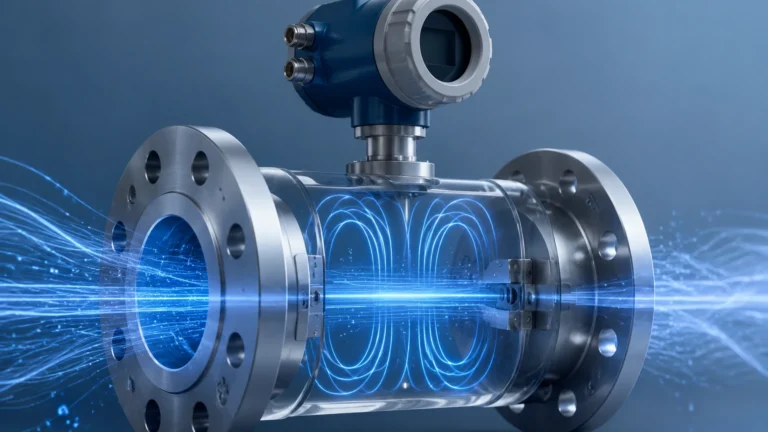
In the field of industrial process automation, the physical protection of sensitive electronic components is as critical as the measurement technology itself. The term "L Häuser"—referring to L-shaped housings or enclosures—describes a specific architectural design for level measurement instruments. These housings are engineered to facilitate easier data access, protect internal circuitry from harsh environmental conditions, and accommodate specific mounting geometries in complex piping and tank systems. For engineers and procurement specialists, understanding the integration of L-type enclosures with advanced sensing technologies is essential for ensuring long-term reliability in the field.
Industrial level measurement relies on a variety of physical principles, ranging from Time-of-Flight (ToF) radar pulses to hydrostatic pressure sensing. The L-housing serves as the interface between the sensor probe and the external control system, often housing the transmitter electronics, local display, and terminal connections. This guide explores the technical nuances of L-housings within the context of modern level measurement solutions.
Measurement Principles and Housing Integration
Before selecting a specific enclosure type like the L-housing, it is vital to understand the underlying measurement principles of the instruments they protect. Most level transmitters manufactured by specialists like Welk utilize one of four primary technologies: radar, ultrasonic, hydrostatic, or magnetic.
Radar and Ultrasonic Principles
Both radar and ultrasonic level meters operate on the Time-of-Flight principle. A transducer emits a signal (either electromagnetic waves or sound waves) that travels through the tank's headspace, reflects off the surface of the medium, and returns to the sensor. The transmitter electronics calculate the distance based on the time elapsed.
In these applications, the L-housing is frequently used when the sensor must be mounted vertically on top of a tank, but the user interface and cable entries need to be oriented horizontally. This 90-degree configuration prevents moisture from following the cable directly into the terminal compartment and allows operators to read the local display without standing directly over the process connection.
Hydrostatic and Magnetic Principles
Hydrostatic level transmitters measure the pressure exerted by a liquid column, which is directly proportional to the liquid's height and density. Magnetic level gauges, conversely, use a float system to provide visual and electronic feedback. For these systems, the L-housing often acts as a robust junction box, protecting the signal conversion electronics from the corrosive vapors often found in chemical processing environments.
Material Science and Environmental Protection
The durability of L-housings is determined by the materials used in their construction and their ability to withstand environmental ingress. In industrial settings, the choice of material is typically dictated by the chemical compatibility of the atmosphere and the physical stresses of the installation site.
Common Housing Materials
1. Aluminum Alloy: Often epoxy-coated, aluminum L-housings offer a balance between weight and durability. They provide excellent electromagnetic interference (EMI) shielding, which is crucial for high-frequency radar level meters.
2. Stainless Steel (316L): For pharmaceutical, food and beverage, or offshore applications, 316L stainless steel is the standard. It provides maximum resistance to corrosion and can withstand rigorous CIP (Clean-in-Place) procedures.
3. Engineered Plastics (PBT/PVDF): In highly corrosive acidic environments where metal housings might degrade, high-performance plastics are used. These are lightweight and resistant to a wide range of chemical agents.
Ingress Protection (IP) Ratings
L-housings must meet strict ingress protection standards to ensure the longevity of the internal electronics. Most industrial-grade L-housings are rated at least IP66 or IP67.
* IP66: Protected against powerful water jets.
* IP67: Protected against temporary immersion in water (up to 1 meter for 30 minutes).
* IP68: Designed for continuous submersion, typically required for hydrostatic sensors used in deep wells or wastewater sumps.
Practical Selection Criteria for Industrial Applications
Selecting the correct L-housing configuration requires an analysis of the process environment and the specific needs of the maintenance team. The following table summarizes key evaluation criteria for different industrial scenarios.
| Application Environment | Recommended Housing Material | Key Consideration |
| :— | :— | :— |
| Oil & Gas (Offshore) | 316L Stainless Steel | Salt spray resistance and ATEX/IECEx certification. |
| Water Treatment | Epoxy-Coated Aluminum | Cost-effectiveness and IP68 rating for submerged sensors. |
| Chemical Processing | PVDF or Plastic | Resistance to aggressive chemical vapors (HCl, H2SO4). |
| Food & Beverage | Polished Stainless Steel | Hygienic design and ability to withstand high-pressure washdowns. |
When evaluating options, engineers should also consider the thermal management capabilities of the housing. In high-temperature applications, such as molten metal or high-pressure steam, the L-housing may include cooling fins or be separated from the process connection by a thermal decoupler to protect the electronics from heat transfer.
Installation and Maintenance Guidelines
The orientation and installation of L-housings can significantly impact the accuracy of the level measurement and the ease of future maintenance. For a comprehensive overview of compatible sensor types and mounting accessories, professionals often refer to the Main Page of specialized manufacturers to ensure component compatibility.
Orientation and Cable Entry
One of the primary advantages of the L-housing is the ability to orient cable entries downward or to the side. This creates a "drip loop," ensuring that condensation or rainwater runs off the cable rather than entering the housing. When installing, ensure that the cable glands are tightened to the manufacturer's specified torque to maintain the IP rating.
Display Visibility
In many tank farm configurations, sensors are mounted high above the ground. The L-housing allows the display module to be rotated independently of the process connection. This ensures that the liquid crystal display (LCD) is visible from the catwalk or access ladder, reducing the need for handheld communicators during routine checks.
Grounding and Shielding
To prevent signal noise, especially in radar and ultrasonic systems, the L-housing must be properly grounded. Most metal housings include an internal and external grounding terminal. Using shielded twisted-pair cabling and connecting the shield to the housing's ground helps maintain signal integrity in environments with heavy electrical machinery.
Comparative Analysis: L-Type vs. Standard Enclosures
While standard straight-through housings are common, L-housings offer specific advantages in specialized engineering contexts.
Space Constraints: In facilities with low overhead clearance, a straight housing might not fit above the tank flange. The L-housing's horizontal profile allows for installation in tight spaces where vertical height is limited.
Ergonomics: For instruments that require frequent manual configuration via local buttons, the L-shape provides a more ergonomic interface. Operators do not need to lean over the top of the tank, which may be emitting heat or vapors, to view the screen.
Protection from Process Heat: By moving the main electronics compartment to the side of the vertical process connection, L-housings can sometimes reduce the direct radiant heat reaching the transmitter's processor, thereby extending the mean time between failures (MTBF).
Common Risks and Mitigation
Despite their advantages, L-housings require careful specification to avoid common pitfalls:
1. Seal Degradation: The O-rings between the housing cover and the body must be inspected during every maintenance cycle. Exposure to UV radiation or ozone can cause certain elastomers to crack, compromising the seal.
2. Vibration Fatigue: In applications involving heavy pumps or mixers, the offset weight of an L-housing can create a lever arm that amplifies vibration. In such cases, reinforced mounting brackets or remote-mounted electronics may be necessary.
3. Thread Galling: When using stainless steel L-housings, there is a risk of thread galling during installation. Using an appropriate anti-seize compound is recommended to ensure the housing can be opened for future wiring changes.
Conclusion and Next Steps for Project Audience
For project managers and engineers, the selection of L-housings is a decision that balances accessibility, protection, and spatial constraints. Before finalizing a purchase, the intended audience should confirm the following:
* Chemical Compatibility: Does the housing material react with the ambient vapors in the facility?
* Hazardous Area Requirements: Is the L-housing certified for the specific Zone or Division (e.g., Class I, Div 1) of the installation site?
* Mounting Clearance: Is there sufficient room to rotate the housing cover for maintenance access?
By following these factual guidelines and prioritizing robust enclosure design, industrial facilities can ensure that their level measurement instruments provide accurate data over a long service life, even in the most demanding environments.
Frequently Asked Questions
Q: Can the display in an L-housing be rotated?
A: Yes, most modern L-housings allow the internal display module to be rotated in 90-degree increments to ensure readability regardless of the housing's orientation.
Q: Are L-housings compatible with all level measurement technologies?
A: While they are most common with radar and ultrasonic transmitters, they can be adapted for hydrostatic and magnetic systems where side-entry cabling or specific display orientations are required.
Q: What is the benefit of a dual-compartment L-housing?
A: A dual-compartment design separates the terminal block from the electronics. This allows maintenance personnel to perform wiring tasks without exposing the sensitive circuit boards to the environment.