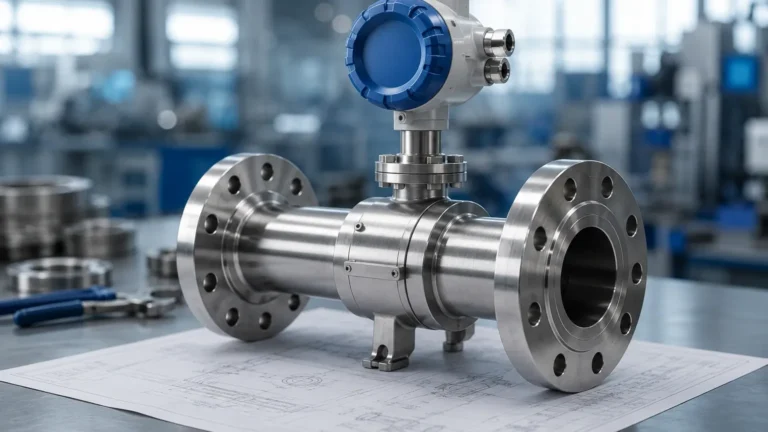
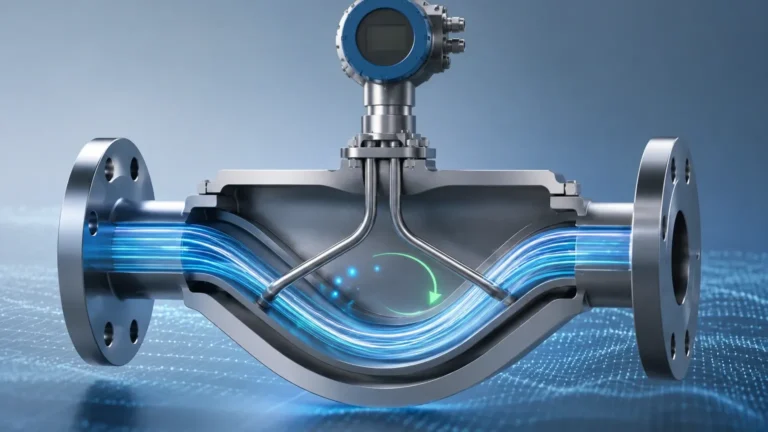
Methane Flow Meter
Methane Flow Meter
In industrial process control, the accurate measurement of methane (CH4) is a critical requirement across diverse sectors, including renewable energy production, wastewater treatment, and petrochemical refining. Whether managing biogas from an anaerobic digester or monitoring natural gas distribution, selecting the correct methane flow meter requires a deep understanding of gas properties, flow dynamics, and the specific environmental conditions of the application. This guide provides a technical overview of methane measurement technologies, selection criteria, and engineering best practices for reliable performance.
Principles of Methane Flow Measurement
Before selecting a methane flow meter, it is essential to understand the physical principles that govern different measurement technologies. Methane is a flammable, colorless gas with a lower density than air. Its measurement is often complicated by variations in pressure, temperature, and, in the case of biogas, high moisture content and impurities.
Thermal Mass Flow Measurement
Thermal mass flow meters operate on the principle of thermal dispersion. The sensor typically consists of two RTD (Resistance Temperature Detector) sensors: one that measures the actual gas temperature and another that is heated to a constant differential temperature above the gas. As methane flows past the heated sensor, it carries away heat. The amount of electrical power required to maintain the temperature differential is directly proportional to the mass flow rate of the gas.
This technology is highly effective for methane because it measures mass flow directly without needing additional pressure or temperature compensation. It is particularly sensitive to low flow rates, making it ideal for leak detection or monitoring digester gas production.
Vortex Shedding Principle
Vortex flow meters utilize the Von Kármán effect. A "bluff body" is placed in the flow stream, and as the methane gas passes this body, vortices are shed alternately on each side. The frequency of these vortices is directly proportional to the velocity of the gas. By multiplying the velocity by the cross-sectional area of the pipe, the volumetric flow rate is determined.
Vortex meters are robust and have no moving parts, which reduces maintenance. However, they require a minimum Reynolds number to function, meaning they may not be suitable for very low-velocity methane flows.
Ultrasonic Transit-Time Measurement
Ultrasonic methane flow meters use acoustic transducers to send sound pulses across the pipe, both upstream and downstream. The time difference between the pulses is used to calculate the gas velocity. Because methane's molecular weight is significantly different from other gases like CO2 (often found in biogas), advanced ultrasonic meters can also provide information about the gas composition.
This technology offers high accuracy and zero pressure drop, which is critical in low-pressure methane systems. It is also highly resistant to the corrosive elements often found in raw methane sources.
Differential Pressure (DP) Measurement
DP flow meters, such as orifice plates or Venturi tubes, create a constriction in the pipe that causes a pressure drop. According to Bernoulli's equation, the square root of the pressure drop is proportional to the flow rate. While traditional, these systems require secondary transmitters for pressure and temperature to calculate mass flow, and they can cause a significant permanent pressure loss in the system.
Technical Selection Criteria
Choosing the right methane flow meter involves balancing accuracy requirements against the physical constraints of the installation. Engineers should evaluate the following parameters:
1. Gas Composition and Purity
Pure natural gas is relatively easy to measure. However, methane derived from landfills or wastewater treatment (biogas) often contains 30% to 50% CO2, along with water vapor and hydrogen sulfide (H2S). Thermal mass meters must be calibrated for the specific gas mix, as the thermal conductivity of CO2 differs from CH4. If the composition fluctuates, ultrasonic or vortex meters may be more stable.
2. Flow Range and Turndown Ratio
The turndown ratio (the ratio between maximum and minimum measurable flow) is vital. In biogas applications, flow can drop significantly during colder months or maintenance cycles. Thermal mass meters offer high turndown (up to 100:1 or more), whereas vortex meters typically offer 10:1 to 20:1.
3. Pressure and Temperature Conditions
Methane is often transported at high pressures in pipelines but managed at very low pressures (less than 50 mbar / 0.7 psi) in digester systems. Differential pressure meters may not have enough "signal" at very low pressures, making thermal or ultrasonic options preferable. For integrated industrial monitoring, reviewing professional instrumentation options on the Main Page can provide insights into how flow and level data are synchronized in complex systems.
Practical Selection Table
| Technology | Accuracy (Typical) | Turndown Ratio | Pressure Drop | Ideal Application |
| :— | :— | :— | :— | :— |
| Thermal Mass | ±1% of Reading | 100:1 | Negligible | Low-pressure biogas, leak detection |
| Vortex | ±1% to 1.5% | 20:1 | Medium | High-velocity natural gas, steam |
| Ultrasonic | ±0.5% to 1% | 50:1 | Zero | Custody transfer, large diameter pipes |
| Differential Pressure | ±2% | 4:1 | High | Constant flow, high-pressure systems |
Installation Considerations
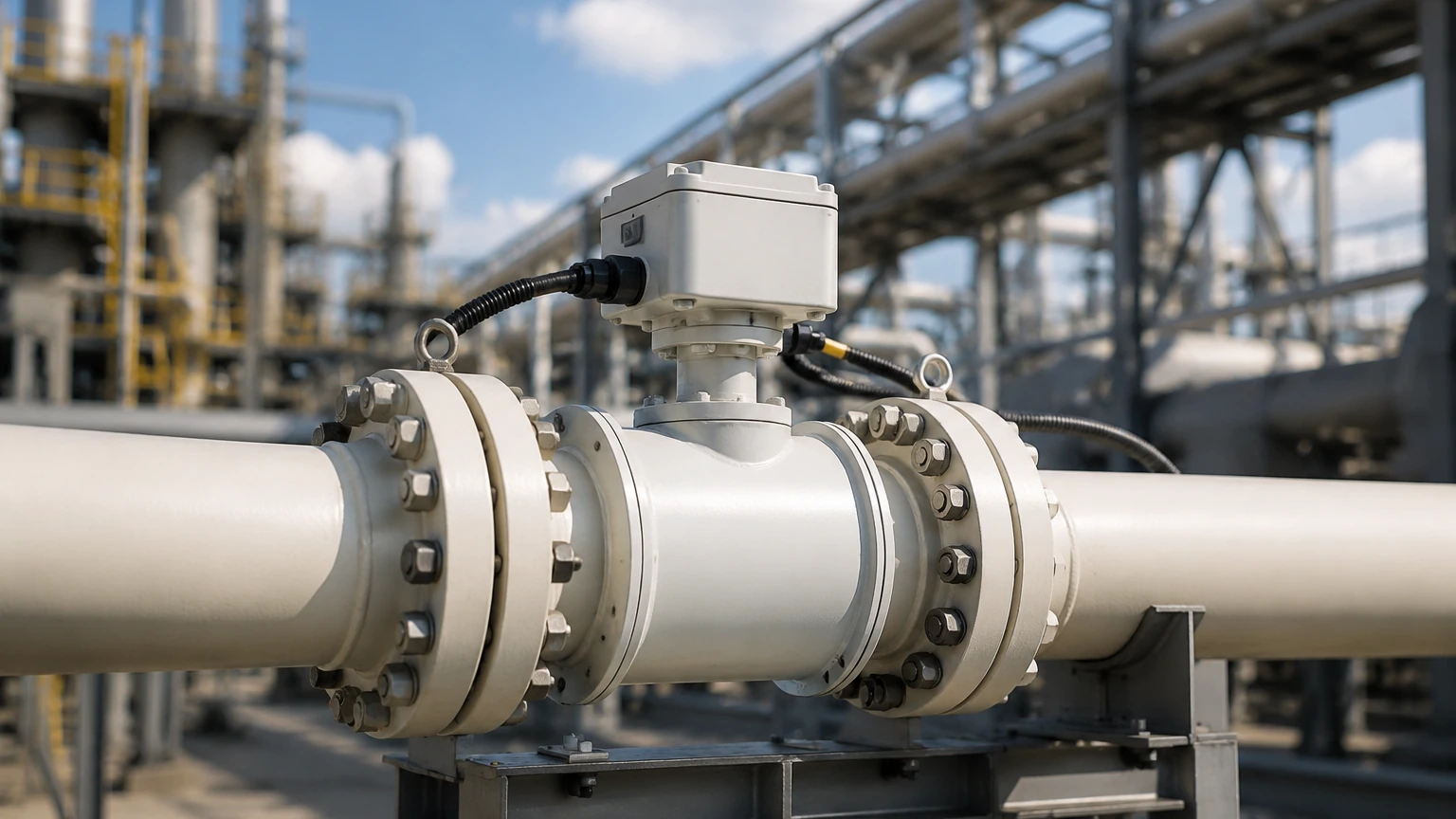
To ensure the accuracy of a methane flow meter, the physical installation must adhere to strict engineering standards. Failure to follow these guidelines often results in turbulent flow profiles that lead to measurement errors.
1. Straight Pipe Runs: Most meters require a specific length of straight pipe upstream and downstream of the sensor to stabilize the flow profile. A common requirement is 10 to 20 diameters (10D–20D) upstream and 5 diameters (5D) downstream. If space is limited, flow conditioners (perforated plates) may be necessary.
2. Moisture Management: In biogas applications, methane is often saturated with water. If water droplets hit a thermal mass sensor, they can cause "spikes" in the reading as the water absorbs a large amount of heat. Installing the meter at a high point in the piping and using moisture traps or knock-out pots upstream is recommended.
3. Hazardous Area Certification: Methane is highly explosive. Any methane flow meter installed in the process line must carry appropriate hazardous area certifications, such as ATEX (Europe), IECEx (Global), or UL/CSA (North America) for Zone 0 or Zone 1 environments.
4. Orientation: For gases, horizontal installation is standard. However, if the gas is wet, a vertical-up flow orientation can help prevent moisture from pooling around the sensor head.
Limitations and Common Risks
While modern methane flow meters are highly advanced, they are not without limitations:
* Coating and Fouling: In "dirty" gas applications like landfill gas, siloxanes or particulates can coat the sensors. This is particularly problematic for thermal mass and vortex meters. Regular cleaning intervals must be established.
* Composition Shifts: If a thermal mass meter is calibrated for 100% methane but the process gas shifts to 80% methane and 20% nitrogen, the reading will be inaccurate. In such cases, real-time gas analysis or a flow technology independent of gas properties (like ultrasonic) is required.
* Low Flow Cut-off: Vortex meters have a "no-flow" threshold. If the methane velocity falls below approximately 3 m/s (9.8 ft/s), the meter will read zero even if gas is moving. This can lead to significant unaccounted-for gas in flare lines.
Frequently Asked Questions (FAQ)
Q: Can a methane flow meter measure other gases?
A: Most meters can measure other gases, but they must be recalibrated. Thermal mass meters are gas-specific because they rely on the gas's thermal properties. Vortex and ultrasonic meters are more flexible but still require density or sound-speed adjustments for accurate mass calculation.
Q: How often should a methane flow meter be calibrated?
A: For non-critical monitoring, every 2 years is common. For custody transfer (buying/selling gas) or environmental compliance (carbon credits), annual calibration is usually mandatory. Many modern meters offer "in-situ" calibration validation to extend the time between factory service.
Q: Does pipe material affect the meter?
A: The meter itself is usually made of stainless steel (316L) or Hastelloy. The pipe material (PVC, Carbon Steel, Stainless) does not affect the measurement principle, provided the internal diameter is accurately known and the meter is properly sealed.
Q: How do I handle methane flow in very large pipes?
A: For pipes larger than 300 mm (12 inches), insertion-style meters are often used instead of full-bore inline meters. An insertion thermal mass or vortex meter is inserted through a flange or "hot tap" into the center of the pipe, providing a cost-effective solution for large-scale ducting.
Conclusion
Selecting a methane flow meter is a process of matching the technology to the specific chemical and physical state of the gas. For low-pressure, fluctuating flows common in green energy, thermal mass and ultrasonic technologies provide the highest sensitivity. For high-pressure industrial distribution, vortex and differential pressure systems offer the necessary durability. By considering gas composition, moisture levels, and installation geometry, engineers can ensure long-term accuracy and safety in methane measurement applications. For further technical specifications on industrial measurement and control, consult the professional resources available on the Main Page.