Micro Motion Meter
Micro Motion Meter
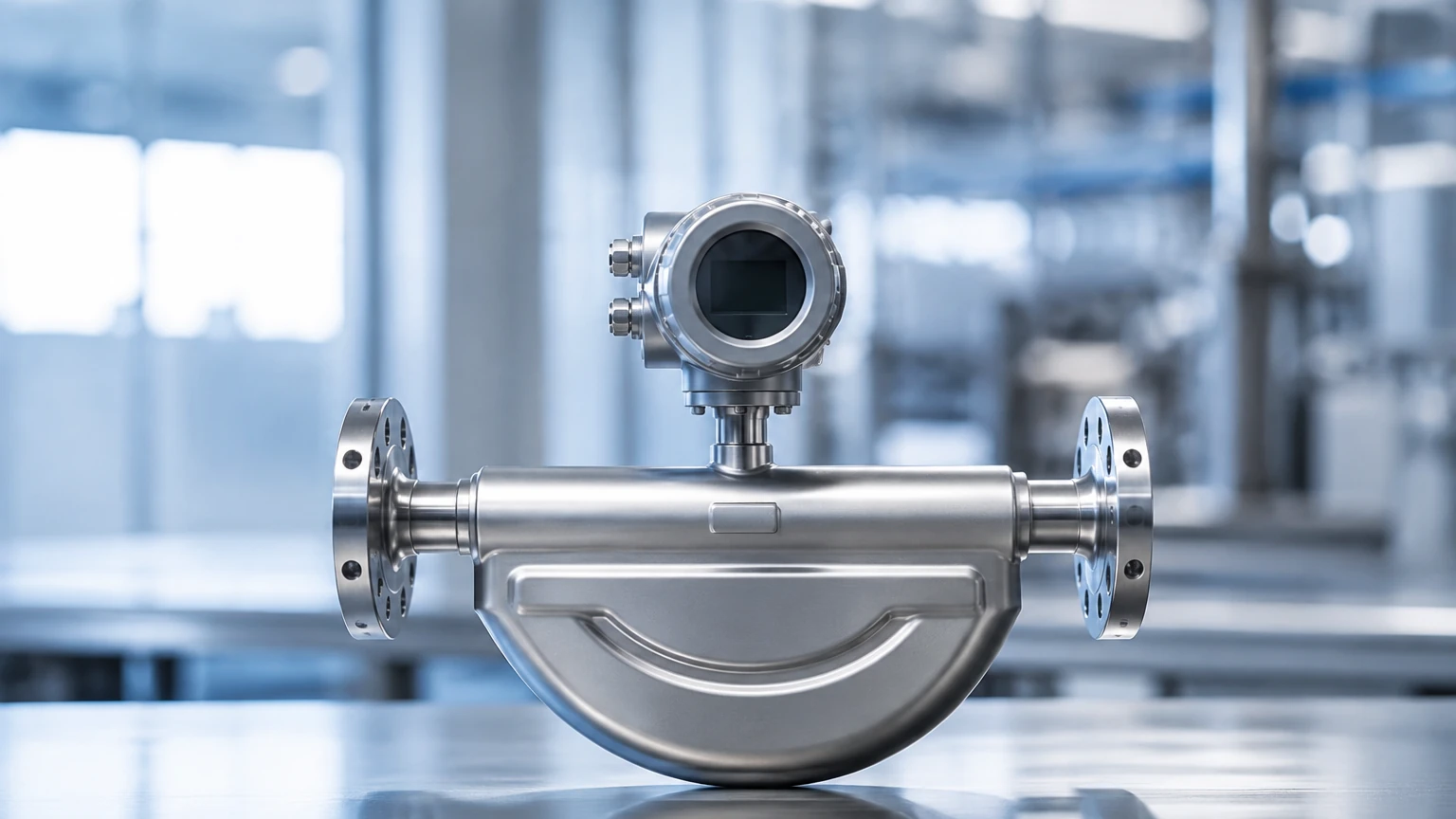
In the landscape of industrial process control, the micro motion meter—commonly referred to as a Coriolis mass flowmeter—represents the pinnacle of precision for measuring fluid flow and density. Unlike volumetric flowmeters that require compensation for temperature and pressure to calculate mass, a micro motion meter measures mass flow directly. This capability is critical in industries such as chemical processing, oil and gas, and food and beverage, where the mass of a substance is the primary variable for billing, dosing, and chemical reactions.
This guide provides a comprehensive technical overview of micro motion technology, its underlying physics, selection criteria, and its integration within broader industrial automation frameworks alongside level measurement systems.
Understanding the Coriolis Measurement Principle
The operation of a micro motion meter is based on the principles of fluid mechanics, specifically the Coriolis effect. To understand how these instruments function, one must examine the internal geometry and the interaction between the vibrating tubes and the flowing fluid.
The Coriolis Effect in Sensing Tubes
Inside the meter, one or two sensing tubes are driven to oscillate at their resonant frequency by an electromagnetic drive coil. When there is no flow, the tubes vibrate in a uniform, symmetrical manner. However, when a fluid (liquid or gas) enters the tubes, it is forced to take on the vertical velocity of the vibrating tube.
As the fluid moves toward the point of maximum vibration amplitude (the center of the tube), it resists being accelerated upward, pushing back against the tube. Conversely, as the fluid moves away from the center toward the outlet, it resists being decelerated, pushing forward. This opposing force causes the sensing tube to twist. This twisting motion is called the Coriolis effect.
Measuring Mass Flow and Density
Electromagnetic pick-off coils located on the inlet and outlet sides of the tubes detect the vibration. When flow occurs, the twist creates a time delay (or phase shift) between the signals from the two pick-off coils. This time delay is directly proportional to the mass flow rate.
Simultaneously, the meter measures the frequency of the tube's vibration. Because the mass of the tubes is constant, the resonant frequency changes based on the density of the fluid inside them. A denser fluid increases the total mass of the system, lowering the vibration frequency. This allows the micro motion meter to provide a real-time, high-accuracy density measurement in addition to mass flow.
Technical Advantages of Micro Motion Technology
The adoption of micro motion meters in B2B industrial environments is driven by several distinct advantages over traditional flow measurement technologies:
1. Direct Mass Measurement: Eliminates the need for external pressure and temperature transmitters to calculate mass, reducing system complexity and potential points of failure.
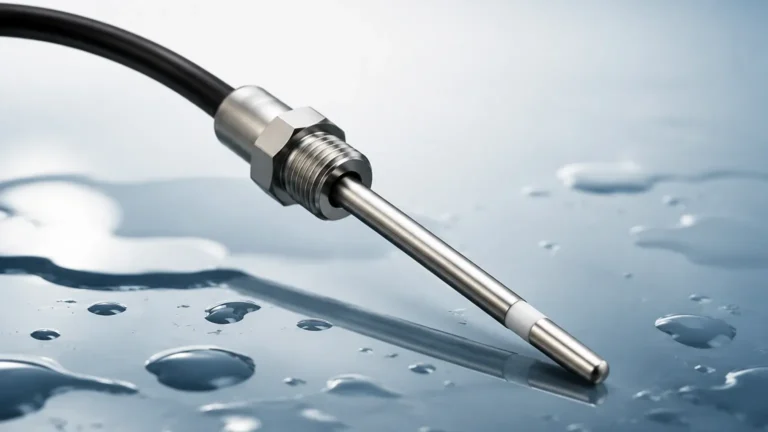
2. Multi-Variable Output: A single device can provide data on mass flow, volume flow, density, and temperature (via an internal RTD).
3. High Accuracy and Turndown: These meters typically offer accuracies of ±0.1% or better for liquids and have a wide turndown ratio, meaning they remain accurate even at very low flow rates.
4. No Moving Parts in the Fluid Stream: Unlike turbine or positive displacement meters, there are no rotors or gears to wear out, significantly reducing maintenance requirements.
5. Immunity to Fluid Properties: The measurement is largely independent of viscosity, conductivity, and flow profile (Reynolds number), provided the fluid is homogeneous.
Key Evaluation Criteria for Selection
Selecting the correct micro motion meter requires a detailed analysis of the process conditions. Engineers must look beyond the initial cost and evaluate the total cost of ownership (TCO) and the specific requirements of the application.
Fluid State and Composition
While Coriolis meters are highly versatile, the presence of entrained gas in liquids (two-phase flow) can dampen the tube vibration and introduce errors. Modern "advanced phase measurement" algorithms can mitigate this, but it remains a critical evaluation point. For gas applications, the lower density of gases results in a much smaller Coriolis force, requiring meters with higher sensitivity and larger tube diameters.
Pressure Drop
Because the fluid must pass through the internal geometry of the sensing tubes (often U-shaped or narrowed), a pressure drop occurs. In gravity-fed systems or low-pressure lines, this must be calculated to ensure the meter does not starve downstream processes. Choosing a straight-tube design can minimize pressure drop but may sacrifice some sensitivity compared to curved-tube designs.
Material Compatibility
The wetted parts—the tubes themselves—must be compatible with the process fluid. Common materials include 316L Stainless Steel, Hastelloy C-22, and Tantalum for highly corrosive chemical applications.
Practical Selection Table for Industrial Applications
The following table outlines typical specifications for micro motion meters across different industrial scales. Note that these are generalized values and should be verified against specific manufacturer data sheets.
| Application Scale | Nominal Pipe Size (mm) | Max Flow Rate (kg/h) | Typical Accuracy (%) | Max Pressure (bar) |
| :— | :— | :— | :— | :— |
| Laboratory/Dosing | 1 – 6 mm | 10 – 500 | ±0.10% | 400+ |
| Small Process | 15 – 25 mm | 5,000 – 20,000 | ±0.05% | 100 |
| Mid-Size Industrial| 50 – 80 mm | 50,000 – 150,000 | ±0.10% | 64 |
| Bulk Loading/Transfer| 100 – 250 mm | 250,000 – 1,000,000+| ±0.10% | 40 |
Installation Guidelines and Best Practices
Proper installation is paramount to achieving the laboratory-grade accuracy promised by micro motion technology. Even the most advanced meter will underperform if subjected to external mechanical stress or improper mounting.
Orientation and Support
* Liquid Service: The meter should ideally be installed in a "tubes down" orientation in horizontal piping to prevent gas bubbles from becoming trapped in the tubes. If the pipe is vertical, the flow should be upward to ensure the meter remains full of liquid.
* Gas Service: The meter should be installed "tubes up" to allow any condensed liquids to drain out of the sensing area.
* Mechanical Isolation: The meter must be supported by the adjacent piping, and the piping itself must be rigidly anchored. Vibrations from nearby pumps or compressors can interfere with the meter’s internal frequency, leading to "noise" in the measurement data.
Zero Calibration
Once installed and the system is filled with the process fluid at operating temperature and pressure, a "zero calibration" must be performed. This procedure involves closing valves on both sides of the meter to ensure a state of absolute zero flow, allowing the transmitter to calibrate out any residual mechanical stresses from the piping installation.
Straight Run Requirements
One of the significant benefits of the micro motion meter is that it generally does not require the long straight runs of pipe (upstream and downstream) necessitated by orifice plates or ultrasonic meters. However, it is still best practice to avoid placing the meter immediately after a high-turbulence source like a double elbow or a partially closed valve.
Limitations and Operational Challenges
Despite their precision, micro motion meters are not universal solutions. Engineers should be aware of the following limitations:
* Initial Capital Cost: Coriolis meters are significantly more expensive than magnetic or vortex flowmeters. They are typically reserved for applications where high accuracy or density data justifies the investment.
* Size and Weight: Large-diameter Coriolis meters (above 200 mm) are extremely heavy and bulky, requiring substantial structural support and specialized lifting equipment for installation.
* Gas Entrainment: As mentioned, "slug flow" or high concentrations of entrained air can cause the meter to "stall" or lose its drive signal. While modern electronics are better at handling this, it remains a challenge for heavy crude oil or aerated food products.
Integrating Flow and Level Data for Process Optimization
In a comprehensive industrial automation strategy, flow measurement and level measurement are complementary. While a micro motion meter tracks the mass entering or leaving a vessel, level instruments—such as those found on the Main Page—provide the necessary data for inventory validation and safety.
For example, in a chemical blending tank, a radar level meter provides the primary volume measurement for inventory. However, if the density of the chemical changes due to temperature fluctuations or concentration shifts, the volume-to-mass calculation becomes inaccurate. By integrating a micro motion meter on the inlet line, the system can use real-time density data to correct the level-based volume measurement into an accurate mass-based inventory reading. This synergy is vital for mass balance calculations and leak detection in high-value storage applications.
Frequently Asked Questions (FAQs)
Q: Can a micro motion meter measure the flow of non-conductive liquids?
A: Yes. Unlike magnetic flowmeters, which require a minimum fluid conductivity, Coriolis meters are entirely independent of the electrical properties of the fluid. They work equally well with deionized water, hydrocarbons, and liquid gases.
Q: How often does a micro motion meter need to be recalibrated?
A: Because there are no moving parts to wear, the meter's calibration is inherently stable. Many users find that the meter remains within specification for years. However, in regulated industries (like custody transfer), annual or biennial verification using a master meter or a weigh scale is standard practice.
Q: What is the impact of high viscosity on measurement?
A: High viscosity increases the pressure drop across the meter but does not inherently affect the accuracy of the mass flow measurement. The Coriolis force is a function of mass and velocity, not the internal friction of the fluid.
Q: Can these meters handle sanitary applications?
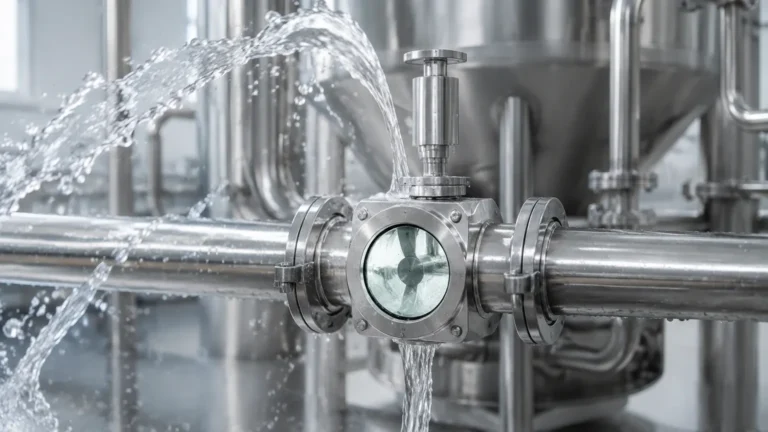
A: Yes. Many micro motion meters are designed with 3A or EHEDG certifications, featuring polished internal surfaces and self-draining geometries suitable for Clean-in-Place (CIP) and Steam-in-Place (SIP) processes in the pharmaceutical and food industries.
By understanding the fundamental principles and rigorous selection criteria of the micro motion meter, engineers can ensure reliable and highly accurate process control. When paired with robust level measurement solutions, these instruments form the backbone of modern industrial efficiency and fiscal accountability.