O2 Analyzer Anesthesia Machine
O2 Analyzer Anesthesia Machine
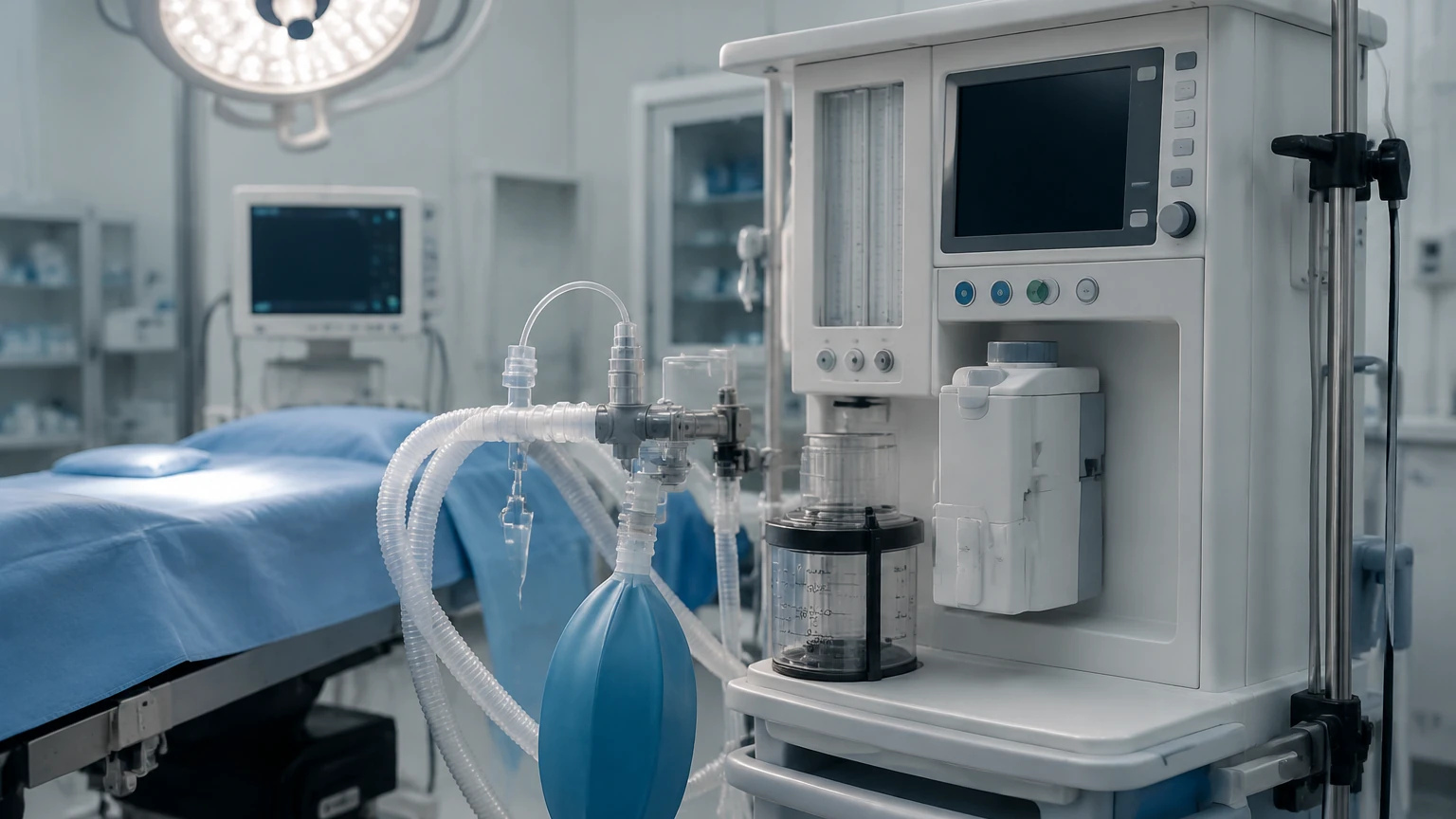
In the field of medical gas delivery and industrial life-support systems, the O2 analyzer anesthesia machine serves as a critical safety barrier. While the broader field of process control often focuses on liquid levels and flow, the precise measurement of gas concentrations—specifically oxygen—is paramount when dealing with life-critical environments. An oxygen analyzer integrated into an anesthesia workstation ensures that the fraction of inspired oxygen (FiO2) delivered to a patient remains within the programmed parameters, preventing both hypoxia and hyperoxia.
Understanding the engineering principles behind these sensors is essential for biomedical engineers and facility managers who oversee complex gas delivery systems. This article explores the measurement technologies, selection criteria, and maintenance protocols for oxygen analyzers used in anesthesia applications.
Measurement Principles of Oxygen Analyzers
To select the appropriate O2 analyzer anesthesia machine component, one must first understand the physics of gas detection. There are three primary technologies used in modern anesthesia systems: galvanic (electrochemical) cells, paramagnetic sensors, and ultrasonic sensors.
1. Galvanic (Electrochemical) Fuel Cells
Galvanic cells are the most traditional sensors found in anesthesia machines. They operate similarly to a battery. The sensor consists of a lead anode, a gold cathode, and a potassium hydroxide electrolyte solution. Oxygen molecules diffuse through a permeable membrane and are reduced at the cathode, while the lead anode is oxidized. This chemical reaction generates an electrical current directly proportional to the partial pressure of oxygen in the gas mixture.
* Advantages: Low initial cost, simple integration, and no power requirement for the sensing reaction itself.
* Limitations: The lead anode is consumed over time, giving the sensor a finite lifespan (typically 12 to 18 months depending on oxygen exposure).
2. Paramagnetic Sensors
Oxygen is unique among atmospheric gases because it is paramagnetic, meaning it is attracted into a magnetic field. Paramagnetic sensors utilize a small glass sphere (a dumbbell) suspended in a non-uniform magnetic field. When oxygen flows through the sensor, it displaces the dumbbell. The degree of displacement or the force required to keep the dumbbell stationary is measured and converted into an oxygen concentration reading.
* Advantages: Extremely fast response times (T90 < 200ms) and a virtually unlimited lifespan because no components are consumed during measurement.
* Limitations: Higher initial capital cost and sensitivity to physical vibration or movement.
1
3. Ultrasonic Gas Analyzers
Modern high-end anesthesia workstations increasingly utilize ultrasonic technology. This method measures the speed of sound through the gas mixture. Since the speed of sound varies depending on the molecular weight of the gases (oxygen vs. nitrous oxide or anesthetic agents), the device can calculate the oxygen concentration with high precision.
* Advantages: No moving parts, no consumable components, and highly reliable for long-term use.
* Limitations: Requires complex digital signal processing and is typically integrated into the machine's internal architecture rather than being a modular add-on.
Technical Selection Criteria
When evaluating an O2 analyzer anesthesia machine for a facility, engineering teams should compare technical specifications against the specific requirements of their gas delivery protocols. For broader industrial instrumentation needs, including level and flow monitoring, engineers often Review product options and application support to ensure system compatibility.
Comparison of Oxygen Sensing Technologies
| Feature | Galvanic Cell | Paramagnetic | Ultrasonic |
| :— | :— | :— | :— |
| Measurement Principle | Chemical Reaction | Magnetic Susceptibility | Speed of Sound |
| Lifespan | 12–18 Months | >5 Years | >10 Years |
| Response Time | 10–15 Seconds | <1 Second | <1 Second |
| Calibration Frequency | Daily | Monthly/Quarterly | Factory Calibrated |
| Maintenance Cost | High (Replacement) | Low | Very Low |
| Power Consumption | Low | Moderate | Moderate |
Installation and Integration Considerations
The placement of the oxygen analyzer within the anesthesia circuit is vital for accurate data. In most B2B medical environments, the analyzer is positioned on the inspiratory limb of the breathing circuit, downstream from the flow meters and vaporizer but upstream from the patient.
Sensor Placement and Moisture Management
One of the primary challenges in gas analysis is humidity. Patient exhalation and heated humidifiers can introduce moisture into the circuit. If water droplets settle on a galvanic sensor membrane, it can block oxygen diffusion, leading to falsely low readings. Therefore, analyzers should be installed with water traps or placed in a vertical orientation where condensation can drain away from the sensing element.
Pressure Compensation
Oxygen analyzers measure the partial pressure of oxygen ($PO_2$), but the display usually shows a percentage (%). Because partial pressure changes with atmospheric pressure, the analyzer must be calibrated to the local barometric pressure. High-altitude facilities must ensure their O2 analyzer anesthesia machine has built-in barometric compensation to avoid errors exceeding 3–5% of the reading.
Calibration Protocols and Standards
To maintain the integrity of the gas delivery system, a strict calibration schedule is required. Most international standards (such as ISO 80601-2-13) dictate that the oxygen analyzer must be calibrated at least once every 24 hours or whenever the sensor is replaced.
1. Room Air Calibration (21%): The sensor is exposed to ambient air. The electronics are adjusted to ensure the display reads exactly 21%.
2. Pure Oxygen Calibration (100%): The sensor is exposed to medical-grade oxygen from the machine's flush valve. This ensures the "slope" of the sensor's response is linear and accurate at high concentrations.
If a sensor fails to reach 100% during calibration, it is a primary indicator that the galvanic cell is nearing the end of its life and must be replaced immediately.
Limitations and Common Risks
While highly reliable, the O2 analyzer anesthesia machine is not without limitations. Engineers must be aware of the following risks:
* Cross-Sensitivity: Some older electrochemical sensors can be affected by anesthetic gases like nitrous oxide ($N_2O$) or carbon dioxide ($CO_2$). This is known as the "pressure effect," where the presence of other gases slightly alters the oxygen diffusion rate.
* Sensor Depletion: For galvanic cells, the lead anode is constantly oxidizing. Even when the machine is turned off, the sensor is "consuming" itself if exposed to air. Storing spare sensors in airtight, nitrogen-purged packaging is a common B2B procurement best practice.
* Electronic Interference: In environments with high electromagnetic interference (EMI), such as near MRI suites, specialized non-ferrous paramagnetic sensors or fiber-optic sensors must be used to prevent signal noise.
Maintenance Checklist for Engineering Teams
To ensure the longevity and accuracy of oxygen monitoring systems, the following maintenance tasks should be performed:
* Daily: Perform 21% and 100% O2 calibration before the first use of the day.
* Weekly: Inspect the sensor cable for fraying or kinking, which can introduce resistance and cause fluctuating readings.
* Monthly: Check the water trap and replace any hydrophobic filters protecting the sensor housing.
* Annually: For paramagnetic and ultrasonic systems, verify the internal flow rates and perform a system-wide leak test at 30 cmH2O (approx. 3 kPa).
For organizations managing diverse industrial assets, integrating these specialized gas monitors into a broader maintenance management system is essential. Reliable measurement is the foundation of process safety, whether the medium is a liquid in a tank or oxygen in a breathing circuit. For more information on high-precision measurement instruments, professionals can visit the Main Page of industry-leading suppliers.
Frequently Asked Questions (FAQ)
Q: How often should I replace the oxygen sensor in my anesthesia machine?
A: If you are using a galvanic fuel cell, it typically needs replacement every 12 to 18 months. However, if the machine is used frequently with high oxygen concentrations, the sensor may deplete faster. Paramagnetic sensors usually do not require replacement for the life of the machine.
Q: Why does my O2 analyzer show 18% when the room air should be 21%?
A: This is usually due to a calibration drift or a depleted sensor. First, attempt a room-air calibration. If the reading does not stabilize at 21%, the sensor membrane may be contaminated with moisture, or the electrolyte may be exhausted.
Q: Can I use an industrial oxygen analyzer for an anesthesia machine?
A: No. Medical-grade O2 analyzers must meet specific regulatory standards (like FDA or CE Medical Device Directives) regarding response time, alarm systems, and resistance to anesthetic agents. Industrial sensors may not have the necessary fast-response characteristics required for breath-by-breath monitoring.
Q: What is the impact of temperature on oxygen measurement?
A: Most modern O2 analyzer anesthesia machine components include a thermistor for automatic temperature compensation. Without this, a drop in temperature would cause the gas to become denser, potentially leading to an inaccurate partial pressure reading.
Conclusion
The O2 analyzer anesthesia machine is a sophisticated piece of engineering that bridges the gap between chemical sensing and digital monitoring. By selecting the right sensing technology—whether it be the cost-effective galvanic cell or the robust paramagnetic sensor—and adhering to strict calibration and maintenance schedules, facilities can ensure the highest levels of safety and accuracy. As with all industrial and medical instrumentation, understanding the underlying physics is the first step toward effective system management.