Oxygen Sensor for Confined Space
Oxygen Sensor for Confined Space
In industrial environments, the safety of personnel entering confined spaces—such as storage tanks, silos, sewers, and pits—depends heavily on the accurate monitoring of atmospheric conditions. Among the various gases that must be monitored, oxygen is the most critical. An oxygen sensor for confined space is designed to detect both oxygen deficiency, which can lead to asphyxiation, and oxygen enrichment, which significantly increases the risk of fire and explosion.
For engineers and safety managers involved in process automation and level measurement, understanding the underlying technology of these sensors is essential. Whether you are installing a radar level meter in a chemical tank or performing maintenance on a hydrostatic transmitter in a deep well, ensuring a safe atmosphere is the first step in any operational protocol. This guide examines the measurement principles, selection criteria, and practical installation considerations for oxygen sensors in confined space applications.
Understanding Oxygen Levels in Industrial Environments
Atmospheric air typically contains approximately 20.9% oxygen by volume. In industrial settings, this balance can be easily disrupted. Confined spaces are particularly susceptible to oxygen fluctuations due to biological processes (oxidation or fermentation), chemical reactions (rusting or combustion), or the displacement of air by other gases like nitrogen, carbon dioxide, or methane.
According to international safety standards, such as OSHA 1910.146, an atmosphere is considered oxygen-deficient if the concentration falls below 19.5% and oxygen-enriched if it exceeds 23.5%. Both conditions are hazardous. Deficiency causes impaired judgment, loss of consciousness, and death within minutes, while enrichment makes materials that are normally flame-resistant highly combustible.
Measurement Principles for Oxygen Detection
Before selecting an oxygen sensor for confined space, it is necessary to understand the different sensing technologies available. Each principle has specific advantages and limitations depending on the environment.
1. Electrochemical Sensors
Electrochemical sensors are the most common technology used for personal gas monitors and fixed safety systems. They operate by reacting with the target gas (O2) to produce an electrical current. The sensor consists of a sensing electrode (cathode), a counter electrode (anode), and an electrolyte solution.
Oxygen diffuses through a membrane and is reduced at the cathode. Simultaneously, oxidation occurs at the anode. The resulting current is directly proportional to the partial pressure of oxygen in the atmosphere. Most modern electrochemical O2 sensors are "capillary-controlled," meaning they measure the concentration of oxygen rather than just partial pressure, making them less sensitive to slight changes in atmospheric pressure.
2. Paramagnetic Sensors
Oxygen is unique among common gases because it is paramagnetic—it is physically attracted to a magnetic field. Paramagnetic sensors utilize this property by placing a glass-encapsulated "dumbbell" in a non-uniform magnetic field. When oxygen enters the chamber, it is drawn into the strongest part of the magnetic field, displacing the dumbbell. The degree of displacement or the force required to keep the dumbbell in a neutral position is measured to determine the oxygen concentration. These sensors are highly accurate and do not "wear out" like electrochemical cells, but they are sensitive to vibration and tilt.
3. Zirconia (Zirconium Oxide) Sensors
Zirconia sensors are solid-state devices that use a ceramic electrolyte. At high temperatures (typically above 600°C), zirconium oxide becomes conductive to oxygen ions. If there is a difference in oxygen partial pressure between the two sides of the zirconia element, oxygen ions will migrate, creating a voltage (Nernst voltage). These are primarily used in high-temperature flue gas analysis but can be adapted for specific industrial confined space monitoring where high speed of response is required.
4. Optical (Fluorescence Quenching) Sensors
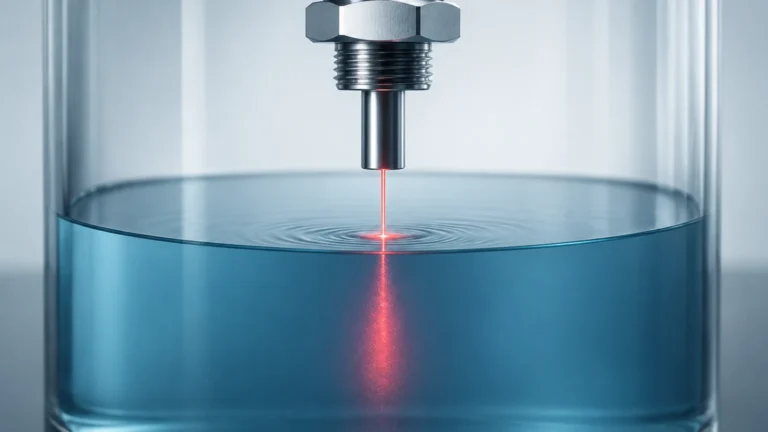
Optical sensors use a light source to excite a fluorescent dye. In the presence of oxygen, the fluorescence is "quenched" or diminished. The rate and intensity of the quenching are measured to calculate the oxygen concentration. These sensors are becoming more popular because they are not consumed by the measurement process and are resistant to chemical interference that might poison electrochemical cells.
Selecting an Oxygen Sensor for Confined Space
Choosing the right sensor requires an evaluation of the specific hazards present in the facility. Engineers should consider the following factors:
* Response Time (T90): The time it takes for the sensor to reach 90% of its final reading. In a confined space, a fast T90 (typically <15 seconds) is vital for early warning.
* Operating Temperature and Humidity: Most electrochemical sensors operate reliably between -20°C and +50°C. Extreme humidity can cause condensation on the membrane, blocking gas entry.
* Lifespan: Electrochemical sensors have a finite life (usually 2–3 years) because the internal lead anode is consumed during the reaction. Lead-free electrochemical sensors are now available with longer lifespans.
* Cross-Sensitivity: Some sensors may react to other gases (like CO2 or acidic gases), providing a false reading. In chemical storage applications, this is a critical consideration.
Technical Comparison Table
| Feature | Electrochemical | Paramagnetic | Optical (Fluorescence) |
| :— | :— | :— | :— |
| Primary Use | Portable & Fixed Safety | Laboratory/Process | Long-life Fixed Systems |
| Typical Range | 0–25% or 0–30% Vol | 0–100% Vol | 0–25% Vol |
| Lifespan | 2–3 Years | 8–10+ Years | 5+ Years |
| Maintenance | Frequent Calibration | Low | Low |
| Cost | Low | High | Medium-High |
| Interference | High CO2 levels | Vibration/Tilt | Strong Oxidizers |
Integration with Level Measurement Systems
In many industrial processes, oxygen monitoring and level measurement go hand-in-hand. For instance, when managing liquid levels in a wastewater treatment plant or a chemical reactor, the headspace above the liquid must be monitored before any maintenance activity.
Operators often utilize the Main Page of instrumentation providers to source radar or ultrasonic level sensors that can withstand the corrosive or volatile atmospheres found in these spaces. When a level meter indicates that a tank is empty and ready for inspection, the safety protocol mandates the use of an oxygen sensor for confined space to verify the atmosphere. In advanced automation setups, fixed gas detectors are integrated into the same PLC (Programmable Logic Controller) as the level transmitters, allowing for real-time safety interlocks—for example, preventing a manway from being opened if oxygen levels are unsafe.
Installation and Placement Guidelines
Proper placement of an oxygen sensor for confined space is critical because gases do not always mix uniformly. While oxygen has a molecular weight similar to air, it can be displaced by heavier or lighter gases.
1. Stratification Checks: Before entry, testing should be performed at the top, middle, and bottom of the space. For fixed installations, sensors should be placed near the "breathing zone" (approximately 1.5 to 1.8 meters above the floor), but also near potential leak sources or areas where stagnant air might collect.
2. Remote Sampling: If a space cannot be entered for sensor placement, use a pump-equipped monitor with a sampling hose. Ensure the hose material is compatible with any potential chemicals in the tank to avoid absorption of the gas sample.
3. Environmental Protection: In wet environments, such as sumps or water treatment tanks, use splash guards or hydrophobic filters to prevent water ingress from damaging the sensor electronics.
4. Wiring and Power: For fixed sensors, use shielded cabling to prevent electromagnetic interference (EMI) from high-power equipment like pumps or agitators. Ensure the sensor is rated for the appropriate hazardous area classification (e.g., ATEX/IECEx Zone 0 or 1).
Maintenance, Calibration, and Troubleshooting
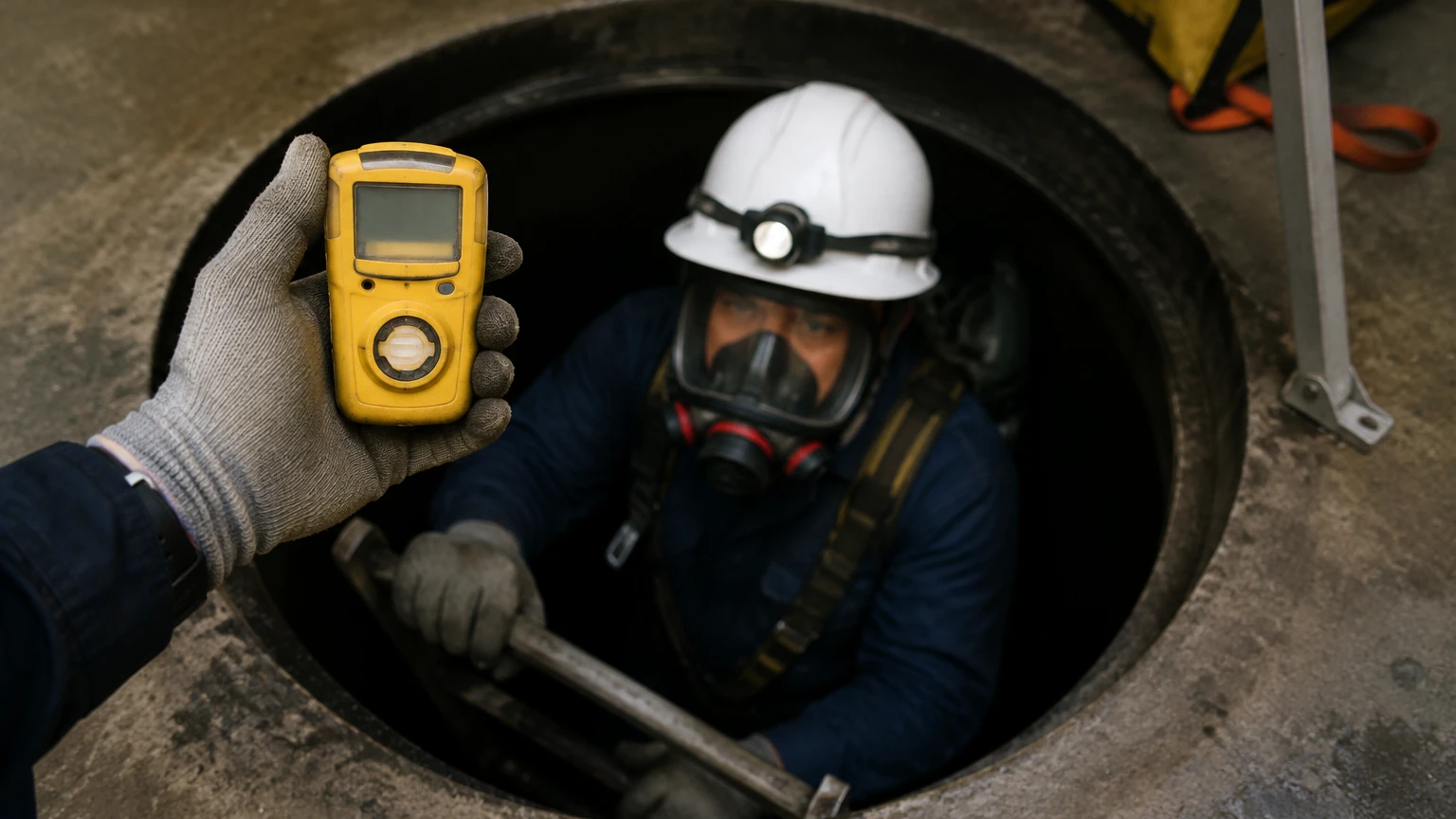
A sensor that is not maintained is a liability. For an oxygen sensor for confined space, the following maintenance schedule is recommended:
* Bump Testing: This is a functional check performed before each day's use for portable monitors. A brief exposure to a known concentration of gas (e.g., 18% O2) confirms that the sensor and alarms are working.
* Full Calibration: This should be performed at intervals defined by the manufacturer, typically every 3 to 6 months. Calibration adjusts the sensor's electronics to account for the natural drift and sensitivity loss of the sensing element.
* Fresh Air Calibration: Most O2 sensors can be "zeroed" or spanned in known clean air (20.9% O2). However, this must only be done in an environment where the oxygen level is guaranteed to be normal.
Common Troubleshooting Issues
* Slow Response: Often caused by a clogged dust filter or moisture on the sensor membrane. Replace filters regularly.
* Negative Readings: This can happen if an electrochemical sensor is exposed to high concentrations of acidic gases (like CO2), which can alter the pH of the electrolyte.
* Sensor Failure (EOL): If a sensor cannot be calibrated to 20.9% in fresh air, the electrochemical cell is likely exhausted and requires replacement.
Common Limitations and Interference Factors
While an oxygen sensor for confined space is a robust tool, it has limitations that engineers must account for in their safety designs:
* Pressure Sensitivity: Rapid changes in pressure (e.g., inside a pressurized vessel) can cause temporary spikes or drops in oxygen readings. Sensors should be allowed to stabilize if the process pressure changes.
* Carbon Dioxide (CO2) Interference: In some electrochemical sensors, high levels of CO2 (above 3%) can react with the electrolyte, shortening the sensor's life and causing a temporary upward drift in the O2 reading. In these cases, a CO2-resistant sensor or an optical sensor should be used.
* Temperature Extremes: If a sensor is moved from a cold vehicle to a hot, humid industrial site, condensation may form. Always allow the instrument to reach thermal equilibrium with the environment before performing a safety check.
Frequently Asked Questions (FAQs)
Q: How often should I replace the sensor in my oxygen monitor?
A: Most electrochemical oxygen sensors last between 2 and 3 years. However, if the sensor is frequently exposed to high temperatures or corrosive gases, the lifespan may be shorter. If the device fails to calibrate, it is time for a replacement.
Q: Can I use a standard oxygen sensor in an inert nitrogen-purged tank?
A: Yes, but you must use a sensor capable of measuring "0% Oxygen" accurately. Standard safety sensors are optimized for the 15-25% range. For purging applications, ensure the sensor is designed for an inert background.
Q: Is oxygen heavier than air?
A: Oxygen has a molecular weight of 32, while air (mostly nitrogen) is approximately 29. Oxygen is slightly heavier, but in most confined spaces, thermal currents and diffusion cause it to mix. You should never assume oxygen will be at a specific level; always test the entire vertical profile of the space.
Q: Does a level meter replace the need for a gas sensor?
A: No. While level meters provided by companies like Welk tell you the volume of material in a tank, they do not provide information about the air quality. Both are essential components of a comprehensive industrial safety and process control strategy.
Conclusion
Implementing a reliable oxygen sensor for confined space is a non-negotiable requirement for industrial safety. By understanding the measurement principles—whether it be the cost-effective electrochemical cell or the high-precision paramagnetic sensor—engineers can better specify equipment that matches their operational risks.
When combined with accurate level measurement solutions, such as those found on the Main Page, facility managers can ensure that both process efficiency and worker safety are maintained at the highest standards. Regular calibration, proper installation, and a clear understanding of environmental limitations are the keys to preventing atmospheric accidents in confined space operations.