Ph Sensor for Water
Ph Sensor for Water
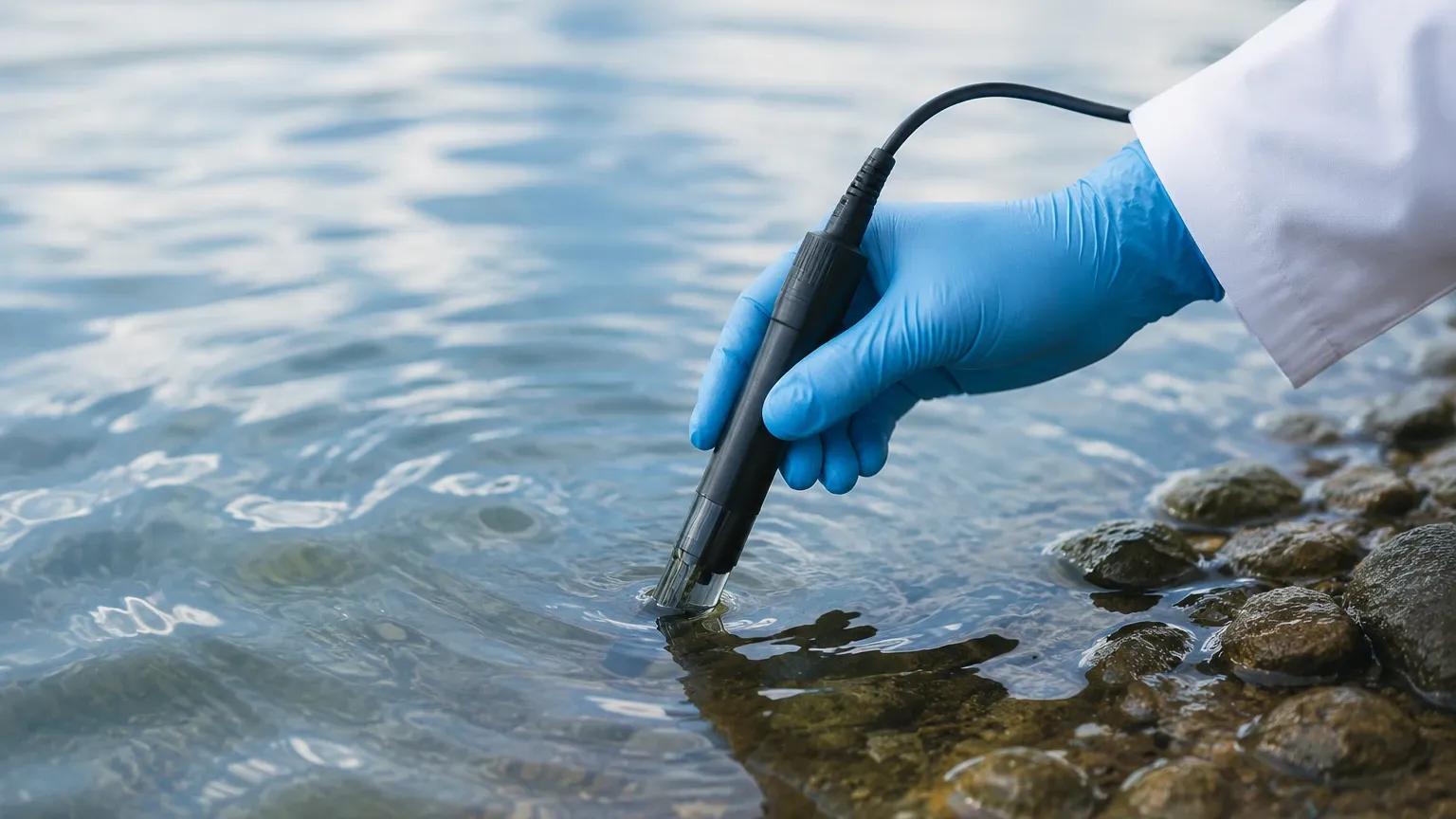
In industrial process control and environmental monitoring, the measurement of hydrogen ion activity—commonly known as pH—is as fundamental as measuring pressure or temperature. A pH sensor for water serves as the primary analytical tool for determining whether a solution is acidic, neutral, or alkaline. For engineers and facility managers, selecting the correct sensor is not merely about accuracy; it is about ensuring long-term stability, minimizing maintenance cycles, and integrating analytical data into broader automation frameworks.
While level measurement instruments, such as those found on our Main Page, provide critical data regarding the volume and physical state of a liquid, the pH sensor provides the chemical context necessary for safe and efficient operations. This guide explores the technical principles, selection criteria, and installation best practices for industrial pH sensors used in water-based applications.
Fundamental Principles of pH Measurement
To effectively select a pH sensor for water, one must understand the electrochemical principles that govern its operation. Industrial pH measurement is almost exclusively performed using the potentiometric method, which involves measuring the voltage difference between two electrodes immersed in a solution.
The Potentiometric Method
The system typically consists of a glass measuring electrode and a reference electrode. The measuring electrode features a specialized pH-sensitive glass membrane. When this membrane comes into contact with water, a hydrated gel layer forms on both the outside and inside surfaces. Hydrogen ions in the water exchange with ions in the gel layer, creating a potential difference relative to the internal buffer solution of the electrode.
The Nernst Equation
The relationship between the measured potential and the pH value is defined by the Nernst Equation. At a standard temperature of 25°C (77°F), a change of one pH unit corresponds to a change in potential of approximately 59.16 millivolts (mV). Because this voltage-to-pH relationship is temperature-dependent, industrial sensors must incorporate Automatic Temperature Compensation (ATC) to ensure accuracy across varying process conditions.
The Reference System
The reference electrode provides a stable, known potential against which the measuring electrode is compared. This is achieved through a reference element (usually Silver/Silver Chloride) submerged in a concentrated electrolyte (typically Potassium Chloride). The electrolyte makes contact with the process water through a physical junction, which is a critical point of failure in many industrial environments.
Key Components of an Industrial pH Sensor
Industrial-grade sensors differ significantly from laboratory versions. They are designed to withstand mechanical stress, high pressures, and chemical fouling. When evaluating a ph sensor for water, the following components determine the sensor's longevity:
1. The Glass Membrane: Different glass formulations are used for specific applications. High-alkali glass is used for processes with high pH values to prevent "sodium error," while low-impedance glass is preferred for low-temperature water to ensure a fast response time.
2. The Junction (Diaphragm): This is the interface between the reference electrolyte and the process water.
* Ceramic Junctions: Common in clean water applications but prone to clogging in wastewater.
* PTFE (Teflon) Junctions: Highly resistant to fouling and chemical attack, making them ideal for industrial effluent.
* Open Junctions: Used with solid or polymer electrolytes for extremely dirty or oily water.
3. The Electrolyte: Most industrial sensors use a gelled or solid-state electrolyte to prevent the reference solution from being "poisoned" by process contaminants or depleted by high flow rates.
4. Integrated Temperature Sensors: Most modern probes include a PT100 or PT1000 thermistor within the sensor body to provide real-time temperature data for the Nernstian compensation.
Selecting a pH Sensor for Water: Application Matrix
Choosing the right sensor requires matching the electrode characteristics to the specific water chemistry. The table below outlines common selection criteria based on the water type.
| Water Application | Typical pH Range | Key Challenges | Recommended Sensor Features |
| :— | :— | :— | :— |
| Potable Water | 6.5 – 8.5 | Low conductivity, scaling | Refillable electrolyte or specialized low-conductivity glass. |
| Cooling Towers | 7.0 – 9.0 | High solids, biological growth | Flat-surface glass to resist fouling; PTFE junction. |
| Wastewater Treatment | 2.0 – 12.0 | Heavy metals, oils, solids | Solid polymer electrolyte; double-junction reference. |
| Ultrapure Water (UPW) | 5.0 – 7.0 | Extremely low conductivity | Flow-through cell with liquid-junction reference to prevent drift. |
| Chemical Processing | 0.0 – 14.0 | High temperature, aggressive chemicals | High-temperature glass; PVDF or Ryton sensor body. |
Installation Considerations and Best Practices
The physical placement of a ph sensor for water is as critical as the sensor type itself. Improper installation often leads to erratic readings or premature sensor failure.
Mounting Orientation
Most pH electrodes must be installed at an angle of at least 15° above the horizontal. This ensures that the internal air bubble stays at the top of the electrode and that the internal electrolyte remains in constant contact with the pH-sensitive glass bulb. Vertical installation is preferred wherever possible.
Flow and Pressure
In pressurized pipelines, sensors should be installed in a bypass line or a specialized flow cell. High flow velocities (exceeding 2 meters per second) can cause a "streaming potential," leading to noisy signals. Conversely, stagnant water can lead to the buildup of biofilms or sediment on the sensor membrane. A moderate, steady flow is ideal for maintaining a representative sample.
Grounding and Interference
Because pH sensors produce a high-impedance mV signal, they are highly susceptible to electromagnetic interference (EMI) and ground loops. Using shielded cables and ensuring the transmitter is properly grounded to the process piping is essential. In plastic piping systems, a grounding pin (often made of Titanium or Hastelloy) may be required to stabilize the reference potential.
Maintenance, Calibration, and Troubleshooting
Unlike a radar level meter, which may operate for years without contact with the medium, a ph sensor for water is a consumable item. Its lifespan is determined by the harshness of the environment and the rigor of the maintenance routine.
Calibration Protocols
Sensors must be calibrated regularly using standard buffer solutions (typically pH 4.0, 7.0, and 10.0).
* Two-Point Calibration: The most common method. It establishes the "Zero Point" (usually at pH 7) and the "Slope" (the efficiency of the sensor).
* Slope Efficiency: A new sensor should have a slope between 95% and 102%. When the slope drops below 85% or 80%, the sensor should be replaced.
Cleaning Procedures
If the response time becomes sluggish, the sensor membrane likely requires cleaning.
* Inorganic Scale: Use a 5% Hydrochloric Acid (HCl) solution.
* Oils and Grease: Use a mild detergent or isopropyl alcohol.
* Proteins: Use a mixture of HCl and pepsin.
Always rinse the sensor thoroughly with deionized water after cleaning and recalibrate before returning it to service.
Integrating pH and Level Measurement Systems
In many industrial setups, pH monitoring is inseparable from level measurement. For instance, in a neutralization tank, an ultrasonic or radar level transmitter—details of which can be found on our Main Page—monitors the volume of the effluent. Simultaneously, the pH sensor determines the amount of acid or caustic reagent required for treatment.
Integrating these two data points into a single PLC (Programmable Logic Controller) allows for automated dosing. If the level in the tank is low, the dosing rate must be adjusted to prevent over-shooting the target pH. Furthermore, level sensors can provide a safety interlock; if the tank level drops below the pH probe's immersion depth, the system can automatically disable the pH control loop to prevent the sensor from drying out, which would permanently damage the glass membrane.
Common Risks and Limitations
While highly effective, pH sensors have inherent limitations that engineers must account for:
* Dehydration: If a pH sensor is allowed to dry out, the hydrated gel layer on the glass membrane collapses. While some sensors can be regenerated by soaking in KCl solution, many are permanently damaged.
* Chemical Attack: Hydrofluoric acid (HF) will actively dissolve the glass membrane of a pH sensor. In processes containing HF, specialized antimony electrodes or non-glass (ISFET) sensors must be used.
* Pressure Shocks: Rapid changes in process pressure can force process liquid into the reference junction, poisoning the electrolyte. For high-pressure applications, pressure-compensated reference systems are required.
Frequently Asked Questions (FAQs)
Q: How long does an industrial pH sensor last?
A: In clean water applications, a sensor may last 12 to 24 months. In harsh chemical processes or high-temperature wastewater, the lifespan may be as short as 3 to 6 months.
Q: Can I use a regular pH sensor for ultrapure water?
A: Standard sensors often fail in ultrapure water (UPW) because the low conductivity leads to massive drift and noise. Specialized UPW sensors with high-flow junctions and shielded flow cells are required.
Q: What is the difference between a pH sensor and an ORP sensor?
A: A pH sensor measures hydrogen ion activity (acidity/alkalinity), while an ORP (Oxidation-Reduction Potential) sensor measures the overall electron-taking or electron-releasing capacity of the water. They use similar hardware but different measuring elements (glass for pH, noble metal for ORP).
Q: Why does my pH reading drift after calibration?
A: Drift is often caused by a clogged reference junction, a depleted electrolyte, or temperature fluctuations that haven't yet stabilized. It can also be caused by ground loops in the piping system.
Conclusion
A ph sensor for water is a vital instrument for ensuring process quality, environmental compliance, and equipment safety. By understanding the electrochemical principles of the glass electrode and the physical requirements of the installation site, engineers can select a solution that balances performance with cost-effectiveness. When combined with reliable level measurement technologies from Welk, these analytical tools provide the comprehensive data necessary for modern industrial automation. For more information on integrating level and analytical instrumentation, visit our Main Page.