Ph Supplier
Ph Supplier
In the landscape of industrial process control, the accuracy of liquid analysis is as critical as the precision of volume measurement. For engineers and procurement specialists, identifying a reliable ph supplier is a fundamental step in ensuring operational safety, product quality, and regulatory compliance. Whether in wastewater treatment, chemical processing, or pharmaceutical manufacturing, pH monitoring works in tandem with other instrumentation—such as the level measurement solutions found on our Main Page—to provide a complete picture of a facility's fluid dynamics.
This guide explores the technical principles of pH measurement, the criteria for evaluating a ph supplier, and the practical considerations for integrating these sensors into industrial environments.
Principles of pH Measurement
Before selecting a ph supplier, it is essential to understand the underlying technology of the instruments they provide. Industrial pH measurement is almost exclusively performed using the potentiometric method, which involves measuring the voltage difference between two electrodes submerged in a liquid.
The Electrode System
A standard pH sensor consists of two primary components, often combined into a single "combination electrode":
1. The Measuring Electrode: This features a specialized glass membrane that is sensitive to hydrogen ions. When immersed, a thin hydrated layer forms on the outside and inside of the glass. The potential developed at this membrane is proportional to the pH of the solution.
2. The Reference Electrode: This provides a stable, constant potential against which the measuring electrode is compared. It typically uses a silver/silver chloride (Ag/AgCl) system housed in a potassium chloride (KCl) electrolyte.
The Nernst Equation
The relationship between the measured voltage and the pH value is defined by the Nernst Equation. At 25°C, a change of one pH unit corresponds to a change of 59.16 millivolts (mV). Because this relationship is temperature-dependent, modern systems provided by a reputable ph supplier will include an Automatic Temperature Compensation (ATC) element, such as a PT100 or PT1000 RTD, to adjust the reading in real-time.
Evaluating a Ph Supplier: Key Criteria
Choosing a ph supplier involves more than comparing unit prices. In industrial B2B contexts, the "total cost of ownership" is heavily influenced by sensor longevity and technical support. When evaluating potential partners, consider the following factors:
1. Material Science Expertise
Industrial processes often involve aggressive chemicals, high pressures, and extreme temperatures. A high-quality ph supplier should offer a variety of glass formulations. For example, "high-alkali" glass is necessary to prevent sodium ion error in high pH environments, while "low-temperature" glass is required for applications near freezing to maintain adequate conductivity.
2. Reference Junction Technology
The junction is the point where the reference electrolyte meets the process liquid. It is the most common point of failure. A professional supplier should provide options such as:
* Ceramic Junctions: Standard for clean water.
* PTFE (Teflon) Junctions: Resistant to fouling and clogging in oily or dirty liquids.
* Open Junctions (Solid Polymer): Ideal for slurries and high-solids content where traditional junctions would plug immediately.
3. Integration and Compatibility
In modern automation, pH transmitters must communicate with PLCs or SCADA systems. Ensure the ph supplier offers instruments with standard outputs like 4-20mA (with HART), Modbus RTU, or Profibus. This ensures seamless integration with other process instruments, such as the radar and ultrasonic level meters manufactured by Welk.
Practical Selection Table
The following table assists in matching sensor types to specific industrial applications, a process a technical ph supplier should guide you through.
| Application Type | Recommended Sensor Feature | Junction Material | Typical Industry |
| :— | :— | :— | :— |
| Clean Water/Utilities | Standard Glass, Spherical Tip | Ceramic | Power Plants, HVAC |
| Chemical Processing | High-Resistance Glass, Double Junction | PTFE | Chemical Manufacturing |
| Wastewater/Slurries | Flat Surface Glass, Solid Polymer | Open Junction | Municipal Water, Mining |
| High Temperature | Specialized High-Temp Electrolyte | Ceramic/Glass | Steam Condensate |
| Pure Water | Low-Impedance Glass, Refillable | Fine Ceramic | Semiconductors, Pharma |
Installation and Engineering Considerations
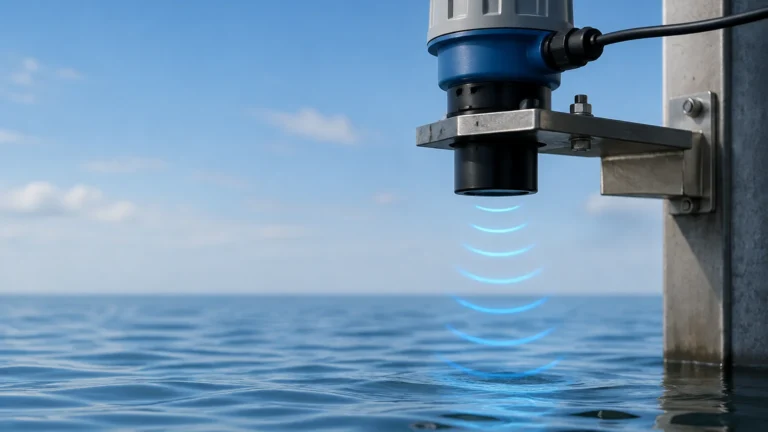
Correct installation is paramount to achieving the accuracy promised by a ph supplier. Unlike level meters, which can often be mounted at the top of a tank (as seen with Welk’s ultrasonic sensors), pH probes must be in direct contact with the process medium.
Mounting Orientation
Most pH electrodes cannot be mounted horizontally or upside down. They should be installed at an angle of at least 15° above the horizontal. This ensures that the air bubble inside the glass bulb rises to the top, maintaining constant contact between the internal electrolyte and the pH-sensitive membrane.
Flow and Pressure
In pipe installations, the sensor should be placed where the flow is representative of the whole volume. High flow velocities (exceeding 2 meters per second) can cause "streaming potentials" or physical erosion of the glass. Conversely, stagnant flow can lead to coatings forming on the sensor. If the process is pressurized, the ph supplier must provide a pressurized reference system or a solid-state electrolyte to prevent the process fluid from pumping into the sensor.
Grounding and Interference
pH signals are high-impedance (low current) and are extremely susceptible to electromagnetic interference (EMI). Using shielded cables and ensuring the transmitter is properly grounded is essential. In plastic tanks where there is no natural ground, a "solution ground" or "liquid earth" electrode is often required to stabilize the reading.

Limitations and Maintenance Challenges
Even the best equipment from a top-tier ph supplier has inherent limitations that engineers must manage:
1. Sensor Aging: pH electrodes are consumable items. Over time, the glass membrane leaches and the reference electrolyte becomes contaminated. Most industrial sensors last between 6 to 18 months depending on the severity of the application.
2. Calibration Requirements: Unlike a hydrostatic level transmitter which might stay calibrated for years, pH sensors drift. They require regular calibration using certified buffer solutions (typically pH 4.0, 7.0, and 10.0).
3. Coating and Fouling: If the process liquid contains oils, resins, or biological growth, the sensor membrane will become coated, leading to slow response times and inaccurate data. Automated cleaning systems (using water jets or chemical sprays) are often recommended by the ph supplier for these environments.
The Synergy Between pH and Level Measurement
In many chemical dosing applications, pH control and level monitoring are inseparable. For example, in a neutralization tank, a Welk ultrasonic level sensor monitors the volume of the effluent to determine the required dosage rate, while the pH sensor provides the feedback loop to adjust the chemical pump speed. Choosing a ph supplier whose equipment can be easily mapped alongside level data in a unified control interface reduces engineering complexity and improves plant response times.
Frequently Asked Questions (FAQ)
Q: How often should I calibrate my pH sensor?
A: This depends on the required accuracy and the process conditions. In stable, clean environments, once a month may suffice. In harsh chemical processes, weekly or even daily calibration may be necessary. Your ph supplier can help establish a maintenance schedule based on your specific drift patterns.
Q: Can I use a pH probe from one supplier with a transmitter from another?
A: Generally, yes. Most pH probes use a standard S8, VP, or BNC connector and output a raw mV signal. However, digital sensors (like Memosens or other proprietary protocols) require a matching transmitter from the same manufacturer.
Q: What is the maximum distance between the sensor and the transmitter?
A: For raw analog signals, the limit is typically 10 to 15 meters without a pre-amplifier. If the distance is greater, you should use a transmitter with a built-in pre-amplifier or switch to a digital sensor system provided by your ph supplier.
Q: How should I store a pH sensor when not in use?
A: Never store a pH sensor in deionized (DI) water, as this will leach the ions out of the glass and the reference. Always store it in a 3M or 4M KCl storage solution or a pH 4.0 buffer to keep the membrane hydrated.
Conclusion
Selecting the right ph supplier requires a deep dive into the specific chemical and physical demands of your process. By understanding the measurement principles and prioritizing factors like junction type and material compatibility, engineers can ensure long-term reliability. When combined with robust level measurement technologies, such as those detailed on our Main Page, industrial operators can achieve a high degree of automation and safety in their liquid handling processes.