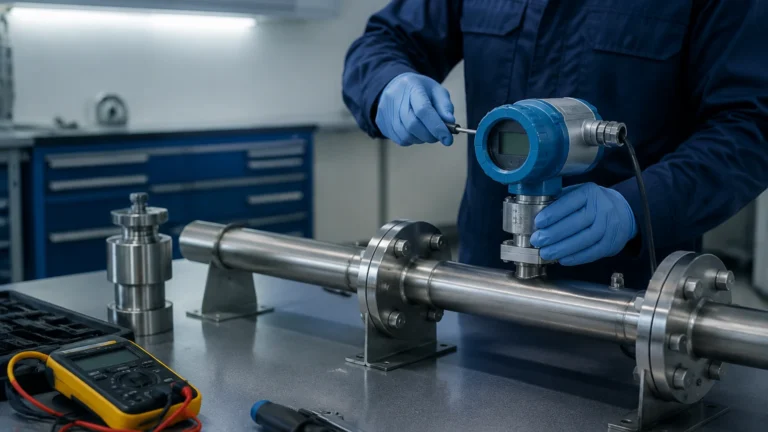
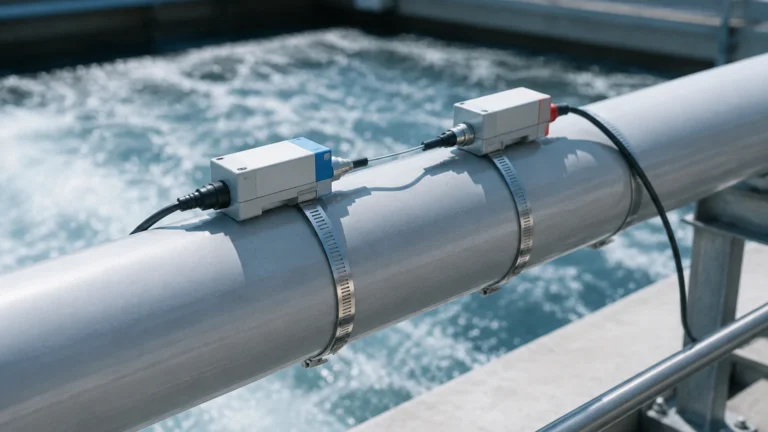
Plating Tanks
Plating Tanks
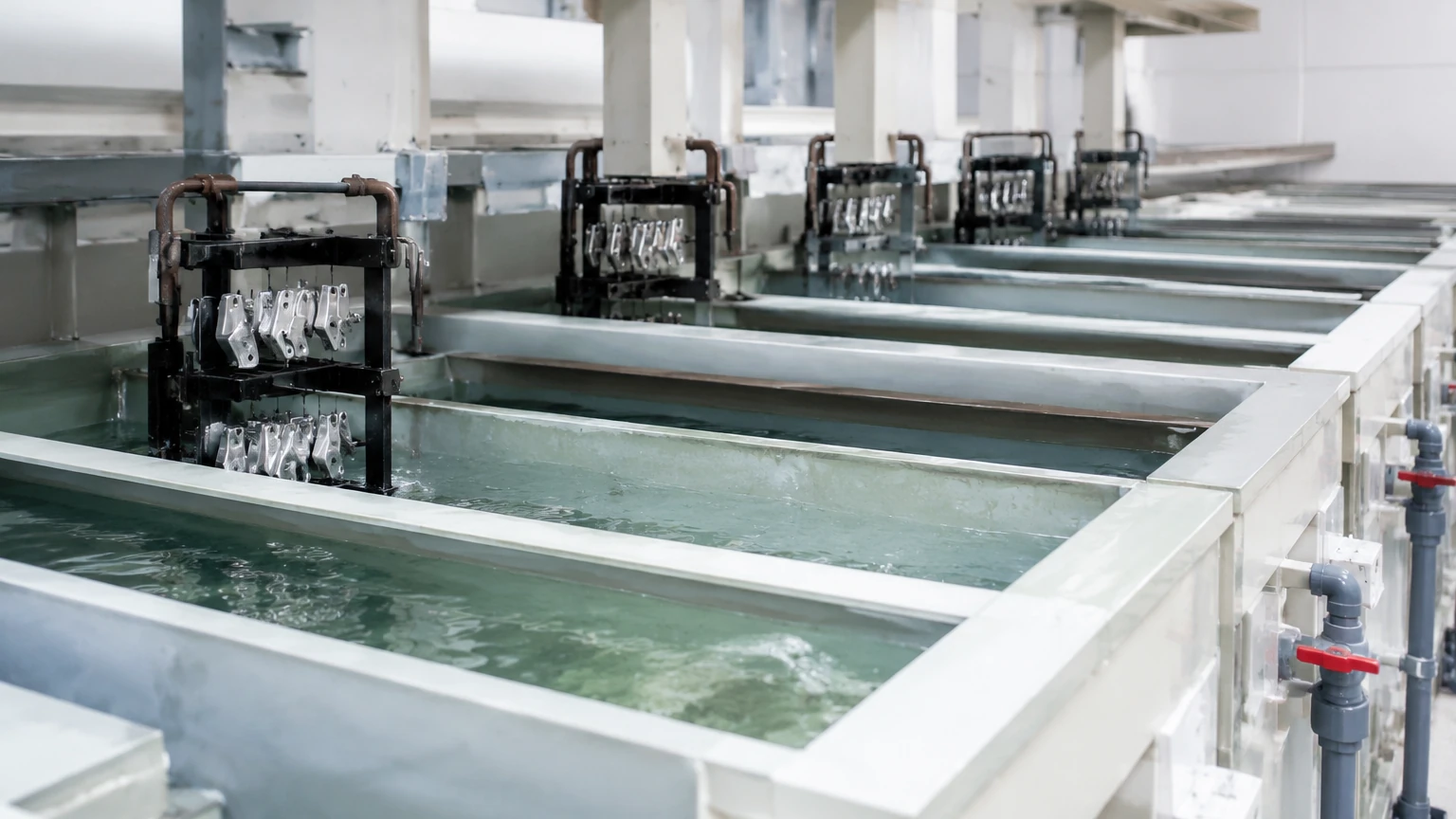
In the surface finishing and electroplating industry, plating tanks serve as the primary vessels for chemical reactions, metal deposition, and cleaning processes. Maintaining precise liquid level control within these tanks is critical for process stability, product quality, and workplace safety. Whether the application involves decorative chrome plating, industrial zinc coating, or high-precision electronics manufacturing, the level of electrolyte, rinse water, or chemical concentrate must be monitored with high accuracy.
Level measurement in plating tanks is complicated by the presence of highly corrosive chemicals, elevated temperatures, and surface agitation. This guide examines the technical principles of level measurement technologies suitable for these environments, providing engineering insights for selection and installation.
Principles of Level Measurement in Chemical Environments
Before selecting a specific instrument for plating tanks, it is essential to understand the physical principles that govern different measurement technologies. In the context of industrial automation, these instruments are categorized into non-contact and contact measurement methods.
Ultrasonic Level Measurement
Ultrasonic sensors operate on the time-of-flight (ToF) principle. The sensor emits a high-frequency sound pulse that travels through the air, reflects off the liquid surface, and returns to the transducer. The distance is calculated based on the time elapsed and the speed of sound in the air.
In plating applications, ultrasonic sensors are valued for their non-contact nature, which prevents chemical degradation of the sensor face. However, the speed of sound is affected by air temperature and the presence of heavy vapors or fumes often found above heated plating baths. Modern sensors often include integrated temperature compensation to mitigate these effects.
Radar Level Measurement
Radar level meters also use the time-of-flight principle but utilize electromagnetic waves (typically in the 26 GHz or 80 GHz frequency range) instead of sound waves. Because electromagnetic waves do not require a medium for propagation, radar measurement is largely unaffected by vacuum, pressure, or changes in air temperature and vapor density.
For plating tanks, 80 GHz high-frequency radar is particularly effective. The narrow beam angle allows the sensor to be installed in tanks with internal obstructions like heating coils or bus bars without interference. The non-contact nature and resistance to atmospheric variations make it a robust choice for aggressive chemical environments.
Hydrostatic Pressure Measurement
Hydrostatic level transmitters measure the pressure exerted by the liquid column at the bottom of the tank. The pressure is proportional to the height of the liquid and its specific gravity (density). The formula used is $P = \rho \times g \times h$, where $P$ is pressure, $
ho$ is density, $g$ is gravity, and $h$ is the height of the liquid.
In plating processes, where liquid density may change as chemicals are consumed or replenished, hydrostatic sensors require periodic recalibration or density compensation. For corrosive plating tanks, these sensors must be constructed from chemically resistant materials such as PVDF, PTFE, or ceramic diaphragms.
Magnetic Level Gauges
Magnetic level gauges are used for side-mounted, visual level indication. They consist of a bypass chamber containing a float with an internal magnet system. As the liquid level in the tank rises or falls, the float moves accordingly, flipping magnetic flaps or rollers on the outside of the chamber. These systems can be equipped with reed switches or transmitters for remote signal output. They provide a clear visual reference that does not require power, which is useful for manual process monitoring.
Challenges of Level Control in Plating Tanks
Plating tanks present one of the most demanding environments for industrial instrumentation. Engineers must account for several variables that can compromise measurement reliability.
Chemical Corrosivity
The primary challenge is the aggressive nature of the fluids. Plating baths often contain concentrated sulfuric acid ($H_2SO_4$), hydrochloric acid ($HCl$), nitric acid ($HNO_3$), or alkaline solutions like sodium hydroxide ($NaOH$). These chemicals can rapidly corrode standard stainless steel (304 or 316L) components. Instruments must utilize specialized plastics (PP, PVC, PVDF, PTFE) or exotic metals (Tantalum, Hastelloy) for all wetted parts.
Fumes and Steam
Many plating processes operate at elevated temperatures, ranging from 40°C to over 90°C. This leads to the generation of steam and chemical vapors. In ultrasonic measurement, these vapors can change the speed of sound, leading to errors. In all technologies, condensation on the sensor face can attenuate signals. Choosing sensors with a "drip-off" antenna design or PTFE-coated faces helps manage condensation.
Surface Agitation and Foam
To ensure uniform plating, many tanks use air agitation or mechanical stirrers. This creates a turbulent liquid surface. Furthermore, surfactants used in the plating chemistry can produce foam. Foam can absorb ultrasonic and radar signals, leading to signal loss. In such cases, high-frequency radar with advanced signal processing algorithms is required to filter out noise and identify the true liquid surface.
Technical Selection Criteria
Selecting the right instrument requires a detailed analysis of the tank geometry and the chemical process. The following table provides a comparison of common technologies used in plating applications.
| Technology | Accuracy | Chemical Resistance | Suitability for Fumes | Suitability for Foam | Typical Application |
| :— | :— | :— | :— | :— | :— |
| Ultrasonic | ±0.25% of range | High (with plastic housing) | Moderate | Poor | Rinse water, dilute acids |
| 80 GHz Radar | ±1 mm to ±2 mm | Excellent (PTFE/PVDF) | Excellent | Good | Heated plating baths, chrome tanks |
| Hydrostatic | ±0.1% to ±0.5% | High (Ceramic/PTFE) | Excellent | Excellent | Deep storage tanks, bulk chemicals |
| Magnetic Gauge | ±5 mm to ±10 mm | High (PP/PVDF/SS) | Excellent | Excellent | External bypass monitoring |
| Level Switches | N/A (Point level) | High (PP/PVDF) | Excellent | Moderate | High/Low alarm, dry-run protection |
For comprehensive technical specifications and to Review product options and application support, engineers should consult the Main Page of the manufacturer's catalog to ensure compatibility with specific chemical concentrations.
Installation Considerations for Plating Tanks
Proper installation is as critical as sensor selection. Even the most advanced radar level meter will fail if it is poorly positioned.
1. Avoid Obstructions: In plating tanks, internal components such as anodes, cathodes, heating elements, and temperature probes are common. Sensors should be mounted in a location where the signal beam does not strike these objects. For radar and ultrasonic sensors, a minimum distance from the tank wall (typically 200 mm or more) is required to prevent side-wall interference.
2. Stilling Wells: If the tank surface is excessively turbulent due to high-flow circulation or air agitation, a stilling well (a vertical pipe with vent holes) can be used. The stilling well provides a calm liquid surface for the sensor to measure. This is particularly effective for ultrasonic and radar sensors in small, agitated tanks.
3. Mounting Flanges: Due to the corrosive nature of the fumes, mounting flanges should be made of the same material as the tank or a compatible plastic. Threaded connections should be sealed with PTFE tape to prevent chemical seepage into the sensor housing.
4. Dead Zones: Every non-contact sensor has a "dead zone" or "blocking distance" near the sensor face where measurement is not possible. Ensure the maximum liquid level in the tank does not enter this zone to avoid false readings or "locking" at the high level.
Maintenance and Operational Limitations
While modern level meters are designed for low maintenance, the harsh environment of plating tanks necessitates periodic inspection.
* Crystallization: Some plating solutions, such as those used in zinc or nickel plating, can form crystals as they cool or evaporate. If these crystals build up on a hydrostatic diaphragm or a float, the instrument will become inaccurate. Regular cleaning with a compatible solvent or water is necessary.
* Coating and Scaling: In electroless nickel plating, the chemistry is designed to deposit metal on surfaces. This can lead to "plating out" on the level sensor itself. Non-contact radar with a flat-face PTFE antenna is less susceptible to this than contact-based probes.
* Power Supply and Grounding: Given the high currents used in electroplating (rectifiers), electrical noise is a significant concern. Level transmitters must be properly shielded and grounded to prevent interference with the 4-20mA or digital communication signals.
Frequently Asked Questions (FAQs)
Q: Can I use a standard stainless steel level sensor in a chrome plating tank?
A: No. Chrome plating solutions contain chromic acid, which is highly oxidative and will rapidly attack 316L stainless steel. Sensors for chrome tanks should have wetted parts made of PVDF, PTFE, or Tantalum.
Q: How do I prevent my heaters from burning out if the liquid level drops?
A: It is standard safety practice to use a redundant level switch (such as a tuning fork or a float switch) as a dry-run protection mechanism. This switch should be hardwired to the heater's power contactor to ensure an immediate shutdown if the level falls below the heating elements.
Q: Does the presence of air bubbles from agitation affect radar measurement?
A: Heavy air bubbles can scatter radar signals, but 80 GHz radar is generally more resilient than ultrasonic sensors. If the agitation is extreme, the use of a stilling well is recommended to ensure a stable reading.
Q: What is the best way to measure level in a very small plating tank (under 0.5 meters)?
A: For very shallow tanks, high-frequency radar with a small dead zone or a hydrostatic pressure sensor is often more effective than ultrasonic technology, which typically has a larger dead zone relative to the tank height.
Conclusion
Effective level management in plating tanks is a balance between choosing the right measurement principle and ensuring the materials of construction can withstand the chemical environment. By understanding the strengths and limitations of ultrasonic, radar, and hydrostatic technologies, process engineers can implement solutions that improve safety, reduce chemical waste, and maintain the high quality required in modern surface finishing. For more detailed engineering data on specific level measurement instruments, refer to the Main Page of the equipment provider.