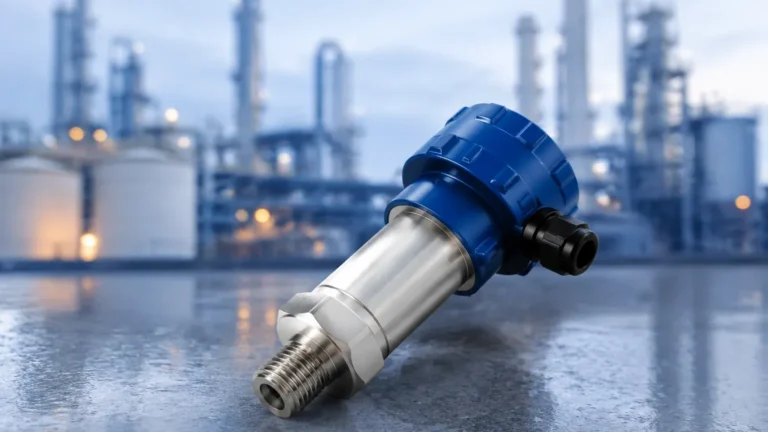
Remote Asset Monitoring Services
Remote Asset Monitoring Services
In the modern industrial landscape, the ability to oversee operations from a centralized location is no longer a luxury but a fundamental requirement for operational efficiency. Remote asset monitoring services provide the infrastructure and technical framework necessary to track the status, performance, and health of physical assets—such as storage tanks, chemical reactors, and water treatment facilities—across vast distances. For process engineers and facility managers, integrating reliable level measurement instruments into these services is the critical first step in achieving real-time visibility.
Effective remote monitoring relies on the seamless flow of data from the field to the cloud or a centralized control room. This guide explores the technical principles of level measurement that power these services, the criteria for selecting the right hardware, and the practical considerations for successful implementation.
Core Measurement Principles for Remote Monitoring
Before deploying remote asset monitoring services, it is essential to understand the physical principles governing the sensors that provide the raw data. In level measurement, four primary technologies dominate the industrial sector: radar, ultrasonic, hydrostatic, and magnetic gauges. Each has specific characteristics that influence its suitability for remote applications.
Radar Level Measurement (Non-Contact)
Radar level meters operate on the Time-of-Flight (ToF) principle. The sensor emits high-frequency microwave pulses (typically in the 26GHz or 80GHz range). These pulses travel at the speed of light, reflect off the surface of the medium, and return to the sensor. The distance is calculated based on the time interval between emission and reception.
For remote monitoring, radar is often the preferred choice because it is unaffected by vacuum, pressure, or temperature fluctuations. 80GHz radar, in particular, offers a narrow beam angle (as small as 3 degrees), which minimizes interference from internal tank structures like agitators or ladders, reducing the need for manual troubleshooting at remote sites.
Ultrasonic Level Sensors
Similar to radar, ultrasonic sensors use the ToF principle but employ sound waves instead of microwaves. The transducer emits an ultrasonic pulse that reflects off the liquid surface. Because the speed of sound is influenced by air temperature, these sensors include integrated temperature compensation.
Ultrasonic sensors are cost-effective for open-air applications, such as monitoring river levels or wastewater sumps. However, they are less suitable for remote assets involving heavy foam, steam, or high-pressure environments, as these factors can attenuate the sound signal and lead to data loss.
Hydrostatic Level Transmitters
Hydrostatic measurement is based on the principle that the pressure at the bottom of a liquid column is directly proportional to the height of the liquid and its density ($P = \rho \cdot g \cdot h$). Submersible or externally mounted pressure transmitters convert this mechanical pressure into an electrical signal (typically 4-20mA).
In remote asset monitoring services, hydrostatic sensors are valued for their simplicity and reliability in deep wells or vented tanks. However, because they are density-dependent, they require recalibration if the fluid composition changes significantly, a factor that must be planned for in remote maintenance schedules.
Magnetic Level Gauges
Magnetic level gauges utilize a float containing an internal magnet that moves with the liquid level inside a bypass chamber. While traditionally a visual indicator, they are frequently equipped with reed-chain transmitters or magnetostrictive sensors for remote data transmission. This provides a dual-benefit: local visual verification for field technicians and digital data for the remote monitoring platform.
Key Components of Remote Asset Monitoring Services
A robust monitoring service is more than just a sensor; it is an integrated ecosystem. When evaluating these services, engineers must look at the three pillars of the architecture:
1. The Sensing Layer: This involves the high-precision instruments—radar, ultrasonic, or hydrostatic—that capture the physical state of the asset. Accuracy and long-term stability are the most critical factors here.
2. The Connectivity Layer: This is the bridge between the asset and the user. Common protocols include Modbus RTU, HART, and wireless technologies like NB-IoT, LoRaWAN, or cellular (4G/5G). For remote sites without stable power, low-power wide-area networks (LPWAN) are essential.
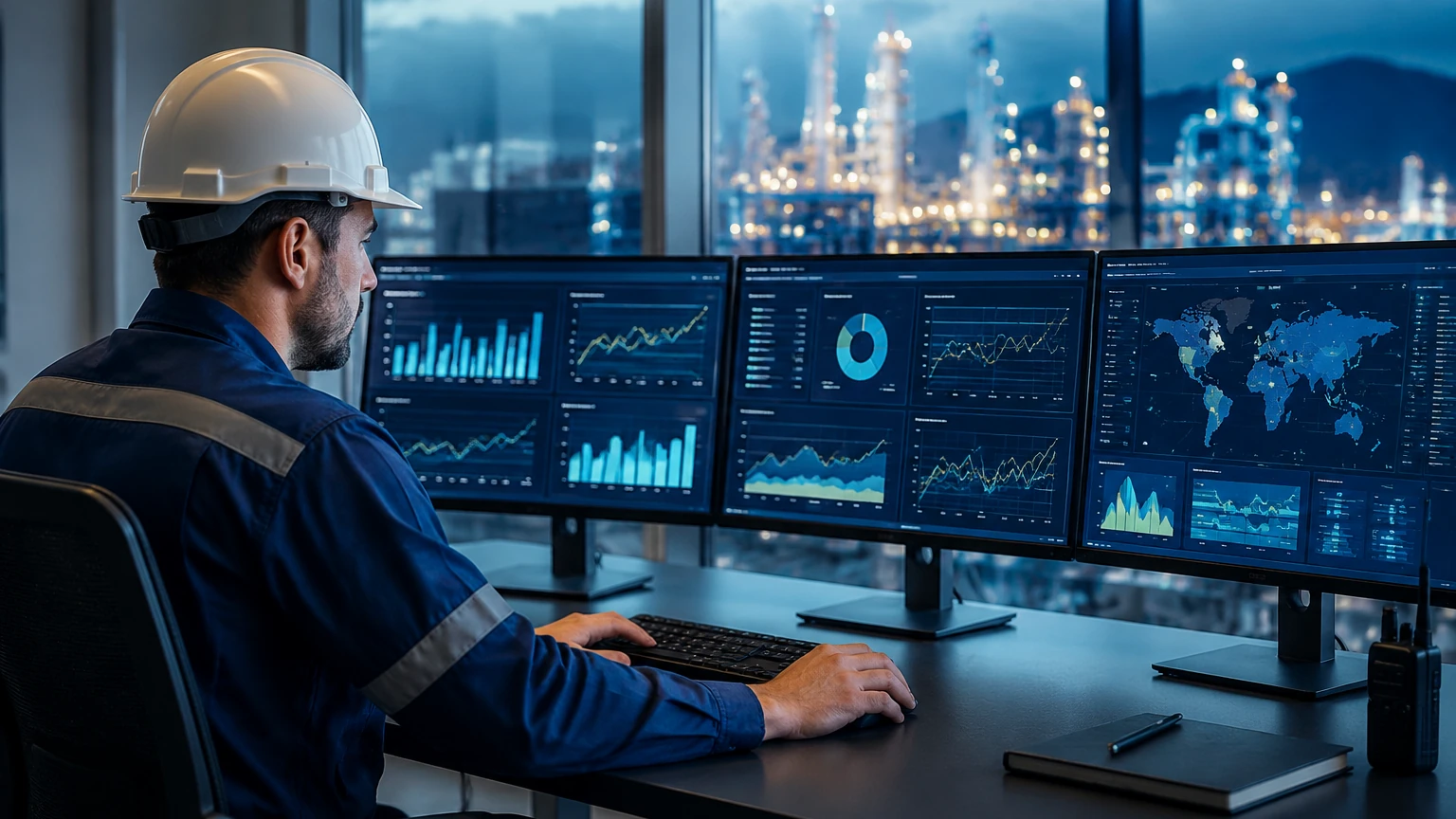
3. The Data Layer: This includes the software platform where data is visualized, trended, and analyzed. Effective remote asset monitoring services offer customizable dashboards, automated alerts (SMS/Email), and API hooks for integration into existing ERP or SCADA systems.
Selection Criteria for Remote Monitoring Hardware
Selecting the wrong sensor can lead to "data gaps" or false alarms, which undermine the purpose of remote monitoring. Use the following criteria to evaluate hardware for your project:
* Media Characteristics: Is the liquid corrosive, viscous, or prone to foaming? Corrosive chemicals may require PTFE-coated radar antennas, while viscous liquids might favor non-contact measurement.
* Environmental Conditions: Remote assets are often exposed to extreme weather. Sensors must have appropriate Ingress Protection (IP67 or IP68) and operating temperature ranges (e.g., -40°C to +80°C).
* Power Availability: If the site is solar-powered or battery-operated, sensors with low power consumption and fast "wake-up" times are required. 2-wire loop-powered transmitters are standard for these applications.
* Maintenance Intervals: Remote sites are expensive to visit. Choosing high-reliability instruments like solid-state radar reduces the frequency of necessary site visits for cleaning or recalibration.
Comparative Selection Table
| Technology | Best For | Accuracy | Remote Suitability | Limitations |
| :— | :— | :— | :— | :— |
| 80GHz Radar | Precise chemical/oil storage | ±1 mm | Excellent | High initial cost |
| Ultrasonic | Water/Wastewater sumps | ±0.25% of range | Good | Affected by foam/steam |
| Hydrostatic | Deep wells, vented tanks | ±0.1% to 0.5% | High | Density sensitive |
| Magnetic Gauge | High-pressure boilers | ±5 mm to 10 mm | Excellent (with transmitter) | Mechanical moving parts |
Installation and Commissioning Considerations
Successful remote monitoring begins with proper installation. Even the most advanced radar level meter will fail if installed incorrectly. For comprehensive technical specifications on sensor hardware and integration options, visit the Main Page of the product catalog.
Signal Integrity and Antenna Placement
For wireless remote monitoring, the placement of the gateway antenna is as important as the sensor itself. Ensure there is a clear line of sight or sufficient signal strength to prevent data packet loss. In metal tanks, ensure that non-contact sensors are mounted away from the tank wall to avoid "false echoes" caused by weld seams or structural reinforcements.
Calibration and Zero-Point Setting
Before leaving a remote site, technicians must perform a "wet calibration" or a zero-point check. This ensures that the 4mA signal (0%) and 20mA signal (100%) correspond exactly to the physical empty and full states of the vessel. Many modern instruments allow for remote configuration via HART or Bluetooth, which is a significant advantage for remote asset monitoring services.
Power Management
For battery-powered remote units, the frequency of data transmission is the biggest drain on power. Setting the sensor to measure every 15 minutes but transmit only once per hour (unless an alarm threshold is hit) can extend battery life from months to years.
Common Risks and Mitigation Strategies
While remote asset monitoring services offer significant benefits, they are not without risks. Proactive management of these factors is essential for system reliability.
1. Data Security: Industrial data is a target for cyber threats. Ensure that all data transmissions are encrypted (e.g., TLS/SSL) and that the monitoring platform uses multi-factor authentication.
2. Sensor Drift: Over time, sensors may experience slight shifts in accuracy due to aging components or environmental stress. Implementing a schedule for periodic remote diagnostic checks (using onboard sensor health monitoring) can mitigate this.
3. Connectivity Outages: Cellular networks can go down. Choose remote terminals that offer local data logging; this ensures that if the connection is lost, the data is stored locally and uploaded once the connection is restored, preventing "black holes" in the historical record.
4. Environmental Interference: In outdoor remote monitoring (such as reservoir levels), heavy rain or snow can interfere with ultrasonic signals. In these cases, upgrading to radar is a common mitigation strategy.
Frequently Asked Questions (FAQ)
Q: Can I integrate new radar sensors into my existing remote monitoring service?
A: Yes, most modern sensors output standard signals like 4-20mA HART or RS485 Modbus, which are compatible with almost all industrial remote telemetry units (RTUs) and IoT gateways.
Q: How often do remote level sensors need to be calibrated?
A: This depends on the technology. Radar sensors are highly stable and may only need verification once every 2-3 years. Hydrostatic sensors in high-sediment environments may need more frequent inspection to ensure the diaphragm is not fouled.
Q: What is the maximum distance for remote monitoring?
A: With satellite or cellular-based remote asset monitoring services, there is effectively no distance limit. As long as the sensor can reach a network, the data can be accessed from anywhere in the world.
Q: Are these systems suitable for hazardous areas?
A: Yes, but you must select sensors with appropriate certifications, such as ATEX, IECEx, or UL Class I, Div 1. These instruments are designed to operate safely in explosive atmospheres common in oil and gas applications.
Conclusion
Implementing remote asset monitoring services is a strategic move that transforms how industries manage their resources. By selecting the appropriate level measurement technology—whether it be the precision of 80GHz radar or the rugged simplicity of hydrostatic transmitters—and ensuring robust connectivity and installation practices, organizations can achieve unprecedented levels of operational clarity. The goal is to move from reactive maintenance to a proactive, data-driven model where every asset, no matter how remote, is constantly accounted for.