Restaurant Energy Management Systems
Restaurant Energy Management Systems
In the competitive landscape of the food service industry, operational efficiency is directly tied to profitability. Energy costs typically represent 3% to 5% of a restaurant’s total operating costs, but for high-volume facilities and central kitchens, these expenses can escalate rapidly. Restaurant energy management systems (REMS) have evolved from simple thermostats to integrated IoT platforms that monitor HVAC, lighting, refrigeration, and utility consumption.
A critical, yet often overlooked, component of these systems is the monitoring of liquid and solid resources. Accurate level measurement of fuel, water, and waste products provides the data necessary for restaurant energy management systems to optimize resource allocation and prevent costly downtime. This article explores the technical integration of level measurement instruments within the broader framework of energy management.
The Architecture of Restaurant Energy Management Systems
Modern restaurant energy management systems operate on a multi-layer architecture designed to provide visibility into every watt and liter consumed. The system typically consists of:
1. Data Acquisition Layer: Sensors and meters that track electricity, gas, water, and tank levels.
2. Control Layer: Automated controllers that adjust HVAC setpoints, dim lighting, or trigger pump cycles.
3. Communication Layer: Gateways that transmit data via Modbus, BACnet, or wireless protocols (Wi-Fi/LoRaWAN).
4. Analytics Layer: Software that processes raw data into actionable insights, such as peak demand alerts or leak detection.
For facilities utilizing bulk storage—such as diesel for backup generators, large-scale hot water systems, or used cooking oil (UCO) tanks—level sensors act as the primary data source for the acquisition layer. Without precise level data, energy management systems cannot account for the total resource lifecycle.
Measurement Principles for Resource Monitoring
To select the appropriate instrumentation for an energy management strategy, engineers must understand the underlying measurement principles. In restaurant environments, three primary technologies are utilized: hydrostatic, ultrasonic, and radar.
Hydrostatic Level Measurement
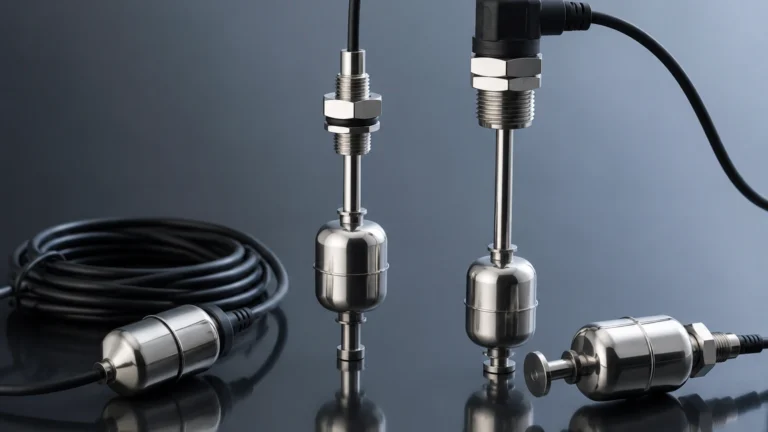
Hydrostatic transmitters measure the pressure exerted by a liquid column due to gravity. The principle follows the formula:
*P = ρ × g × h*
(Where *P* is pressure, *ρ* is liquid density, *g* is gravity, and *h* is the height of the liquid).
In restaurant applications, hydrostatic sensors are frequently used in potable water storage and fire suppression tanks. They are valued for their reliability in vented tanks where the liquid density remains constant.
Ultrasonic Level Measurement
Ultrasonic sensors are non-contact devices that emit high-frequency sound pulses. These pulses reflect off the surface of the medium and return to the sensor. The distance is calculated based on the "time-of-flight."
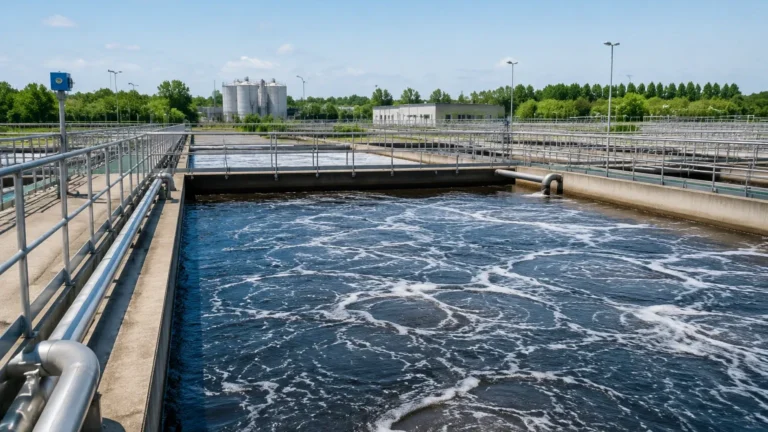
This technology is ideal for monitoring grease traps and wastewater tanks because the sensor does not come into direct contact with the potentially corrosive or fouling media. However, ultrasonic waves can be affected by heavy steam or significant temperature fluctuations, which are common in commercial kitchen environments.
Radar Level Measurement
Radar level meters use high-frequency microwave pulses (typically in the 26 GHz or 80 GHz range). Unlike ultrasonic waves, microwaves are unaffected by air temperature, pressure, or the presence of vapors and dust.
For restaurant energy management systems, radar is the preferred choice for bulk oil storage and pressurized hot water tanks. It provides millimeter-level accuracy, ensuring that inventory management and energy calculations (such as the energy required to heat a specific volume of water) are based on precise data.
Selection Criteria for Level Sensors in Food Service
Choosing the right sensor involves balancing accuracy, environmental conditions, and maintenance requirements. The following table provides a selection guide for common restaurant applications:
| Application | Recommended Technology | Measurement Range | Key Considerations |
| :— | :— | :— | :— |
| Potable Water Tanks | Hydrostatic / Ultrasonic | 1m – 5m | Must meet food-grade material standards. |
| Used Cooking Oil (UCO) | Radar (Non-contact) | 0.5m – 3m | High viscosity; non-contact prevents sensor fouling. |
| Backup Diesel Fuel | Submersible Hydrostatic | 1m – 4m | Requires oil-resistant cables (e.g., PUR). |
| Grease Traps | Ultrasonic | 0.5m – 2m | Non-contact is essential due to high fat/oil content. |
| Hot Water Storage | Radar / Hydrostatic | 1m – 3m | Must account for high temperatures (up to 90°C). |
When evaluating hardware, it is advisable to Review product options and application support to ensure compatibility with existing building management protocols.
Integration with Building Automation and Energy Software
The value of level measurement is realized when the data is integrated into the central energy management dashboard. For example, if a restaurant’s energy management system detects an unusual drop in water levels during non-operating hours, it can trigger an automated shut-off valve to prevent water waste and potential property damage.
Furthermore, in facilities using backup power, monitoring fuel levels is a critical safety and energy compliance requirement. An integrated system can correlate generator run-time with fuel consumption, providing a clear picture of the "energy cost per hour" during power outages. This level of granularity allows operators to make informed decisions about equipment upgrades or maintenance schedules.
Installation Considerations and Best Practices
Proper installation is paramount to ensuring the longevity and accuracy of sensors within restaurant energy management systems. Engineers should adhere to the following guidelines:
1. Avoid Turbulence: Sensors should be installed away from inlet pipes where falling liquid can create surface turbulence or air bubbles, which may interfere with ultrasonic or radar signals.
2. Stilling Wells: In tanks with significant agitation (such as large mixing tanks in central kitchens), a stilling well—a vertical pipe that dampens surface movement—can provide a stable environment for measurement.
3. Dead Zones (Blocking Distance): Every non-contact sensor has a "dead zone" directly beneath the transducer where it cannot measure. Ensure the sensor is mounted high enough so the maximum liquid level never enters this zone.
4. Material Compatibility: For food-grade applications, ensure all wetted parts are made of 316L stainless steel or food-safe plastics like PTFE.
5. Cable Protection: In kitchen environments, cables are exposed to heat and cleaning chemicals. Using conduit or high-temperature rated cabling is essential for system reliability.
Limitations and Operational Risks
While advanced level measurement enhances restaurant energy management systems, there are inherent limitations to consider:
* Foam and Steam: Heavy foam on the surface of a liquid can absorb ultrasonic signals, leading to false readings. In these cases, radar or hydrostatic sensors are more effective.
* Build-up and Fouling: In grease traps or used oil tanks, residue can build up on the sensor face. Regular maintenance or the use of non-contact radar with high-frequency (80 GHz) signals can mitigate this, as the narrow beam is less likely to hit tank walls or internal obstructions.
* Environmental Noise: High-decibel industrial kitchen equipment can occasionally interfere with low-quality ultrasonic sensors. Selecting sensors with advanced noise-filtering algorithms is recommended.
Frequently Asked Questions (FAQs)
Q: How do level sensors contribute to water conservation in restaurants?
A: By providing real-time data on tank levels, sensors can detect leaks that are not visible to the naked eye. When integrated with an energy management system, the software can identify "base flow" patterns and alert managers to anomalies, significantly reducing water waste.
Q: Can these sensors be used for solid ingredients like flour or sugar?
A: Yes. Radar level meters are highly effective for measuring solids in silos. They track the surface of the powder or granulate to provide accurate inventory levels, which helps in optimizing the energy used for climate control in storage areas.
Q: Is it difficult to retrofit these sensors into existing restaurant tanks?
A: Most sensors are designed for easy retrofitting. Submersible hydrostatic sensors can be lowered into a tank with minimal modification, while ultrasonic and radar sensors can often be mounted on existing tank bungs or flanges.
Q: What is the typical lifespan of a level sensor in a kitchen environment?
A: With proper selection (e.g., using 316L stainless steel and appropriate IP ratings like IP68), an industrial-grade level sensor can last 5 to 10 years, even in demanding environments.
Conclusion
Effective restaurant energy management systems require more than just monitoring electricity and gas. By integrating precision level measurement for water, fuel, and waste, restaurant operators gain a comprehensive view of their resource consumption. Whether through hydrostatic, ultrasonic, or radar technologies, the data provided by these instruments is the foundation for reducing waste, ensuring compliance, and protecting margins. For technical specifications and hardware selection, visit the Main Page to explore professional-grade measurement solutions.