Sludge Collector
Sludge Collector
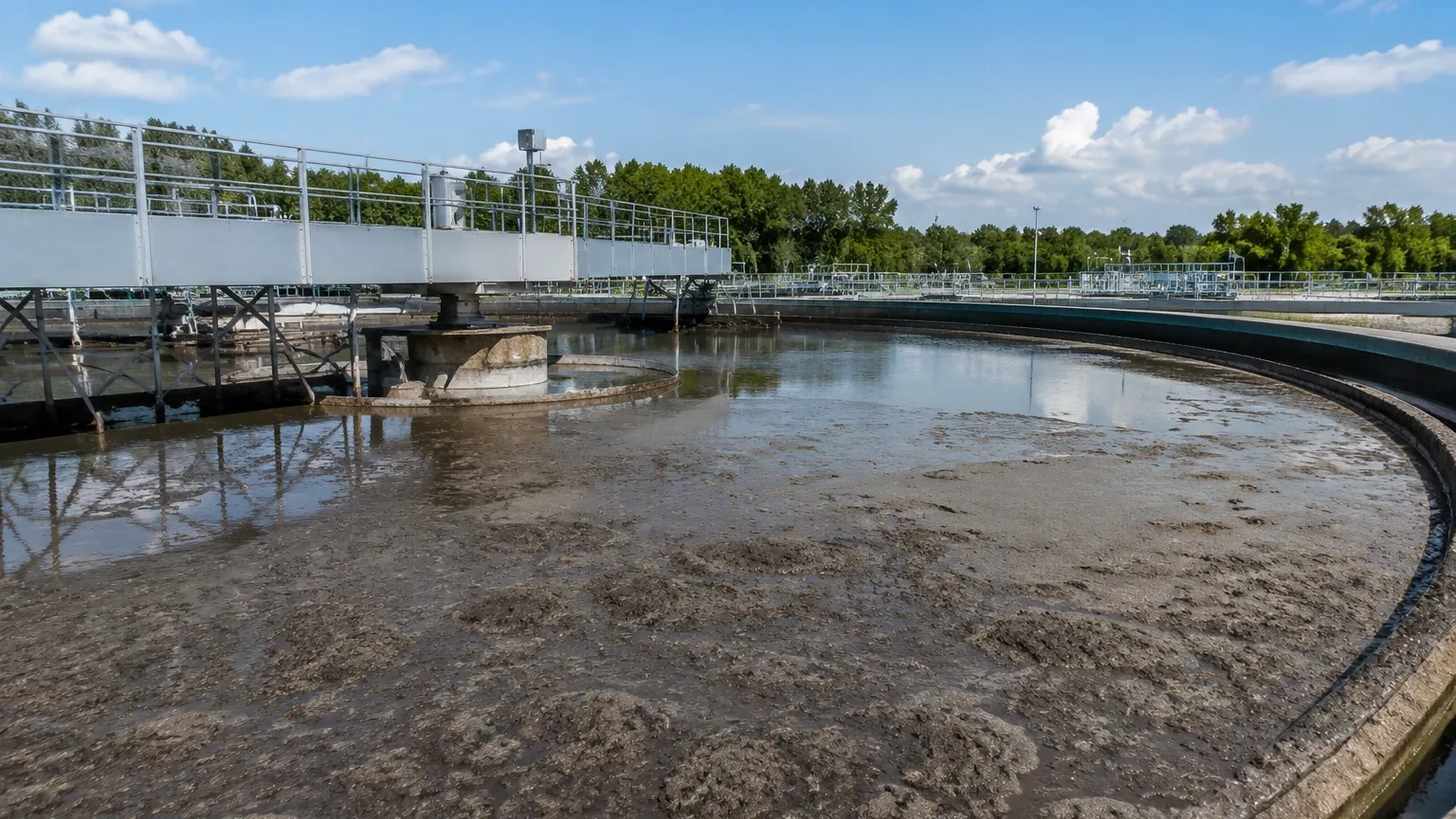
In industrial wastewater treatment and process liquid management, the sludge collector serves as a fundamental component for the separation of solids from liquids. Whether employed in primary clarifiers, secondary sedimentation tanks, or thickeners, these mechanical systems are designed to gather settled solids—referred to as sludge—and move them toward a collection pit for removal and further processing.
Effective sludge management is not merely a matter of mechanical scraping; it requires a sophisticated integration of mechanical engineering and precise level measurement. To optimize the performance of a sludge collector, operators must accurately monitor the sludge blanket level. This ensures that the collector operates at peak efficiency, preventing the carryover of solids into the effluent and reducing the energy costs associated with unnecessary pumping. For engineers seeking comprehensive instrumentation options, the Main Page of professional manufacturers provides a starting point for selecting the appropriate sensors to complement these mechanical systems.
Types of Sludge Collectors in Industrial Applications
Sludge collectors are categorized based on the geometry of the tank and the specific characteristics of the sludge being handled. The choice of collector significantly influences the type of level measurement technology required to monitor the process.
Circular Sludge Collectors
Commonly used in municipal and industrial water treatment, circular collectors utilize a central drive mechanism that rotates scraper arms. These arms, equipped with squeegees or angled blades, move the sludge toward a central hopper. In larger tanks, a "peripheral drive" may be used, where the drive motor is located on the outer wall of the tank.
Longitudinal (Rectangular) Sludge Collectors
In rectangular basins, sludge collectors often consist of a chain-and-flight system or a traveling bridge. Chain-and-flight systems use parallel chains with wooden or plastic "flights" (scrapers) that move along the bottom of the tank. Traveling bridges move back and forth on rails, utilizing a submersible pump or a scraper blade to move the sludge.
Suction-Type Sludge Collectors
For biological sludge that is light and easily disturbed, suction-type collectors are preferred. Instead of scraping the sludge, these systems use a series of suction pipes or headers to vacuum the sludge directly from the tank floor. This minimizes turbulence and is ideal for secondary clarifiers in activated sludge processes.
Measurement Principles for Sludge Interface Detection
To automate the operation of a sludge collector, it is essential to understand the interface between the clarified liquid (supernatant) and the settled sludge blanket. Several measurement principles are employed to detect this boundary.
Ultrasonic Pulse-Echo Principle
Ultrasonic sensors are the industry standard for sludge blanket level measurement. The transducer, mounted submerged just below the water surface, emits a high-frequency sound pulse. This pulse travels through the liquid until it encounters the higher-density sludge layer. A portion of the sound energy is reflected back to the transducer.
By measuring the time of flight and accounting for the speed of sound in the liquid, the transmitter calculates the distance to the sludge interface. Advanced ultrasonic systems can distinguish between a "fluff layer" (low-density suspended solids) and the "heavy sludge" (compacted solids), allowing for precise control of the sludge collector and withdrawal pumps.
Hydrostatic Pressure Measurement
Hydrostatic transmitters measure the pressure exerted by the column of liquid above the sensor. While primarily used for total tank level, hydrostatic pressure can be used in conjunction with density meters to infer sludge concentration. In a sludge collector application, a hydrostatic sensor at the bottom of the tank provides data on the total head, which is critical for ensuring the tank does not overflow if the collector or pump fails.
Optical (Infrared) Absorption
Optical sensors use the principle of light attenuation. An infrared beam is transmitted across a gap; the more solids present in the gap, the more the light is absorbed or scattered. These sensors are often used as point level switches to trigger a sludge collector cycle or as continuous monitors in pipework to check the concentration of the sludge being removed.
Selection Criteria for Level Instrumentation
Choosing the right instrumentation to monitor a sludge collector depends on several process variables. The following table provides a comparison of common technologies used in clarifiers and sedimentation tanks.
| Technology | Primary Application | Advantages | Limitations |
| :— | :— | :— | :— |
| Ultrasonic (Submerged) | Sludge Blanket Level | Non-contact with sludge, continuous monitoring, detects multiple layers. | Sensitive to heavy turbulence and large air bubbles. |
| Hydrostatic | Total Liquid Level | Highly reliable, easy to install, cost-effective. | Does not distinguish between liquid and sludge layers. |
| Radar (Non-Contact) | Surface Liquid Level | Unaffected by foam or steam, high precision. | Cannot measure the submerged sludge interface. |
| Optical/Turbidity | Sludge Concentration | Direct measurement of solids density. | Subject to fouling; requires frequent cleaning or wipers. |
| Level Switches | High/Low Alarms | Simple, robust, provides redundant safety. | Only provides point detection, not continuous data. |
| Magnetic Level Gauges | External Tank Level | Visual indication, safe for hazardous chemicals. | Not suitable for tanks with internal sludge collectors. |
Installation Guidelines and Avoiding Mechanical Interference
The integration of level sensors with a sludge collector requires careful spatial planning. The most common cause of sensor failure in these applications is mechanical damage caused by the collector arms or traveling bridges.
1. Clearance from Scraper Arms: Sensors must be installed in a location where the rotating or traveling scraper arms will not strike the transducer. For circular clarifiers, this usually means mounting the sensor near the outer wall or in a dedicated stilling well, provided the well does not accumulate sludge.
2. Submergence Depth: Ultrasonic transducers should be submerged at a depth of 200 mm to 500 mm (approx. 8 to 20 inches) to avoid surface foam and air entrainment. However, they must remain high enough to avoid being buried by a rising sludge blanket.
3. Beam Angle and Obstructions: The "beam angle" of an ultrasonic or radar sensor must be considered. Any internal tank structures, such as pipes, ladders, or the sludge collector's support framework, that enter the beam's path will cause false echoes.
4. Stilling Wells: In tanks with high turbulence, a stilling well (a vertical pipe) can be used to provide a calm surface for measurement. However, for sludge blanket measurement, the well must have large enough perforations to ensure the sludge level inside the pipe is identical to the level outside.
Operational Limitations and Environmental Factors
While modern instrumentation is highly advanced, certain environmental factors can impact the accuracy of measurements around a sludge collector:
* Temperature Gradients: Large tanks exposed to sunlight can develop thermal layers. Since the speed of sound changes with temperature, ultrasonic sensors must include temperature compensation (either internal or via an external probe).
* Gas Bubbles: In anaerobic digesters or secondary clarifiers where denitrification occurs, gas bubbles may rise from the sludge. These bubbles can reflect ultrasonic signals, leading to "phantom" sludge levels.
* Sludge Density: If the sludge is extremely thin (low solids concentration), the acoustic impedance difference between the water and the sludge may be too small for an ultrasonic sensor to detect clearly.
* Chemical Compatibility: In chemical processing or industrial wastewater, the pH levels or the presence of solvents can degrade sensor housings. Selecting materials like PVDF or high-grade stainless steel is essential for longevity.
Maintenance and Troubleshooting
A sludge collector is a heavy-duty mechanical system, and its associated instrumentation requires a proactive maintenance schedule to ensure reliability.
* Sensor Cleaning: Despite being submerged, transducers can accumulate biological growth or grease. Many modern ultrasonic sludge blanket monitors feature automatic cleaning systems, such as water jets or mechanical wipers, to keep the sensor face clear.
* Calibration Verification: Periodically, operators should perform a manual "core sample" (using a Sludge Judge or similar device) to verify that the electronic reading matches the actual physical sludge level.
* Drive Mechanism Inspection: If the sludge collector's drive motor begins to draw excessive current, it may indicate that the sludge blanket is too deep and the scraper arms are overloaded. Integrating level data with motor torque data provides a comprehensive view of system health.
Frequently Asked Questions (FAQ)
Q: How does a sludge collector improve the efficiency of a wastewater treatment plant?
A: By continuously or periodically removing settled solids, it prevents the anaerobic decomposition of sludge in the tank, which could otherwise release odors and cause sludge to rise to the surface. It also ensures that the subsequent sludge dewatering equipment receives a consistent feed concentration.
Q: Can I use a radar sensor to measure the sludge blanket?
A: Standard non-contact radar measures the surface of the liquid. It cannot "see" through the liquid to detect the sludge interface. For the sludge blanket itself, ultrasonic submerged sensors or optical sensors are required. However, radar is excellent for monitoring the total liquid level in the tank to prevent overflows.
Q: What is the "rat-holing" effect in sludge collection?
A: Rat-holing occurs when the sludge withdrawal pump is too powerful or the sludge collector is not moving enough material to the pit. The pump draws water from the supernatant through a hole in the sludge blanket, leaving the heavy sludge behind. Accurate level monitoring helps prevent this by coordinating pump speed with blanket depth.
Q: What units are typically used for sludge level measurement?
A: In most international engineering contexts, metric units are used. Sludge blanket depth is usually measured in meters (m) or millimeters (mm). For example, a typical setpoint might be to keep the blanket at a depth of 1.5 m (approx. 4.9 feet) from the tank floor.
For technical specifications and to explore various measurement solutions for industrial tanks, visit the Main Page to review product options and application support. Proper integration of a sludge collector with high-quality level instrumentation is the most effective way to ensure long-term operational stability and regulatory compliance in any liquid-solid separation process.