Ss Analyzer
Ss Analyzer
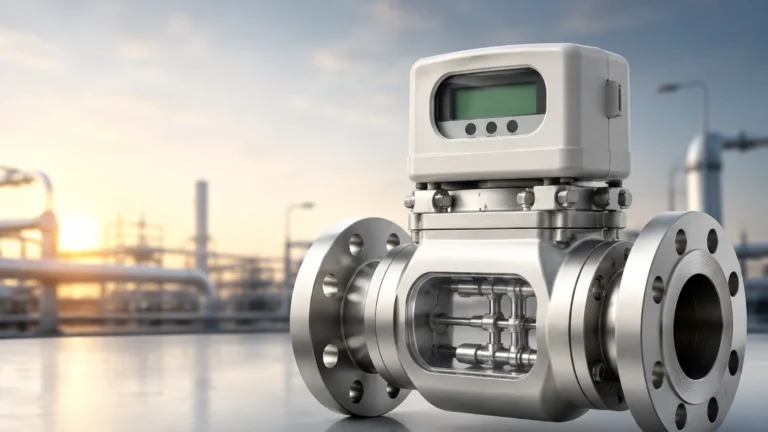
In industrial process control and wastewater management, the monitoring of suspended solids is a critical parameter for ensuring effluent quality, protecting downstream equipment, and optimizing chemical dosing. A Suspended Solids (SS) analyzer, often referred to as a Total Suspended Solids (TSS) monitor, is an analytical instrument designed to provide real-time data on the concentration of insoluble particles within a liquid medium.
While level measurement instruments—such as those found on the Main Page of industrial instrumentation providers—track the quantity of fluid in a vessel, the SS analyzer evaluates the quality and composition of that fluid. For engineers and plant managers, understanding the synergy between level control and solids analysis is essential for maintaining efficient operations in sectors ranging from municipal water treatment to chemical manufacturing.
Measurement Principles of Suspended Solids Analyzers
Before selecting an SS analyzer, it is vital to understand the physics behind the measurement. Most modern industrial analyzers utilize optical or ultrasonic methods to determine solids concentration, as these allow for non-destructive, continuous monitoring.
Optical Measurement (Light Scattering and Absorption)
Optical sensors are the most common technology used in SS analyzers. They operate on the principle that suspended particles will either absorb or scatter light directed into the medium.
1. 90-Degree Scattering (Nephelometry): This method is typically used for low-range measurements (turbidity). A light source emits a beam into the liquid, and a detector placed at a 90-degree angle measures the light scattered by particles. It is highly sensitive to fine particles.
2. Backscattering (180-Degree): For high-concentration environments, such as activated sludge or industrial slurries, backscattering is preferred. The sensor emits light and measures the intensity of the light reflected back toward the source. This prevents the signal saturation that occurs with transmission-based sensors in dense liquids.
3. Light Absorption (Transmission): The sensor measures the decrease in light intensity as it travels through a fixed distance of the liquid. The amount of light "lost" is proportional to the concentration of solids.
Ultrasonic Measurement
Ultrasonic SS analyzers utilize high-frequency sound waves. As the sound wave travels through the liquid, the presence of suspended solids causes attenuation (loss of energy) and phase shifts. By measuring the difference between the emitted and received signal, the analyzer calculates the solids concentration. This method is particularly effective in opaque liquids where optical sensors might fail due to extreme light absorption or heavy coating on the lens.
Key Selection Criteria for Industrial Applications
Selecting the correct SS analyzer requires a detailed analysis of the process environment. A mismatch between the technology and the application can lead to frequent maintenance and inaccurate data.
* Concentration Range: Determine if you are measuring in mg/L (low concentration, such as treated effluent) or g/L (high concentration, such as return activated sludge).
* Particle Characteristics: The size, shape, and color of the particles affect light scattering. For example, dark particles absorb more light, while crystalline particles scatter light more intensely.
* Fluid Properties: Consider the viscosity, temperature, and chemical compatibility of the fluid. In corrosive environments, sensor bodies made of PVC or stainless steel 316L may be required.
* Flow Conditions: Is the sensor being installed in a pipe, an open channel, or a tank? High-velocity flows can help keep sensors clean but may also cause cavitation that interferes with ultrasonic signals.
Practical Selection Table
The following table provides a general guideline for matching SS analyzer technologies with common industrial applications.
| Application Type | Concentration Range | Recommended Principle | Key Consideration |
| :— | :— | :— | :— |
| Potable Water Treatment | 0–50 mg/L | 90° Optical Scattering | High sensitivity required for fine particles. |
| Municipal Wastewater Effluent | 0–100 mg/L | Absorption / Scattering | Compliance monitoring; requires self-cleaning. |
| Activated Sludge (Aeration) | 2,000–5,000 mg/L | Backscattering | High solids density; requires robust fouling resistance. |
| Industrial Slurry Processing | 10–500 g/L | Ultrasonic / Microwave | Opaque fluids; high-wear environment. |
| Pulp and Paper Stock | 1%–10% Solids | Optical Transmission | Fiber orientation can affect readings. |
Integration with Level Measurement Systems
In many B2B industrial setups, an SS analyzer does not operate in isolation. It is frequently integrated into a wider automation loop that includes level measurement. For instance, in a secondary clarifier at a wastewater plant, a hydrostatic level transmitter or an ultrasonic level sensor is used to monitor the overall water level, while an SS analyzer (or a sludge blanket level meter) monitors the interface between the clear water and the settled solids.
By combining data from these instruments, operators can automate the "wasting" process—removing excess sludge when both the level and the solids concentration reach a specific threshold. This integrated approach prevents solids carryover into the effluent and ensures the biological process remains in balance. For comprehensive system design, engineers often consult the product technical sheets on the Main Page of specialized manufacturers to ensure communication protocols (such as 4-20mA HART or RS485 Modbus) are compatible across all instruments.

Installation Considerations and Best Practices
Proper installation is the single most important factor in the longevity of an SS analyzer. Even the most advanced sensor will fail if placed in a dead zone or an area of extreme turbulence.
1. Sensor Orientation: In pipe installations, sensors should be installed on the side of the pipe (3 o'clock or 9 o'clock position). Installing at the top can lead to interference from air bubbles, while installing at the bottom can lead to the sensor being buried in heavy sediment.
2. Submergence Depth: For tank installations, the sensor must remain submerged even at the minimum operating level. This is where coordination with level sensor data is vital to prevent "dry running" the analytical sensor.
3. Self-Cleaning Mechanisms: Because suspended solids tend to coat surfaces, SS analyzers should be equipped with automatic cleaning systems. Options include mechanical wipers, pressurized air blasts, or water jets. In high-grease environments, chemical cleaning cycles may be necessary.
4. Bypass Lines: For high-pressure or high-temperature lines, it is often safer to install the SS analyzer in a bypass loop. This allows for maintenance and calibration without shutting down the main process line.
Limitations and Maintenance Requirements
While highly effective, SS analyzers have inherent limitations that users must manage:
* Entrained Air: Air bubbles are "seen" by optical and ultrasonic sensors as solid particles, leading to artificially high readings. De-aeration tanks or specific mounting angles are required to mitigate this.
* Color Interference: In optical systems, changes in the base color of the liquid (e.g., dye changes in textile plants) can affect light absorption. Modern multi-beam sensors use compensation algorithms to account for color shifts.
* Calibration Drift: Unlike level meters, which are relatively stable, SS analyzers require periodic calibration against laboratory "grab samples." This is because the physical nature of the solids (density and size) can change over time.
* Biofouling: In warm, nutrient-rich water, algae and bacterial films can grow on the sensor lens within days. Regular inspection of the cleaning mechanism is mandatory.
Frequently Asked Questions (FAQs)
Q: How often should an SS analyzer be calibrated?
A: Initially, it should be checked weekly against laboratory gravimetric analysis. Once the correlation is established and the process is stable, the interval can often be extended to monthly or quarterly.
Q: Can an SS analyzer measure dissolved solids?
A: No. Suspended solids analyzers measure insoluble particles. To measure dissolved minerals or salts, a conductivity meter or Total Dissolved Solids (TDS) analyzer is required.
Q: What is the difference between Turbidity and Suspended Solids?
A: Turbidity is an optical property (how clear the water is), while Suspended Solids is a quantitative measure of mass per volume (mg/L). While they are related, the ratio between them changes if the particle size or density changes.
Q: Can these sensors handle high temperatures?
A: Most standard optical sensors are rated up to 50°C (122°F). For high-temperature industrial processes, specialized sensors with cooling jackets or bypass systems are required to protect the electronics.
Conclusion
The implementation of a robust SS analyzer is a cornerstone of modern industrial process optimization. By providing continuous, real-time data, these instruments allow for immediate response to process upsets that manual sampling would miss. When integrated with reliable level measurement technologies—as detailed on the Main Page—industrial facilities can achieve a higher degree of automation, ensuring both environmental compliance and operational cost-efficiency.