Thc Extraction Machine
Thc Extraction Machine
In the rapidly evolving landscape of botanical processing, the efficiency and safety of a THC extraction machine depend heavily on the precision of its internal fluid management systems. Industrial-scale extraction is not merely a botanical process; it is a complex chemical engineering task involving volatile solvents, high pressures, and varying temperatures. To maintain consistent throughput and ensure the safety of the facility, engineers must implement reliable level measurement solutions across every stage of the extraction process.
Whether utilizing ethanol, hydrocarbons like butane and propane, or supercritical CO2, an extraction system requires constant monitoring of solvent levels, crude oil accumulation, and recovery tank capacities. This guide examines the technical requirements for level instrumentation within a THC extraction machine and provides an engineering framework for selecting the appropriate sensor technology.
Measurement Principles for Extraction Environments
Before selecting a specific instrument, it is essential to understand the physics behind common level measurement technologies used in industrial processing. Each principle has distinct advantages depending on the physical properties of the fluid and the vessel's internal environment.
1. Radar Level Measurement (Time of Flight)
Radar level meters operate on the "Time of Flight" (ToF) principle. The sensor emits high-frequency microwave pulses that travel at the speed of light. When these pulses hit the surface of the liquid (such as ethanol or THC crude oil), they are reflected back to the sensor. The distance is calculated based on the time interval between emission and reception.
In a THC extraction machine, radar is often preferred because it is non-contact and largely unaffected by changes in pressure or temperature. However, the dielectric constant (εr) of the liquid is a critical factor. Solvents like ethanol have a relatively high dielectric constant, providing a strong reflection, while pure hydrocarbons may require more sensitive radar units or guided wave radar (GWR) to ensure signal stability.
2. Ultrasonic Level Measurement
Ultrasonic sensors function similarly to radar but use sound waves instead of microwaves. The sensor measures the time it takes for a sound pulse to bounce off the liquid surface and return.
While cost-effective, ultrasonic sensors are sensitive to the medium through which the sound travels. In extraction processes involving heavy solvent vapors or vacuum pressures, the speed of sound can shift, leading to inaccuracies. Therefore, ultrasonic measurement is typically reserved for atmospheric storage tanks rather than pressurized extraction vessels.
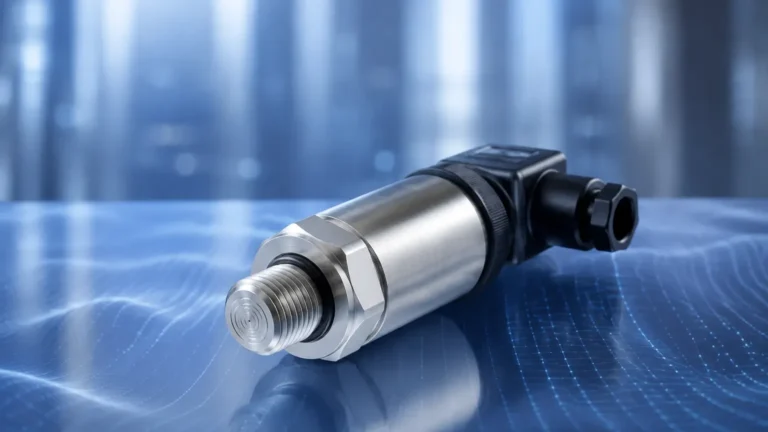
3. Hydrostatic Pressure Measurement
Hydrostatic level transmitters measure the pressure exerted by the liquid column at the bottom of a tank. The level is calculated using the formula: $P = \rho \cdot g \cdot h$ (where $P$ is pressure, $\rho$ is density, $g$ is gravity, and $h$ is height).
This method is highly reliable for large solvent storage tanks. However, because it relies on fluid density, any changes in temperature that alter the density of the solvent or oil will require compensation to maintain accuracy.
The Role of Level Measurement in Extraction Stages
A modern THC extraction machine is comprised of several distinct modules, each presenting unique challenges for level monitoring.
Solvent Reservoirs
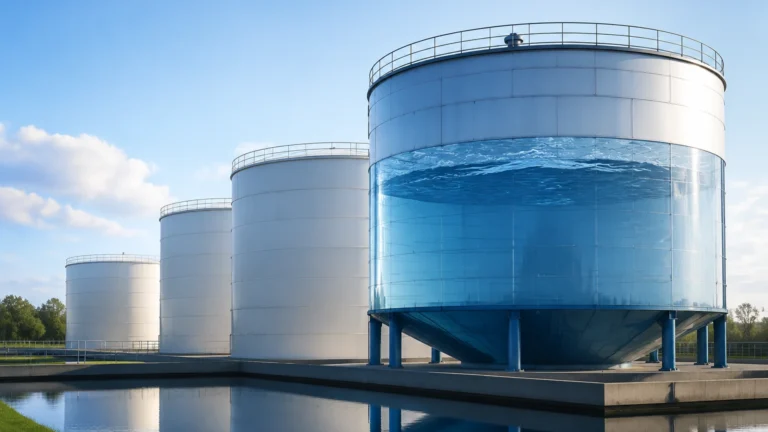
Large-scale systems often use chilled ethanol or liquefied hydrocarbons. Maintaining an accurate inventory of these solvents is vital for process continuity. For these tanks, hydrostatic transmitters or non-contact radar are standard. If the solvent is stored under pressure (as with butane), the sensor must be rated for the specific pressure vessel requirements.
Extraction Vessels
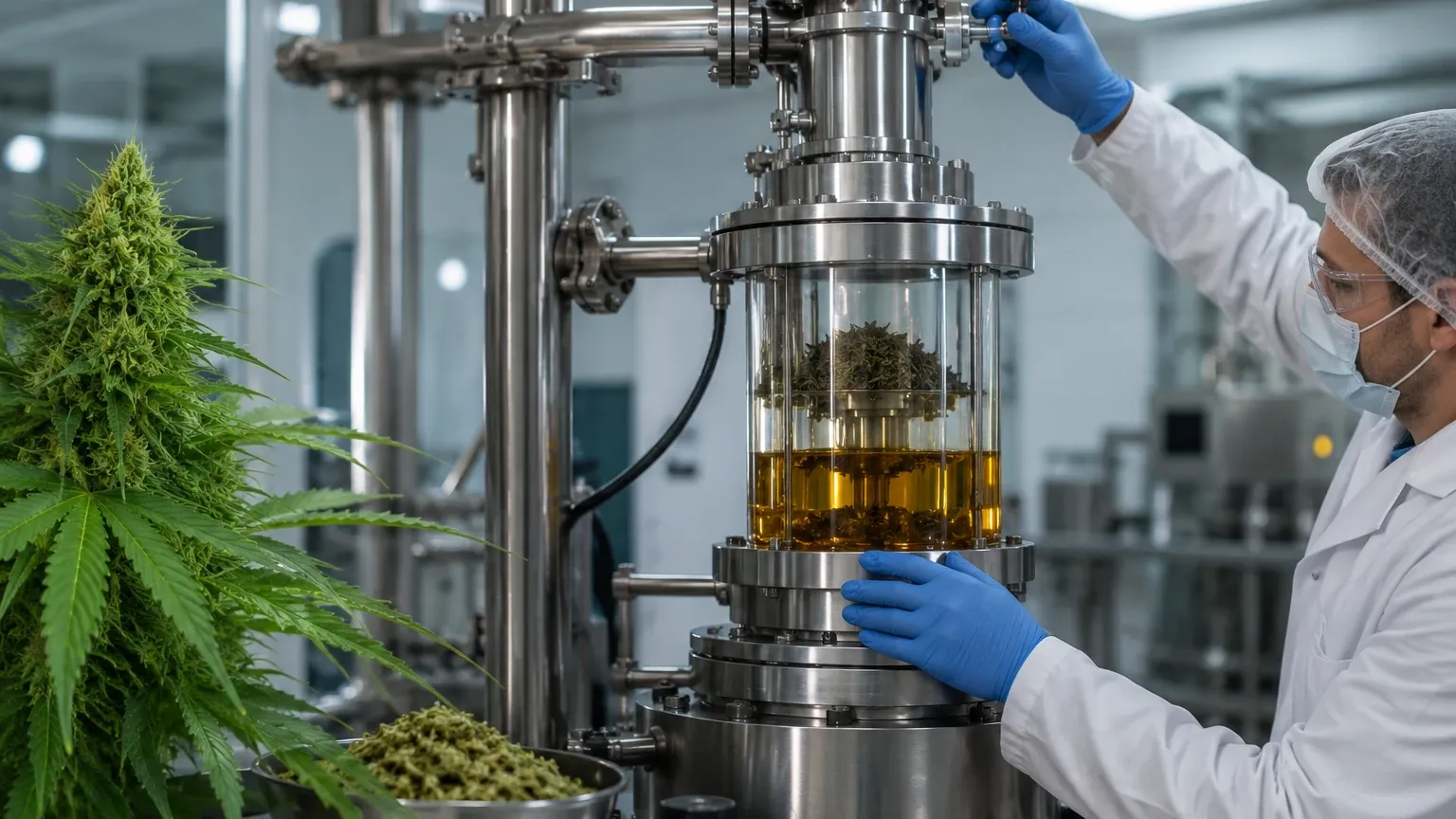
This is where the raw plant material meets the solvent. Level sensors here help automate the filling process, ensuring the biomass is fully submerged without overfilling the vessel. Because this environment may contain suspended solids (plant matter), non-contact radar is ideal to prevent clogging or mechanical interference.
Evaporation and Decarboxylation Units
After extraction, the solvent must be removed from the oil. In falling film evaporators or rotary evaporators, level sensors monitor the accumulation of the concentrated crude oil. As the oil becomes more viscous, mechanical floats may fail, making radar or high-frequency level switches more effective options.
Selection Criteria for Level Instrumentation
When configuring a THC extraction machine, engineers should use the following table to compare the suitability of different technologies based on common process conditions:
| Technology | Typical Application | Accuracy | Pressure Handling | Limitations |
| :— | :— | :— | :— | :— |
| Non-contact Radar | Extraction Vessels / Crude Collection | ±2 mm | Up to 40 bar+ | High initial cost |
| Guided Wave Radar | Small diameter pipes / Low εr liquids | ±1 mm | Excellent | Subject to coating/buildup |
| Ultrasonic | Atmospheric Water/Solvent Tanks | ±0.25% of range | Atmospheric only | Fails in vacuum or heavy vapor |
| Hydrostatic | Bulk Solvent Storage | ±0.1% to 0.5% | Good for static head | Density dependent |
| Magnetic Level Gauge | Visual bypass monitoring | Visual | Excellent | Moving parts can stick |
For a comprehensive overview of available technologies and technical specifications, engineers can refer to the Main Page of industrial instrumentation providers to match sensor capabilities with their specific extraction throughput.
Installation and Safety Considerations
Safety is the paramount concern in any facility operating a THC extraction machine. Most solvents used are highly flammable, classifying the surrounding area as a hazardous location.
Hazardous Area Certifications
All electronic level sensors must carry appropriate certifications, such as ATEX (Europe) or IECEx/UL (International/North America). For hydrocarbon extraction (Class I, Division 1 or 2), sensors must be intrinsically safe or housed in explosion-proof enclosures to prevent any electrical spark from igniting solvent vapors.
Sanitary Requirements
Since the end product is intended for human consumption, the extraction machine must adhere to sanitary standards. Sensors should be constructed from 316L stainless steel with a surface finish (Ra) of less than 0.8 μm to prevent bacterial growth. Tri-clamp or other hygienic fittings are required to facilitate Clean-in-Place (CIP) procedures.
Mounting Position
To avoid false reflections, non-contact sensors (Radar and Ultrasonic) should be mounted away from the tank walls and clear of internal obstructions like agitators, spray balls, or heating coils. If the vessel has an agitator, the software of the level meter should include a "false signal suppression" feature to filter out the interference caused by the moving blades.
Limitations and Maintenance Challenges
Despite the advanced technology available, certain factors can complicate level measurement in a THC extraction machine:
1. Foaming: During the evaporation or purging process, the mixture may foam. High-frequency radar can sometimes penetrate light foam, but heavy foam may reflect the signal prematurely. In these cases, guided wave radar or mechanical switches may be necessary.
2. Viscosity and Buildup: As THC oil is refined, it becomes extremely viscous and sticky. This can cause buildup on sensor probes. Using non-contact sensors or probes with PTFE coatings can minimize maintenance requirements.
3. Vacuum Conditions: Many extraction processes operate under vacuum to lower the boiling point of solvents. This renders ultrasonic sensors useless, as sound waves require a medium (air) to travel. Radar is the preferred alternative as microwaves travel through a vacuum without signal loss.
Frequently Asked Questions (FAQ)
Q: Can I use a single type of sensor for the entire extraction machine?
A: While radar is versatile, it is often more cost-effective to use a mix of technologies. For example, use radar for the pressurized extraction vessel and hydrostatic or ultrasonic sensors for the bulk solvent storage and wastewater tanks.
Q: How does temperature affect level measurement?
A: Temperature primarily affects hydrostatic sensors by changing fluid density. For radar, temperature has negligible effects, but the sensor head must be rated for the process temperature to protect the internal electronics.
Q: What is the best way to monitor levels in a CO2 extraction system?
A: Supercritical CO2 systems operate at very high pressures (often exceeding 70 bar). In these environments, high-pressure guided wave radar or magnetic level gauges with high-pressure chambers are the most reliable options.
Q: How often do level sensors need calibration?
A: For most digital radar and ultrasonic units, factory calibration is sufficient for several years. However, hydrostatic sensors should be zeroed and spanned annually, especially if the process involves fluids that may leave residue on the diaphragm.
Conclusion
The integration of precise level measurement is a fundamental requirement for the modern THC extraction machine. By understanding the measurement principles of radar, ultrasonic, and hydrostatic systems, engineers can select the right tools to optimize solvent recovery, ensure product purity, and maintain a safe working environment. Selecting the correct instrumentation not only improves the efficiency of the extraction process but also provides the data necessary for advanced industrial automation and scaling.