Torreta De Agua
Torreta De Agua
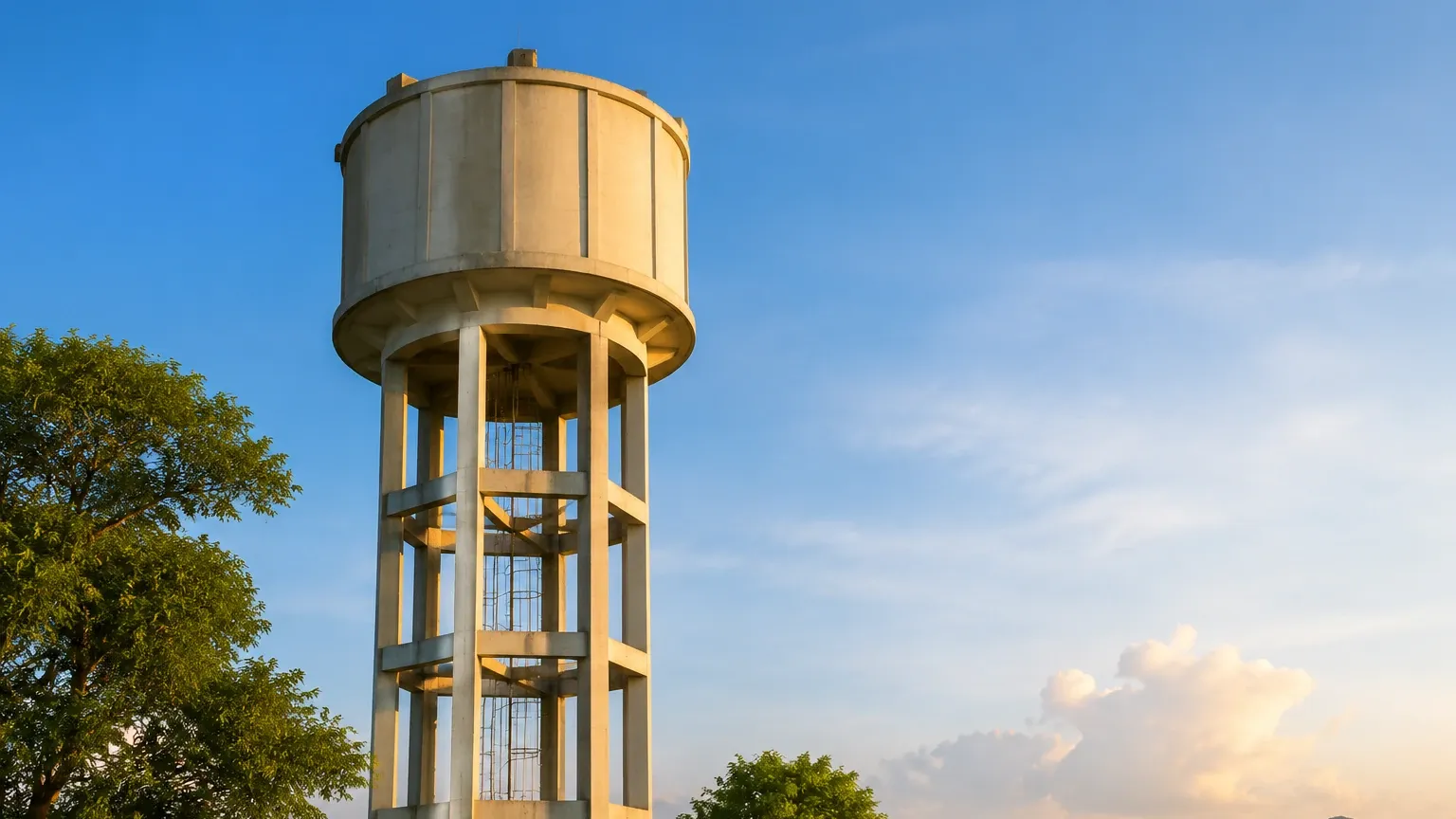
In industrial and municipal water management, the storage and distribution of water rely heavily on elevated structures known as the torreta de agua (water tower). These structures serve two primary purposes: providing hydraulic head for gravity-fed distribution and acting as a buffer to manage peak demand. For engineers and facility managers, maintaining precise control over the volume within a torreta de agua is not merely a matter of efficiency but a critical safety requirement to prevent structural overflow or pump cavitation.
Accurate level measurement in these environments presents unique challenges, including exposure to the elements, significant heights, and the need for long-term reliability with minimal maintenance. This guide explores the engineering principles, technology selection, and installation best practices for monitoring levels in water towers and similar elevated storage tanks.
Understanding the Role of the Torreta de Agua in Industrial Systems
A torreta de agua operates on the principle of hydrostatic potential energy. By elevating water to a height (typically 20 to 50 meters or more), the system ensures a consistent pressure across the distribution network. In industrial contexts, such as chemical processing or cooling plants, these towers provide a fail-safe water supply that can maintain pressure even during power outages, as the energy is stored as elevation rather than relying solely on active pumping.
Monitoring the water level is essential for:
1. Pump Automation: Coordinating the start/stop cycles of ground-level pumps to maintain the optimal operating range.
2. Inventory Management: Tracking water usage and identifying potential leaks in the distribution network.
3. Structural Integrity: Preventing overflows that can lead to erosion at the base or unnecessary stress on the tank structure.
4. Water Quality: Managing turnover rates to ensure water does not become stagnant.
Level Measurement Principles for Water Towers
To select the appropriate instrument for a torreta de agua, one must first understand the physics behind the various measurement methods. The most common technologies employed in these applications include ultrasonic, radar, and hydrostatic pressure sensing.
Ultrasonic Level Measurement
Ultrasonic sensors are non-contact devices that emit high-frequency sound pulses. These pulses travel through the air, reflect off the water surface, and return to the sensor. The distance is calculated using the formula:
$$D = \frac{v \cdot t}{2}$$
Where *D* is the distance, *v* is the speed of sound in air (approximately 343 m/s at 20°C), and *t* is the time taken for the pulse to return. Because the speed of sound varies with air temperature, high-quality ultrasonic sensors include integrated temperature compensation. This technology is cost-effective and easy to install, as it does not require contact with the water.
Radar Level Measurement
Radar sensors, specifically Frequency Modulated Continuous Wave (FMCW) or pulse radar, use electromagnetic waves rather than sound. These waves travel at the speed of light and are unaffected by air temperature, wind, or vacuum conditions. Radar is particularly effective for a torreta de agua located in extreme climates where temperature gradients inside the tank might distort ultrasonic signals. Radar offers higher precision (often within ±2mm) and is suitable for very tall towers where the measurement range may exceed 30 meters.
Hydrostatic Level Measurement
Hydrostatic transmitters measure the pressure exerted by the water column above the sensor. The principle follows the formula:
$$P = \rho \cdot g \cdot h$$
Where *P* is pressure, *ρ* (rho) is the density of the liquid, *g* is the gravitational constant, and *h* is the height of the liquid. In a torreta de agua, a submersible pressure transducer is lowered to the bottom of the tank, or a threaded sensor is installed at the base. This method is highly reliable and immune to surface turbulence or foam, though it does require the sensor to be in constant contact with the medium.
Technical Selection Table for Level Instrumentation
Choosing the right technology depends on the specific requirements of the project, including tank height, environmental conditions, and budget. For a comprehensive look at available hardware, engineers often consult a Main Page for technical specifications.
| Feature | Ultrasonic | Radar (80GHz) | Hydrostatic | Magnetic Gauge |
| :— | :— | :— | :— | :— |
| Measurement Type | Non-contact | Non-contact | Contact (Pressure) | Contact (Visual/Link) |
| Typical Range | 0.3m – 15m | 0.1m – 120m | 1m – 200m | 0.5m – 6m |
| Accuracy | ±0.25% of range | ±2 mm | ±0.1% to 0.5% | ±5 mm |
| Effect of Wind | High (signal drift) | None | None | None |
| Maintenance | Low | Very Low | Moderate (cleaning) | Moderate |
| Ideal Application | Standard tanks | High-precision/Tall | Deep reservoirs | Local visual check |
Installation Engineering for Water Tower Sensors
Proper installation is as critical as sensor selection. When equipping a torreta de agua, engineers must consider the following factors to ensure data accuracy and instrument longevity.
1. Avoiding the Dead Zone
Every non-contact sensor (ultrasonic and radar) has a "dead zone" or "blocking distance" immediately below the sensor face where measurements cannot be taken. For ultrasonic sensors, this is typically 0.25m to 0.5m. The sensor must be mounted high enough that the maximum water level never enters this zone.
2. Positioning and Obstructions
The sensor should be positioned away from the water inlet to avoid interference from turbulence or splashing. Furthermore, the signal beam must have a clear path to the water surface. Internal ladders, pipes, or structural braces can cause "false echoes." Modern radar and ultrasonic units often feature "false echo suppression" software, allowing the user to map out these obstructions during commissioning.
3. Environmental Protection
Because a torreta de agua is an outdoor structure, instruments must be rated for at least IP67 or IP68. Additionally, lightning protection is a major consideration for elevated tanks. Using surge protectors on the 4-20mA loop and ensuring proper grounding of the sensor housing can prevent costly damage during electrical storms.
4. Mounting Flanges and Stilling Wells
For tanks with significant surface agitation, a stilling well (a vertical pipe with vent holes) can be installed. The sensor is mounted at the top of the pipe, which acts as a mechanical filter to provide a calm surface for measurement. This is particularly useful for hydrostatic sensors to protect them from the kinetic energy of moving water.
Operational Challenges and Maintenance Protocols
While modern level meters are designed for long-term autonomy, the specific environment of a torreta de agua introduces certain operational risks.
* Condensation and Icing: In cold climates, condensation can form on the transducer face. While radar is largely immune to this, ultrasonic signals can be attenuated. Some sensors feature heated faces or specialized drip-off designs to mitigate this.
* Insects and Debris: Spiders and insects often nest in the mounting brackets of non-contact sensors. Regular visual inspections are recommended to ensure the sensor face remains clear.
* Scaling and Fouling: For hydrostatic sensors, mineral buildup (scaling) on the diaphragm can cause measurement drift. These sensors should be pulled and cleaned periodically with a soft cloth and appropriate solvent.
* Signal Integration: Most industrial water towers integrate level data into a SCADA (Supervisory Control and Data Acquisition) system. It is vital to ensure that the signal (e.g., 4-20mA, HART, or Modbus) is shielded against electromagnetic interference (EMI) over the long cable runs from the top of the tower to the control room.
Frequently Asked Questions (FAQ)
Q: Can I use a float switch for a torreta de agua?
A: While float switches can be used for high/low alarms, they do not provide continuous level data. For modern industrial automation, continuous measurement (ultrasonic, radar, or hydrostatic) is preferred to optimize pump efficiency and track water usage.
Q: How does wind affect level measurement?
A: Wind can cause surface ripples and, in the case of ultrasonic sensors, can literally "blow" the sound wave away from the receiver if the distance is great. Radar is unaffected by wind, making it the superior choice for very tall, open-top towers.
Q: What is the best way to power a sensor on a remote water tower?
A: If hardwiring is not feasible, many level transmitters are low-power enough to be operated by a small solar panel and battery system, transmitting data via wireless protocols like LoRaWAN or cellular NB-IoT.
Q: How often should a level sensor be calibrated?
A: For most water applications, an annual calibration check is sufficient. However, if the sensor is used for billing or critical chemical dosing, semi-annual checks may be required by local regulations.
By understanding the specific hydraulic and environmental demands of the torreta de agua, project managers can select a measurement solution that ensures reliable water delivery and protects the long-term health of the infrastructure. For technical support and product selection, reviewing the latest advancements in sensor technology on the Main Page is a recommended first step in any system upgrade or new construction project.