Total Organic Carbon Toc Analyzer
Total Organic Carbon Toc Analyzer
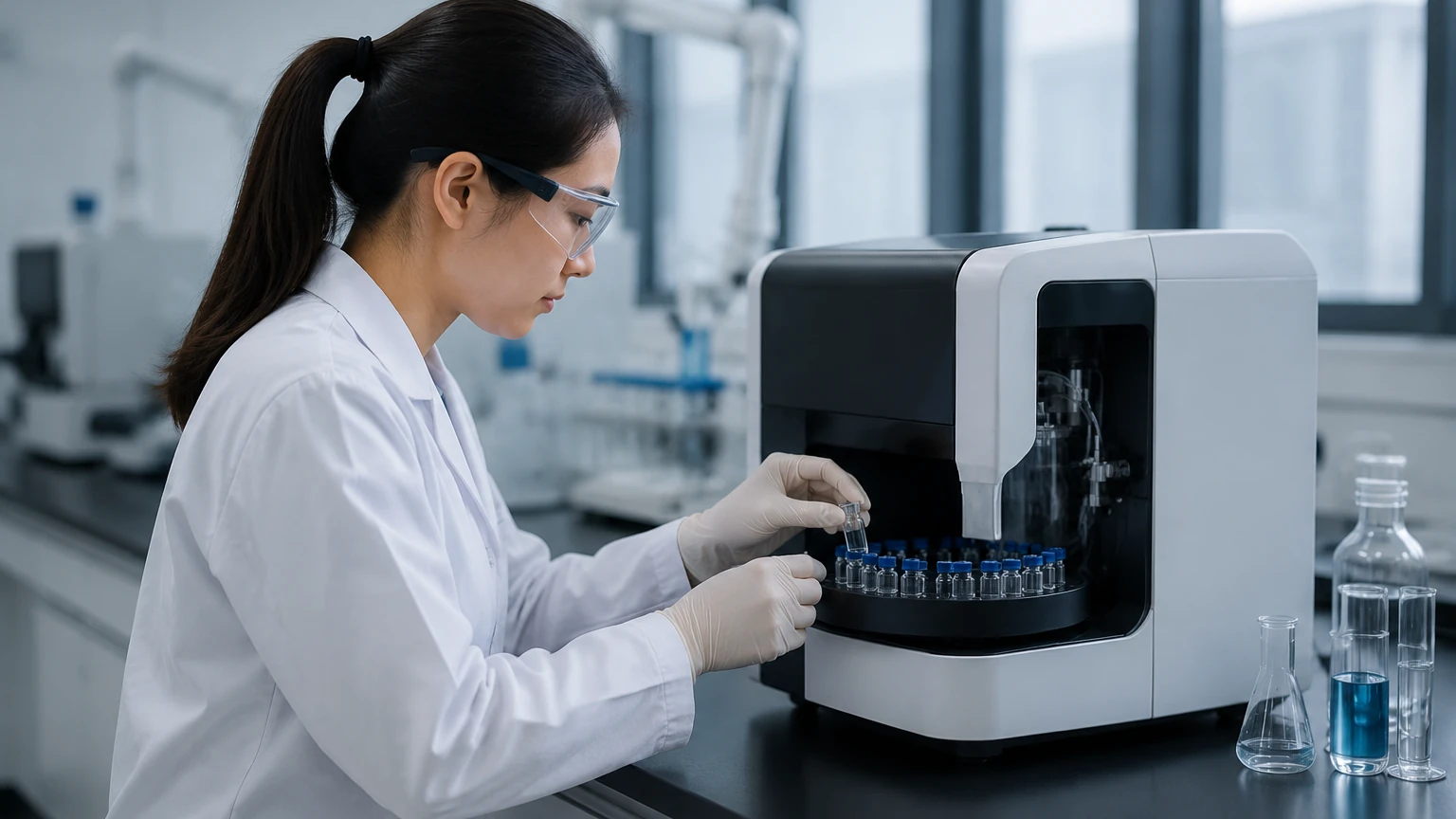
In industrial water treatment, pharmaceutical manufacturing, and chemical processing, monitoring the purity of water is a critical operational requirement. One of the most significant indicators of water quality is the concentration of organic contaminants. A total organic carbon TOC analyzer is the primary instrument used to quantify these contaminants by measuring the carbon content of organic compounds in a liquid sample.
Understanding the technical nuances of TOC analysis is essential for process engineers who must balance measurement accuracy with operational costs. This guide explores the principles of TOC measurement, the various technologies available, and how these systems integrate with broader industrial automation and level measurement infrastructures.
Understanding Total Organic Carbon (TOC) Measurement Principles
Total Organic Carbon (TOC) is a measure of the total amount of carbon found in organic compounds. It is distinct from Total Carbon (TC), which includes both organic and inorganic carbon (such as carbonates and bicarbonates). The standard approach for a total organic carbon TOC analyzer involves a two-step process: oxidation and detection.
The Oxidation Phase
To measure the carbon within organic molecules, those molecules must first be broken down and oxidized into carbon dioxide (CO2). There are several common methods for achieving this oxidation:
1. High-Temperature Combustion: The sample is injected into a furnace heated to 680°C to 1,200°C in the presence of a catalyst (often platinum). This method is highly effective for samples containing high levels of particulates or complex organic structures, such as wastewater.
2. UV Persulfate Oxidation: The sample is mixed with a chemical oxidant (sodium persulfate) and exposed to ultraviolet (UV) light. This method is common in pharmaceutical and ultrapure water applications where the organic load is relatively low.
3. Supercritical Water Oxidation (SCWO): A more advanced method that uses the properties of water at its supercritical point to achieve rapid and complete oxidation of even the most difficult organic compounds.
The Detection Phase
Once the organic carbon has been converted to CO2, the analyzer must quantify the gas. The two most prevalent detection methods are:
* Non-Dispersive Infrared (NDIR): This is the industry standard for most applications. CO2 absorbs infrared light at a specific wavelength. By measuring the attenuation of the IR beam, the analyzer can precisely determine the concentration of CO2 and, by extension, the TOC in the original sample.
* Conductivity Detection: In this method, the CO2 is dissolved into deionized water, increasing its conductivity. The change in conductivity is proportional to the carbon concentration. This is highly sensitive and often used in the semiconductor and pharmaceutical industries for ultrapure water monitoring.
Comparison of TOC Oxidation Technologies
Choosing the right oxidation method depends heavily on the sample matrix and the required detection limits. The following table provides a comparison for engineering selection purposes.
| Feature | High-Temperature Combustion | UV Persulfate Oxidation | Membrane Conductivity |
| :— | :— | :— | :— |
| Typical Application | Wastewater, Industrial Process | Drinking Water, Pharma | Ultrapure Water (UPW) |
| Detection Limit | 50 µg/L – 30,000 mg/L | 1 µg/L – 50 mg/L | < 1 µg/L – 2 mg/L |
| Particle Handling | Excellent | Limited | Poor |
| Maintenance Level | High (Catalyst replacement) | Moderate (Reagent refill) | Low |
| Response Time | 3–10 minutes | 5–15 minutes | Real-time to 5 minutes |
Key Evaluation Criteria for Industrial TOC Analyzers
When selecting a total organic carbon TOC analyzer for a facility, engineers must evaluate several technical parameters beyond the basic measurement range.
Sample Matrix and Turbidity
If the process water contains high levels of suspended solids or salts, a combustion-based analyzer is usually necessary. UV-based systems can be fouled by turbidity, leading to incomplete oxidation and under-reporting of TOC levels. For clean water applications, UV persulfate systems offer lower detection limits and lower operating costs.
Online vs. Laboratory Analysis
Online TOC analyzers provide continuous monitoring, which is vital for process control and rapid leak detection. Laboratory analyzers, while often more versatile in handling different sample types, only provide a snapshot in time. In critical applications like steam condensate return or wastewater discharge compliance, online analysis is the preferred standard.
Reagent Requirements and Operating Costs
Combustion analyzers require high-purity carrier gases (such as oxygen or CO2-free air) and periodic catalyst replacement. UV persulfate systems require a steady supply of liquid reagents. Engineers should calculate the Total Cost of Ownership (TCO) over a five-year period, including consumables and technician time for calibration.
Integrating TOC Analyzers with Level Measurement Infrastructure
A total organic carbon TOC analyzer does not operate in isolation. In a typical water treatment or chemical processing plant, the analyzer is part of a larger system that includes storage tanks, reagent vessels, and discharge basins. Reliable operation of the TOC system often depends on accurate level measurement.
For instance, the supply of reagents for a TOC analyzer must be monitored to prevent system downtime. Small-scale hydrostatic transmitters or ultrasonic level sensors are frequently used to track reagent levels. Furthermore, in wastewater applications, the TOC analyzer is often installed at a wet well or a collection tank. To ensure the analyzer's pump has a consistent head pressure and to prevent dry-running, high-precision level instruments are required.
Welk, a professional manufacturer of industrial level measurement instruments, provides the necessary sensors to support these integrated systems. Technologies such as radar level meters and ultrasonic level sensors ensure that the tanks feeding or receiving water from the TOC analysis process are monitored with high accuracy. For more information on selecting the appropriate level sensors for your process infrastructure, you can visit the Main Page to review product options and application support.
Installation Considerations and Best Practices
Proper installation is paramount to ensuring the longevity and accuracy of a TOC analyzer. Engineers should adhere to the following guidelines:
1. Sample Point Selection: The sample should be taken from a representative part of the process flow. Avoid "dead legs" or areas where sediment can accumulate. If the sample is taken from a pressurized line, a pressure reduction valve may be necessary to protect the analyzer's internal fluidics.
2. Filtration: Even combustion analyzers have limits. Installing a coarse 50–100 micron filter at the intake can prevent large debris from clogging the sample pump, provided the filter does not strip out the organic compounds of interest.
3. Temperature Control: Many TOC analyzers have an optimal operating temperature range (typically 5°C to 40°C). If the sample is too hot, a sample cooler (heat exchanger) must be installed upstream of the analyzer.
4. Waste Drainage: TOC analyzers generate a small but steady stream of waste (the analyzed sample and reagents). Ensure that a gravity drain or a small sump pump is available at the installation site. The waste line should be vented to prevent back-pressure.
Maintenance and Calibration Requirements
To maintain the validity of the data produced by a total organic carbon TOC analyzer, a rigorous maintenance schedule is required.
* Calibration: Analyzers should be calibrated using certified reference materials, such as Potassium Hydrogen Phthalate (KHP). The frequency of calibration depends on the industry; pharmaceutical applications may require daily or weekly verification, while wastewater applications might only require monthly checks.
* System Suitability Tests: In regulated industries, a system suitability test (SST) is often performed. This involves measuring a standard that is difficult to oxidize (like sucrose) and a standard that is easy to oxidize (like KHP) to ensure the analyzer is performing at peak efficiency.
* Consumables Management: Catalysts in combustion units eventually become poisoned by salts or metals and must be replaced. UV lamps have a finite lifespan (typically 6–12 months) and will lose intensity over time, leading to incomplete oxidation.
Limitations of TOC Analysis
While highly effective, TOC analysis has specific limitations that engineers must recognize:
* Non-Specific Measurement: TOC tells you how much organic carbon is present, but it does not identify the specific chemicals. It cannot distinguish between a harmless organic acid and a toxic solvent.
* Inorganic Carbon Interference: If the system for removing inorganic carbon (acidification and sparging) fails, the TOC reading will be falsely high as it includes carbonates.
* Volatile Organic Compounds (VOCs): During the sparging process used to remove inorganic carbon, some highly volatile organic compounds may also be stripped from the sample, leading to an under-reporting of the total organic load.
Frequently Asked Questions (FAQ)
Q: What is the difference between TOC and COD?
A: TOC (Total Organic Carbon) measures the carbon content directly. COD (Chemical Oxygen Demand) measures the amount of oxygen required to chemically oxidize the organic matter. While they are related, TOC is generally considered a more accurate and cleaner measurement as it does not require hazardous chemicals like potassium dichromate used in COD testing.
Q: How often should I replace the UV lamp in my TOC analyzer?
A: Most manufacturers recommend replacement every 6 to 12 months. However, many modern analyzers monitor the UV intensity and will trigger an alarm when the lamp output drops below a functional threshold.
Q: Can a TOC analyzer measure oil in water?
A: Yes, TOC analyzers can detect the carbon in dissolved or emulsified oils. However, if the oil is present as large droplets or a surface film, the analyzer's sampling system may not capture it representatively. In such cases, specialized oil-in-water monitors or specific sample conditioning is required.
Q: Do I need a carrier gas for all TOC analyzers?
A: No. While combustion analyzers and many UV-persulfate systems require a carrier gas (like Oxygen or Nitrogen) to move the CO2 to the detector, some membrane-based conductivity analyzers do not require a gas supply, making them easier to install in remote locations.
By carefully selecting the oxidation technology and ensuring robust integration with auxiliary systems like level measurement, industrial facilities can maintain high standards of water quality and process efficiency. For engineers focused on the instrumentation and control aspects of these systems, ensuring that every component—from the total organic carbon TOC analyzer to the supporting level sensors—is matched to the application is the key to long-term success.