Dissolved Oxygen Analyzers
Dissolved Oxygen Analyzers
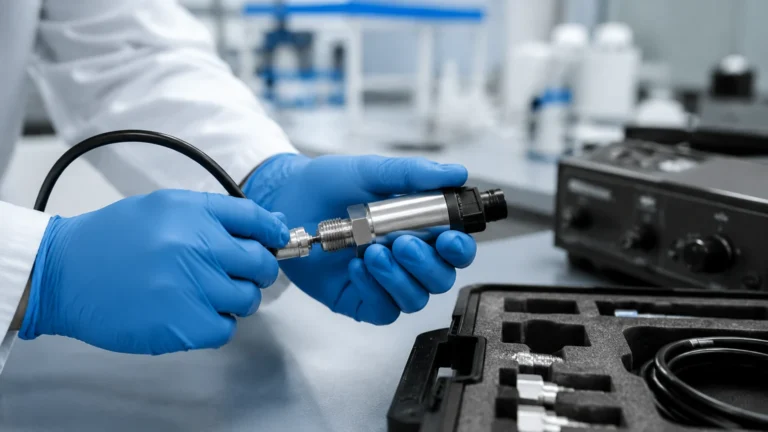
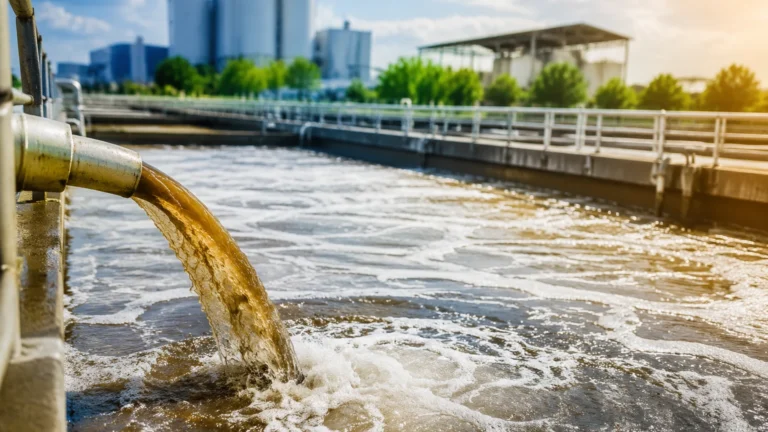
In industrial water treatment, chemical processing, and aquaculture, monitoring the concentration of gaseous oxygen dissolved in a liquid is a critical process requirement. Dissolved oxygen analyzers provide the real-time data necessary to manage aerobic digestion in wastewater plants, prevent corrosion in high-pressure boilers, and ensure the health of biological cultures in fermentation tanks. While level measurement instruments—such as those found on the Welk Main Page—manage the volume and containment of these fluids, dissolved oxygen (DO) analyzers monitor the chemical viability and quality of the process media.
Selecting the appropriate DO analyzer requires an understanding of the underlying sensing technologies, the physical constraints of the installation site, and the specific chemical environment of the application.
Understanding Dissolved Oxygen Measurement Principles
Dissolved oxygen is typically measured using one of two primary methods: electrochemical (membrane-covered) or optical (luminescence-based). Both methods measure the partial pressure of oxygen, which is then converted into a concentration value, such as milligrams per liter (mg/L) or parts per million (ppm).
Electrochemical Sensors
Electrochemical sensors utilize a cathode and an anode submerged in an electrolyte solution, separated from the process media by a gas-permeable membrane. Oxygen diffuses through the membrane and is chemically reduced at the cathode, creating an electrical current proportional to the oxygen concentration.
* Polarographic Sensors: These sensors require an external voltage (polarizing voltage) to be applied to the electrodes. They typically use a gold cathode and a silver anode. Because they require a warm-up period to stabilize the polarization, they are often used in continuous monitoring applications rather than spot-checking.
* Galvanic Sensors: In a galvanic cell, the electrode materials (typically a lead anode and a silver or gold cathode) are chosen so that a spontaneous chemical reaction occurs when oxygen is present. No external power is needed for the reaction itself, allowing for immediate use without a warm-up period.
Optical Sensors
Optical dissolved oxygen analyzers, often referred to as LDO (Luminescent Dissolved Oxygen) sensors, represent a more recent technological advancement. These sensors use a sensing element coated with a luminescent dye (luminophore). A blue light source excites the dye, which then emits red light. When oxygen molecules come into contact with the dye, they "quench" the luminescence. The analyzer measures the phase shift or the decay time of the emitted red light; the more oxygen present, the shorter the decay time. This method is non-consumptive and does not involve chemical reactions within the sensor head.
Technological Comparison: Electrochemical vs. Optical Sensors
Choosing between these technologies involves balancing initial capital expenditure against long-term maintenance requirements and environmental factors. The following table provides a comparative overview for engineering selection.
| Feature | Polarographic | Galvanic | Optical (LDO) |
| :— | :— | :— | :— |
| Measurement Principle | Amperometric (External Voltage) | Amperometric (Spontaneous) | Luminescence Quenching |
| Warm-up Time | 5–20 minutes | None | None |
| Flow Dependency | High (requires >0.3 m/s) | High (requires >0.3 m/s) | None to very low |
| Maintenance Frequency | High (Membrane/Electrolyte) | High (Membrane/Electrolyte) | Low (Cap replacement) |
| Resistance to H2S | Low (Poisoning risk) | Low (Poisoning risk) | High |
| Initial Cost | Moderate | Moderate | High |
| Operational Life | 1–3 years (with maintenance) | 1–3 years (with maintenance) | 2–5 years (sensor body) |
Selection Criteria for Industrial Applications
When specifying a dissolved oxygen analyzer, engineers must evaluate the following technical parameters to ensure the instrument survives the process environment while providing accurate data.
1. Measurement Range and Accuracy
Most industrial wastewater applications operate in the range of 0–20 mg/L, where an accuracy of ±0.1 mg/L is standard. However, in power plant boiler feed water, DO levels must be kept in the low parts-per-billion (ppb) range to prevent oxidation of metal components. For these applications, specialized trace-level electrochemical sensors are required.
2. Temperature and Pressure Compensation
The solubility of oxygen is highly dependent on temperature and atmospheric pressure. An increase in temperature decreases oxygen solubility, while an increase in pressure increases it. Modern analyzers must include integrated temperature sensors (typically PT100 or PT1000) and barometric pressure sensors to automatically compensate the final reading.
3. Chemical Compatibility
In wastewater treatment, the presence of hydrogen sulfide (H2S) can be detrimental to electrochemical sensors. H2S can permeate the membrane and poison the silver anode, leading to sensor failure. In such environments, optical sensors are the preferred choice as they are not susceptible to chemical poisoning by dissolved gases.
4. Flow Requirements
Electrochemical sensors consume oxygen during the measurement process. If the sample is stagnant, the sensor will deplete the oxygen in the immediate vicinity of the membrane, leading to an artificially low reading. Therefore, these sensors require a minimum flow rate (typically 0.3 meters per second). If the process fluid is stationary, a stirring mechanism or an optical sensor—which does not consume oxygen—should be utilized.
Installation and Integration in Process Tanks
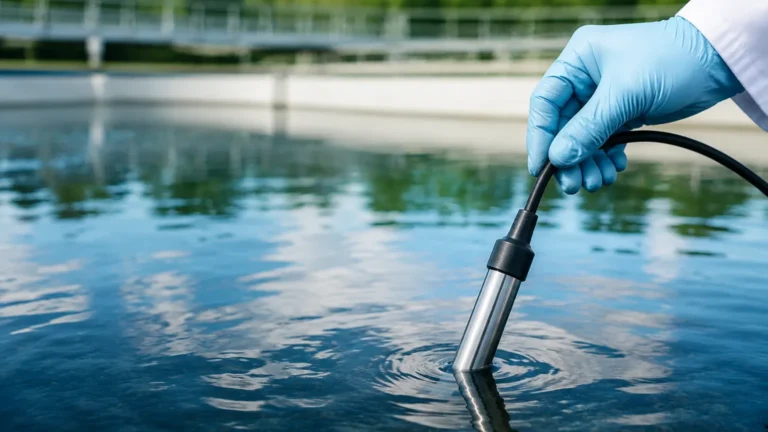
Proper placement of the DO probe is as important as the sensor technology itself. In large aeration basins or fermentation tanks, oxygen levels are rarely uniform.
Placement Considerations
* Representative Sampling: The sensor should be placed in an area where the liquid is well-mixed. Avoid "dead zones" near corners or directly behind baffles.
* Aerator Proximity: In wastewater aeration tanks, do not place the sensor directly above an air diffuser. The sensor will measure the air bubbles rather than the dissolved oxygen in the liquid, leading to a significant positive bias.
* Submergence Depth: The sensor should be submerged deep enough to avoid surface turbulence and atmospheric oxygen interference but high enough to avoid the sludge layer at the bottom of the tank. Typically, a depth of 1 to 2 meters is recommended depending on tank geometry.
Integration with Level Control
In many automated systems, DO analyzers work in tandem with level measurement instruments. For example, in a sequencing batch reactor (SBR), hydrostatic level transmitters or ultrasonic sensors monitor the tank level to trigger different phases of the treatment cycle. The DO analyzer then controls the blowers during the aeration phase. For comprehensive system design, engineers often review product options for level control at the Main Page to ensure that both chemical (DO) and physical (level) parameters are integrated into the SCADA system using compatible protocols like 4-20mA HART, Modbus, or Profibus.
Maintenance and Calibration Best Practices
To maintain accuracy, dissolved oxygen analyzers require regular calibration and preventative maintenance. The frequency depends heavily on the fouling potential of the process media.
Calibration Methods
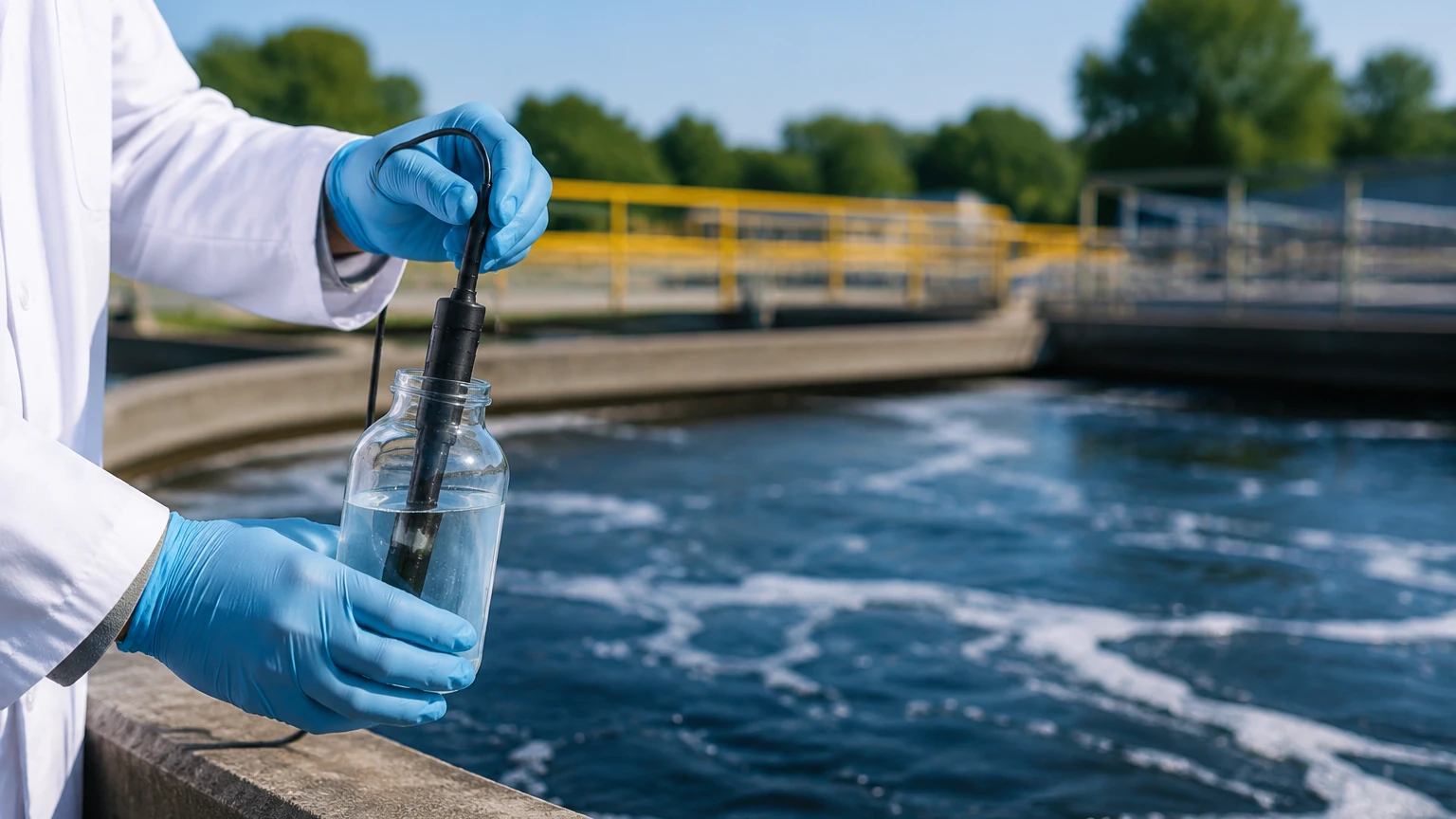
1. Air Calibration (Water-Saturated Air): This is the most common method. The sensor is held in the air just above the water surface. Since the concentration of oxygen in the air is constant (approximately 20.9%), and the air at the water surface is saturated with moisture, this provides a stable reference point.
2. Winkler Titration: For high-precision applications, a sample of the water is taken and analyzed using the Winkler chemical titration method. The analyzer is then adjusted to match the titration result.
3. Zero-Point Calibration: This is performed using an oxygen-free solution (such as sodium sulfite dissolved in water) to ensure the sensor reads zero in the absence of oxygen. This is particularly important for trace-level measurements.
Cleaning and Fouling Prevention
In wastewater applications, biological growth and mineral scaling on the sensor membrane or optical window are the primary causes of drift.
* Automated Cleaning: Many industrial DO analyzers can be equipped with compressed air or water spray systems that periodically blast the sensor head to remove debris.
* Manual Cleaning: Use a soft cloth or a dilute acid solution (for mineral scale) to clean the sensing area. Never use abrasive materials on an optical sensor cap or an electrochemical membrane.
Limitations and Operational Risks
While dissolved oxygen analyzers are robust, several factors can compromise their performance:
* Membrane Fragility: In electrochemical sensors, the thin Teflon or silicone membrane is easily punctured by sharp debris in the process flow. A damaged membrane allows electrolyte to leak out and process fluid to enter, destroying the sensor.
* Salinity Interference: Dissolved salts reduce the solubility of oxygen (the "salting-out" effect). If the process fluid has high or fluctuating salinity (e.g., in estuarine water or certain chemical brines), the analyzer must be manually or automatically compensated for the chloride concentration.
* Optical Cap Depletion: The luminophore in optical sensors eventually degrades due to exposure to intense light or chemical abrasion. These caps typically require replacement every 1 to 2 years.
Frequently Asked Questions
Q: How often should I calibrate my DO analyzer?
A: For optical sensors in clean water, calibration may only be needed every 3–6 months. For electrochemical sensors in wastewater, weekly or bi-weekly calibration is often necessary due to membrane fouling and electrolyte depletion.
Q: Can I use a DO analyzer in pressurized pipes?
A: Yes, but you must ensure the sensor is rated for the process pressure. Standard sensors are often rated up to 10 bar (145 psi). Sudden pressure drops should be avoided as they can cause outgassing and bubble formation on the sensor face.
Q: Why does my DO reading fluctuate during the day in an outdoor tank?
A: This is often due to temperature changes and biological activity. In tanks with algae or plant life, photosynthesis during daylight hours increases DO levels, while respiration at night consumes oxygen, leading to a diurnal cycle.
Q: What is the difference between % Saturation and mg/L?
A: % Saturation measures the partial pressure of oxygen relative to the maximum amount of oxygen that can be dissolved in water at that specific temperature and pressure. mg/L (or ppm) is the actual mass of oxygen per volume of liquid. For process control, mg/L is generally the preferred unit.
By carefully selecting the measurement principle and adhering to strict installation and maintenance protocols, industrial operators can ensure reliable dissolved oxygen monitoring. Whether managing a complex wastewater treatment plant or a sensitive chemical process, these analyzers are indispensable tools for maintaining environmental compliance and process efficiency.