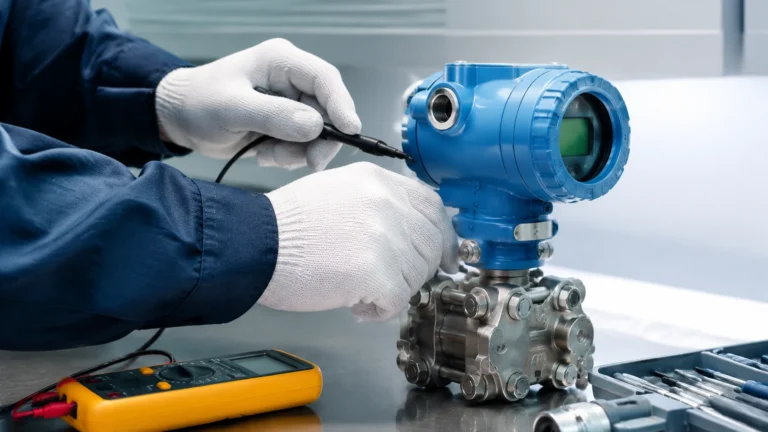
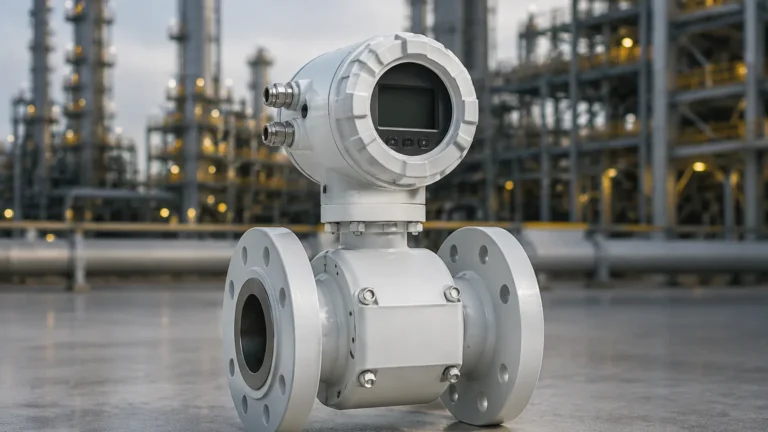
Vacuum Pressure Transmitter
Vacuum Pressure Transmitter
In the landscape of industrial automation and process control, the vacuum pressure transmitter serves as a critical diagnostic and control instrument. Unlike standard pressure sensors that measure positive force relative to atmospheric pressure, a vacuum pressure transmitter is specifically engineered to monitor pressures below atmospheric levels. These instruments are vital in industries ranging from chemical processing and pharmaceuticals to food packaging and semiconductor manufacturing, where maintaining a specific vacuum level is essential for product quality, safety, and process efficiency.
Understanding the nuances of vacuum measurement is the first step for any engineer or procurement specialist. This guide explores the fundamental principles, selection criteria, and practical application of vacuum pressure transmitters within modern industrial frameworks.
Measurement Principles of Vacuum Pressure Transmitters
To effectively select a vacuum pressure transmitter, one must first understand the physics of how these devices quantify "negative" pressure. In industrial terms, vacuum is generally measured in two ways: gauge vacuum and absolute pressure.
Gauge Vacuum vs. Absolute Pressure
1. Gauge Vacuum (Negative Gauge): This measurement is referenced against the current local atmospheric pressure. If the atmospheric pressure is 101.3 kPa, a vacuum of -50 kPa indicates a pressure 50 kPa below the ambient environment. This is common in simple pump monitoring or suction applications.
2. Absolute Pressure: This is referenced against a perfect vacuum (zero pressure). In high-precision scientific and industrial processes, absolute pressure transmitters are preferred because they are not affected by changes in barometric pressure caused by weather or altitude.
Sensing Technologies
Most modern vacuum pressure transmitters utilize one of three primary sensing technologies:
* Piezoresistive Silicon Sensors: These sensors use a micro-machined silicon diaphragm with integrated strain gauges. When vacuum is applied, the diaphragm deflects, changing the electrical resistance. These are highly sensitive and ideal for low to mid-range vacuum applications.
* Ceramic Capacitive Sensors: These feature a ceramic diaphragm that forms one plate of a capacitor. As vacuum pulls the diaphragm, the capacitance changes. Ceramic is highly resistant to corrosive chemicals and mechanical wear, making these transmitters suitable for harsh environments.
* Metal Thin-Film Sensors: These involve sputtering a thin film of metal onto a stainless steel diaphragm. They are exceptionally stable and robust, often used in high-pressure applications that occasionally require vacuum monitoring (compound ranges).
Key Evaluation Criteria for Industrial Selection
Selecting the right vacuum pressure transmitter requires a balance between technical specifications and the environmental realities of the plant. When evaluating options on the Main Page of a manufacturer's catalog, consider the following parameters:
1. Measurement Range and Overpressure
The range must cover the deepest vacuum expected in the process (e.g., 0 to -100 kPa or 0 to 1000 mbar absolute). However, it is equally important to check the "overpressure" rating. If a system is cleaned with pressurized steam or air, the vacuum transmitter must be able to withstand positive pressure without losing calibration or suffering diaphragm rupture.
2. Media Compatibility
The wetted materials—those parts of the transmitter in direct contact with the process fluid or gas—must be chemically compatible. While 316L stainless steel is the industry standard, highly corrosive chemical vapors may require Hastelloy, Monel, or specialized ceramic diaphragms.
3. Accuracy and Long-term Stability
In vacuum distillation or semiconductor thin-film deposition, even a 0.5% deviation can ruin a batch. Look for transmitters with high accuracy (typically 0.1% to 0.25% of span) and low annual drift. Temperature compensation is also vital, as vacuum processes often involve significant thermal shifts.
4. Output Signals and Integration
Standard industrial transmitters provide a 4-20 mA analog output, often with HART (Highway Addressable Remote Transducer) protocol for digital communication. For modern "Smart Factories," Modbus RS485 or Profibus options allow for easier integration into PLC and SCADA systems.
Comparison of Vacuum Sensing Technologies
The following table provides a quick reference for comparing the most common types of vacuum pressure transmitters used in industrial level and process control.
| Technology | Typical Range | Pros | Cons | Best For |
| :— | :— | :— | :— | :— |
| Piezoresistive | -1 to 0 bar | High sensitivity, compact size | Sensitive to temp changes | General industrial suction, HVAC |
| Ceramic Capacitive | 0 to 50 mbar (Abs) | Excellent chemical resistance | Larger footprint | Corrosive chemical vapors, food |
| Thin-Film | Compound ranges | Very robust, high vibration resistance | Lower sensitivity at high vacuum | Hydraulic systems, heavy machinery |
| Pirani (Thermal) | High vacuum (10^-3 mbar) | Measures very deep vacuum | Gas dependent calibration | Laboratory, semiconductor |
Installation Guidelines and Best Practices
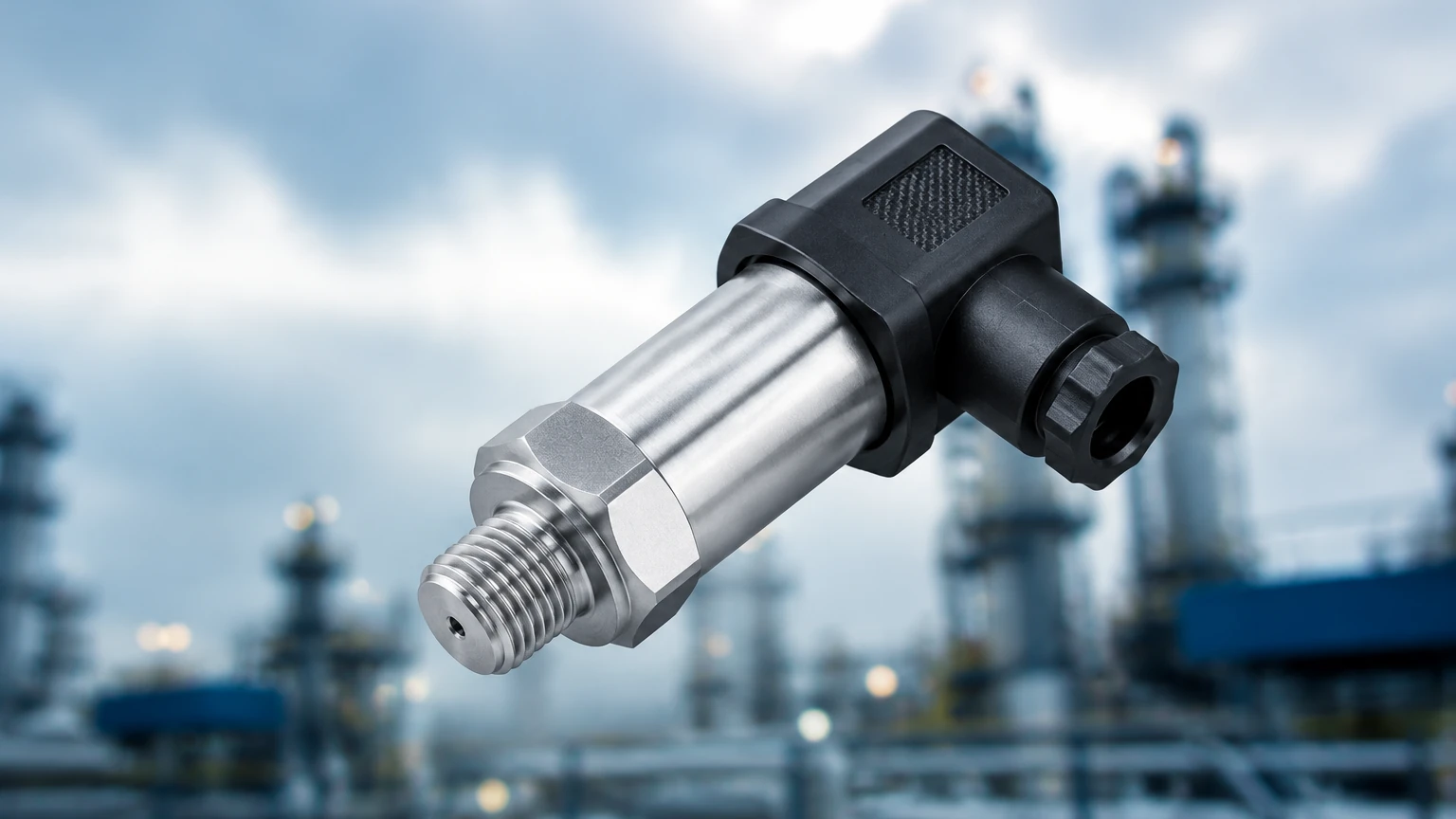
The performance of a vacuum pressure transmitter is heavily dependent on how it is installed. Vacuum systems are notoriously sensitive to leaks and environmental interference.
Orientation and Mounting
Whenever possible, mount the transmitter with the pressure port facing downwards. This prevents condensate, oils, or particulates from settling on the diaphragm, which could lead to measurement errors or sensor failure. If the process involves heavy vibration, use a remote mounting bracket and a capillary tube to isolate the sensor.
Sealing and Leak Prevention
In vacuum applications, the primary goal of the fitting is to keep air *out*. Use high-quality NPT or G-thread connections with appropriate sealants (like PTFE tape or specialized vacuum grease). For high-vacuum applications, KF (Klein Flange) or ISO flanges are preferred over threaded connections to ensure a hermetic seal.
Electrical Considerations
Ensure the transmitter is properly grounded to prevent electrical noise from interfering with the low-voltage signal. In hazardous areas (explosive dust or gas), always use intrinsically safe (IS) or explosion-proof rated transmitters with appropriate barriers.
Common Risks and Operational Limitations
Engineers should be aware of specific risks that can compromise vacuum measurement accuracy:
* Outgassing: In high-vacuum systems, the materials of the transmitter itself (seals, adhesives) can release trapped gases, artificially raising the pressure reading and contaminating the process.
* Zero Drift: Vacuum sensors are susceptible to "zero shift" over time. Regular calibration against a known reference is necessary to maintain accuracy, especially in gauge vacuum applications where atmospheric pressure changes daily.
* Condensation: If the process gas cools as it enters the transmitter port, it may condense into a liquid. This liquid can create a "slug" that blocks the diaphragm or causes a pressure head error. Heat tracing or the use of siphons can mitigate this.
Frequently Asked Questions (FAQ)
Q: Can a standard pressure transmitter be used for vacuum?
A: Only if it is rated for a "compound" or "vacuum" range. Standard positive-pressure-only transmitters may have internal stops or software limits that prevent them from reading below zero, and their diaphragms may not be designed to handle the "pulling" force of a vacuum.
Q: What is the difference between mbar and Torr in vacuum measurement?
A: These are different units of pressure. 1 mbar is approximately 0.75 Torr (or mmHg). Most modern transmitters can be scaled to either unit via the display or HART communication.
Q: How often should a vacuum pressure transmitter be calibrated?
A: For most industrial applications, an annual calibration is sufficient. However, in highly regulated industries like pharmaceuticals, semi-annual or even quarterly checks may be required.
Q: Does altitude affect vacuum transmitters?
A: It affects Gauge Vacuum transmitters because the reference (atmospheric pressure) is lower at higher altitudes. It does not affect Absolute Pressure transmitters, which are referenced to a sealed internal vacuum.
Conclusion and Next Steps
Choosing a vacuum pressure transmitter is a technical decision that impacts the reliability of the entire process loop. By understanding the underlying measurement principles—whether piezoresistive or capacitive—and accounting for factors like media compatibility and installation orientation, engineers can ensure long-term stability and accuracy.
For those looking to integrate these sensors into broader level control systems or industrial automation frameworks, it is essential to partner with a manufacturer that provides comprehensive technical data. To Review product options and application support, visit our main site where you can find detailed specifications for radar, ultrasonic, and pressure-based measurement solutions tailored to your specific industry needs. Ensuring you have the correct data before purchase is the best way to prevent costly downtime and process inefficiencies.