Vapour Pressure Sensor
Vapour Pressure Sensor
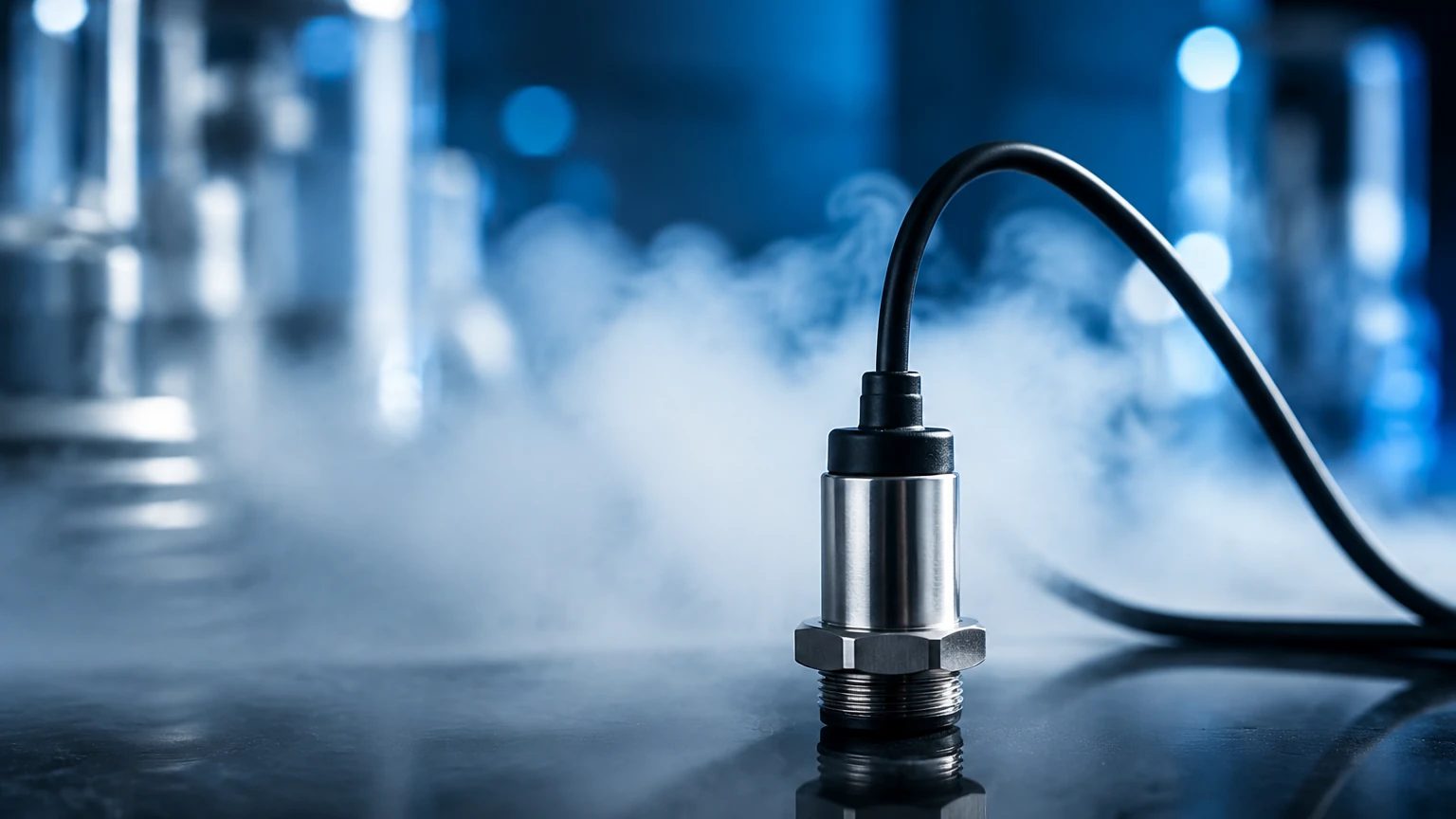
In the landscape of industrial process control, the measurement of vapour pressure is a fundamental requirement for ensuring safety, efficiency, and accuracy in storage and transport. A vapour pressure sensor is a specialized instrument designed to monitor the pressure exerted by a vapour in thermodynamic equilibrium with its condensed phases (solid or liquid) at a given temperature in a closed system. For engineers and plant managers, understanding the nuances of these sensors is critical, particularly when they are integrated into complex level measurement systems in the chemical, oil and gas, and water treatment sectors.
Measurement Principles of Vapour Pressure
Before selecting a vapour pressure sensor, it is essential to understand the physical principles that govern its operation. Vapour pressure is highly temperature-dependent; as the temperature of a liquid increases, the kinetic energy of its molecules also increases, leading to a higher rate of evaporation and, consequently, higher vapour pressure. This relationship is often described by the Clausius-Clapeyron equation.
Industrial sensors typically employ one of the following mechanical-to-electrical conversion principles to quantify this pressure:
Piezoresistive Sensing
This is one of the most common technologies. The sensor contains a silicon diaphragm with integrated resistors. When vapour pressure deforms the diaphragm, the resistance changes (the piezoresistive effect). This change is converted into a standard industrial signal, such as 4-20mA or a digital output via HART or RS485. These sensors are valued for their high sensitivity and compact size.
Capacitive Sensing
In a capacitive vapour pressure sensor, a diaphragm acts as one plate of a capacitor. As pressure changes, the diaphragm moves, altering the distance between the plates and changing the capacitance. This technology is exceptionally robust and resistant to overpressure, making it ideal for volatile environments where pressure spikes may occur.
Strain Gauge Technology
Similar to piezoresistive sensors, strain gauges are bonded to a diaphragm. As the diaphragm flexes under vapour pressure, the strain gauge stretches or compresses, changing its electrical resistance. This is often used in heavy-duty applications where high durability is required.
The Role of Vapour Pressure in Level Measurement
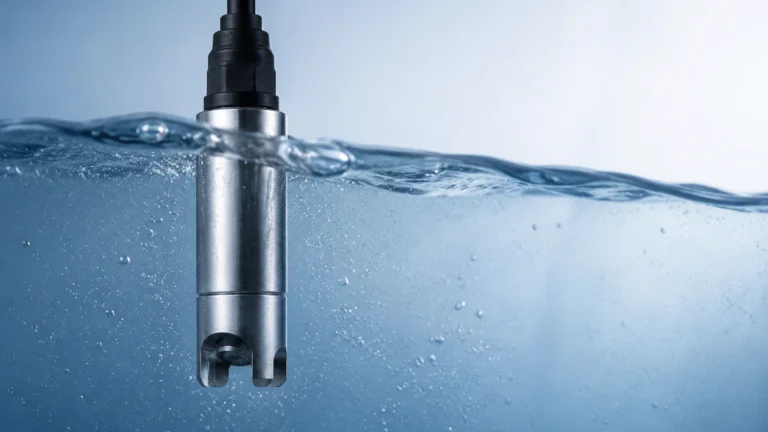
In many B2B industrial applications, a vapour pressure sensor does not work in isolation. It is frequently a critical component of a hydrostatic level measurement system. When measuring the level of a liquid in a sealed tank, the total pressure measured at the bottom of the tank is the sum of the hydrostatic pressure (liquid column) and the vapour pressure (the "blanket" of gas above the liquid).
To calculate the accurate liquid level, the vapour pressure must be subtracted from the total bottom pressure. This is achieved using a differential pressure (DP) transmitter or by using a separate vapour pressure sensor at the top of the tank to provide a compensation value. Without this compensation, fluctuations in vapour pressure—caused by temperature changes or chemical reactions—would be misinterpreted as changes in liquid level, leading to significant process errors.
For comprehensive solutions in both pressure and level monitoring, engineers often consult the Main Page of specialized manufacturers to find integrated systems that handle these calculations automatically.
Key Evaluation Criteria for Selection
Selecting the right vapour pressure sensor requires a detailed analysis of the process environment. The following table provides a breakdown of the primary factors to consider:
| Criteria | Description | Importance |
| :— | :— | :— |
| Pressure Range | The maximum and minimum expected vapour pressure in the vessel. | Critical for preventing sensor damage or inaccuracy. |
| Temperature Range | The operating temperature of the vapour. | High temperatures may require remote seals or cooling elements. |
| Chemical Compatibility | The material of the sensing diaphragm (e.g., 316L SS, Hastelloy, Tantalum). | Prevents corrosion and premature sensor failure. |
| Accuracy/Precision | The allowable margin of error (e.g., 0.075% of span). | Essential for high-value custody transfer or volatile chemical storage. |
| Output Signal | 4-20mA, HART, Modbus, or Foundation Fieldbus. | Ensures compatibility with existing PLC or SCADA systems. |
| Certifications | ATEX, IECEx, or SIL2/3 ratings. | Required for hazardous areas or safety-instrumented systems. |
Practical Installation Considerations
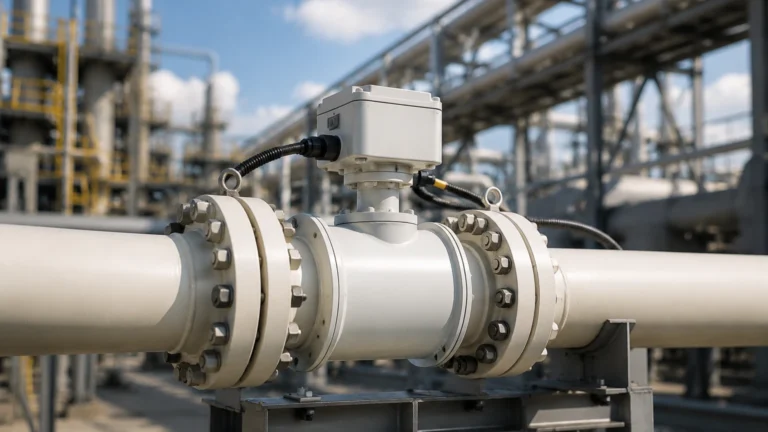
The reliability of a vapour pressure sensor is often determined by its installation. Incorrect mounting can lead to "pressure lag" or damage to the sensing element.
1. Mounting Position: Sensors should be mounted at the top of the vessel or in the gas phase. If the sensor is mounted on a pipe, it should be placed in a position where liquid condensate cannot accumulate on the diaphragm, as this would add a false head pressure to the reading.
2. Impulse Lines: If the sensor is located away from the process connection, impulse lines are used. For vapour measurement, these lines should be sloped back toward the process to allow any condensed liquid to drain back into the tank.
3. Siphons and Cooling: In steam applications or high-temperature vapours, a pigtail siphon or a cooling tower should be installed to protect the electronics from thermal damage.
4. Isolation Valves: Always include a block-and-bleed valve assembly. This allows the sensor to be isolated for calibration or replacement without depressurizing the entire system.
Limitations and Common Risks
While modern vapour pressure sensors are highly accurate, they are not without limitations. Engineers must be aware of the following risks:
* Condensation: If the vapour reaches its dew point on the sensor diaphragm, the resulting liquid film can cause measurement drift or, in extreme cases, physical damage if the liquid freezes.
* Overpressure: Rapid process changes can lead to pressure surges that exceed the sensor's proof pressure. Selecting a sensor with a high overpressure rating (often 2x to 10x the operating range) is a common mitigation strategy.
* Permeation: In applications involving hydrogen or other small-molecule gases, the gas can permeate through metal diaphragms, leading to internal sensor failure. Gold-plated diaphragms are often recommended for these specific scenarios.
Comparison of Sensor Types for Vapour Applications
| Sensor Type | Best Use Case | Limitation |
| :— | :— | :— |
| Absolute Pressure | Vacuum systems, low-pressure gas storage. | Affected by changes in atmospheric pressure. |
| Gauge Pressure | Vented tanks, general industrial air lines. | Not suitable for sealed systems where atmospheric reference is lost. |
| Differential Pressure | Sealed tank level measurement, filter monitoring. | More complex installation (two process connections). |
| Remote Seal Sensor | Corrosive vapours, high-temperature media. | Higher cost and slightly lower response time. |
Frequently Asked Questions (FAQs)
Q1: What is the difference between a standard pressure transmitter and a vapour pressure sensor?
Technically, they use similar sensing elements. However, a sensor designated for vapour pressure is often optimized for gas-phase compatibility, featuring materials that resist gas permeation and configurations that prevent liquid accumulation on the diaphragm.
Q2: How often should a vapour pressure sensor be calibrated?
In standard industrial applications, annual calibration is recommended. However, in critical safety applications or highly corrosive environments, semi-annual checks may be necessary to ensure the sensor has not drifted due to diaphragm degradation.
Q3: Can a vapour pressure sensor measure vacuum?
Yes, many absolute pressure sensors are designed to measure from 0 bar (absolute) upwards, allowing them to monitor both vacuum and positive vapour pressure seamlessly.
Q4: How does temperature compensation work in these sensors?
Most modern sensors include an internal temperature probe. The onboard microprocessor uses this data to correct for the thermal expansion of the sensing element and the fill fluid (if using a remote seal), ensuring a stable output across the rated temperature range.
Summary of Best Practices for Industry Professionals
When integrating vapour pressure sensors into your facility, always prioritize the material compatibility of the wetted parts. For instance, in water treatment applications involving chlorine vapour, standard stainless steel may fail, requiring specialized alloys. Furthermore, when using these sensors for level calculation in sealed vessels, ensure that the integration logic in your control system accounts for the specific gravity of the liquid, which may also change with temperature.
For detailed technical specifications and to explore a variety of measurement technologies tailored to specific industrial needs, visit the Main Page for expert guidance and product selection. By following a rigorous selection and installation process, organizations can minimize downtime and ensure the long-term accuracy of their process monitoring systems.