Volumetric Meter
Volumetric Meter
In industrial process control, the precise measurement of fluid quantity is a fundamental requirement for inventory management, billing, and process optimization. A volumetric meter is a specialized instrument designed to measure the volume of a fluid—liquid or gas—passing through a specific point in a system over time. Unlike mass flow meters, which measure the weight of the substance, a volumetric meter focuses on the space the fluid occupies.
For engineers and plant managers, understanding the mechanics, selection criteria, and integration of these devices is essential for maintaining system efficiency. This guide explores the technical foundations of volumetric measurement and provides practical advice for selecting and installing these instruments within industrial frameworks. For those seeking a comprehensive overview of available measurement technologies, visiting the Main Page of a professional manufacturer provides a broader context for equipment selection.
Principles of Volumetric Measurement
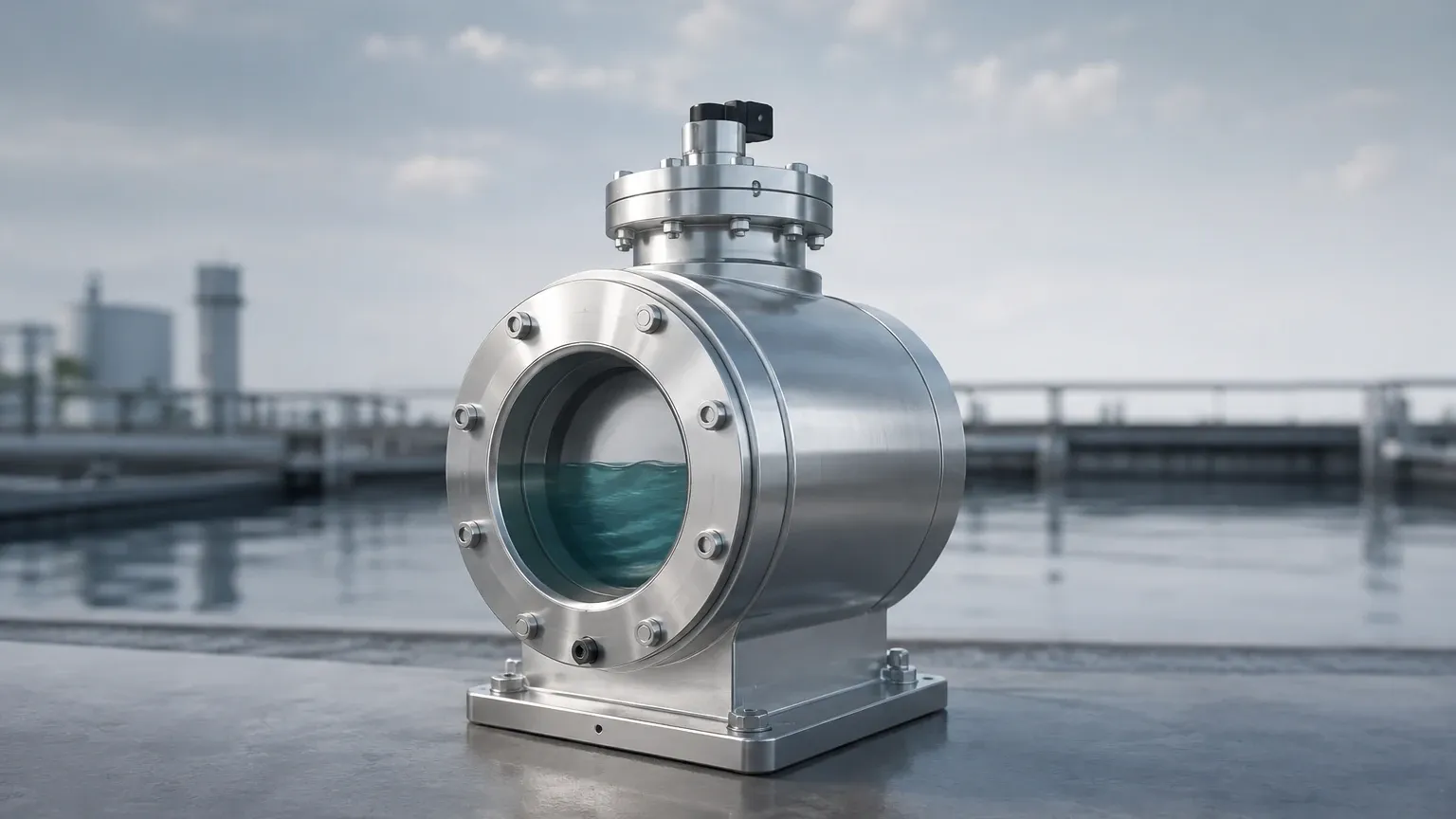
The primary principle behind most volumetric meters, particularly Positive Displacement (PD) meters, is the mechanical isolation of fluid into discrete, known volumes. As the fluid flows through the meter, it forces a mechanical component—such as a gear, piston, or disc—to move. Each movement cycle corresponds to a specific volume of fluid being displaced from the inlet to the outlet.
The Mechanical Cycle
The meter consists of a measurement chamber and a moving element. The fluid enters the chamber and, due to the pressure differential between the inlet and outlet, drives the internal mechanism. Because the internal tolerances are extremely tight, the amount of fluid that can "leak" or slip past the mechanism is minimized. The number of cycles (rotations or oscillations) is counted and converted into a total volume reading.
K-Factor and Calibration
Every volumetric meter is characterized by a "K-factor," which represents the number of pulses or cycles per unit of volume (e.g., pulses per liter). While this factor is theoretically constant based on the chamber's geometry, factors such as fluid viscosity and temperature can cause slight variations. Periodic calibration against a master meter or a prover is necessary to ensure the instrument maintains its specified accuracy.
Common Types of Volumetric Meters in Industrial Applications
There is no single volumetric meter suitable for every application. The choice depends heavily on the fluid's properties, including viscosity, corrosivity, and the presence of particulates.
1. Oval Gear Meters
These meters utilize two interlocking oval-shaped gears. As fluid flows, it rotates the gears, trapping a specific volume of fluid in the gap between the gear and the housing. They are exceptionally accurate and are preferred for high-viscosity fluids like oils, syrups, and chemicals.
2. Nutating Disc Meters
Commonly used for water metering, these feature a disc attached to a sphere. The disc "wobbles" (nutates) as fluid passes through, with each nutation representing a fixed volume. They are robust and can handle small amounts of suspended solids better than gear meters.
3. Oscillating Piston Meters
In this design, a piston moves in a circular path within a cylindrical chamber. The piston is the only moving part in contact with the fluid, making it reliable for chemical dosing and food-grade applications where hygiene and simplicity are required.
4. Diaphragm Meters
Primarily used for gas measurement, these meters use flexible diaphragms that expand and contract as gas flows through. Internal valves control the filling and emptying of the diaphragm chambers, and the motion is linked to a counter.
Selection Criteria for Process Engineers
Selecting the correct volumetric meter requires a detailed analysis of the process environment. The following table provides a comparison of common technologies based on typical industrial requirements.
| Meter Type | Typical Accuracy | Viscosity Handling | Common Applications |
| :— | :— | :— | :— |
| Oval Gear | ±0.5% | High (up to 1,000,000 cP) | Fuel oil, lubricants, chemicals |
| Nutating Disc | ±1.0% to 2.0% | Low to Medium | Residential water, light industrial |
| Oscillating Piston | ±0.5% | Medium | Food processing, chemical batching |
| Helical Gear | ±0.2% to 0.5% | Very High | Resins, polymers, heavy crude |
| Diaphragm | ±1.0% | Gas only | Natural gas billing, utility monitoring |
Key Evaluation Factors:
* Fluid Viscosity: Positive displacement meters often perform better as viscosity increases because the "slip" (fluid bypassing the internal mechanism) decreases. For very thin fluids, ensure the meter is rated for low-viscosity service.
* Chemical Compatibility: The housing and internal moving parts must be compatible with the process fluid. Common materials include 316 Stainless Steel, Aluminum, and specialized plastics like PTFE.
* Pressure and Temperature: Industrial processes often operate at high pressures (e.g., >40 bar) or temperatures (e.g., >120°C). Ensure the meter's seals and mechanical tolerances are rated for these extremes.
* Flow Range (Turndown Ratio): This is the ratio between the maximum and minimum flow rates the meter can accurately measure. A 10:1 ratio is common, but some high-end gear meters can achieve 100:1.
Installation and Maintenance Best Practices
To ensure a volumetric meter operates within its specified accuracy limits, proper installation is mandatory. Unlike velocity-based meters (like ultrasonic or turbine meters), PD meters are less sensitive to flow profile distortions, but they have other specific requirements.
Filtration and Protection
Because volumetric meters rely on tight mechanical clearances, they are highly susceptible to damage from particulates. A strainer or filter should always be installed upstream of the meter. For example, a 100-mesh (150-micron) strainer is often recommended for gear meters to prevent jamming or scoring of the internal surfaces.
Orientation and Piping
While many PD meters can be installed in any orientation, it is generally best to install them in a horizontal pipe run with the register or sensor facing upward. This prevents air pockets from being trapped in the chamber, which would cause the meter to over-read (measuring air as fluid).
Maintenance Cycles
Moving parts eventually wear. In abrasive or non-lubricating fluids, the internal clearances will widen over time, leading to increased slip and reduced accuracy. Maintenance programs should include:
* Visual Inspections: Checking for leaks at the seals or gaskets.
* Strainer Cleaning: Regularly clearing debris from upstream filters.
* Recalibration: Comparing the meter against a reference standard every 12 to 24 months, depending on the criticality of the measurement.
Integrating Volumetric Data with Level Measurement Systems
In many industrial setups, a volumetric meter is used in conjunction with level measurement instruments. While the meter tracks fluid in motion, level sensors (such as radar, ultrasonic, or hydrostatic transmitters) track the static volume within a tank or vessel.
Volume-to-Level Correlation
In a perfectly cylindrical vertical tank, the relationship between level and volume is linear. However, in horizontal tanks or vessels with conical bottoms, the relationship is non-linear. A volumetric meter can be used to "strap" or calibrate a level sensor by measuring the exact amount of fluid added to a tank and recording the corresponding level increase. This creates a highly accurate strapping table for the tank's automation system.
Mass Balance and Leak Detection
By comparing the data from an inlet volumetric meter with the changes in level measured by a high-precision radar level sensor, operators can perform mass balance calculations. If the meter shows 1,000 liters (approx. 264 gallons) have entered the tank, but the level sensor only shows an increase of 950 liters (approx. 251 gallons), it may indicate a leak, significant evaporation, or a calibration error in one of the instruments.
Limitations and Operational Constraints
Despite their high accuracy and reliability, volumetric meters have specific limitations that must be managed:
* Pressure Drop: Because the fluid must physically move a mechanical component, there is an inherent loss of energy, resulting in a pressure drop across the meter. This must be accounted for in the pump sizing and system hydraulic calculations.
* Air Entrainment: Volumetric meters cannot distinguish between liquid and gas. If air bubbles are present in a liquid line, the meter will count them as liquid volume, leading to significant errors. Air eliminators are often required in loading/unloading applications.
* Mechanical Wear: The presence of moving parts means these meters have a finite lifespan compared to non-intrusive technologies like magnetic or ultrasonic meters. They are not suitable for slurries or fluids with high solids content.
Frequently Asked Questions (FAQ)
Q: Can a volumetric meter measure steam?
A: Standard mechanical volumetric meters (like gear or disc meters) are generally not used for steam due to high temperatures and the gas phase. Specialized vortex or differential pressure meters are typically used for steam volume measurement.
Q: How does temperature affect volumetric measurement?
A: Liquids expand and contract with temperature. A volumetric meter measures the "actual" volume at the operating temperature. For billing or scientific purposes, this is often converted to "standard" volume (e.g., at 15°C or 60°F) using a temperature compensation probe and a flow computer.
Q: What is the difference between a volumetric meter and a flow meter?
A: A volumetric meter is a type of flow meter. While "flow meter" is a broad category including velocity, mass, and volume measurement, a volumetric meter specifically quantifies the space occupied by the fluid.
Q: Do I need straight pipe runs before and after a volumetric meter?
A: Generally, no. Positive displacement volumetric meters are relatively unaffected by flow profile disturbances (swirl or turbulence), so they do not require the long straight pipe runs (e.g., 10 diameters upstream) that turbine or ultrasonic meters require. However, always consult the manufacturer's specific installation manual.
Conclusion
The volumetric meter remains a cornerstone of industrial fluid measurement due to its high accuracy, especially in high-viscosity applications where other technologies fail. By understanding the mechanical principles and the specific needs of the process fluid—such as viscosity, temperature, and cleanliness—engineers can implement measurement solutions that provide long-term reliability. For further technical specifications and to explore a wide range of industrial measurement instruments, please refer to the Main Page for expert guidance and product support.