Wastewater Metering
Wastewater Metering
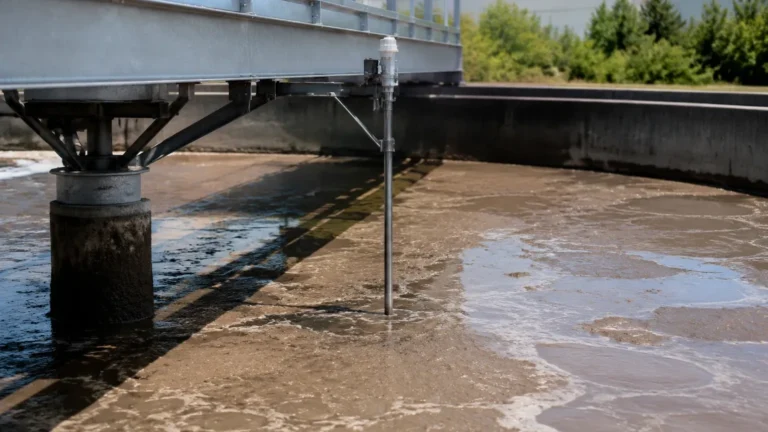
In industrial and municipal water management, wastewater metering serves as the foundation for process control, environmental compliance, and cost management. Unlike clean water applications, wastewater environments present unique challenges, including corrosive gases, floating debris, foam, and varying chemical compositions. Selecting the appropriate instrumentation requires a deep understanding of measurement principles and the specific physical constraints of the installation site.
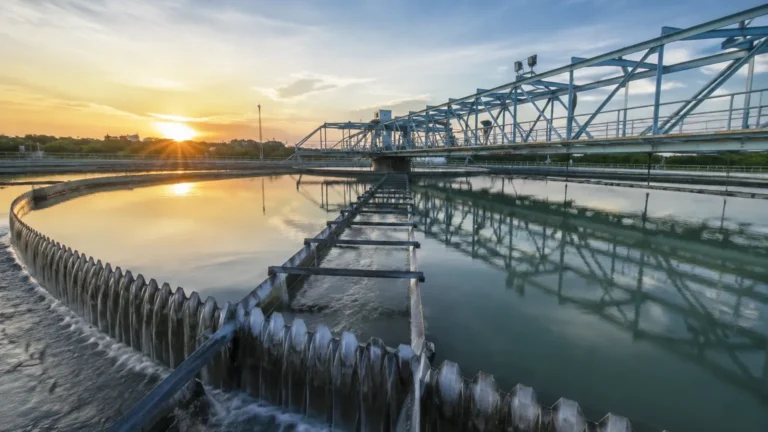
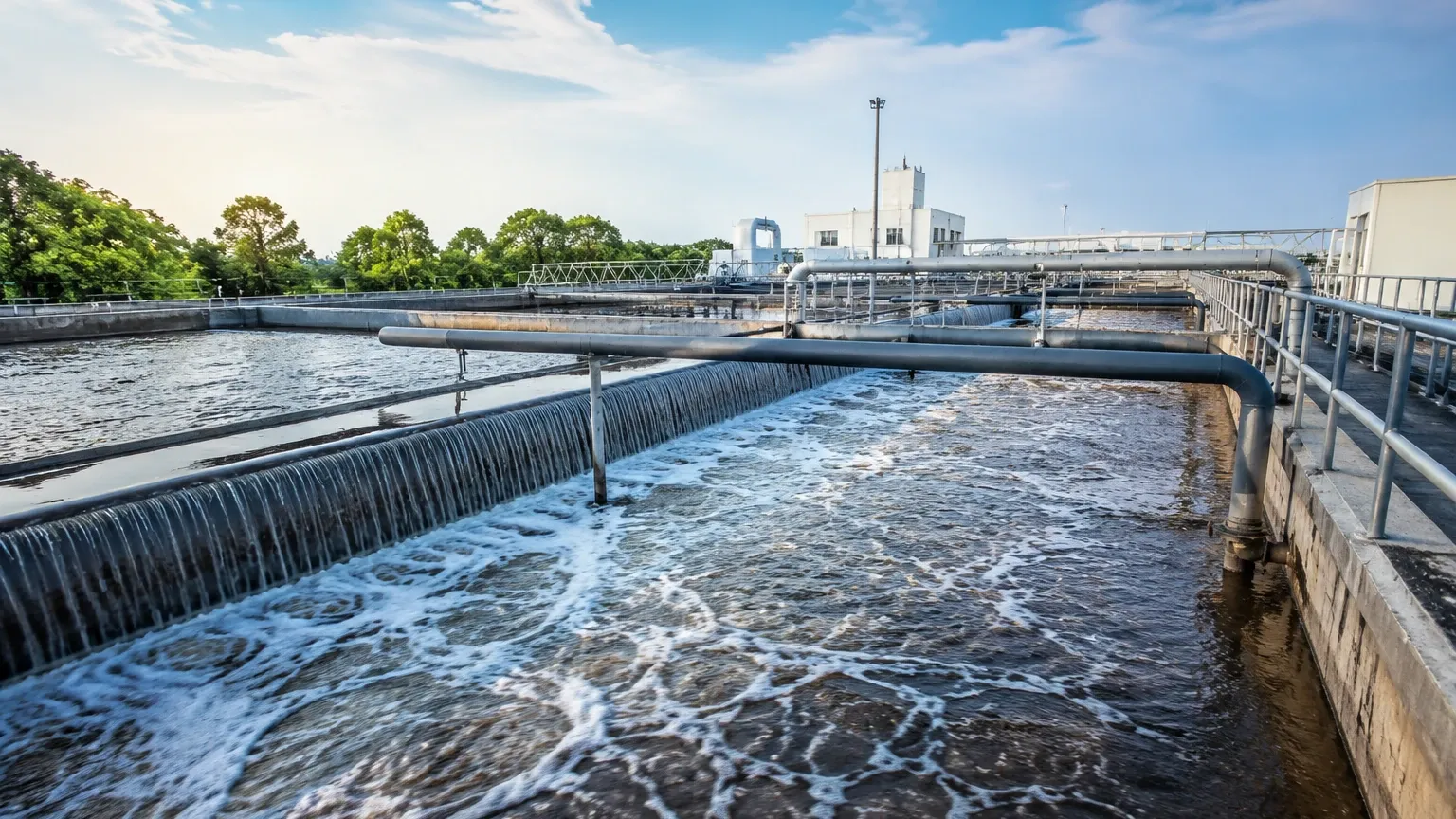
Effective wastewater metering typically involves monitoring levels in sumps, lift stations, open channels, and treatment tanks. By accurately measuring these levels, operators can calculate flow rates, prevent overflows, and optimize the dosing of treatment chemicals. As a professional manufacturer, Welk provides a range of instruments designed to withstand these rigorous conditions, ensuring long-term reliability for global industrial automation and water treatment sectors.
Core Principles of Level Measurement in Wastewater
Before selecting a specific instrument, it is essential to understand the physics behind the most common measurement technologies used in wastewater metering.
1. Ultrasonic Time-of-Flight
Ultrasonic sensors function by emitting high-frequency sound pulses from a transducer. These pulses travel through the air, reflect off the liquid surface, and return to the sensor. The device calculates the distance based on the time taken for the pulse to return ($d = (v \times t) / 2$, where $v$ is the speed of sound).
In wastewater applications, ultrasonic technology is favored for its non-contact nature, which prevents sensor fouling. However, because sound speed is affected by air temperature, integrated temperature compensation is required for accuracy.
2. Radar (Microwave) Technology
Radar level meters operate on a similar time-of-flight principle but use electromagnetic waves instead of sound. These waves travel at the speed of light and are largely unaffected by air temperature, pressure, or the presence of vapors and dust. Radar is particularly effective in wastewater tanks where heavy foam or steam might dissipate ultrasonic signals.
3. Hydrostatic Pressure
Hydrostatic level transmitters measure the pressure exerted by the liquid column above the sensor. Based on the formula $P = \rho gh$ (where $P$ is pressure, $\rho$ is liquid density, $g$ is gravity, and $h$ is height), the sensor converts the pressure reading into a level measurement. This contact-based method is highly effective in deep wells or lift stations where surface turbulence might interfere with top-down non-contact sensors.
Technology Selection for Wastewater Applications
Choosing the right tool for wastewater metering depends on the specific characteristics of the media and the physical layout of the facility. The following table provides a comparison of the primary technologies utilized in the industry.
Selection Comparison Table
| Feature | Ultrasonic Sensors | Radar Level Meters | Hydrostatic Transmitters |
| :— | :— | :— | :— |
| Measurement Type | Non-contact | Non-contact | Contact (Submerged) |
| Primary Advantage | Cost-effective, easy install | High accuracy, foam resistant | Ideal for deep, narrow wells |
| Limitations | Affected by foam and wind | Higher initial investment | Sensitive to density changes |
| Typical Accuracy | ±0.25% to ±0.5% of range | ±2mm to ±5mm | ±0.1% to ±0.5% FS |
| Maintenance | Low (occasional cleaning) | Very Low | Moderate (diaphragm checks) |
| Common Use Case | Open channel flow, sumps | Process tanks, sludge tanks | Lift stations, wet wells |
For engineers looking to integrate these technologies into broader automation systems, reviewing specialized product options on the Main Page can help identify the specific model required for unique chemical or temperature requirements.
Practical Engineering Considerations
Dealing with Foam and Turbulence
Foam is a frequent byproduct of aeration and chemical treatment in wastewater. Ultrasonic waves are often absorbed by foam, leading to a loss of signal (or "lost echo"). In such environments, high-frequency radar (such as 80GHz systems) is recommended because the shorter wavelength can better penetrate the foam to reach the actual liquid surface.
Turbulence caused by mixers or high-velocity inflow can also create erratic readings. For non-contact sensors, software algorithms (false echo suppression) can filter out these disturbances. For hydrostatic sensors, a stilling well or a protective cage is often used to stabilize the sensor and prevent mechanical damage from moving debris.
Chemical Compatibility and Corrosion
Wastewater often contains hydrogen sulfide ($H_2S$), which reacts with moisture to form sulfuric acid. This environment is highly corrosive to standard metals. When selecting instruments for wastewater metering, specify materials such as PVDF, PTFE (Teflon), or high-grade 316L stainless steel for wetted parts. Submersible cables for hydrostatic sensors should be made of durable materials like PUR (Polyurethane) or FEP to prevent degradation.
Installation Guidelines for Accurate Metering
Proper installation is as critical as the technology choice itself. Failure to follow geometric constraints can lead to significant measurement errors.
1. Blocking Distance (Dead Zone): Every non-contact sensor has a "dead zone" directly beneath the transducer where measurements are impossible. Ensure the sensor is mounted high enough so the maximum expected liquid level never enters this zone. For a typical ultrasonic sensor, this might be 0.25m to 0.5m (10" to 20").
2. Beam Angle and Obstructions: The measurement beam spreads as it travels. Ensure there are no ladders, pipes, or brackets within the beam's path. If obstructions are unavoidable, use the instrument’s "echo mapping" feature to program the sensor to ignore these fixed reflections.
3. Mounting Position: Sensors should be mounted perpendicular to the liquid surface. In open channels, the sensor should be placed at a specific distance upstream from the flume or weir (usually 3 to 4 times the maximum head height) to ensure a stable level reading for flow calculations.
4. Submersible Sensor Placement: Hydrostatic sensors should not rest directly on the bottom of a tank where silt and sludge can accumulate and clog the diaphragm. Suspend the sensor approximately 100mm to 200mm (4" to 8") above the floor.
Limitations and Risk Management
While modern instrumentation is robust, certain risks remain in wastewater metering:
* Build-up: Fats, oils, and grease (FOG) can accumulate on sensors. Non-contact sensors are less susceptible, but if the transducer face becomes coated, signal strength will drop. Regular inspection cycles are necessary.
* Condensation: In humid wastewater environments, droplets can form on the sensor face. Some Welk ultrasonic sensors feature a self-cleaning or "drip-off" design to minimize the impact of condensation on the signal.
* Power Surges: Wastewater plants are often spread over large areas and are prone to lightning strikes or power surges. Ensure all level transmitters are equipped with appropriate surge protection and are properly grounded.
Frequently Asked Questions (FAQ)
Q: Can I use an ultrasonic sensor for wastewater with heavy foam?
A: It is generally not recommended. Heavy, thick foam absorbs ultrasonic sound waves. A radar level meter or a hydrostatic pressure transmitter is a more reliable choice for foamy applications.
Q: How often should I calibrate my wastewater level meters?
A: For most municipal applications, an annual calibration check is standard. However, in aggressive industrial wastewater environments with high solids content, quarterly inspections are advised to check for sensor build-up and drift.
Q: Does the density of the wastewater affect the reading?
A: Density affects hydrostatic pressure sensors. If the concentration of solids significantly changes the density of the fluid, the level reading will shift. Ultrasonic and radar sensors are independent of density and are preferred if the fluid composition varies widely.
Q: What is the benefit of 80GHz radar in wastewater metering?
A: 80GHz radar offers a much narrower beam angle compared to traditional 26GHz radar. This allows for easier installation in narrow wet wells or tanks with internal piping, as the beam is less likely to hit the walls or obstructions.
Conclusion
Successful wastewater metering requires a balance between technology capability and environmental constraints. By understanding the principles of ultrasonic, radar, and hydrostatic measurement, engineers can select the most cost-effective and reliable solution for their specific infrastructure. Whether managing a simple lift station or a complex industrial treatment plant, the goal remains the same: accurate, repeatable data that ensures operational safety and environmental stewardship. For detailed technical specifications and customized OEM solutions, visiting the Main Page provides access to a comprehensive suite of industrial level measurement tools designed for the world's most demanding water applications.