Wastewater Ph Probe
Wastewater Ph Probe
In industrial and municipal water treatment, the wastewater ph probe is a critical component for ensuring process efficiency, regulatory compliance, and equipment protection. Monitoring pH levels—the measure of acidity or alkalinity in a liquid—allows engineers to manage chemical neutralization, biological treatment processes, and the safe discharge of effluent into the environment.
Because wastewater often contains suspended solids, fats, oils, greases (FOG), and aggressive chemicals, selecting the right probe requires a deep understanding of electrochemical principles and the specific challenges of the operating environment. This guide provides a technical overview of pH measurement technology, selection criteria, and best practices for installation and maintenance in wastewater applications.
Principles of pH Measurement in Wastewater
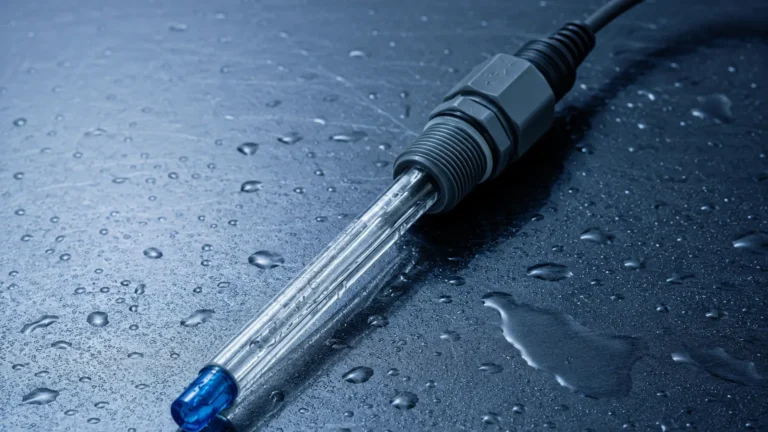
pH measurement is an electrochemical process that determines the activity of hydrogen ions in a solution. A standard wastewater ph probe operates as a galvanic cell, typically consisting of two primary elements: a sensing electrode and a reference electrode.
The Glass Electrode
The sensing part of the probe is a thin, specialized glass membrane. When immersed in wastewater, hydrogen ions in the liquid interact with the hydrated gel layer on the outside of the glass bulb. Simultaneously, an internal buffer solution (usually with a pH of 7) interacts with the inside of the glass. This creates a potential difference (voltage) across the glass membrane that is proportional to the pH of the wastewater.
The Reference Electrode
To measure the voltage produced by the glass electrode, a stable reference point is required. The reference electrode provides a constant potential, regardless of the wastewater's composition. This is achieved through a reference junction—a porous ceramic or Teflon plug—that allows a small amount of internal electrolyte (typically Potassium Chloride, KCl) to make contact with the process liquid, completing the electrical circuit.
The Nernst Equation
The relationship between the measured voltage and the pH value is defined by the Nernst Equation. At 25°C (77°F), a change of one pH unit corresponds to a change of 59.16 millivolts (mV). Because this voltage-to-pH relationship is temperature-dependent, most modern wastewater ph probes include an integrated temperature sensor for Automatic Temperature Compensation (ATC).
Key Components for Wastewater Durability
Standard laboratory pH probes often fail within days when placed in industrial wastewater. For reliable performance, a wastewater ph probe must incorporate specific design features to combat fouling and chemical attack:
1. Double or Triple Junctions: In wastewater, contaminants can migrate into the reference electrode, "poisoning" the reference element (often Silver/Silver Chloride). A double junction adds an extra chamber to slow down this contamination, significantly extending the probe's lifespan.
2. Flat Surface Glass: Traditional bulb-shaped electrodes are prone to breakage and easily trap hair or fibers. Flat-surface electrodes use the flow of the wastewater to provide a self-cleaning effect, as the liquid shears away debris across the flat face.
3. Solid Polymer Electrolytes: Instead of liquid KCl, which can be depleted or diluted by high-pressure wastewater, solid polymer electrolytes eliminate the need for refilling and resist the ingress of process contaminants.
4. Teflon (PTFE) Junctions: Large-surface-area Teflon junctions are less likely to clog with oils and greases compared to traditional ceramic junctions.
Selection Criteria for Wastewater pH Probes
Choosing the correct instrument depends on the specific characteristics of the wastewater stream. Engineers should evaluate the following parameters before procurement:
Chemical Compatibility
The body of the probe (often Ryton, PVDF, or Stainless Steel) must be compatible with the chemicals present. For example, in textile or electroplating wastewater containing hydrofluoric acid, specialized HF-resistant glass must be used, as standard glass will be etched and destroyed.
Pressure and Temperature
Wastewater processes in pressurized pipelines or high-temperature neutralization tanks require probes rated for those specific conditions. High temperatures accelerate the aging of the glass membrane, while pressure fluctuations can cause "pumping" of the reference electrolyte, leading to premature failure.
Selection Comparison Table
| Feature | Standard Industrial Probe | Heavy-Duty Wastewater Probe | Differential pH Probe |
| :— | :— | :— | :— |
| Junction Type | Single Ceramic | Double/Triple Teflon | Encapsulated / Salt Bridge |
| Glass Shape | Bulb | Flat Surface | Heavy-Duty Bulb/Flat |
| Best For | Clean water / Cooling towers | General municipal wastewater | Harsh chemicals / Ground loops |
| Maintenance | High (Weekly cleaning) | Moderate (Monthly cleaning) | Low (Quarterly cleaning) |
| Lifespan | 3–6 Months | 6–18 Months | 18–36 Months |
Installation Considerations
The physical placement of the wastewater ph probe is as important as the technology itself. Improper installation often leads to erratic readings or frequent mechanical failure.
Orientation and Angle
Probes should never be installed horizontally or upside down. An angle of at least 15° above the horizontal is required to ensure that the internal electrolyte stays in contact with the glass membrane and that air bubbles do not get trapped inside the electrode.
Flow Velocity
In tanks or open channels, the probe should be placed in an area with sufficient movement to ensure a representative sample, but away from high-turbulence zones that could cause mechanical vibration. A flow velocity of 0.5 m/s to 2 m/s is generally ideal for self-cleaning probes.
Immersion Depth
For tank installations, the probe must remain submerged even when levels fluctuate. Integrating pH monitoring with reliable level measurement is essential for automated systems. Engineers often consult the Main Page of instrumentation providers to pair pH probes with ultrasonic or radar level transmitters, ensuring the probe is retracted or protected when tank levels drop below the minimum immersion point.
Maintenance and Calibration Procedures
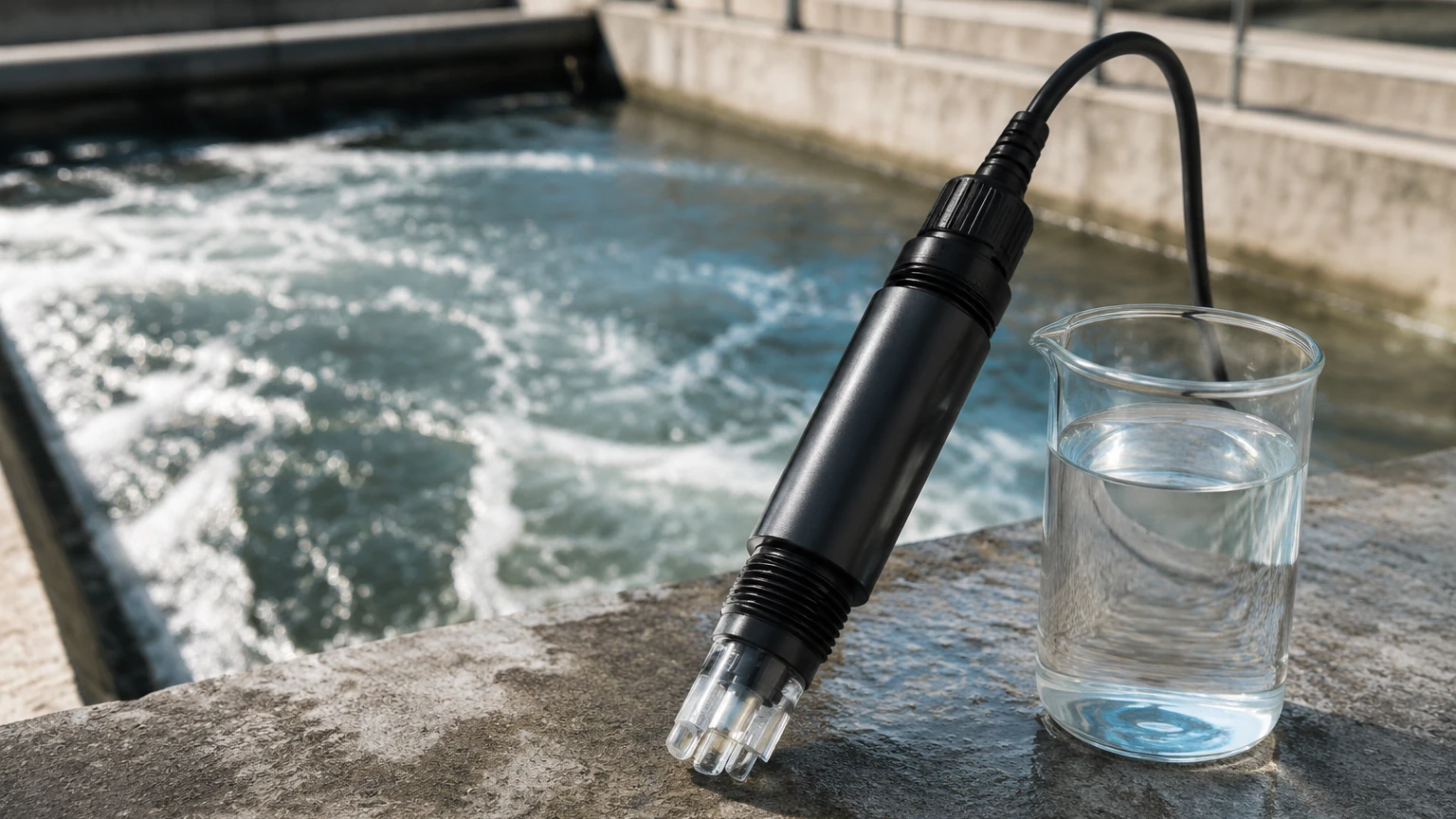
Even the most advanced wastewater ph probe requires routine care to maintain accuracy. In wastewater environments, the two primary maintenance tasks are cleaning and calibration.
Cleaning Protocols
* Oils and Greases: Use a mild detergent or isopropyl alcohol with a soft cloth.
* Mineral Scale (Calcium): Briefly soak the probe in a 5% Hydrochloric Acid (HCl) solution.
* Biological Growth: Use a dilute bleach solution (5% Sodium Hypochlorite).
Never use a brush or abrasive material on the glass membrane, as scratches will permanently degrade the response time and accuracy.
Calibration Steps
Calibration should be performed using at least two buffer solutions (typically pH 4.0, 7.0, or 10.0).
1. Zero Point: Calibrate at pH 7.0 first to establish the "Zero" or Isopotential point.
2. Slope: Calibrate with a second buffer (pH 4.0 for acidic processes or pH 10.0 for alkaline processes) to determine the "Slope" or efficiency of the probe.
3. Verification: A probe should be replaced if the slope drops below 85% or if the offset at pH 7.0 exceeds ±30 mV.
Common Risks and Limitations
Understanding the limitations of electrochemical sensing helps in troubleshooting process upsets:
* Reference Poisoning: Chemicals like sulfides, cyanides, and bromides can react with the silver ions in the reference electrode, creating precipitates that clog the junction.
* Ground Loops: In large metal tanks or systems with heavy machinery, stray electrical currents can travel through the wastewater, causing significant measurement drift. In these cases, a differential pH probe with a ground rod is necessary.
* Dehydration: If a pH probe is allowed to dry out, the hydrated gel layer on the glass membrane collapses. While some probes can be rehydrated in a storage solution (KCl), prolonged dehydration often results in permanent loss of sensitivity.
Integrating pH with Industrial Automation
In a modern B2B industrial environment, a wastewater ph probe is rarely a standalone device. It is typically part of a larger control loop. For instance, in a neutralization tank, the pH probe sends a 4-20mA or RS485 Modbus signal to a PLC (Programmable Logic Controller). The PLC then calculates the required dosage of acid or caustic soda and adjusts the chemical dosing pumps accordingly.
Furthermore, pH data is often correlated with flow and level data. High-accuracy level measurement ensures that the volume of the wastewater is known, which is critical for calculating the concentration of contaminants. For those designing comprehensive monitoring stations, reviewing the range of sensors available on the Main Page can help in selecting compatible level and flow instruments to work alongside pH systems.
Frequently Asked Questions (FAQ)
Q: How often should I calibrate my wastewater ph probe?
A: In most wastewater applications, weekly calibration is recommended initially. Depending on the stability of the readings and the rate of fouling, this interval may be extended to bi-weekly or monthly.
Q: Can I use a pH probe for wastewater that contains hydrofluoric acid?
A: Only if the probe is specifically designed with HF-resistant glass. Standard pH glass is composed of silicates which are rapidly dissolved by hydrofluoric acid.
Q: Why does my pH reading drift even after calibration?
A: Drift is often caused by a clogged reference junction or electrical interference (ground loops). Check for coating on the junction or consider using a differential-style probe.
Q: What is the typical lifespan of a probe in a municipal sewage plant?
A: With proper maintenance and a heavy-duty design, a probe typically lasts 12 to 18 months. However, in high-strength industrial wastewater, this may be reduced to 6 months.
Summary Checklist for Engineers
Before finalizing a wastewater ph probe specification, confirm the following:
* Process Temperature: Does the probe support the maximum expected temperature (e.g., 80°C)?
* Chemical Profile: Are there solvents or acids that require specialized body materials or glass?
* Mounting Requirements: Is the probe for an open channel (submersion) or a pressurized pipe (in-line)?
* Signal Output: Does the transmitter support the required protocol (4-20mA, HART, or Modbus)?
* Integration: Have you accounted for level and flow monitoring to ensure the probe operates within safe hydraulic limits?
By selecting a probe designed specifically for the rigors of wastewater, and adhering to strict maintenance schedules, industrial facilities can ensure accurate data, protect downstream equipment, and maintain full environmental compliance.